 Proudly Canadian


 Home
Home Cooling
 Heating
 Heat Pumps
 Air Quality
 Other
Other
Furnace Repair
Schedule your furnace repairs with North Wind HVAC. Our team of professional technicians offer same-day-services with 7 Days a Week appointment availability throughout Toronto, the GTA and Barrie.

Why Choose North Wind HVAC?
Same-Day Furnace Repair Services
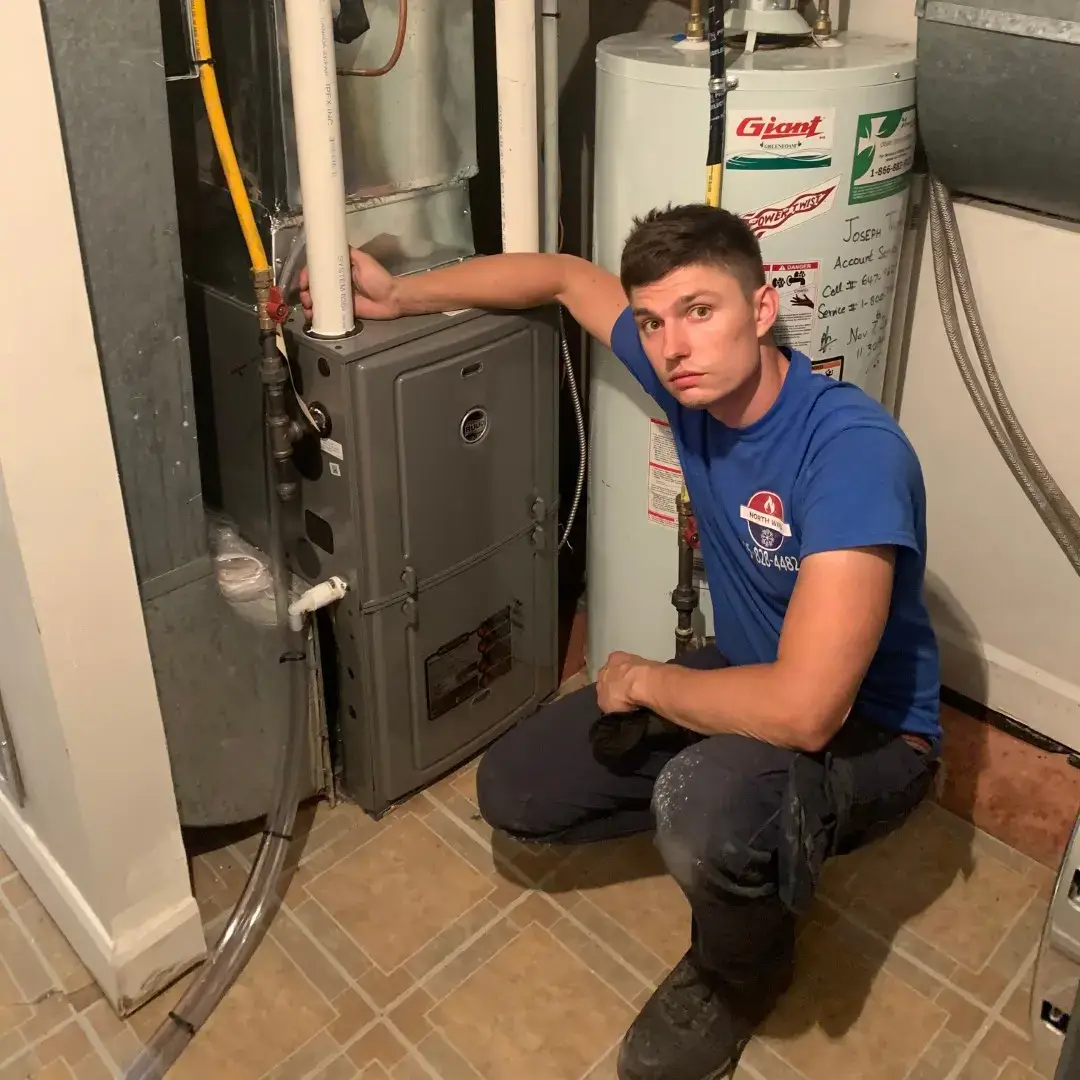
When you start noticing issues with your furnace, call North Wind HVAC for quick repairs throughout Toronto, the GTA and Barrie. Our team of licensed technicians is available 7 Days a Week to provide same-day service and on-site repairs whenever possible. For more complicated issues, we’ll schedule a follow-up appointment, explain the necessary repairs, and return with the required equipment and replacement parts to get your furnace back up and running.
Transparency is one of our core values at North Wind HVAC, as a family-owned business we understand the importance of clear communication for managing budgets and schedules. When you select North Wind HVAC as your furnace repair specialist, you can relax knowing there won’t be any nasty surprises later down the line.

Expert Technicians
With Years of Experience
Fast and Reliable
Available 7 Days a Week
Affordable Services
Quality Service, Unbeatable Price
Certified and Qualified
Fully Licensed, TSSA Approved



Emergency Furnace Repair
If you’re facing a furnace emergency, call us for same-day service and 7 Days a Week appointment availability! We provide emergency repairs for all our services, ensuring that no matter the time, North Wind HVAC will be here to save the day (or night).
EMERGENCY REPAIR
When You Book With Us
What To Expect From Your Furnace Repair
When you book a furnace repair appointment with North Wind HVAC, there are a couple of things that you can expect from the repair service:
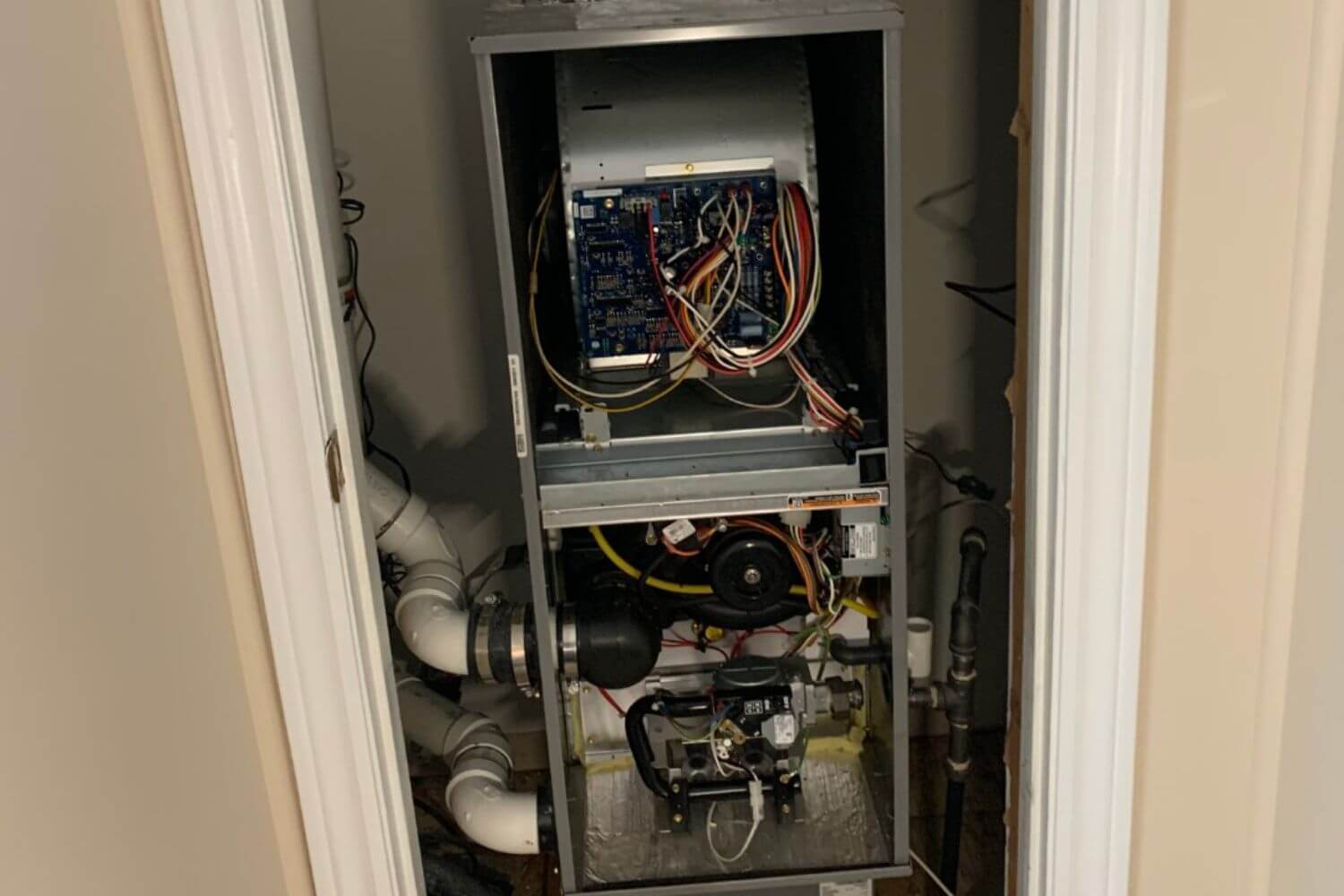
- Detailed diagnostic and safety check of your furnace appliance
- In-depth explanation of the problem and repair strategy
- If possible, we will complete on-site furnace repairs, or for more complicated issues we will schedule a follow up appointment and explain the required repairs
- 1 month service warranty – if you experience further issues within 1 month of your furnace repair service with us, then we will come back for free.

Check Out These Deals!
Save on Your Furnace Repair
*ONLY 1 coupon is redeemable per purchase.*
$25 OFF
Furnace Repair
Get $25 off furnace repair when you book with North Wind HVAC.
ONLY $120
FURNACE MAINTENANCE
Get your furnace tune-up for ONLY $120, now on sale!
FREE
Humidifier Installation
FREE humidifier installation with a full furnace and A/C system installation purchase.
North Wind HVAC
Furnace Troubleshooting
Are you noticed problems with your furnace? Before you give us a call, try the following furnace troubleshooting steps, you might be able to save yourself a HVAC service call.
1. My furnace is not producing heat
- Power: Check the breaker box and the master switch to ensure power is on. Verify that the emergency off switch near the furnace and the furnace switch are both on. If a fuse blows or a circuit breaker trips again after being reset, do not restore power. Instead, contact North Wind HVAC.
- Thermostat: Ensure the thermostat is set to “heat” and is higher than the current room temperature. Clean the thermostat and replace the batteries if needed.
- Gas supply: Confirm that the gas safety shut-off valve near the furnace is in the “on” position (parallel to the pipe). If other gas appliances are not working, check the main gas meter shut-off valve. If the gas has been turned off, contact your gas company. For oil or propane tanks, ensure they are not low on fuel and contact your supplier if necessary.
- Dirty filter: Check that the filter is clean and installed correctly with the arrows pointing in the direction of the airflow.
- Blower door: Verify that the blower door is securely closed, as some systems won’t operate if it is ajar. Ensure all panels are securely fastened for safe operation. Clean any visible dirt or debris.
- Pilot light: If your furnace has a pilot light, ensure it is lit. Follow the instructions in your owner’s manual to relight it if necessary. If the pilot light does not stay lit, contact North Wind HVAC.
2. My furnace is producing insufficient heat
- Dirty filter: Inspect the furnace filter and clean or replace it if necessary. Make sure it is correctly installed with the arrows pointing in the direction of airflow.
- Air ducts: Hold a lit piece of incense near duct connections while the system is on the “fan” setting. If the smoke blows away, there is a leak in the supply ducts; if it is sucked in, there is a leak in the return ducts. Contact North Wind HVAC to inspect, seal, and insulate any duct leaks.
- Blocked registers: Ensure all supply and return registers in your home are open and unblocked. Never block HVAC registers, either intentionally or unintentionally.
- Blower belt: If you have a belt-drive blower, inspect the belt and adjust or replace it if needed. Failing belts can cause squealing noises, blower issues, and premature breakdowns.
- Burner flame: Periodically check the colour and behavior of your furnace flame. A bright blue flame indicates safe and efficient combustion. If the flames are any color other than blue or behave irregularly, contact North Wind HVAC immediately.
3. My furnace is making wierd noises
- Insufficient lubrication: Furnace components, such as shaft bearings, may need lubrication. Contact North Wind HVAC to schedule a furnace maintenance appointment.
- Blower belt: The blower belt may need to be tightened, loosened, or replaced. If the belt is aging, it may also need to be replaced.
4. Room Temperature Doesn’t Match Thermostat Setting
- Thermostat placement: If the thermostat is near an air vent, window, or other heat source, it may turn off prematurely, preventing the room from reaching the desired temperature. Contact a professional to relocate the thermostat if necessary.
- Thermostat installation: Follow the troubleshooting instructions in your owner’s manual to ensure proper installation. If there are any questions, contact your North Wind HVAC.
- Thermostat balance: Make sure your thermostat is level, especially if it uses a mercury switch, to ensure accurate temperature readings.
5. Gas Odour
- Take immediate action: If you smell gas, do not attempt to light anything or use electrical devices, including phones and light switches. Evacuate everyone from the building immediately and contact your gas supplier from a safe distance. Follow their instructions. If you cannot reach the gas supplier, call the fire department.
Avoid expensive repairs
Annual Furnace Maintenance
Prioritizing regular furnace maintenance is essential to maintain your units functionality and prolong the lifespan of your furnace. When you schedule annual furnace maintenance with North Wind HVAC you can expect our technicians to:
- Clean or replace filters (price of filters included separately)
- Clean furnace components
- Check electrical connections and wires
- Check pipe fittings and gas supply line (if required)
- Adjust gas pressure (if required)
- Inspect thermostat
- Check heat exchanger for cracks or corrosion
- Lubricate moving parts
- Check all safety switches
- Check CO2 levels
- Perform a complete system inspection
- Advice on future repair considerations
North Wind HVAC
How We Repair Furnaces: Our Process
01 Contact Us
Fill out our online form, or give us a call to book our furnace repair services.
02 FREE Estimates
Our team will provide a FREE estimate for your repair service.
03 Repair Service
Our repair technicians will arrive on time, quickly repair your furnace.
04 Warranty
All of our repair services come with an excellent warranty package – providing peace of mind!
Furnace Repair FAQs
Why is my furnace blowing cold air?
The Cause: This is typically caused by a thermostat setting issue, restricted airflow, or a safety limit trip. If the fan is set to run continuously, the blower can move room-temperature air even when the burners are not heating. If the furnace overheats because airflow is restricted, the high-limit switch can shut the burners off while the blower continues running.
How a professional handles it: A technician checks the thermostat configuration, verifies whether the furnace is receiving a proper call for heat, inspects the filter and return airflow, and tests the high-limit switch. If airflow restriction, overheating, or a failed limit component is found, the technician corrects the airflow issue, services the affected parts, and confirms the furnace is producing safe, steady heat.
Why does my furnace keep turning on and off?
The Cause: This behavior is known as short cycling. It often happens when the heat exchanger overheats quickly, causing the system to shut down for safety, cool off, and then attempt to restart.
How a professional handles it: A technician inspects the filter, blower operation, duct airflow, flame sensor, limit switch, and furnace sizing. The goal is to identify whether the system is overheating, losing flame signal, or cycling because the equipment is oversized for the home. Once the cause is confirmed, the technician repairs the failed component or corrects the airflow and combustion issue.
What causes my furnace to smell like burning dust?
The Cause: Dust, pet dander, and fine debris can settle on the furnace heat exchanger during months of inactivity. When the furnace is turned on for the first time in the heating season, this material can burn off and create a temporary dusty smell.
How a professional handles it: During a heating inspection, a technician checks the furnace cabinet, burners, blower compartment, heat exchanger area, and filter condition. If the smell is normal seasonal dust, the system is monitored for safe operation. If the odor is electrical, plastic-like, smoky, or persistent, the technician inspects wiring, motors, control components, and overheating risks before the system is returned to service.
Why is my furnace blower running constantly?
The Cause: A constantly running blower is commonly caused by a thermostat fan setting, a stuck fan relay, a faulty fan limit switch, or a control board issue. In some cases, the blower continues running because the furnace is trying to cool itself after overheating.
How a professional handles it: A technician verifies the thermostat signal, tests the fan relay and fan limit circuit, checks the control board, and inspects the system for overheating or airflow restriction. If a relay, limit switch, or board has failed, the faulty component is replaced and the blower sequence is tested to confirm normal operation.
How do I fix a furnace that won't ignite?
The Cause: A furnace that will not ignite may have a failed hot surface igniter, a gas supply issue, a dirty or failed flame sensor, a faulty gas valve, or a control board problem. Modern furnaces rely on a precise ignition sequence, and one failed step can stop the entire heating cycle.
How a professional handles it: A technician checks the ignition sequence from start to finish, including inducer operation, pressure switch response, igniter condition, gas valve operation, flame signal, and control board output. The technician uses proper electrical testing tools to confirm whether the igniter, flame sensor, gas valve, or board is failing, then replaces or services the affected component and verifies safe combustion.
Why is my furnace making a loud banging noise?
The Cause: Loud banging can come from delayed ignition or ductwork expansion. Delayed ignition occurs when gas does not ignite immediately, allowing gas to build up before lighting. Ductwork expansion happens when metal ducts pop as air pressure and temperature change.
How a professional handles it: A technician determines whether the bang is happening inside the furnace during ignition or in the duct system after airflow starts. If delayed ignition is suspected, the burners, ignition system, gas pressure, and heat exchanger are inspected immediately. If the noise comes from duct movement, the technician checks duct sizing, support, static pressure, and airflow balance to reduce popping and vibration.
Why is my heat pump not blowing warm air?
The Cause: Heat pumps extract heat from outdoor air rather than creating heat directly. If the outdoor coil freezes heavily, heat transfer becomes limited. A failed defrost board, faulty sensor, low refrigerant charge, or outdoor unit problem can prevent the system from producing warm air.
How a professional handles it: A technician checks the outdoor coil, defrost cycle, refrigerant charge, outdoor fan, reversing valve, sensors, and electrical controls. If the coil is iced over, the technician identifies why the defrost system failed or whether low refrigerant is affecting heat transfer. The system is then repaired, defrosted properly, and tested in heating mode.
What does it mean if my furnace flame is yellow?
The Cause: A healthy gas furnace flame should normally be steady and blue. A yellow, lazy, or flickering flame can indicate incomplete combustion caused by dirty burners, rust, blocked burner ports, poor gas pressure, or venting issues. This can increase carbon monoxide risk.
How a professional handles it: A technician treats a yellow flame as a serious combustion issue. The burners, gas pressure, air mixture, heat exchanger, and venting system are inspected. The technician also performs combustion testing and carbon monoxide checks before allowing the furnace to run normally again.
Why is there a clicking sound coming from my furnace?
The Cause: Clicking can be part of the ignition process, but repeated clicking without ignition often means the system is trying to light and failing. Possible causes include a faulty igniter, blocked pilot or burner path, failed gas valve, weak flame sensor signal, or ignition control issue.
How a professional handles it: A technician observes the ignition sequence, checks whether gas is being delivered, tests the igniter or spark system, verifies flame sensor feedback, and confirms control board communication. The failed ignition component is repaired or replaced, and the furnace is tested through several heating cycles.
Why are some rooms in my house colder?
The Cause: Uneven room temperatures are usually caused by poor airflow balance, long duct runs, undersized ducts, closed or blocked registers, weak return airflow, air leakage, poor insulation, or leaky windows.
How a professional handles it: A technician checks supply and return airflow, duct sizing, duct leakage, static pressure, register placement, and room-by-room temperature differences. The professional may recommend duct balancing, duct sealing, added return air, zoning, insulation improvements, or thermostat sensor adjustments depending on the actual cause.
Why is my furnace whistling?
The Cause: Whistling is caused by air being forced through a narrow gap or restriction. Common causes include a clogged filter, undersized return duct, gaps in duct joints, a loose filter slot, or high static pressure.
How a professional handles it: A technician measures airflow and static pressure, inspects the filter rack, return duct, blower compartment, and nearby duct joints. The solution may include sealing leaks, correcting the filter slot, improving return airflow, replacing an improper filter, or adjusting blower speed if appropriate.
What causes a furnace draft inducer motor to get noisy?
The Cause: The draft inducer motor removes combustion gases before and during burner operation. Squealing, rattling, or grinding can be caused by worn bearings, loose mounting hardware, debris in the wheel, or venting problems.
How a professional handles it: A technician inspects the inducer assembly, motor bearings, fan wheel, mounting points, pressure switch tubing, and vent path. If the bearings are worn or the motor is failing, the inducer assembly is replaced. The technician also confirms that combustion gases are venting properly after the repair.
Why is my furnace dripping water?
The Cause: High-efficiency furnaces create condensate as they extract heat from exhaust gases. If the condensate drain, trap, tubing, or pump becomes clogged or cracked, water can back up and leak around the furnace.
How a professional handles it: A technician inspects the condensate trap, drain tubing, collector box, condensate pump, fittings, and safety switches. The drain system is cleared with proper tools, damaged parts are replaced, and the technician confirms that condensate flows correctly during operation.
What are the signs of a cracked furnace heat exchanger?
The Cause: The heat exchanger separates combustion gases from the air circulating through the home. Cracks can develop from age, overheating, corrosion, or repeated expansion and contraction. A cracked heat exchanger can allow carbon monoxide to enter the air stream.
How a professional handles it: A technician performs a heat exchanger inspection using visual tools, combustion analysis, flame observation, and carbon monoxide testing. If a crack is confirmed, the furnace should not be operated until the heat exchanger or furnace is replaced. This is a serious safety issue, not a repair to delay.
Quality Brands We Trust
Brands We Service



Every HVAC Repair and Installation Service Under One Roof!
Get in touch with our experts to book your appointment, today.

Quick Response Time

Same/ Next Day Service

Great Prices

Top Rated

7 Days a Week Support, Repair & Installation