 Proudly Canadian


 Home
Home Cooling
 Heating
 Heat Pumps
 Air Quality
 Other
Other
Hot Water Tank Repair, Installation & Maintenance
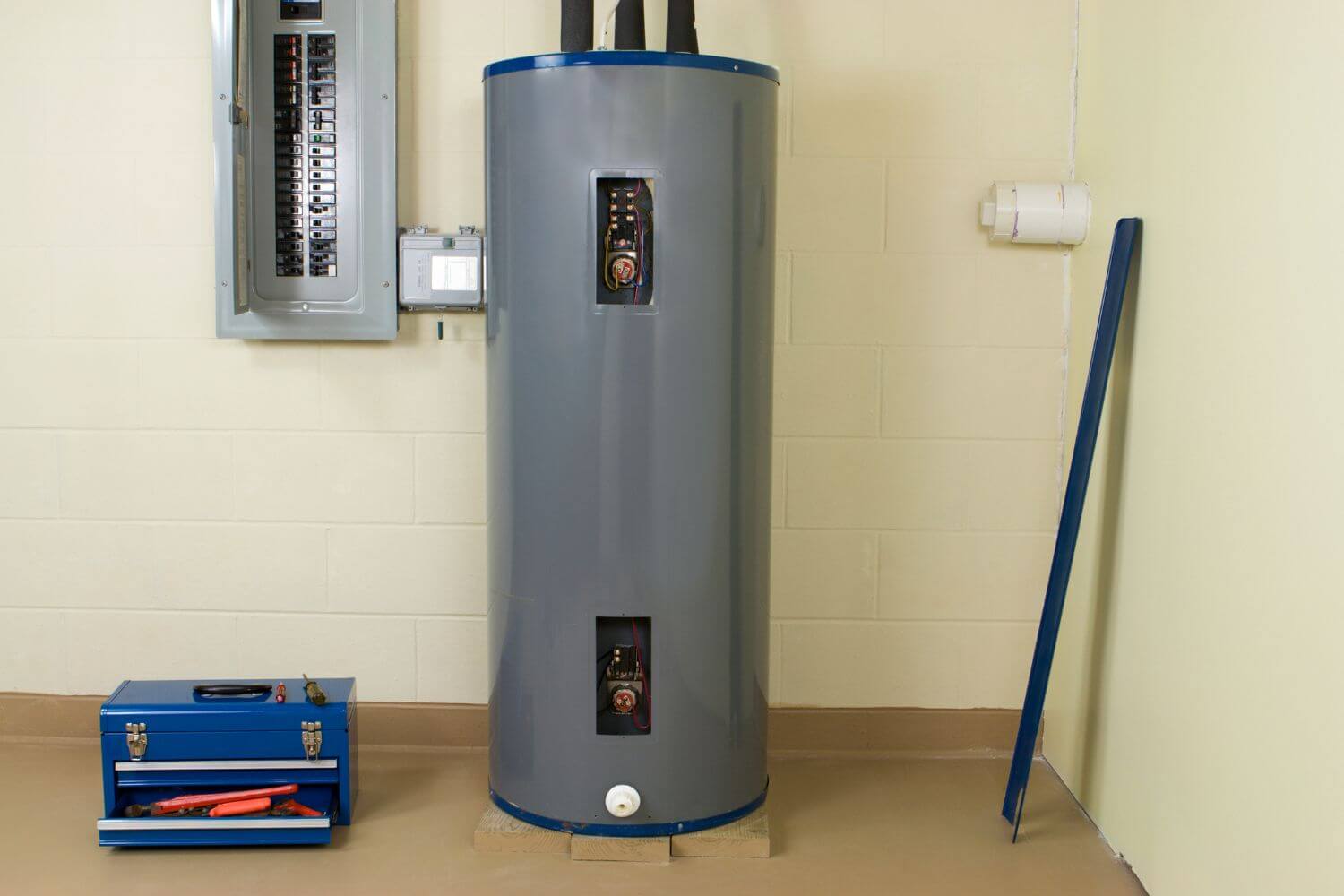
Looking to install a brand-new hot water tank, need fast repairs on an existing unit, or want routine maintenance? Our licensed technicians ensure you always have access to reliable comfort.


Professional Installation
Fast & Affordable Hot Water Tank Services
Your hot water tank is a crucial component of your household that you rely on for numerous daily tasks. Despite this, most individuals do not give much thought to their tank until it needs refilling, repair, or replacement.
Whether you’re looking to install a new high-efficiency hot water tank, need emergency repairs, or want routine maintenance to prolong your system’s lifespan, our team of experts is ready to help. We offer same-day repair services, 7 days a week across Toronto, Barrie, and the GTA, alongside FREE in-home consultations for new installations.

Expert Technicians
With Years of Experience
Fast and Reliable
Available 7 Days a Week
Affordable Services
Quality Service, Unbeatable Price
Certified and Qualified
Fully Licensed, TSSA Approved



Reap the Benefits
Why Upgrade to a Brand New Hot Water Tank

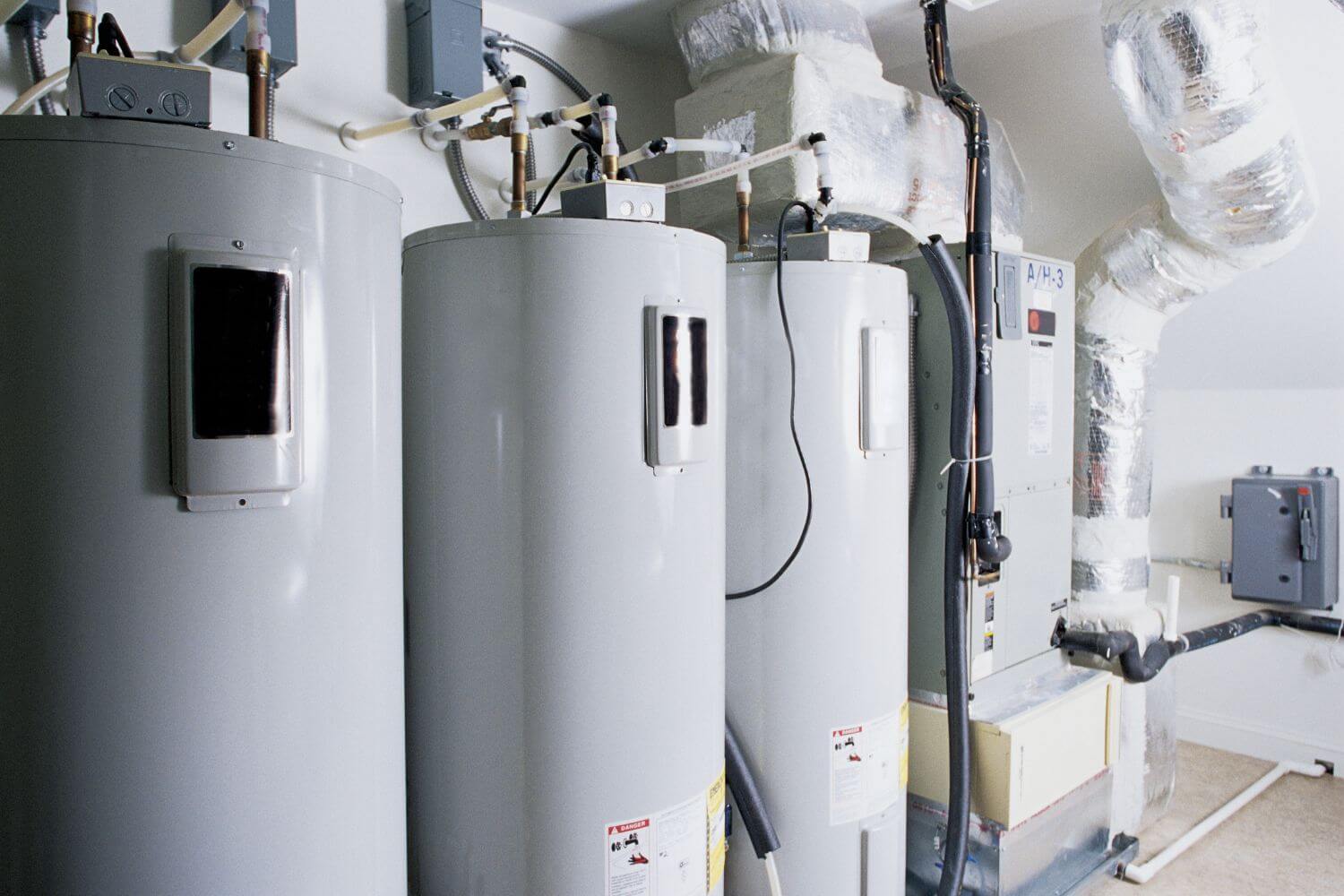
Hot water tanks work by heating and storing water until it’s needed, providing you with a steady supply of warm water for a variety of household and personal needs. Having a modern hot water tank installed offers a number of advantages:
1. Better Hot Water Recovery
Newer models heat replacement water much faster, meaning shorter wait times between showers.
2. Higher Energy Efficiency
Modern tanks feature better insulation, reducing standby heat loss and lowering your monthly energy bills.
3. Lower Maintenance Costs
A brand new unit drastically reduces the likelihood of breakdowns, leaks, and emergency repair bills.
4. Greater Control and Flexibility
Upgraded thermostats and smart controls give you precise command over your water temperature.
5. Peace of Mind
New systems ensure you always have a hot water supply, regardless of the weather or outside temperature.
How to Choose
The Right Size For Your Home
The cost of replacing a hot water tank can vary based on its type and size. Selecting the right size tank is crucial because an undersized tank will not provide sufficient hot water, while an oversized one will result in energy waste.
To ensure you purchase the right size, our technicians evaluate the size of your home, the number of bathrooms, and your family’s daily showering habits. Use this as a general guideline:
| Number of Bathrooms | 1 to 1.5 | 2 to 2.5 | 3 to 3.5 |
| People in Household | 2 to 4 | 2 to 6 | 2 to 6 |
| Minimum Tank Size | 20 Gallons | 50 Gallons | 50 Gallons |
| Maximum Tank Size | 40 Gallons | 60 Gallons | 60 Gallons |

Here’s How It All Comes Together
How We Install Hot Water Tanks

01 Give Us A Call
Contact us and we will evaluate your household’s hot water usage to determine the best system size.

02 System Recommendation
Our team will get back to you promptly with a free estimate and a system that matches your home’s needs.
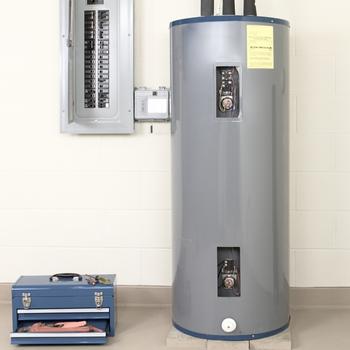
03 Safe Installation
We’ll arrive on time, safely remove your old tank, and install your new high-efficiency system.

04 Ongoing Comfort
We test the unit thoroughly and give you peace of mind with our product and labour warranties.

No Hot Water? We’re On It.
Emergency Hot Water Tank Repairs – 7 Days a Week
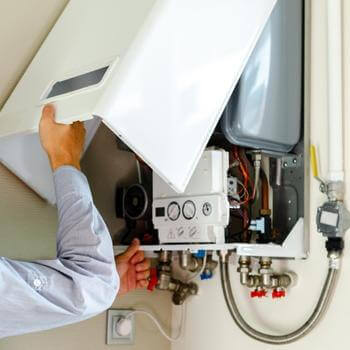
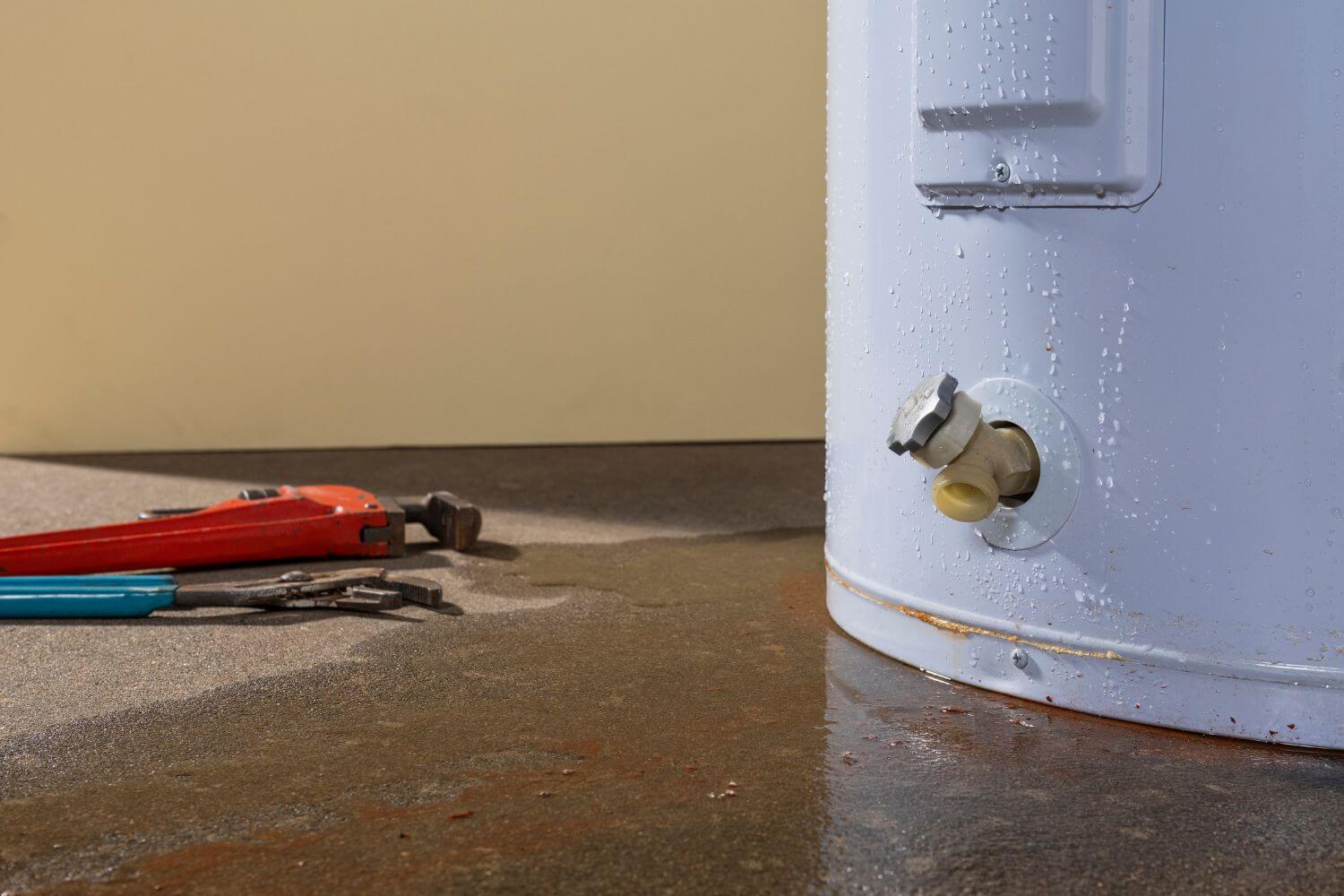
If your hot water tank springs a leak or stops heating, it can quickly disrupt your daily routine and potentially cause water damage. Our technicians provide fast, affordable emergency repair services across Toronto, Barrie, and the GTA.
Give us a call and we’ll send a technician right over with the tools and parts needed to diagnose and fix most problems on the first visit.
Common Hot Water Tank Problems
Reach out to our team if you experience any of the following:
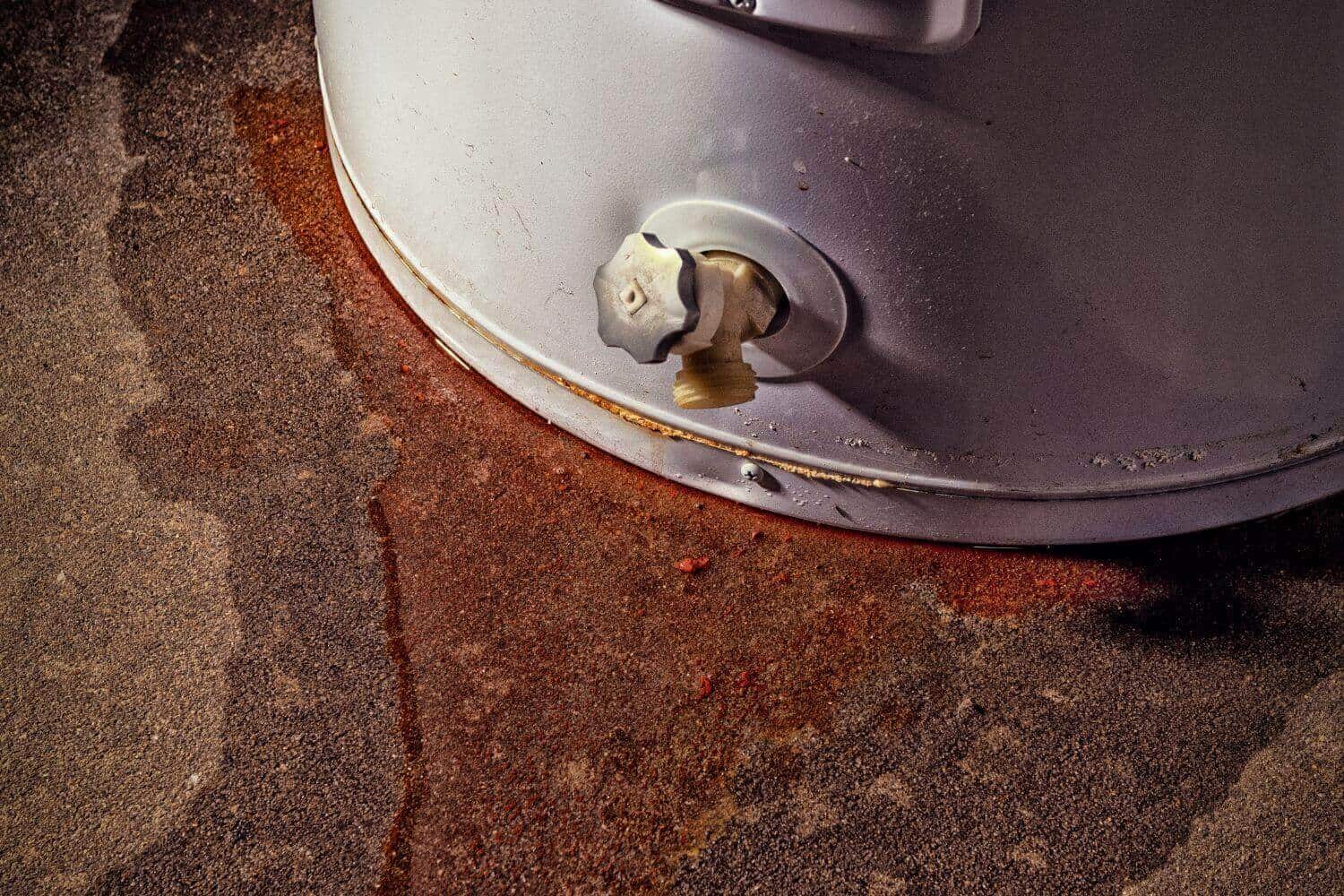
- Water pooling around the base of the tank
- No hot water or lukewarm water
- Pilot light continuously going out
- Rusty, cloudy, or foul-smelling water
- Popping, rumbling, or whistling noises from the tank
A Little Maintenance Goes a Long Way
Hot Water Tank Maintenance & Upkeep
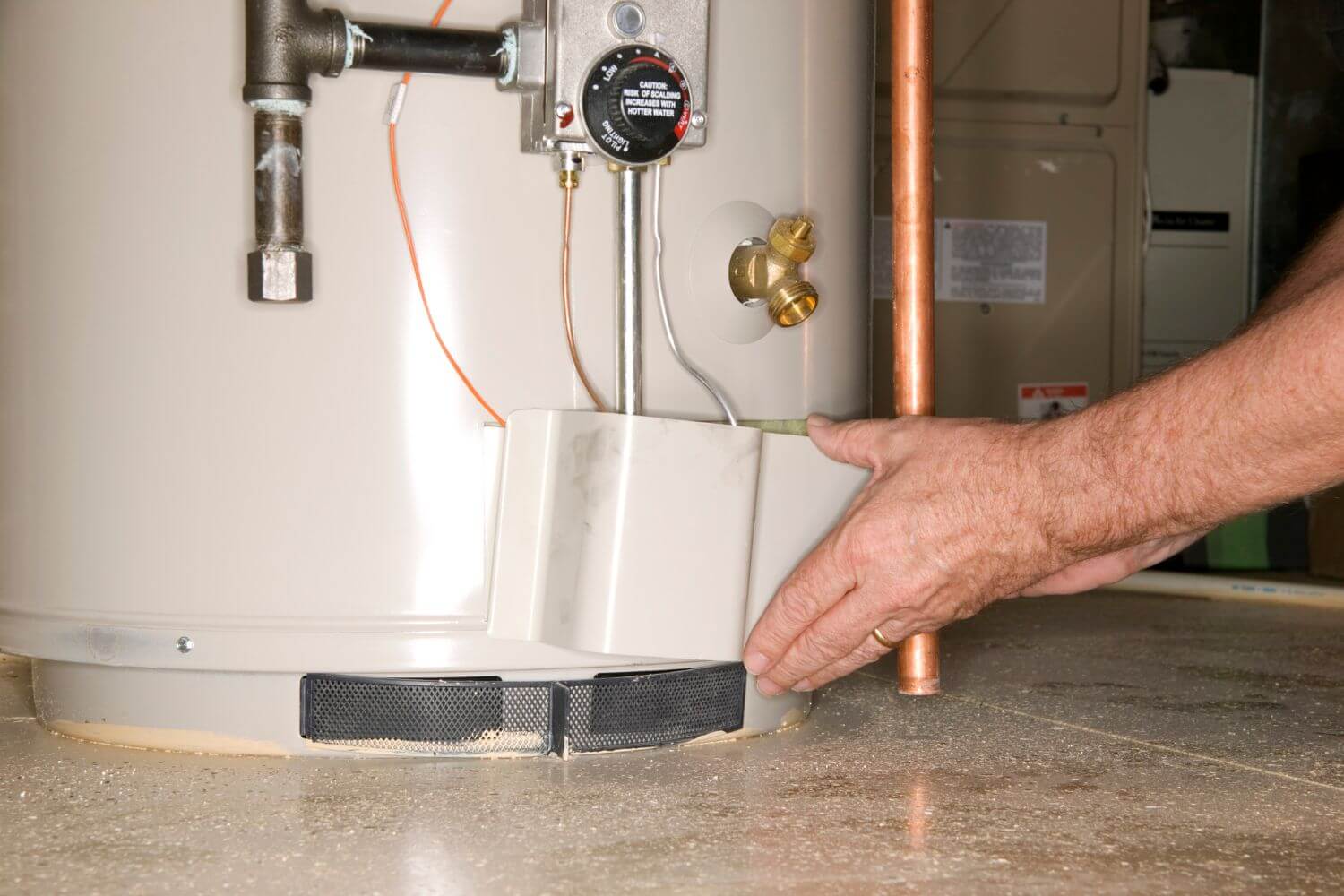
Routine maintenance is essential for keeping a traditional hot water tank operating safely and efficiently.
Over time, sediment and debris can build up at the bottom of the tank. This buildup forces the burner to work harder, lowering the tank’s efficiency and eventually causing the metal to deteriorate and leak. Additionally, the sacrificial anode rod needs periodic inspection to prevent the tank itself from rusting.
We provide yearly maintenance package options, which include:
- Flushing the tank to remove sediment buildup
- Inspecting the anode rod and pressure relief valve
- Checking gas connections and burner performance
- Extending the lifespan of your heater
With our regular maintenance packages, we will ensure your tank functions correctly year-round.

Save More with Our
Deals & Coupons
*ONLY 1 coupon is redeemable per purchase.*
50% OFF
AC Cover
Get 50% off your AC cover with the purchase of a hot water tank installation.
FROM $499
HUMIDIFIER INSTALLATION
Get your humidifier installed, starting at ONLY $499.
FREE
Furnace Inspection
Get a FREE furnace inspection with the purchase of a hot water tank installation.
Why Homeowners Call North Wind
Why Choose North Wind HVAC?
Homeowners trust North Wind HVAC because we focus on reliable service, honest advice, and professional workmanship.
When you book with us, you benefit from:
- Licensed and experienced HVAC technicians
- TSSA certified professionals for gas appliances
- Same-day repair services available
- Service available 7 days a week
- FREE in-home consultations for new systems
- Honest recommendations and transparent pricing
- Budget plans and flexible payment options
We take pride in helping homeowners across the GTA find the right solutions for their hot water needs.
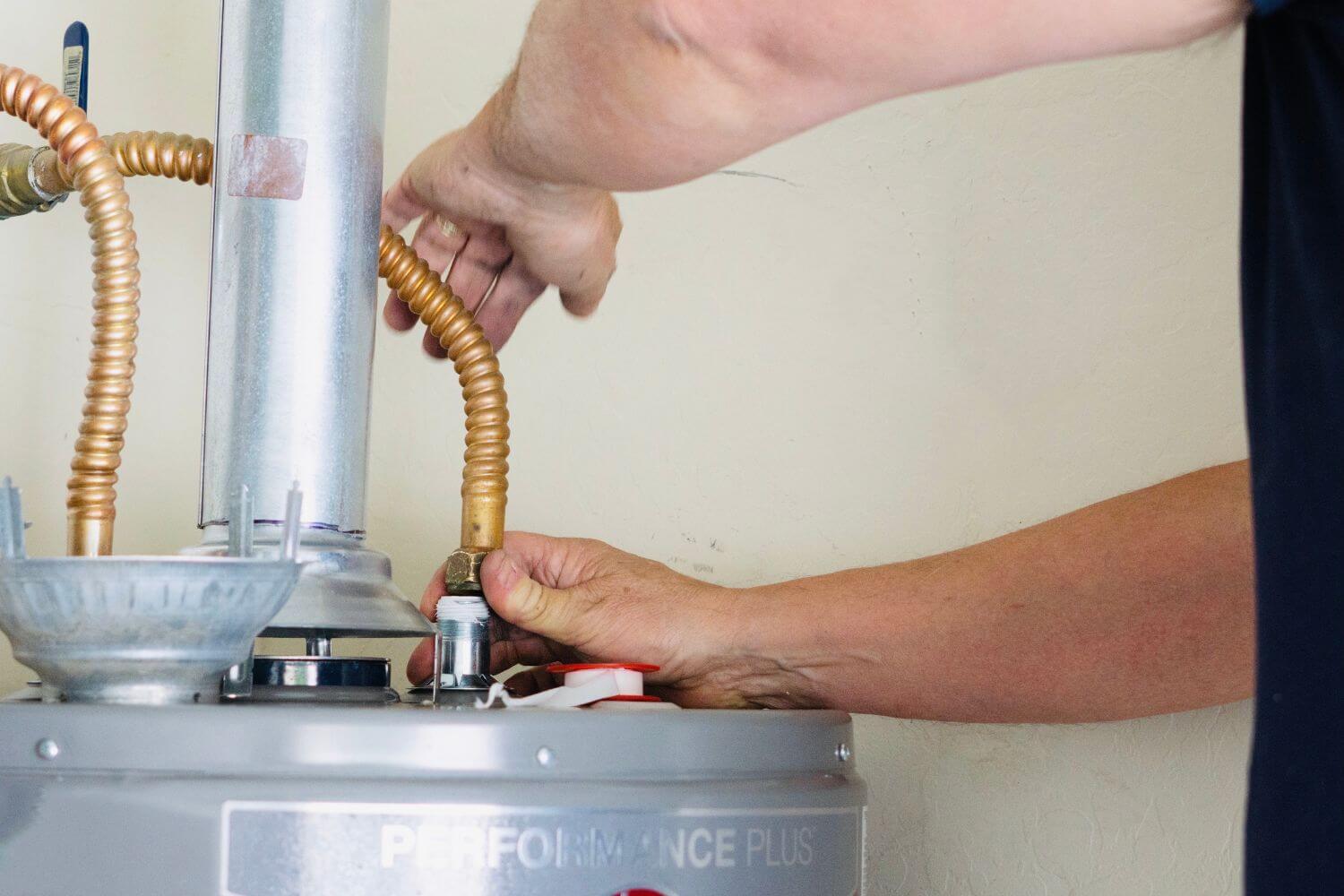
Hot Water Tank Installation FAQs
Why is my hot water tank not producing hot water?
The Cause: Total hot water failure can come from burned electric heating elements, failed thermostats, a tripped high-limit switch, a pilot light problem, a faulty thermocouple, a gas valve issue, or an interrupted gas or electrical supply.
How a professional handles it: A technician identifies whether the unit is gas or electric, then tests power, gas supply, pilot operation, thermocouple or flame sensor, heating elements, thermostats, and safety controls. The failed part is replaced and the tank is tested for safe recovery and water temperature.
Why does my hot water run out so quickly?
The Cause: Hot water can run out quickly when the dip tube is broken, the tank is filled with sediment, the water heater is undersized, one electric element has failed, or household demand exceeds the tank’s recovery rate.
How a professional handles it: A plumber checks tank capacity, water temperature, dip tube condition, sediment buildup, element operation, thermostat settings, and household usage patterns. The solution may involve replacing the dip tube, flushing sediment professionally, replacing failed components, or recommending a properly sized water heater.
Why is my hot water tank making a popping noise?
The Cause: Popping or rumbling is commonly caused by mineral sediment at the bottom of the tank. Water trapped beneath the sediment overheats and bursts through the mineral layer, creating noise.
How a professional handles it: A plumber evaluates the tank age, sediment level, water hardness, drain valve condition, and heating performance. If the tank is serviceable, it is flushed with appropriate equipment. If sediment has hardened or the tank is near failure, replacement may be the safer long-term option.
Why is water leaking from the bottom of my hot water heater?
The Cause: Water leaking from the bottom of a tank often indicates internal tank corrosion, a failed drain valve, leaking fittings, or condensate on some high-efficiency models. If the steel tank itself has rusted through, it cannot be repaired.
How a professional handles it: A plumber identifies the exact leak source, checks fittings, valves, drain connections, and the tank jacket. If the inner tank is leaking, the water heater is replaced. If the leak is from a serviceable valve or fitting, that component is repaired or replaced.
Why does the hot water from my taps look cloudy?
The Cause: Cloudy hot water that clears from the bottom up is usually caused by harmless air bubbles. Cloudiness that settles as particles may indicate mineral sediment or water quality issues.
How a professional handles it: A plumber checks whether the cloudiness is air, sediment, or discoloration from the water heater or piping. If sediment is present, the tank, anode rod, water quality, and hot water piping are inspected. Treatment options may include flushing, filtration, softening, or water heater service.
Why does my hot water smell unusual?
The Cause: A rotten egg or sulfur smell is often caused by sulfur-reducing bacteria reacting with the anode rod inside the water heater. Other odors can come from stagnant water, water quality issues, or plumbing contamination.
How a professional handles it: A plumber determines whether the odor is isolated to hot water or present in both hot and cold water. The anode rod, tank condition, water source, and bacteria activity are checked. The solution may include an anode rod change, tank sanitation, or water treatment.
How do I relight the pilot light?
The Cause: Older gas water heaters use a standing pilot flame. The pilot can go out because of drafts, gas pressure issues, a dirty pilot assembly, or a failing thermocouple.
How a professional handles it: A technician checks the pilot assembly, thermocouple, gas valve, burner chamber, draft conditions, and combustion safety. If the pilot will not stay lit, the failed safety component is replaced and the water heater is tested for stable ignition.
Why is the water pressure low only on the hot water side?
The Cause: Low pressure only on the hot side usually points to mineral restriction in the hot water outlet, heat trap nipple, shutoff valve, mixing valve, faucet aerators, or hot water piping.
How a professional handles it: A plumber tests pressure at multiple fixtures, inspects the water heater outlet, valves, heat traps, and piping restrictions. If mineral debris is found, the affected fittings or valves are cleaned or replaced and the hot water flow is restored.
What causes the relief valve on a hot water tank to drip?
The Cause: The temperature and pressure relief valve opens when pressure or temperature becomes unsafe. Dripping can be caused by thermal expansion, high house water pressure, excessive water temperature, a failed expansion tank, or a worn relief valve.
How a professional handles it: A plumber tests water pressure, temperature, expansion tank function, and relief valve condition. If the valve is defective, it is replaced. If pressure is too high, the expansion tank or pressure-reducing valve may need service.
Why is my hot water taking so long to reach the faucet?
The Cause: Delayed hot water is usually caused by distance between the water heater and fixture. Hot water sitting in the pipes cools between uses and must be pushed out before new hot water arrives.
How a professional handles it: A plumber evaluates the plumbing layout, fixture distance, pipe insulation, water heater location, and household usage. A recirculation system, demand pump, pipe insulation, or plumbing layout change may be recommended to reduce wait time.
Quality Brands We Trust
Brands We Service





















Every HVAC Repair and Installation Service Under One Roof!
Get in touch with our experts to book your appointment, today.

Quick Response Time

Same/ Next Day Service

Great Prices

Top Rated

7 Days a Week Support, Repair & Installation