Proudly Canadian


 Home
Home Cooling
 Heating
 Heat Pumps
 Air Quality
 Other
Other
AC Repair Services
Book air conditioner repair services with North Wind HVAC. Our professional technicians offer same-day services with 7 Days a Week appointment availability throughout Toronto, the GTA and Barrie.


Why Choose North Wind HVAC?
Same-Day Repairs For Air Conditioners
If your air conditioner isn’t working, call North Wind HVAC for same-day repair services throughout Toronto, the GTA, and Barrie. Our licensed AC repair technicians will come and fix your broken unit with no extra fees for weekends or after hours!
We always prioritize transparency with our clients, offering affordable repairs and straightforward strategies to ensure there are no nasty surprises down the line. With years of experience, we can repair all major AC brands like Lennox, Carrier, Goodman, as well as smaller brands.
If your AC unit is giving you repeated issues, running up your energy bills, or simply just not doing its job. It might be time for an upgrade! Call us for a FREE at-home consultation where we can access your household needs and recommend the best AC replacement unit for you.

Expert Technicians
With Years of Experience
Fast and Reliable
Available 7 Days a Week
Affordable Services
Quality Service, Unbeatable Price
Certified and Qualified
Fully Licensed, TSSA Approved



Emergency AC Repair
We offer same-day services and 7 Days a Week appointment availability for all of our services. If you need emergency repair services for your AC unit, no matter the time of day or night, call North Wind HVAC and we will send one of our technicians straight to your door!
EMERGENCY REPAIR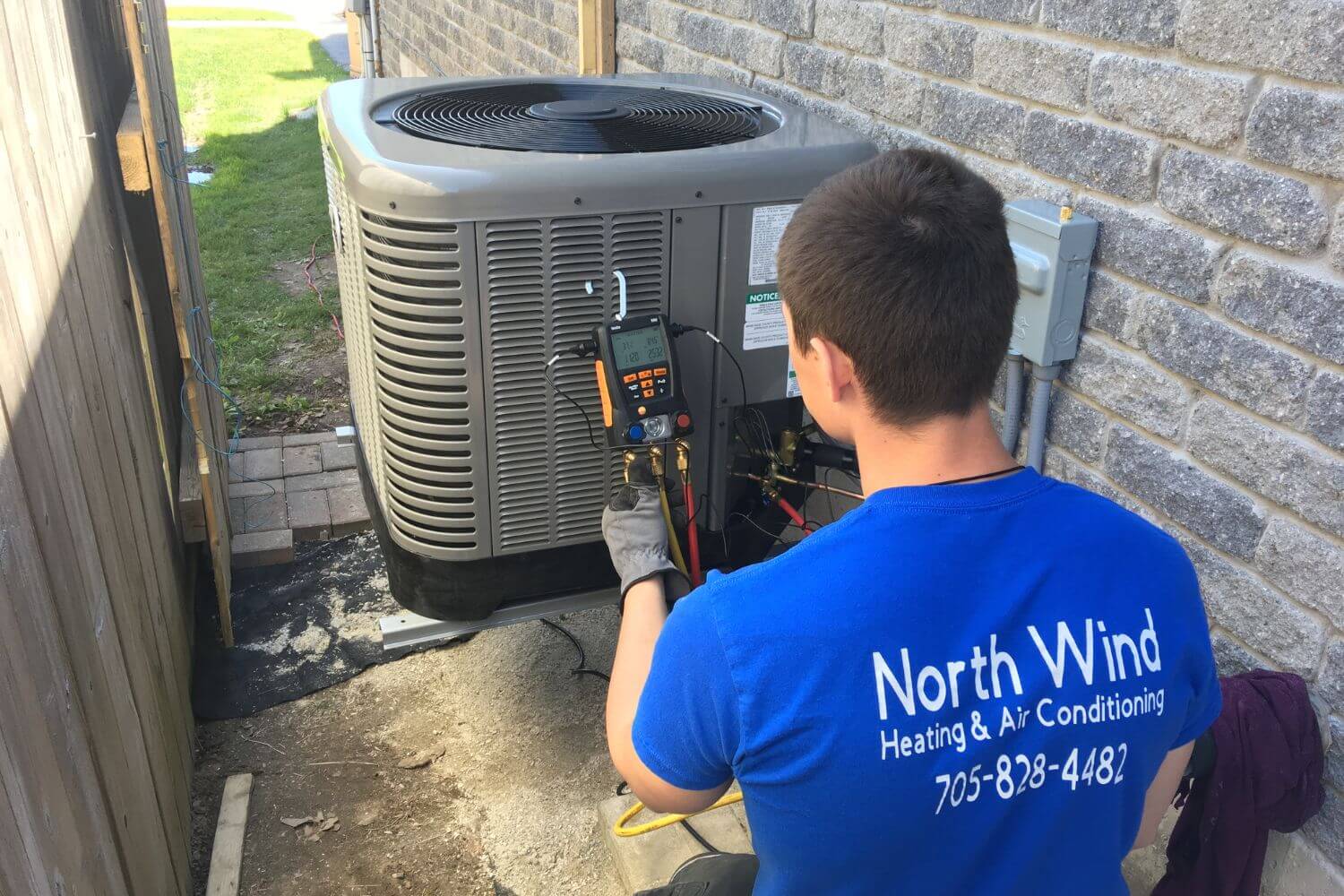
Try Before You Call
Top DIY AC Repair Tips
Before you give us a call, try these do-it-yourself AC fixes! You might be able to save yourself a service call.
- Thermostat: Check that your thermostat is set to “Cool” instead of “Heat”, lower the set temperature to 3-5 degrees below the room temperature.
- Air Filters: Replace your AC filters, it is recommended to replace air filters in AC units every 3 months.
- Tripped Circuit Breakers: Check and reset the appropriate breaker if it has tripped
- Check Air Vents: Make sure there is nothing blocking your air vents that could obstruct the airflow.
- Clean Air Ducts: Book to have your air ducts cleaned, it is recommended to have them cleaned every 3-5 years.
- Check Your Outdoor Unit: Ensure nothing is blocking your outdoor unit from getting adequate airflow, also clean any debris that might have accumulated.

Save More On Your Repairs!
Money Off AC Repair Coupons
*ONLY 1 coupon is redeemable per purchase.*
10% OFF
AC Repair Service
Get 10% off your A/C repair when you book online through our website.
ONLY $99
A/C MAINTENANCE
Get your A/C maintenance for ONLY $99, now on sale (was $135)!
FREE
Humidifier Installation
FREE humidifier installation with a full furnace and A/C system installation purchase.
North Wind HVAC
AC Unit Troubleshooting
Are you experiencing issues with your AC unit? Before you call us try the following AC unit troubleshooting steps, you could save yourself the HVAC service call.
1. My AC won't turn on
- Thermostat: Make sure that your thermostat is set to “cool” and the temperature is set lower than the current room temperature. You can also check the batteries in your thermostat to ensure they are not dead.
- Power: Check to make sure that your AC unit is receiving power. Ensure that the circuit breaker is not tripped and the switch for your AC is turned on.
- Dirty filters: If your air filters are clogged with dust and debris, your AC may shut off to prevent damage. Clean or replace your air filters to see if this resolves the issue.
- Faulty capacitor: The capacitor is a device that provides energy to the motor that powers the compressor and fans. If the capacitor is faulty or dead, your AC unit may not turn on.
2. My AC freezing up
- Dirty air filters: If the air filters in your AC unit are dirty or clogged, it can cause the evaporator coils to freeze up. This is because the restricted airflow causes the cold air to be trapped inside the unit, leading to the formation of ice on the coils.
- Low refrigerant levels: Low refrigerant levels can cause the pressure in your AC unit to drop, which can cause the evaporator coils to freeze up.
- Malfunctioning thermostats: If thermostats malfunction, they may continue to run the compressor even after the desired temperature has been reached. This, in turn, can cause the evaporator coils to freeze.
- Faulty blower fans: If the blower fans in your AC unit are not functioning properly, it can cause cold air to be trapped inside the unit, leading to ice formation on the coils.
- Blocked vents: Blocked vents can restrict the airflow to your AC unit, which can cause the evaporator coils to freeze up.
3. My AC is making weird noises
- Loose parts: Over time, your AC unit may become loose or disconnected. Screws or bolts may become loose, causing the AC unit to shake and make weird noises.
- Dirty evaporator coils: Dirt and dust accumulate on the evaporator coils over time. This can cause the AC unit to produce a hissing, bubbling or gurgling sound.
- Faulty fan motor: The fan motor is responsible for helping circulate cool air throughout your home. If it is malfunctioning or has become loose, it can cause rattling or banging sounds.
- Refrigerant leak: If your AC unit begins to make a hissing or whistling noise, this could indicate a refrigerant leak. This can cause your AC unit to stop working properly or not produce cool air.
- Blocked ducts: Blocked or dirty air ducts restrict the airflow to and from your AC unit. This can cause a whistling or wheezing sound.
4. My AC is blowing warm air
- Dirty air filters: Your AC unit may be blowing warm air if the air filters are dirty or clogged. When the filters become clogged, they restrict the airflow, causing the unit to work harder and less efficiently, which can lead to warm air coming through the vents.
- Refrigerant leaks: Low refrigerant levels can cause warm air to blow out of your AC unit. If there is a leak in the refrigerant lines, it can cause the pressure in the system to drop, making it difficult to produce cool air.
- Faulty compressor: The compressor is the heart of the AC system, and if it is not functioning correctly, it can cause warm air to blow out of the unit.
- Faulty thermostats: If the thermostat is not working correctly, it may not be sending the signal to the AC unit to produce cool air.
- Dirty condenser coils: Dirty condenser coils can also cause warm air to blow from the AC unit. The coils should be cleaned periodically to ensure proper airflow and cooling.
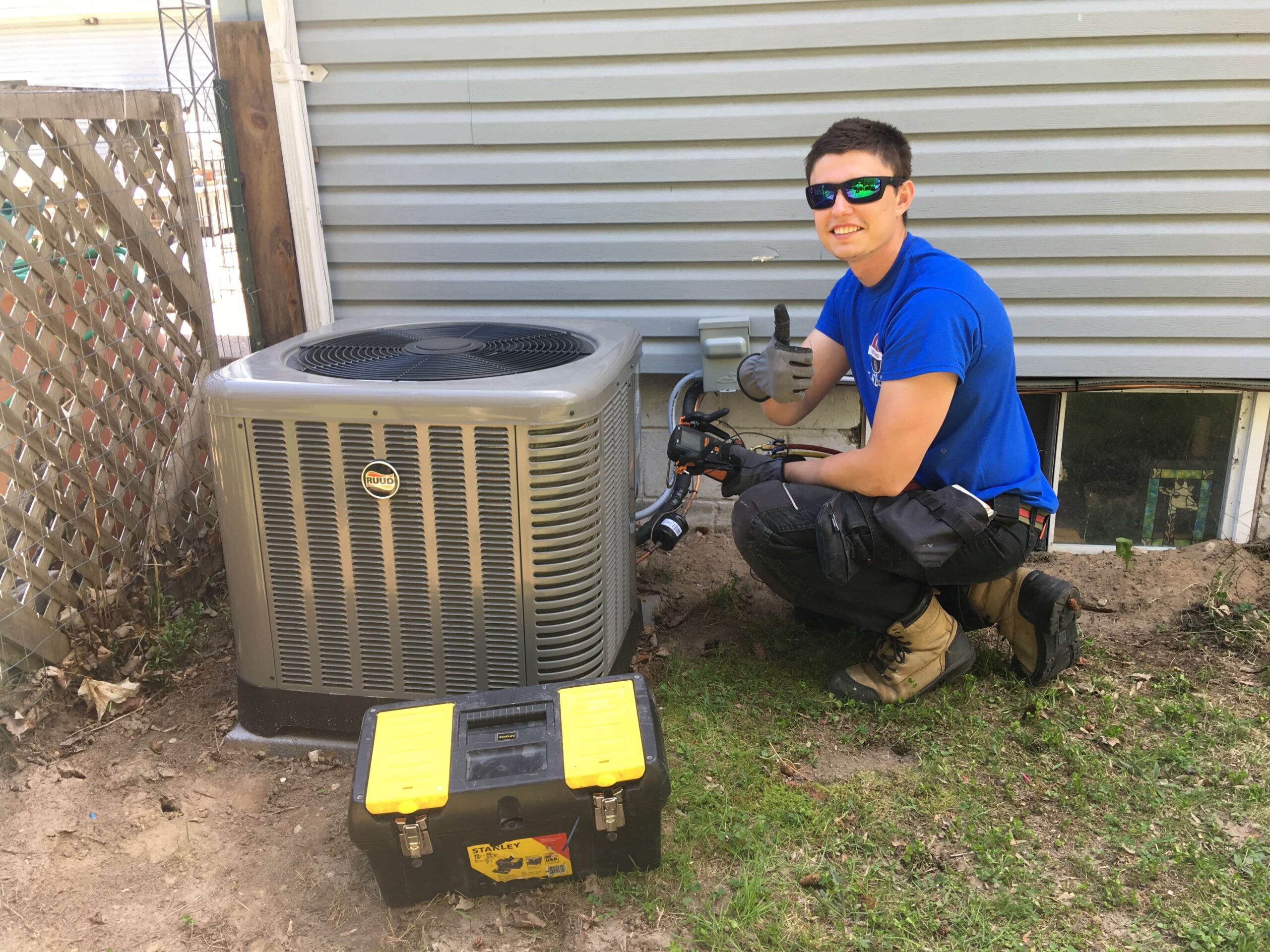
When You Book With Us
What To Expect From Our AC Repair Service
When you schedule air conditioner repairs with North Wind HVAC, there are a few things you can expect from our service:
- In-depth diagnostic and safety check of your AC unit
- Detailed explanation of the issue and repair strategy
- On-site repairs if possible, or for more complex issues we will schedule your return appointment and outline the repairs required
- 1 month service warranty – if you experience further issues within 1 month of your AC repair service with us, then we will come back for free.
Avoid Costly Repairs Through
Annual AC Maintenance
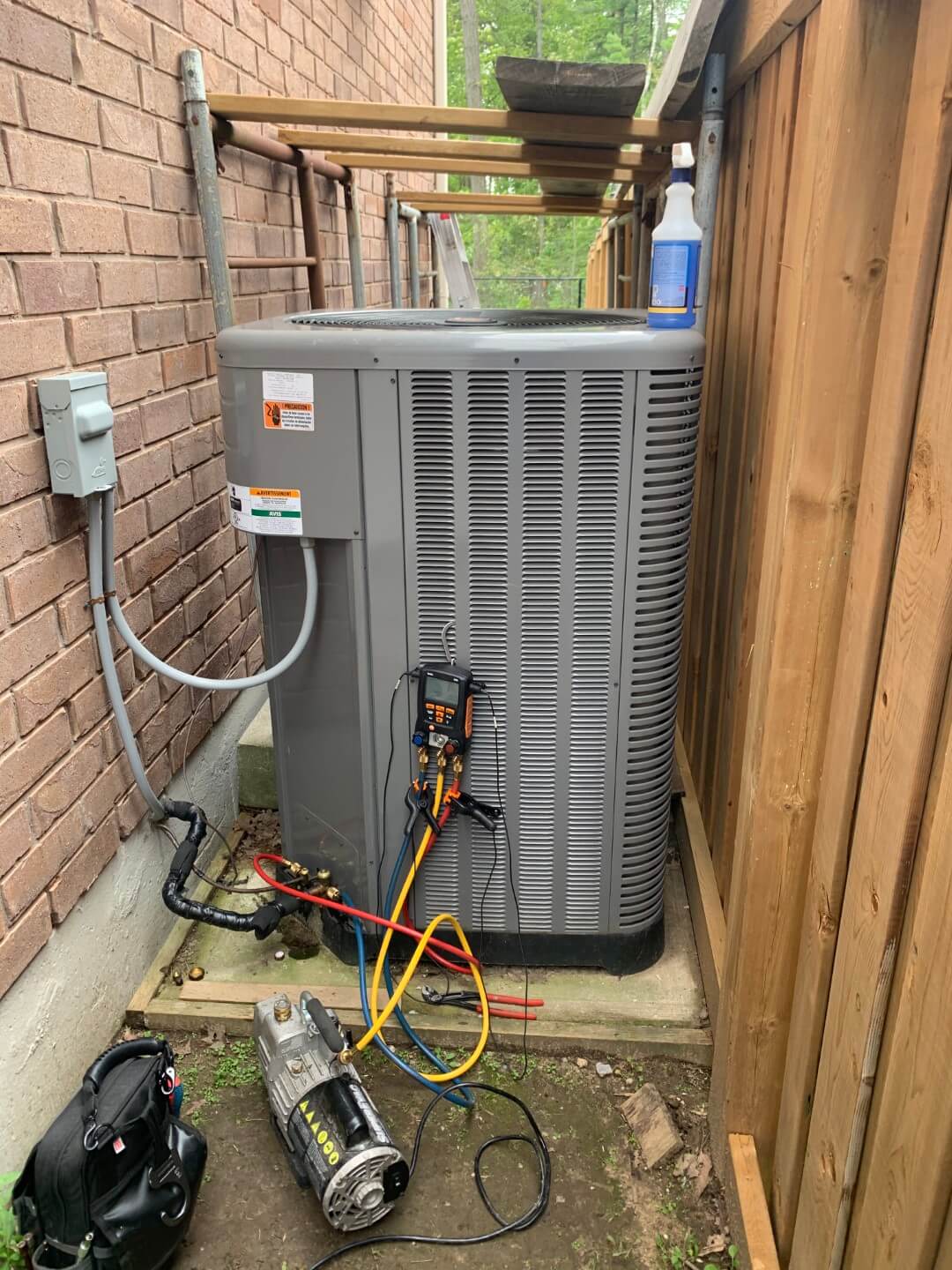
Scheduling regular AC maintenance is essential to maintaining the functionality and extending the lifespan of your AC unit. When you book your annual AC servicing appointment with us you can expect our technicians to:
- Clean or replace filters
- Check evaporator coils
- Check condenser coils
- Check refrigerator levels
- Check contactor, capacitor & fan motor
- Inspect electrical components
- Inspect drain pan
- Lubricate moving parts
- Advice on future repair considerations
AC Repair FAQs
Why is my air conditioner blowing warm air?
The Cause: Warm air from an AC system means the indoor blower is moving air, but the refrigeration process is not removing heat. This can happen if the outdoor unit has no power, the compressor is not starting, the capacitor has failed, or the refrigerant charge is low due to a leak.
How a professional handles it: A technician checks thermostat demand, outdoor unit power, contactor operation, capacitor strength, compressor operation, refrigerant pressure, and coil condition. If a refrigerant issue is found, the technician locates the leak, repairs it where possible, and charges the system according to manufacturer specifications.
Why is water leaking from my indoor AC unit?
The Cause: The indoor coil removes moisture from the air during cooling. That water should drain through a condensate pan and drain line. If the drain line clogs with algae, dust, or sludge, the pan can overflow and leak indoors.
How a professional handles it: A technician inspects the evaporator coil, drain pan, condensate line, trap, safety switch, and condensate pump if present. The blockage is cleared using professional equipment, the drain system is flushed, and the technician checks for cracked pans or improper slope that could cause repeat leaks.
What causes an air conditioner to freeze up?
The Cause: An AC freezes when the evaporator coil drops below freezing. This is usually caused by restricted airflow, a dirty coil, blower problems, or low refrigerant pressure from a leak.
How a professional handles it: A technician allows the system to thaw safely, then checks airflow, filter condition, blower performance, evaporator coil cleanliness, refrigerant pressures, and metering device operation. If low refrigerant is confirmed, the technician checks for leaks rather than simply adding refrigerant without diagnosis.
Why is my outside AC unit not turning on?
The Cause: The outdoor unit may fail to start because of a tripped breaker, blown disconnect fuse, failed capacitor, bad contactor, broken thermostat signal, motor failure, or compressor issue.
How a professional handles it: A technician checks high-voltage power, low-voltage control signal, contactor operation, capacitor readings, fan motor condition, compressor terminals, and safety switches. The failed electrical or mechanical component is repaired or replaced, then the unit is tested under load.
Why does my AC keep tripping the circuit breaker?
The Cause: A breaker trips when the AC draws more current than the circuit can safely handle. Causes can include a shorted wire, grounded compressor, failing fan motor, bad capacitor, loose electrical connection, or compressor pulling excessive startup current.
How a professional handles it: A technician keeps the circuit off until electrical testing is complete. They inspect wiring, test motors and compressor windings, check amp draw, examine capacitors and contactors, and identify whether the issue is electrical, mechanical, or compressor-related. This protects the system and reduces fire risk.
Why is my ductless mini-split not cooling?
The Cause: A mini-split may stop cooling because of restricted airflow, dirty indoor filters, dirty coils, refrigerant leakage at flare connections, sensor problems, or outdoor unit faults.
How a professional handles it: A technician inspects indoor filters and coils, verifies outdoor unit operation, checks refrigerant pressures, tests sensors, and looks for leaks at flare fittings and line connections. The system is cleaned, repaired, and tested to confirm proper temperature split and refrigerant performance.
What causes a squealing noise from my outdoor AC?
The Cause: Squealing usually points to mechanical friction. Modern outdoor units commonly squeal when condenser fan motor bearings are failing. Older systems may also have belt-related noise.
How a professional handles it: A technician checks the condenser fan motor, blade, bearings, mounting hardware, and electrical components. If the motor bearings are failing, the motor is replaced before it seizes and causes additional damage to the compressor or electrical system.
Why is my AC airflow so weak?
The Cause: Weak airflow usually means air is being restricted somewhere in the system. Common causes include a clogged filter, blocked return, dirty evaporator coil, frozen coil, failing blower motor, undersized ductwork, or high static pressure.
How a professional handles it: A technician measures airflow and static pressure, checks the filter, blower wheel, motor, coil condition, duct restrictions, and register output. If airflow is being blocked or the coil is frozen, the root cause is corrected before the cooling system is put back into regular operation.
Why does my air conditioner smell musty?
The Cause: Musty AC odor often comes from biological growth on the evaporator coil, drain pan, blower compartment, or ductwork. Moisture, dust, and darkness inside the indoor unit can allow mold and mildew odors to develop.
How a professional handles it: A technician inspects the coil, drain pan, blower compartment, filter, duct surfaces, and condensate system. The affected areas are cleaned with HVAC-safe products, drainage is corrected, and air quality accessories or maintenance changes may be recommended if the odor returns.
How do I fix an air conditioner that short-cycles?
The Cause: AC short cycling can be caused by low refrigerant, a freezing coil, oversized equipment, a faulty thermostat, poor thermostat placement, electrical faults, or safety controls opening during operation.
How a professional handles it: A technician checks cycle timing, thermostat placement, refrigerant pressures, airflow, coil temperature, safety switches, and electrical controls. If the system is oversized or poorly matched to the home, the technician may recommend equipment or duct changes rather than repeated minor repairs.
Why is my AC condenser making a loud buzzing noise?
The Cause: Loud buzzing often indicates an electrical component is energized but not operating correctly. Common causes include a failing contactor, weak capacitor, stalled fan motor, compressor startup problem, or loose electrical connection.
How a professional handles it: A technician turns the system off for testing, inspects electrical connections, tests the contactor and capacitor, checks fan motor operation, and measures compressor amp draw. The failed component is replaced before it damages the compressor or wiring.
What are the signs of a failing AC capacitor?
The Cause: Capacitors provide the extra electrical torque needed to start and run AC motors. Heat, age, and electrical stress cause capacitors to weaken over time.
How a professional handles it: A technician tests the capacitor with a meter and compares the reading to the rated microfarad value. They also inspect for swelling, leaking, hard starting, humming, and delayed motor startup. If the capacitor is weak or failed, it is replaced with the correct rated part and the system is tested for proper startup.
What causes my AC to run constantly?
The Cause: An AC that runs constantly may be undersized, low on refrigerant, affected by dirty coils, restricted airflow, leaky ducts, poor insulation, or extreme outdoor heat. It may also be unable to reach the thermostat setpoint because of equipment degradation.
How a professional handles it: A technician checks cooling capacity, refrigerant charge, indoor and outdoor coil condition, airflow, duct leakage, thermostat operation, and heat gain in the home. The repair may involve cleaning, refrigerant leak correction, duct sealing, insulation improvements, or equipment sizing recommendations.
Why is the copper pipe on my AC covered in frost?
The Cause: Frost on the larger copper refrigerant line usually means the indoor evaporator coil is freezing. This is commonly caused by poor airflow, a dirty coil, blower failure, or low refrigerant pressure.
How a professional handles it: A technician thaws the system safely, checks airflow, inspects the coil and blower, measures refrigerant pressures, and tests for leaks or metering device problems. The system is not considered repaired until the technician confirms the coil is operating above freezing under normal conditions.
Why does my AC fan run but the compressor won't start?
The Cause: The condenser fan may run while the compressor fails to start because of a weak dual-run capacitor, failed contactor, overheated compressor, internal overload trip, wiring issue, or compressor failure.
How a professional handles it: A technician tests the capacitor, contactor, compressor terminals, winding resistance, amp draw, and overload condition. If the compressor is overheated, they determine why it overheated before restarting it. If the compressor has failed electrically or mechanically, repair and replacement options are reviewed.
Featured AC Repair Blogs
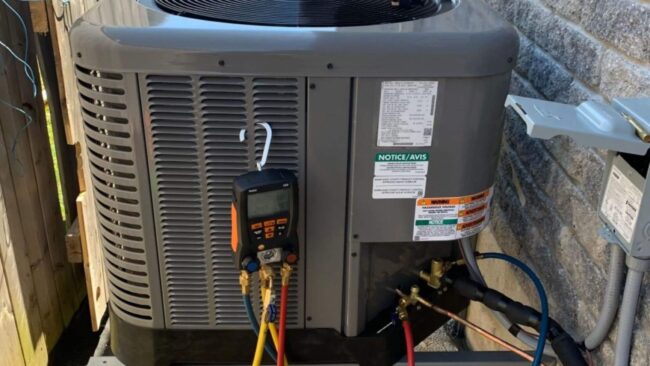
9 Reasons Why Your AC Isn’t Blowing Cold Air
When it’s hot and muggy outside, the last thing you want to deal with is[...]
15
Jun
Jun

Critical AC Maintenance Tips to Extend Your Unit’s Life
Keeping your AC unit in top shape is essential for staying cool and comfortable during[...]
15
Aug
Aug
HVAC Energy-Saving Tips to Improve Your Home’s Efficiency
Table Of Contents: Understanding Energy Efficiency Ratings ENERGY STAR Rating Seasonal Energy Efficiency Ratio (SEER)[...]
26
Jul
Jul
Quality Brands We Trust
Brands We Service


























Every HVAC Repair and Installation Service Under One Roof!
Get in touch with our experts to book your appointment, today.

Quick Response Time

Same/ Next Day Service

Great Prices

Top Rated

7 Days a Week Support, Repair & Installation