 Proudly Canadian


 Home
Home Cooling
 Heating
 Heat Pumps
 Air Quality
 Other
Other
Keeping your AC unit in top shape is essential for staying cool and comfortable during the hot Canadian summers. Proper AC maintenance not only ensures the longevity of your unit but also improves its performance, saving you from costly repairs in the long run and confirming your comfort. Below, we explore critical AC maintenance tips—ranging from quick DIY checks to professional installation and routine repairs—that can help extend the life of your cooling system.
Importance of Professional AC Installation
When it comes to ensuring the longevity of your AC unit, professional AC installation plays a crucial role. The installation process sets the foundation for your cooling system’s performance and efficiency. Hiring trained technicians for AC installation guarantees a proper setup that mitigates potential issues and maximizes your unit’s lifespan.
During professional installation, technicians carefully assess your home’s specific cooling needs and recommend the appropriate unit size and placement. This attention to detail is vital, as an incorrectly sized AC unit can lead to inefficiency, increased energy consumption, and early wear and tear.
Avoiding these problems not only saves you money on energy bills but also extends the life of your AC unit. Additionally, a properly installed AC system provides better indoor air quality, ensuring a healthier and more comfortable living environment for you and your family.

AC Maintenance & Installation: Expertise and Experience
The expertise and experience of professional technicians play a crucial role in AC installation. They are familiar with the intricacies of different AC models and can handle complex installation tasks with precision and efficiency.
Highly trained technicians like us at North Wind HVAC follow manufacturer guidelines and industry best practices to install your AC unit correctly. HVAC professionals have the knowledge to handle electrical connections, refrigerant lines, and ductwork, ensuring everything is installed safely and in compliance with local building codes.
Preventing Potential Issues & Choosing the Right Service
Proper AC installation helps prevent potential issues that may arise due to improper setup. Accurate installation reduces the risk of air leaks, inadequate airflow, and even compressor failure. By avoiding these problems from the start, you can minimize the need for costly repairs and replacements down the line.
When selecting an AC installation service, prioritize reputable and reliable companies. Look for technicians who are licensed, insured, and experienced in the installation of your specific AC unit model. Reading customer reviews and seeking recommendations are also effective ways to find trustworthy professionals.
| Benefits of Professional AC Installation | Importance |
|---|---|
| Enhanced AC unit lifespan | Sets the foundation for optimal performance and efficient long-term operation. |
| Reduced risk of repairs | Avoids air leaks, inadequate airflow, and compressor failure through proper setup. |
| Improved indoor air quality | Properly installed systems provide better ventilation and healthier indoor air. |
| Compliance with building codes | Adheres to local building and electrical codes for maximum home safety. |
10 Essential AC Maintenance Tips for Optimal Performance
Regular maintenance is crucial for ensuring optimal AC performance and maximizing energy efficiency. Incorporating a few simple cleaning and maintenance tasks into your routine will extend the lifespan of your AC unit and enhance its overall performance:
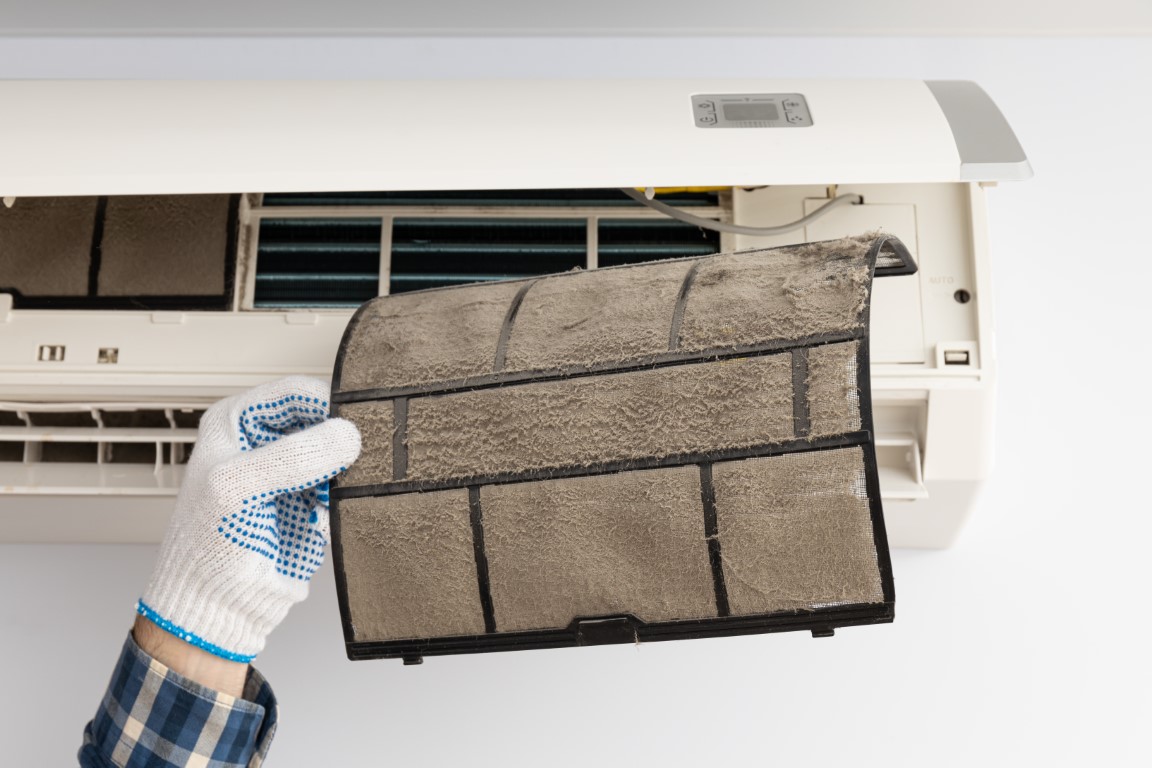
1. Clean and Replace Air Filters Regularly
One of the most important maintenance tasks is to clean or replace your AC’s air filters every 1 to 3 months. Over time, filters accumulate dust, dirt, and debris, which restricts airflow and forces your system to work harder. Clogged filters also contribute to poor indoor air quality and higher energy bills.
2. Inspect the Thermostat
Check your thermostat regularly to ensure it’s working correctly and maintaining your desired temperature. Consider upgrading to a programmable or smart thermostat if you haven’t already. This allows you to set automated schedules for different times of the day, improving home comfort while cutting energy costs.
3. Clean the AC Coils
Your AC system relies on an evaporator coil and a condenser coil. Over time, these coils collect dirt, which insulates them and reduces heat absorption. Inspect and clean these coils annually to ensure optimal performance and prevent extended runtime.
4. Ensure the Coil Fins Are Not Bent
The aluminum fins on the evaporator and condenser coils can easily bend, restricting proper airflow through the system. You can purchase a specialized “fin comb” from a local hardware store to gently comb these fins back into their original condition.
5. Check and Clear the Condensate Drain Line
Over time, the condensate drain can become clogged with dust, algae, and dirt. A blocked drain can cause water backup, leading to water damage in your home or elevated indoor humidity levels. Check the drain regularly during peak summer usage and clear any blockages.
6. Inspect and Insulate Refrigerant Lines
The refrigerant lines running from your outdoor unit into your home require proper insulation to maintain maximum cooling efficiency. Check these lines annually; if the foam insulation is worn, cracked, or missing, replace it promptly.
7. Maintain the Outdoor Unit Clearances
Keep your outdoor condenser unit free of debris, leaves, dirt, and overgrown foliage. Ensure there is at least 2 feet of clear space around the entire unit to allow proper air circulation and efficient heat dispersion.
8. Utilize Window Coverings to Lower Heat Load
While not a mechanical maintenance task, using blinds, shades, or drapes during peak sun hours reduces solar heat gain entering your home. This lessens the cooling load on your AC system, saving energy and preventing undue wear and tear.
9. Shut Down and Cover the AC During the Off-Season
During Canadian winters when your AC is dormant, shut off power to the outdoor unit and cover it with a breathable protective cover. This shields the system from heavy snow, falling ice, and winter debris, helping prolong its total operational life.
10. Schedule Annual Professional AC Maintenance Visits
Some critical operational issues can only be identified by a trained professional. Have a certified HVAC technician perform a full system check at least once a year—ideally in the spring. Technicians will inspect components, clean coils, check electrical connections, test refrigerant levels, and ensure your system operates at peak efficiency.
Common AC Repairs and Troubleshooting
When issues arise, understanding common cooling problems and knowing how to respond quickly will keep your air conditioning system running smoothly throughout the summer.
Refrigerant Leaks
One of the most frequent AC problems is a refrigerant leak. If your AC unit is running continuously but failing to cool effectively, low refrigerant levels may be to blame. This leads to reduced cooling performance, frozen evaporator coils, and eventual compressor failure. Contact a professional AC repair service immediately, as handling refrigerant requires certified tools and expertise.
Faulty Thermostats and Electrical Components
A faulty thermostat or failing electrical component (such as a bad capacitor or contactor) can cause temperature inconsistencies, frequent short-cycling, or a total failure to start. Basic troubleshooting includes checking circuit breakers and replacing thermostat batteries. If those don’t resolve the issue, a certified technician will need to test internal wiring and component voltages.

Signs You Need Professional AC Repair
Be proactive if you notice key warning signs, such as grinding or squealing noises, musty or burning smells, weak airflow from your vents, ice formation on copper lines, or a sudden, unexpected spike in your monthly energy bills.
Finding Reputable AC Repair Services
When facing repairs beyond basic troubleshooting, always hire licensed, insured companies with verified customer reviews and a strong track record. For fast service in the Greater Toronto Area, work with certified technicians who understand Ontario’s seasonal weather demands.
✓ Expert Note — Our NATE-certified and TSSA-licensed technicians have serviced thousands of air conditioning systems across the GTA. The answers below reflect what we actually see and fix in Ontario homes and businesses every summer.
Frequently Asked Questions About Air Conditioner Repair in Ontario
How much does AC repair cost in Ontario in 2025?
AC repairs in Ontario typically range from $150–$700 depending on the issue. Common fixes like replacing a capacitor or contactor cost $150–$300. Refrigerant top-ups run $200–$400 depending on refrigerant type (R-410A vs R-22) and amount needed. Compressor replacement is the most expensive repair at $800–$1,500—at that cost, replacement often makes more sense. Emergency same-day calls add a service fee of $80–$150.
Why is my air conditioner running but not cooling the house?
The most common reasons: low refrigerant (leak or improper charge), dirty evaporator or condenser coils blocking heat transfer, a failed capacitor preventing the compressor from starting, frozen evaporator coil due to restricted airflow, or a failing compressor. A clogged air filter is often overlooked—replace it first. If that doesn’t fix it, a technician needs to diagnose refrigerant level and component function with proper gauges.
How often should I have my air conditioner serviced?
Once per year is the standard recommendation—ideally in spring before the cooling season starts. An annual AC tune-up typically includes cleaning the condenser coils, checking refrigerant levels and pressure, inspecting electrical connections and capacitors, lubricating moving parts, and testing system performance. Regular maintenance extends equipment life and catches problems before they cause a breakdown during a heatwave.
Is it better to repair or replace a 10-year-old air conditioner?
If the repair is under $500 and the unit is otherwise running well, repair usually makes sense for a 10-year-old unit. If the compressor has failed (a major repair), or if you’re facing repeated breakdowns, replacement is worth considering. Modern units with SEER2 ratings of 16–18 are significantly more efficient than units made before 2015. The energy savings alone can justify the upgrade within 5–7 years in Ontario’s climate.
Can my AC be repaired in the winter in Ontario?
Yes, though most repairs are best done in the shoulder seasons (spring/fall). Refrigerant work typically cannot be done when outdoor temperatures are below 10°C, as system pressures behave differently in the cold. However, electrical component replacements (capacitors, contactors, control boards), coil cleaning, and diagnostics can all be done year-round. Scheduling service in the off-season often means faster booking and no emergency surcharges.
What are the signs my air conditioner needs repair or replacement?
Key warning signs include: the unit is not cooling effectively despite running constantly, you hear unusual noises (grinding, banging, or hissing), the system cycles on and off frequently (short cycling), there is ice forming on the refrigerant lines, you notice a significant increase in electricity bills, or the unit is over 12–15 years old and facing a costly repair. Any refrigerant leak needs immediate attention.
Do I need a licensed technician to recharge AC refrigerant in Ontario?
Yes. In Canada, only licensed HVAC technicians with an ODP (Ozone Depleting Products) certificate are legally permitted to handle refrigerants. Handling refrigerant without certification is a federal offence under the Environmental Protection Act. All North Wind HVAC technicians carry the required TSSA and ODP certifications.

Written by
Oleksii Sitalo
Oleksii Sitalo is an HVAC professional with hands-on experience in heating, cooling, air conditioning, furnace systems, and home comfort solutions.
