 Proudly Canadian


 Home
Home Cooling
 Heating
 Heat Pumps
 Air Quality
 Other
Other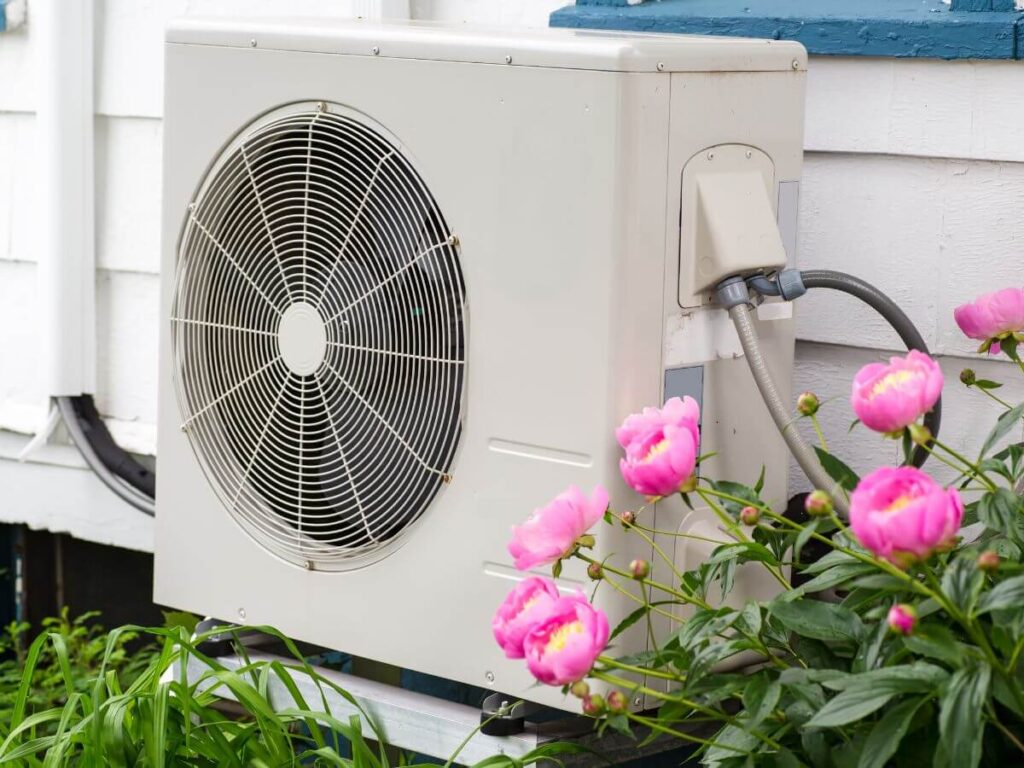
Choosing the right heating system for your Canadian home is a crucial decision, especially considering the country’s diverse climate. When it comes to heating options, there are two popular choices, heat pumps and furnaces. Understanding the differences between a heat pump vs furnace is essential for making an informed choice that aligns with your home’s needs, the Canadian climate, and your budget.
Understanding Heat Pumps
A heat pump serves as a versatile HVAC system that offers both heating and cooling capabilities, making it ideal for year-round comfort in Canadian homes. Operating by transferring heat from one location to another, a heat pump functions as both a heater and an air conditioner. Unlike traditional heating systems, it doesn’t generate heat through combustion. Instead, it harnesses existing heat energy from the outdoor air, even in cold temperatures, and efficiently transfers it indoors to warm your home. This energy-efficient approach not only contributes to reduced greenhouse gas emissions but also provides consistent warmth throughout the changing seasons.
Advantages of Heat Pumps
Energy Efficiency: Heat pumps are known for their high energy efficiency. They can extract heat even from cold outdoor air and use it to warm your home.
Dual Functionality: Heat pumps provide both heating and cooling, making them suitable for year-round comfort.
Environmentally Friendly: Heat pumps produce fewer greenhouse gas emissions compared to traditional heating methods.
Humidity Control: Heat pumps can help maintain indoor humidity levels, contributing to overall comfort.
Canada Greener Homes Grant: Heat pump installations often qualify for government rebates, promoting energy-efficient solutions.
Disadvantages of Heat Pumps
Cold Weather Limitations: In extremely cold climates, heat pumps may become less efficient or require supplemental heating.
Initial Costs: Heat pump installation costs can be higher compared to some traditional heating systems.
Lifespan: Due to year-round usage, the average lifespan of a heat pump is typically shorter than that of a furnace.
Understanding Furnaces
A furnace, a conventional heating system, operates by combusting fuel like natural gas, oil, or propane to generate heat, which is then circulated as warm air throughout the entire home. This method relies on the burning of fossil fuels to create heat, making it effective in providing consistent warmth, especially during cold Canadian winters. However, it comes with higher carbon emissions and operational costs compared to more energy-efficient alternatives.
Advantages of Furnaces
High Heat Output: Furnaces produce hot air that can effectively warm your home even during the coldest Canadian winters.
Familiar Heating: The dry and cozy warmth of a furnace is familiar and comforting to many homeowners.
Durability: Properly maintained furnaces can have a longer lifespan compared to heat pumps.
Backup Heating: Furnaces provide consistent heat, making them a reliable choice in colder regions.
Disadvantages of Furnaces
Energy Efficiency: Furnaces are generally less energy-efficient than heat pumps and can result in higher utility bills.
Limited Cooling: Furnaces do not provide cooling capabilities and require a separate air conditioning system for summer comfort.
Carbon Emissions: Furnaces burn fossil fuels, leading to higher carbon monoxide emissions and environmental impact.
Comparing Heat Pumps and Furnaces
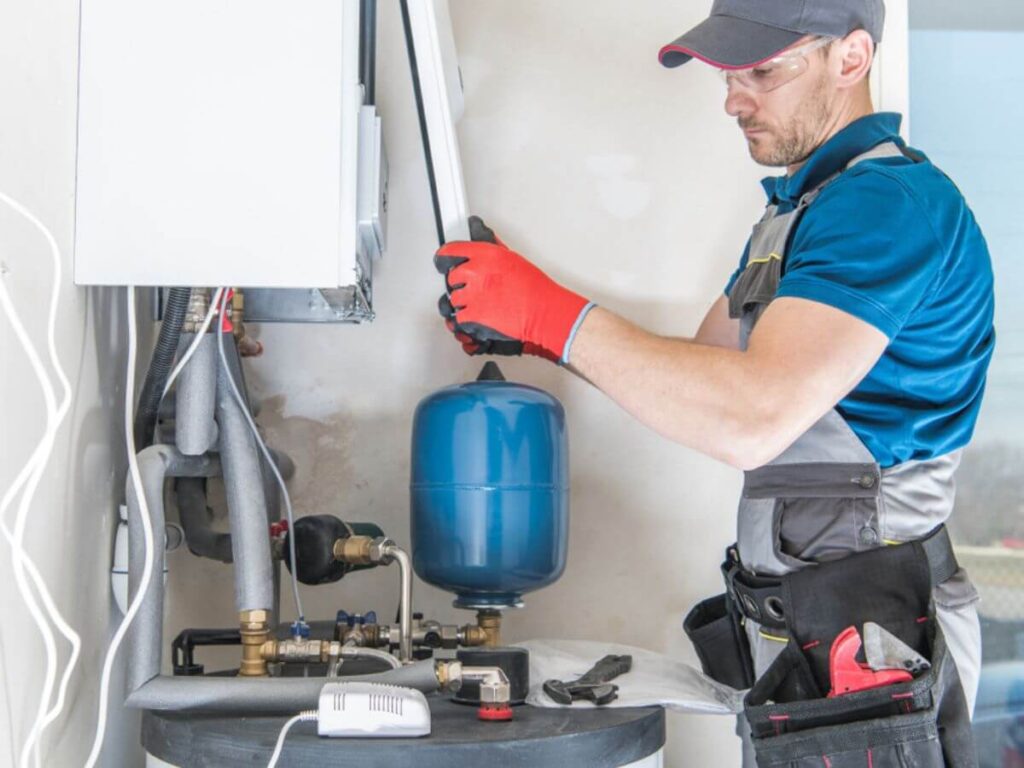
When comparing a heat pump vs furnace, it’s important to take various factors into account. These factors can differ based on your specific needs. We’ve gathered the key comparisons that we often discuss with our clients to assist them in making an informed decision.
Cost
Heat pumps tend to have higher upfront installation costs compared to furnaces. However, the potential energy savings over the long term can often offset the initial investment, making heat pumps a cost-effective choice in the long run. Furnace installation costs are lower initially but can result in higher operational expenses due to their lower efficiency and reliance on fossil fuels.
Efficiency
Heat pumps stand out for their high efficiency, particularly in moderate climates. They work by extracting heat from the surrounding air or ground and transferring it indoors. However, in extremely cold Canadian winters, heat pumps may require supplemental heating to maintain desired indoor temperatures. Furnaces are less efficient compared to heat pumps, consuming more energy and emitting higher carbon emissions. However, traditional furnaces do not require additional heating elements to maintain consistent temperatures throughout the Canadian winter.
Durability
The durability of these systems varies. Heat pumps, due to their year-round operation for both heating and cooling, generally have a shorter average lifespan of around 10-15 years. On the other hand, furnaces can last longer, potentially reaching 15-20 years with proper maintenance.
Maintenance
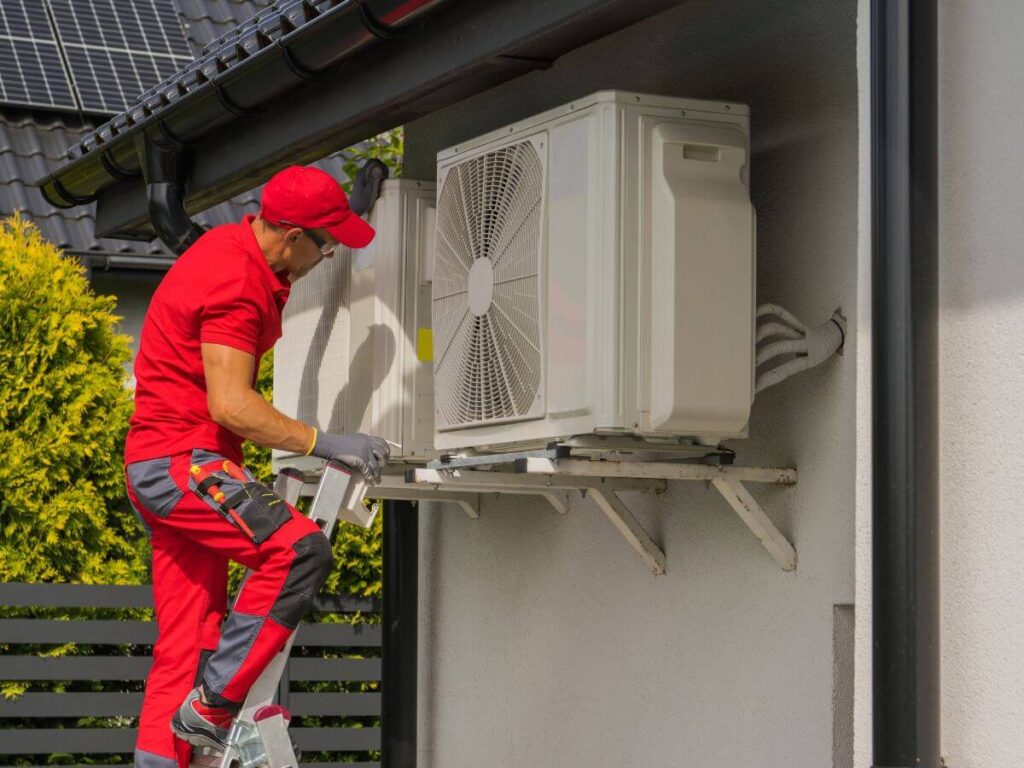
Regular maintenance is essential for both heat pumps and furnaces to ensure optimal performance and longevity. Heat pumps require upkeep for both the outdoor and indoor units, including maintaining proper airflow and checking refrigerant levels. Furnaces need regular filter changes, inspections, and cleaning to prevent issues and maintain indoor air quality.
Appearance
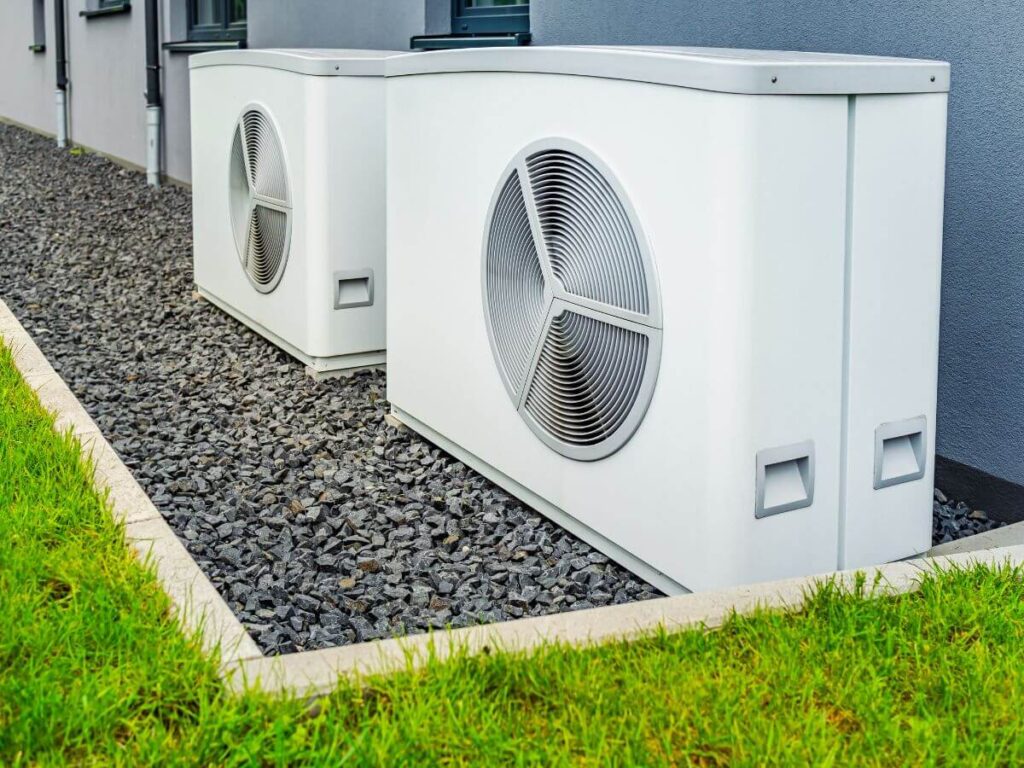
Heat pumps offer an advantage in terms of appearance, as they are more compact and require less space compared to furnaces. Both indoor and outdoor units of heat pumps are designed to be unobtrusive, blending seamlessly with the surroundings. Furnaces, being larger units, require space for both the furnace itself and a separate air conditioning system.
Canada Greener Homes Grant
For those considering energy-efficient upgrades, the Canada Greener Homes Grant provides incentives for both heat pump installation and furnace installation. However, heat pumps often receive higher rebates due to their greater efficiency and eco-friendly nature. This makes heat pumps an attractive choice for homeowners looking to reduce their carbon footprint and save on heating costs in Canadian climates.
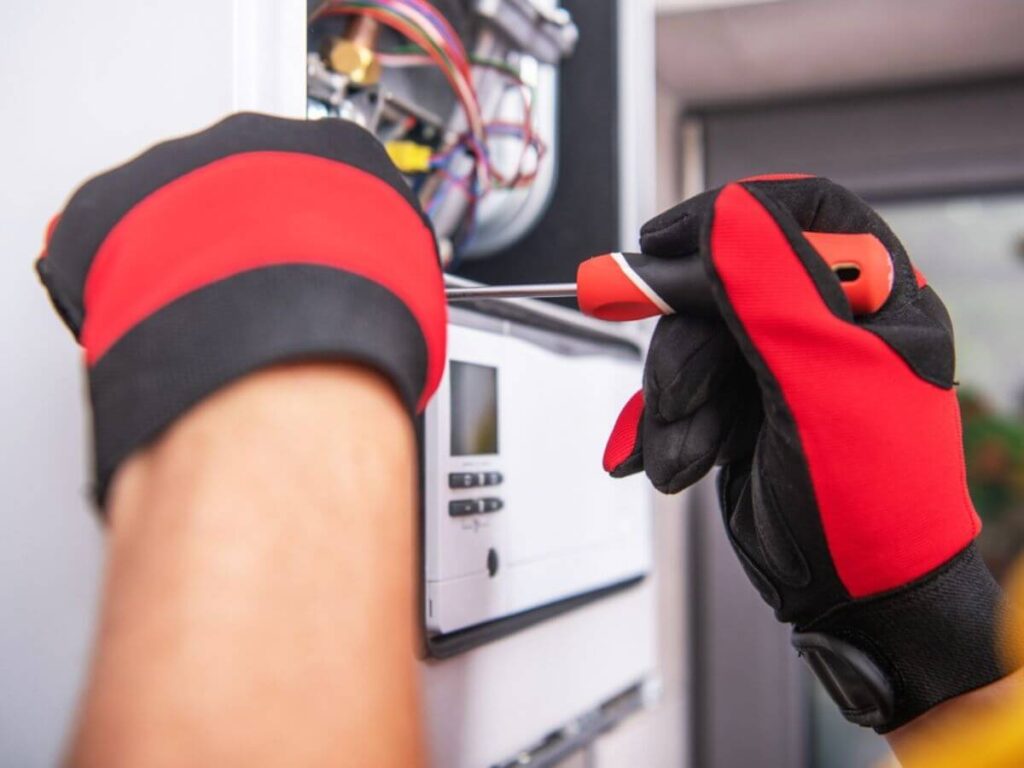
When choosing between a heat pump vs furnace for your Canadian home, factors such as efficiency, climate, initial costs, and long-term savings should guide your decision. Keep in mind that the Canadian Greener Homes Grant provides an excellent opportunity to offset costs and promote more environmentally friendly heating solutions.
Consulting with one of North Wind HVAC professionals can help you determine the best choice that aligns with your unique needs and the demands of the Canadian climate. Please don’t hesitate to give us a call to discuss your options.
✓ Expert Note — Our NATE-certified technicians have installed and serviced heat pump systems across Ontario, including cold-climate inverter-driven systems down to -30°C. The information below reflects current equipment capabilities and Ontario rebate programs as of 2025.
Frequently Asked Questions About Heat Pumps in Ontario
Do heat pumps work in Ontario winters?
Modern cold-climate heat pumps work effectively down to -25°C to -30°C. Technologies like Mitsubishi Hyper-Heat, Bosch IDS, and Carrier Infinity are specifically engineered for northern climates. That said, most Ontario homeowners use a heat pump as their primary system with a gas furnace backup (a “dual-fuel” setup), which provides excellent efficiency with full cold-weather coverage. A heat pump alone is viable in most of southern Ontario with the right equipment selection.
How much does a heat pump cost in Ontario in 2025?
A ducted air-source heat pump (replacing or supplementing a central AC) costs $4,500–$9,000 installed, depending on brand and HSPF2 rating. Cold-climate models from Mitsubishi, Carrier, or Bosch sit at the higher end. A ductless mini-split heat pump (single zone) runs $3,000–$5,500. Multi-zone ductless systems range from $7,000–$15,000+. Rebates can significantly reduce these costs – see the Greener Homes Grant and Canada HEAT programs.
What rebates are available for heat pumps in Ontario in 2025?
Several programs stack in 2025. The Canada Greener Homes Grant offers up to $5,000 for a qualifying heat pump (requires EnerGuide audit). The federal Oil to Heat Pump Affordability program offers up to $10,000 for homes heating with oil. Enbridge Gas sometimes offers additional incentives for dual-fuel setups. Some municipalities have local programs. Our team can walk you through the full rebate stack for your specific situation – this is an area where the paperwork is worth doing.
What is the difference between a heat pump and a central air conditioner?
A central air conditioner only cools. A heat pump does both – it cools in summer by moving heat out of the home, and heats in winter by extracting heat from outdoor air and moving it inside. The cooling side is essentially identical in operation and appearance. The key difference is the reversing valve in a heat pump that allows bidirectional refrigerant flow. Cost-wise, a heat pump typically costs $500–$1,500 more upfront than a comparable central AC but eliminates or reduces gas heating costs.
What HSPF2 rating should I look for in a heat pump for Ontario?
HSPF2 (Heating Seasonal Performance Factor, 2023 standard) measures heating efficiency. The new minimum in Canada is 7.5 HSPF2. For Ontario’s climate, look for a minimum of 9 HSPF2 for good performance. Cold-climate models rated 10–12 HSPF2 offer the best winter efficiency but come at a higher upfront cost. Pairing a 9.5+ HSPF2 heat pump with a gas backup furnace (dual-fuel) is the most popular and cost-effective setup for Ontario.
Can I use a heat pump as my only heating source in Ontario?
In most of southern Ontario (Toronto, GTA, Barrie area), a properly sized cold-climate heat pump can serve as a sole heating source, with standard resistance backup heating for extreme cold days. However, a dual-fuel system (heat pump + gas furnace) is generally more cost-effective because natural gas is cheaper per BTU than electricity when temperatures drop below -10°C to -15°C. The right answer depends on your specific home, utility rates, and how often you hit extreme cold.
How long does a heat pump last?
Air-source heat pumps typically last 15–20 years with regular maintenance. Because they run year-round (unlike AC-only units), annual servicing is especially important – including coil cleaning, refrigerant checks, filter changes, and defrost cycle verification. Ground-source (geothermal) heat pumps last 20–25 years for the indoor components and up to 50 years for the ground loop. North Wind HVAC services all major heat pump brands.

Written by
Oleksii Sitalo
Oleksii Sitalo is an HVAC professional with hands-on experience in heating, cooling, air conditioning, furnace systems, and home comfort solutions.
