 Proudly Canadian


 Home
Home Cooling
 Heating
 Heat Pumps
 Air Quality
 Other
Other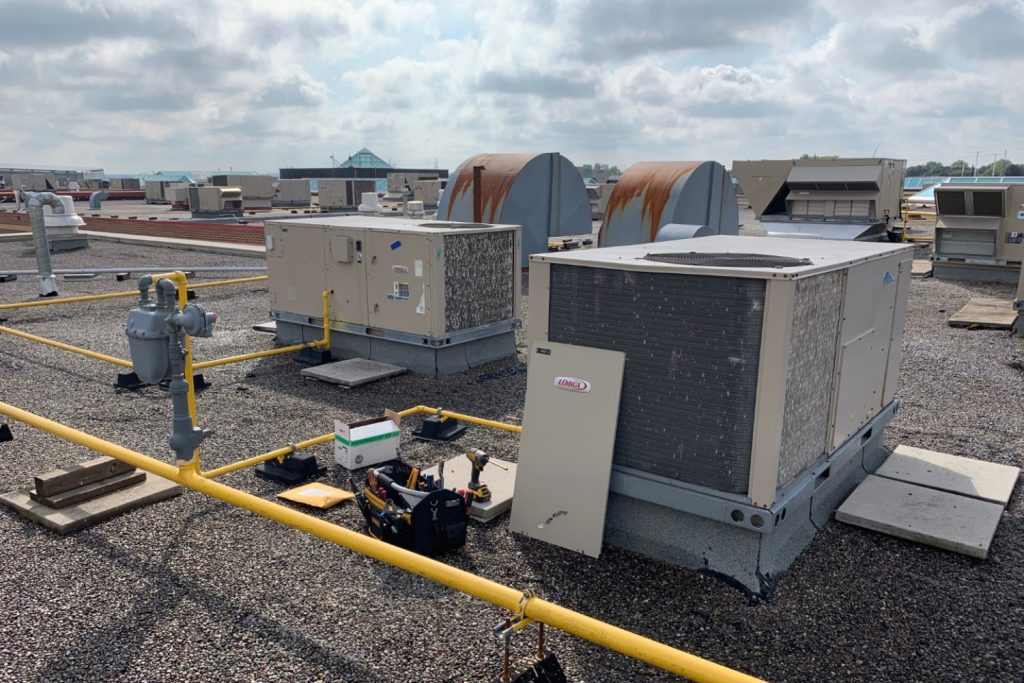
If you run a business in Ontario, you know how important it is to keep your building comfortable, safe, and up to code for your employees and customers. But when it comes to heating systems, many business owners aren’t sure what the rules actually are. This can lead to unnecessary stress and potential problems with the government when inspections come around.
We’ll discuss what you need to know before your annual commercial HVAC inspections.
Why Regulations Exist in the First Place
Before getting into the nitty-gritty, it helps to understand why Ontario has rules for commercial heating systems. Regulations are there to:
- Protect employees, tenants, and customers from unsafe conditions like gas leaks, carbon monoxide buildup, or electrical hazards
- Keep heating systems running efficiently and reduce energy waste
- Limit environmental impact, such as greenhouse gas emissions
- Guarantee businesses meet workplace safety and building code standards
If you’ve ever wondered why so many inspections and checklists exist, this is the reason! They’re not meant to slow you down or uproot your entire business, but to keep everyone (including you!) safe and your business running as it should.
<img loading="lazy" decoding="async" class="wp-image-13198 size-full" title="North Wind HVAC Blog Images commercial furnace compliance ch” src=”https://northwindhvacpro.ca/wp-content/uploads/2025/08/commercial-hvac-installation.jpg” alt=”commercial HVAC systems on a rooftop” width=”1500″ height=”1000″ srcset=”https://northwindhvacpro.ca/wp-content/uploads/2025/08/commercial-hvac-installation.jpg 1500w, https://northwindhvacpro.ca/wp-content/uploads/2025/08/commercial-hvac-installation-650×433.jpg 650w, https://northwindhvacpro.ca/wp-content/uploads/2025/08/commercial-hvac-installation-1024×683.jpg 1024w, https://northwindhvacpro.ca/wp-content/uploads/2025/08/commercial-hvac-installation-768×512.jpg 768w, https://northwindhvacpro.ca/wp-content/uploads/2025/08/commercial-hvac-installation-600×400.jpg 600w” sizes=”auto, (max-width: 1500px) 100vw, 1500px” />
The Role of TSSA in Ontario
In Ontario, the Technical Standards and Safety Authority (TSSA) covers commercial heating systems. The TSSA makes sure equipment is installed, maintained, and inspected properly. They enforce the Ontario Fuel Safety Code, which is the main set of rules businesses need to follow.
At the end of the day, the TSSA has the final say on whether or not your commercial heating equipment is compliant. Ignoring the rules can lead to fines, shutdowns, or even liability if something goes wrong.
Common Furnace Requirements Businesses Need to Know
So, what do you actually need to do to stay compliant with Ontario commercial furnace regulations? Here are the four things to keep in mind as a business owner:
1. Annual Inspections Are a Must
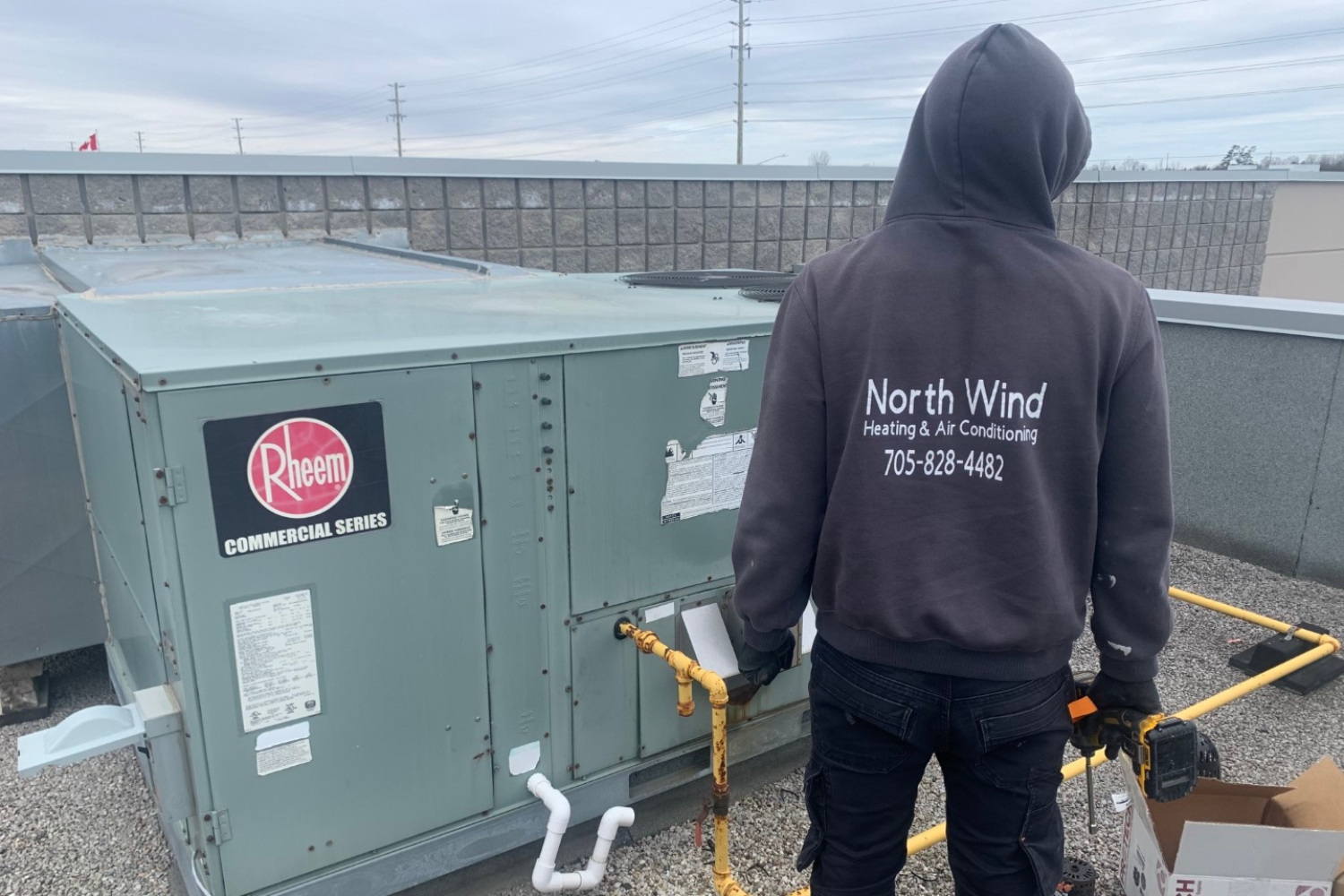
Commercial furnaces must be checked by a licensed HVAC professional every year. We’re not just suggesting this either; it’s a legal requirement that your furnace is checked every year. Annual inspections help catch safety risks early, like gas leaks, ventilation issues, or worn-out components.
2. Check for Proper Ventilation
Ontario’s regulations are very clear about ventilation. A furnace that isn’t vented correctly can lead to carbon monoxide buildup, which is extremely dangerous. Breathing in carbon monoxide can make people dizzy, nauseous, or confused. With high amounts ingested, it can be life-threatening. If your building has been renovated or walls have been moved, your venting system may need to be updated to make sure that no dangerous gases are accumulating where they can harm people.
3. Equipment Must Meet Efficiency Standards
Over the years, Ontario has raised the bar for energy efficiency. Commercial furnaces need to meet certain performance ratings to reduce wasted fuel. If your system is outdated, you may need to upgrade or make adjustments to stay compliant. Here’s a quick chart to show you the efficiency required depending on the system you have:
| Furnace Type | Minimum Efficiency Required | What That Means |
| Commercial Gas Furnace | At least 81% efficient | Out of 100 units of fuel, at least 81 must turn into heat for your building. |
| Commercial Oil Furnace | At least 82% efficient | Slightly better than gas, 82 out of 100 units of fuel must become heat. |
| Newer Small Gas Furnaces | Up to 95% efficient | These are the super-efficient ones; almost all the fuel you pay for becomes heat. |
4. Maintenance Records Need to Be Kept
Just getting inspections won’t cut it; you have to keep records and tabs of all the things you get done. Businesses are expected to document when maintenance and safety checks are done, who did them, and what was repaired or updated. Having the proof of work on hand shows that you’re serious about HVAC compliance.

Penalties for Commercial Furnace Non-Compliance
As expected, not following the rules can have serious consequences that will affect your business. The TSSA has the authority to:
- Shut down your equipment until issues are entirely fixed
- Issue fines for unsafe practices
- Increase insurance costs or deny coverage if your system isn’t compliant
The biggest risk, though, is safety. A non-compliant furnace can put your staff and customers in danger, which is a problem in itself.
Signs Your Furnace May Be Out of Compliance
Sometimes, you can spot potential issues before an inspector even visits your building. Here are a few warning signs that your furnace might not meet Ontario’s standards:
- Unusual odors: Smelling gas or burning odors could point to leaks or mechanical problems. If you’re smelling rotten eggs, sulphur, or skunk, this might mean a leak has ensued.
- Uneven heating: If some rooms are too hot while others stay cold, there’s probably an underlying issue that has to do with efficiency or electrical components.
- Frequent shutdowns or error codes: While one of these is already a problem, too many can mean something bigger.
- No recent inspection records: If it’s been more than a year since your last check, you’re already out of compliance. Book an appointment as soon as possible.
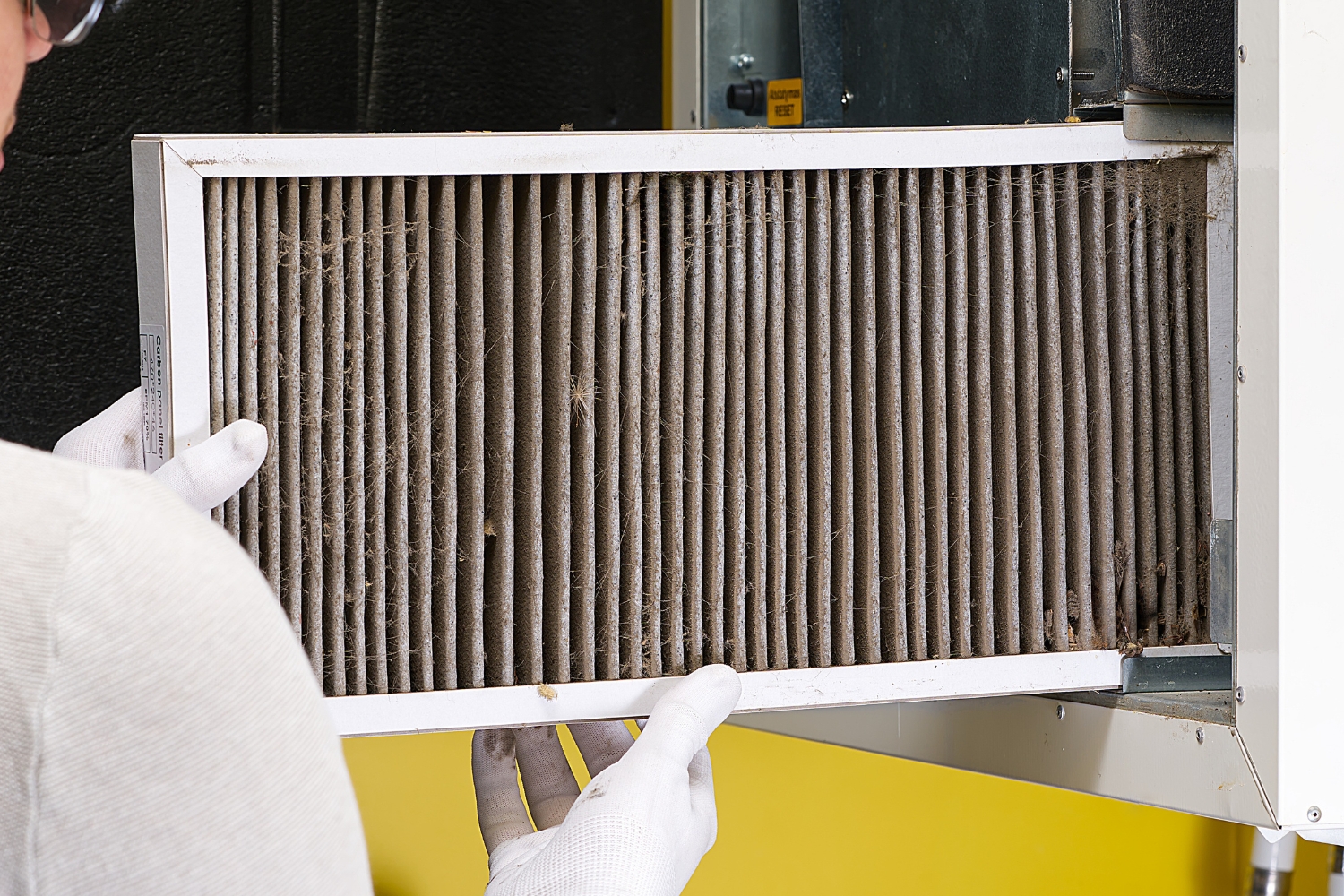
- Poor air quality: Stale air, excess dust, or inadequate ventilation can signal a bigger problem with your system.
If you notice any of these issues, it’s worth bringing in a licensed professional before they escalate into fines or shutdowns.
How to Stay Ahead of the Rules
Staying compliant shouldn’t be treated as a chore that you dread. You should be making active contributions to guaranteeing that your system is safe. Here are some easy steps you can take:
- Schedule inspections in advance: Don’t wait until the middle of winter. Book annual checks ahead of time, for example, during early September or October before heating is needed), to avoid delays.
- Work with licensed professionals: Only qualified technicians like North Wind can complete safe furnace repairs, inspections and validate your system’s compliance.
- Keep yourself updated on changes: Regulations can change. Keeping in touch with the TSSA or your HVAC provider helps you stay ahead of new requirements.
- Train your staff: Make sure your building managers or maintenance team know what to look out for and how to respond to issues. That way, any problems can be addressed ASAP.
- Budget for upgrades: If your furnace is older, plan for eventual replacement or retrofits to meet efficiency standards.
Make these steps a part of your routine, and you’ll find it much easier to stay compliant with Ontario commercial furnace regulations year after year.
Making Compliance Work For You
Staying on top of Ontario’s commercial furnace regulations may sound complicated and scary, but once you break it down, it’s really about safety, efficiency, and good recordkeeping. Make sure you contact your local HVAC provider so you can stay compliant with Ontario commercial furnace regulations and avoid paying hefty fines out of pocket.
✓ Expert Note — Our commercial HVAC team has serviced and installed systems in office buildings, warehouses, restaurants, and retail spaces across the GTA. The compliance information below is current as of 2025 Ontario regulations.
Frequently Asked Questions About Commercial HVAC in Ontario
What are the TSSA requirements for commercial furnaces in Ontario?
The Technical Standards and Safety Authority (TSSA) regulates natural gas equipment in Ontario under the Technical Standards and Safety Act. Commercial gas furnaces and HVAC systems must be installed and serviced by TSSA-licensed Gas Technicians. All commercial gas appliances require a valid installation permit, and equipment must comply with CSA B149.1 (Natural Gas and Propane Installation Code). Annual inspections are strongly recommended and required by most commercial insurance policies.
How often should a commercial HVAC system be serviced?
Commercial HVAC systems should be serviced at minimum twice per year: once in spring (pre-cooling season) and once in fall (pre-heating season). High-demand environments like restaurants, data centres, or manufacturing facilities may require quarterly service. Regular commercial HVAC maintenance includes filter replacement, coil cleaning, refrigerant checks, belt and bearing inspection, and controls calibration. Neglected maintenance is the leading cause of premature equipment failure and emergency breakdowns.
What commercial HVAC systems are best suited for Ontario’s climate?
For Ontario’s mixed climate, the most common commercial systems are: rooftop packaged units (RTUs) for small to mid-size commercial buildings, Variable Refrigerant Flow (VRF) systems for multi-zone office buildings, commercial heat pumps for buildings looking to reduce gas consumption, and hydronic (hot water) boiler systems for large commercial or industrial spaces. The best choice depends on building size, usage pattern, existing infrastructure, and energy costs.
What indoor air quality standards apply to commercial buildings in Ontario?
Ontario follows ASHRAE Standard 62.1 for ventilation and indoor air quality in commercial buildings. This standard specifies minimum outdoor air ventilation rates by occupancy type. The Ontario Building Code also references ASHRAE 90.1 for energy efficiency in HVAC systems. Post-COVID, many building operators have increased ventilation rates and added HEPA or MERV-13 filtration, UV air purification, and demand-controlled ventilation (DCV) to improve occupant health and safety.
How do I choose the right commercial AC unit size for my Ontario business?
Commercial AC sizing requires a proper Manual J (or ACCA) heat load calculation accounting for building envelope, internal heat gains (equipment, lighting, people), ventilation requirements, and local climate data. A common rough estimate is 1 ton per 300–500 square feet for office space, but this varies significantly by use type. A restaurant kitchen or server room requires far more cooling per square foot than a standard office. Always have a licensed HVAC engineer or contractor perform a proper load calculation.
Are there energy rebates for commercial HVAC upgrades in Ontario?
Yes. The Save on Energy Industrial Accelerator and Business programs (run by the Independent Electricity System Operator, IESO) offer incentives for commercial equipment upgrades that reduce electricity consumption. Enbridge Gas offers commercial prescriptive rebates for high-efficiency heating equipment. The Canada Greener Buildings Initiative supports large commercial retrofits. Our commercial team can help identify applicable programs for your building type and upgrade scope.
What is the difference between commercial and residential HVAC?
Commercial HVAC systems are larger, more complex, and often modular. Key differences: commercial systems are typically installed on rooftops (packaged rooftop units), use higher-voltage electrical systems (208V or 480V three-phase), require more complex controls and zone management, and must meet more stringent ventilation standards (ASHRAE 62.1). Maintenance and installation require commercial-specific licensing and experience. Residential HVAC companies are not always equipped to handle commercial systems – verify your contractor’s commercial experience before engaging them.

Written by
Oleksii Sitalo
Oleksii Sitalo is an HVAC professional with hands-on experience in heating, cooling, air conditioning, furnace systems, and home comfort solutions.
