 Proudly Canadian


 Home
Home Cooling
 Heating
 Heat Pumps
 Air Quality
 Other
Other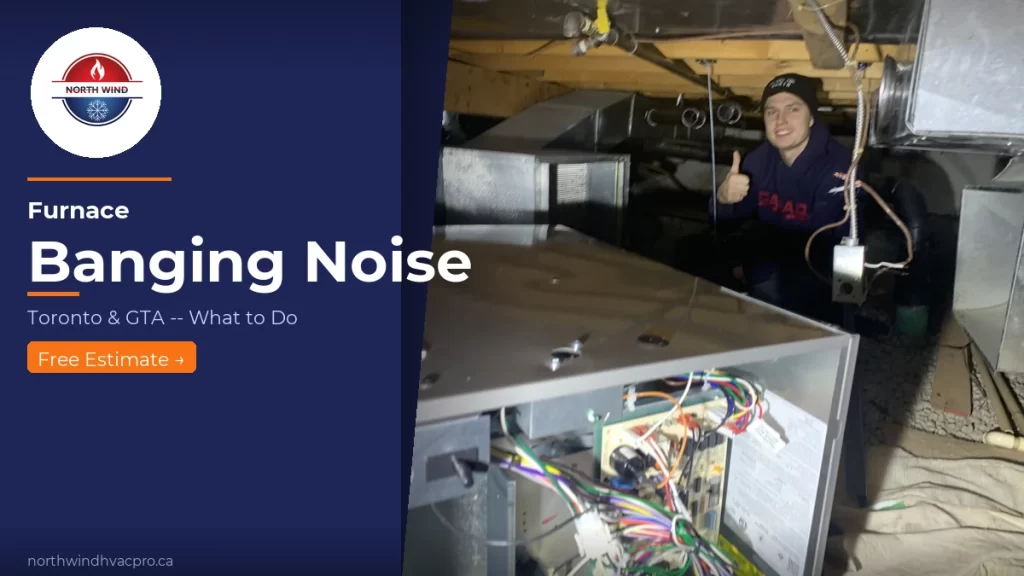
If your furnace is making a banging noise, the sound pattern itself tells you a lot about what is wrong. A banging sound from your furnace is something most homeowners hear at least once. Sometimes it is a one-time thump at startup that never comes back. Other times it is a consistent bang on every cycle, which is the furnace telling you something is wrong. The sound itself is a clue: different banging patterns point to different problems, and some of them are serious enough to warrant turning the system off and calling a technician that day.
This post covers the seven most common causes of furnace banging, what each one sounds like, how urgent it is, and what it costs to fix. If you need a furnace technician in the GTA today, NorthWind offers same-week service.
In this article
Delayed ignition (the most serious cause)
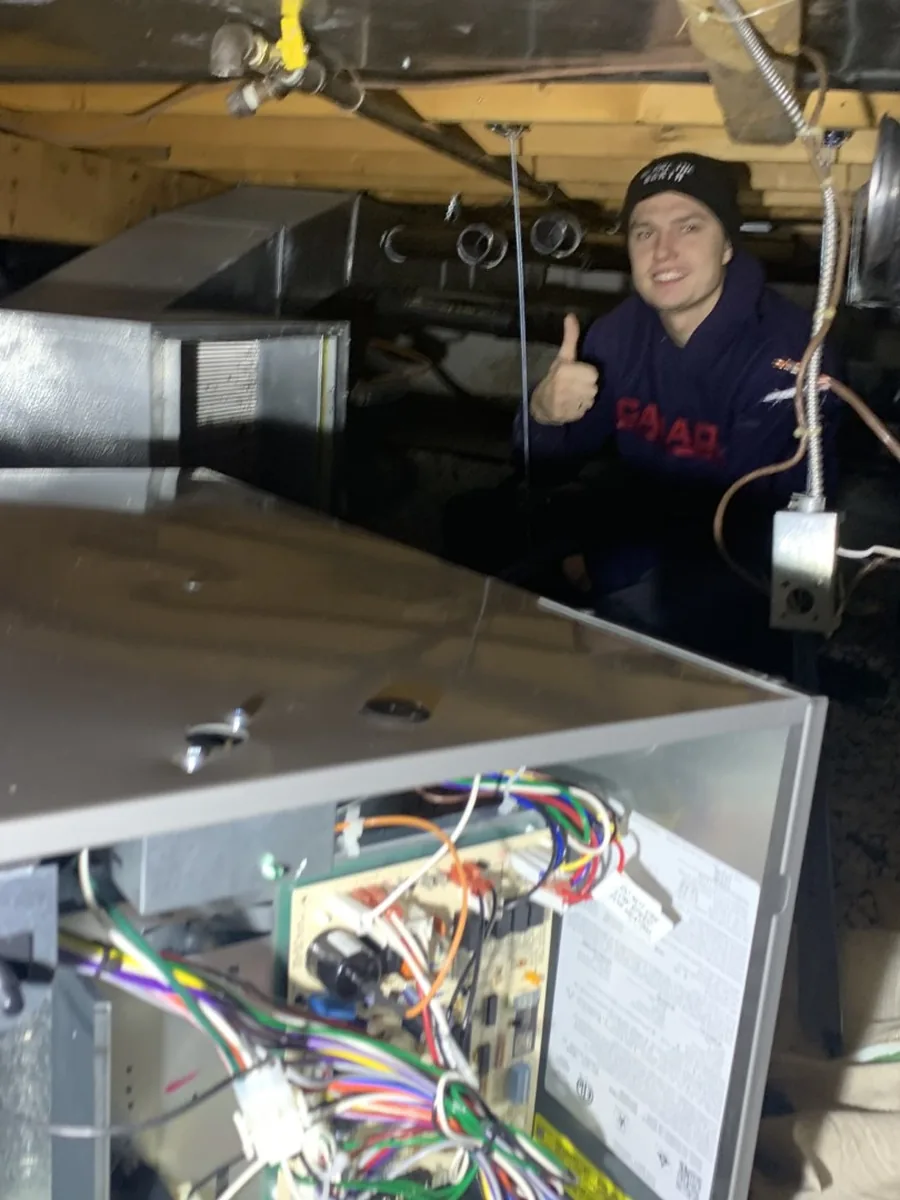
Delayed ignition is the cause most technicians are most concerned about. It happens when gas builds up in the burner chamber before igniting. When the burner finally lights, the accumulated gas ignites all at once with a noticeable bang or boom. This is not just a nuisance. Repeated delayed ignition puts significant thermal stress on the heat exchanger, and a cracked heat exchanger is a CO risk.
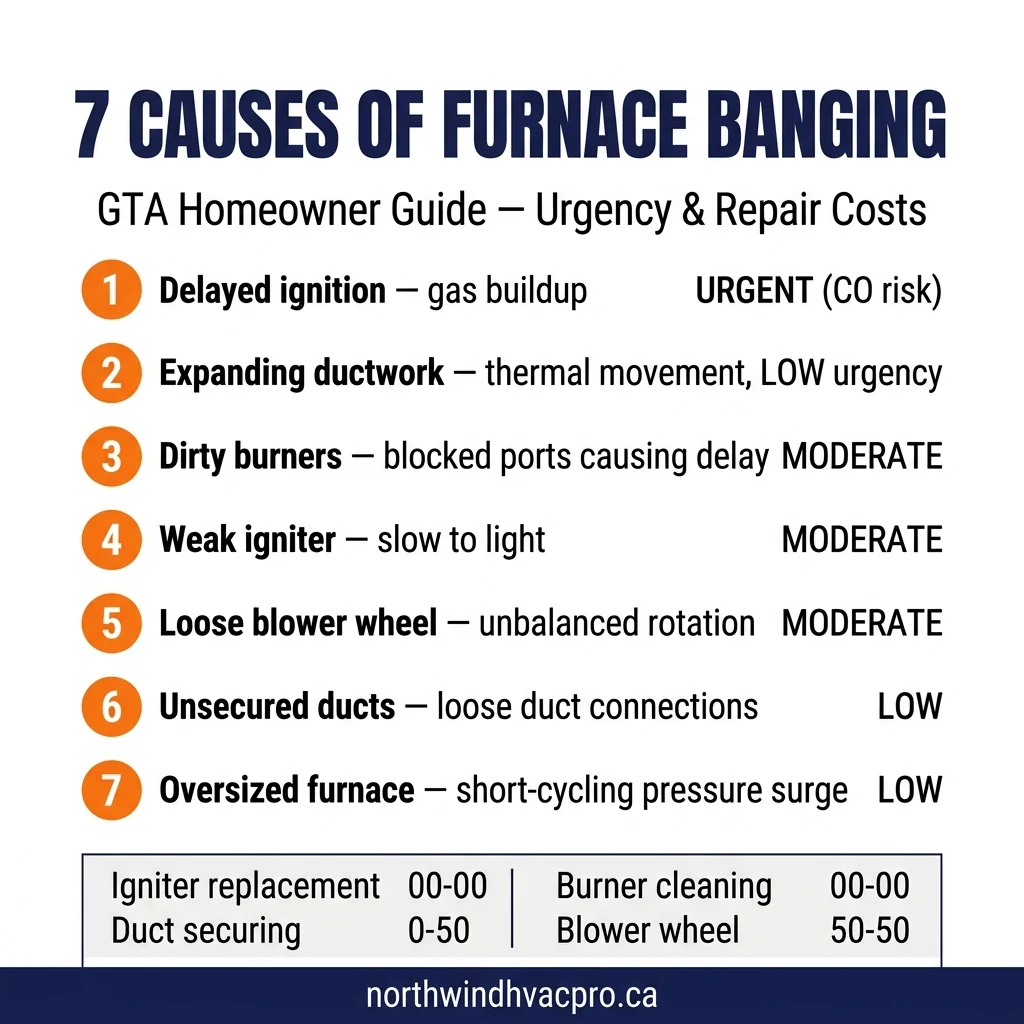
Causes of delayed ignition include dirty burner ports that are partially blocked, a weak or failing igniter that takes too long to re ach ignition temperature, or a gas valve that opens slowly. If your furnace bangs at startup and the bang sounds like a small explosion rather than a structural knock, this is the first thing a technician should check.
Expanding and contracting ductwork
This is one of the more benign causes of banging. Sheet metal ducts expand when the furnace heats up and contract when it cools down. In homes with older or undersized ductwork, that movement produces a pop or bang that can be quite loud. It typically happens at startup and again after the furnace shuts off.
The fix depends on the ductwork. Sometimes it is as simple as adding a flexible connector between the furnace and the duct run. In other cases, the ductwork itself is undersized for the system and the noise is a symptom of a pressure problem. A technician can assess whether the ductwork is adequately sized during a service call.
Loose panels or components
Furnace cabinets have access panels that can vibrate loose over time. A panel that is not properly secured will rattle or bang when the blower runs. This is the most benign cause on this list and is usually a simple fix: identify which panel is loose and either tighten the screws or add a small piece of weather stripping to eliminate the vibration.
Check around the blower compartment and the burner compartment access panels while the furnace is running. If touching the panel makes the noise stop or change, you have found the source.
Dirty burners
Burners that have accumulated dust, scale, or debris burn unevenly. The flame pattern becomes irregular and the combustion process is less clean. This can produce intermittent popping or banging sounds that are different from the sharp startup bang of delayed ignition — more of a repeated popping while the furnace is running.
Dirty burners are addressed during a professional furnace tune-up. A technician will remove the burners, clean the ports, and confirm even flame distribution before reinstalling. This is one of the things that gets done preventively every fall rather than reactively when a problem develops.
Closed supply vents
Closing supply vents in unused rooms is a common habit that causes more problems than it solves. When vents are closed, the system is pushing air through a reduced number of outlets. The static pressure in the ductwork increases, which causes the ducts to flex and can produce banging or popping as the pressure fluctuates during each cycle.
The fix is to keep supply vents open. If you want to manage temperature in specific rooms, a zoned HVAC system handles this properly without the pressure issues that come from manually closing vents.
Undersized return air ductwork
Return air ducts pull air back to the furnace from the living space. If the return is too small for the blower, the system runs at high negative pressure on the intake side. This causes the furnace cabinet to flex slightly with each cycle and can produce banging sounds. It also causes the furnace to work harder than it needs to, which shortens component life.
This is a design issue that cannot be solved without modifying the ductwork. A duct specialist can assess whether the return is appropriately sized relative to the blower and make recommendations. See our GTA HVAC service guide for more on system balance.
Blower wheel issues
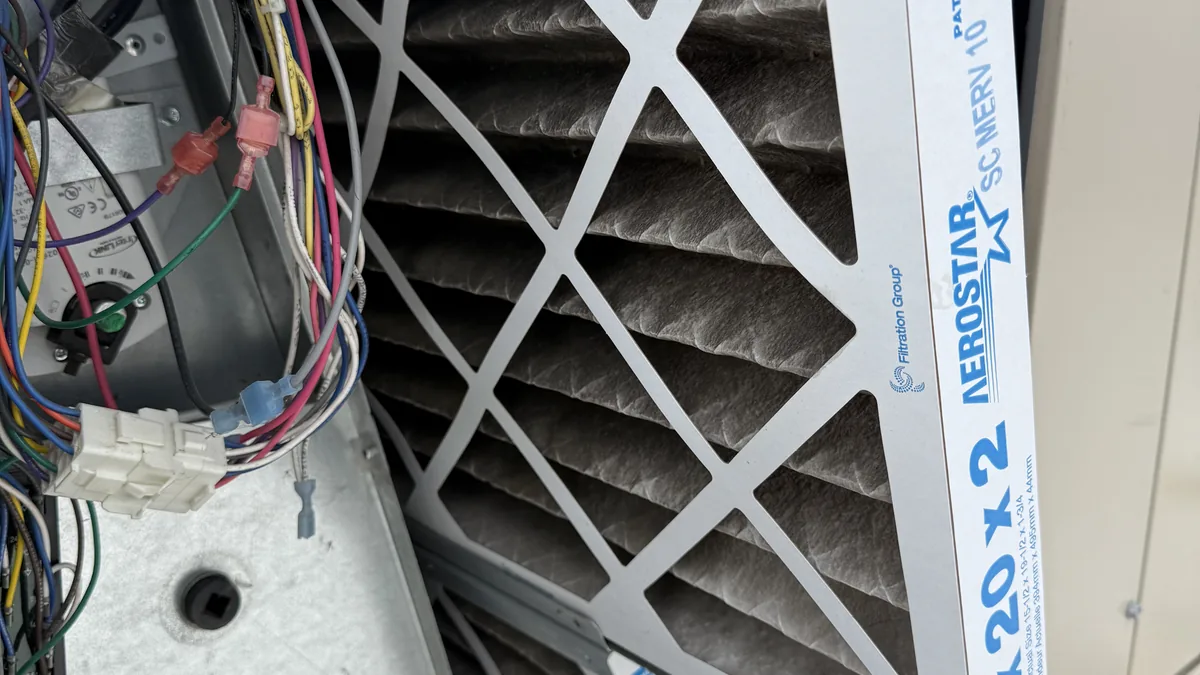
The blower wheel (the fan inside the air handler) can accumulate enough dust and debris to become unbalanced. An unbalanced blower wheel causes vibration that can produce banging or knocking sounds, especially at startup and shutdown when the motor is accelerating or decelerating. It can also cause the wheel to contact the housing, which produces a rhythmic banging.
Blower wheel cleaning is part of a professional tune-up. A severely unbalanced or damaged wheel will need to be replaced. Replacement blower wheels typically cost $200 to $400 installed depending on the unit.
Furnace repair costs for banging issues
What you pay depends on the cause:
| Issue | Estimated cost (GTA) |
|---|---|
| Burner cleaning (tune-up) | $100 to $175 |
| Duct flex connector addition | $150 to $300 |
| Loose panel fix | Usually covered in diagnostic fee |
| Igniter replacement | $150 to $275 |
| Blower wheel cleaning | Included in tune-up |
| Blower wheel replacement | $200 to $400 |
| Gas valve adjustment or replacement | $200 to $500 |
Service areas
- Vaughan
- Mississauga
- Brampton
- Markham
- Richmond Hill
- Scarborough
- Etobicoke
- Aurora and Newmarket
- Oakville and Burlington
- Ajax, Pickering, and Whitby
Book furnace repair in the GTA
NorthWind offers same-week service across the GTA. Free estimates on all furnace repair service calls.
