 Proudly Canadian


 Home
Home Cooling
 Heating
 Heat Pumps
 Air Quality
 Other
Other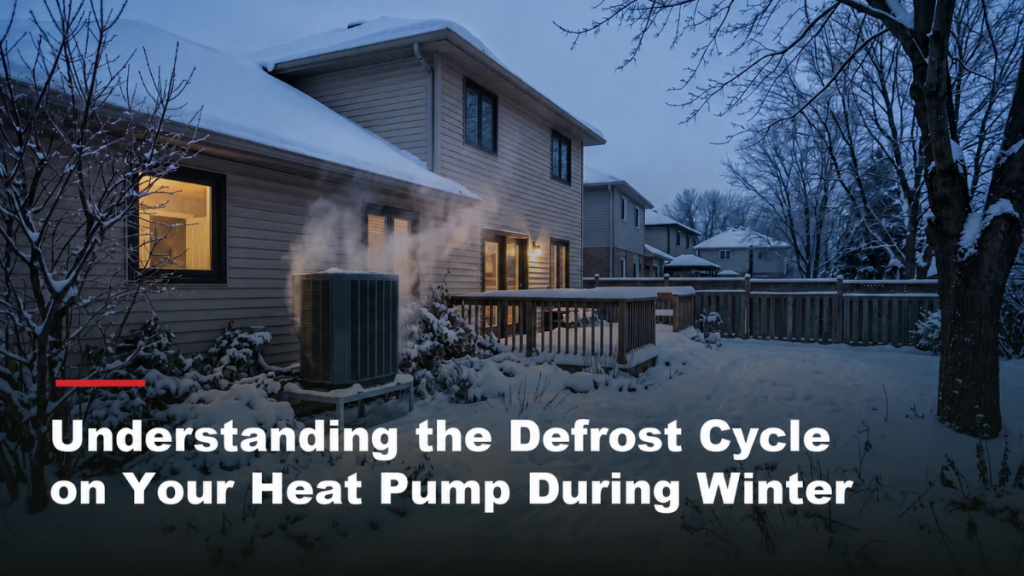
Why does your heat pump suddenly blow cool air, hiss, and send steam off the outdoor unit on a freezing winter afternoon? In most cases, the system is working properly. You are simply watching the heat pump defrost cycle clear frost off the outdoor coil so the unit can continue heating your home. Understanding this normal winter operation helps you avoid unnecessary calls for heat pump repair service.
Seeing steam rise off a outdoor unit can be alarming, but understanding what triggers defrost mode and what to expect during operation makes winter heating performance clear and predictable.
What the Heat Pump Defrost Cycle Actually Is
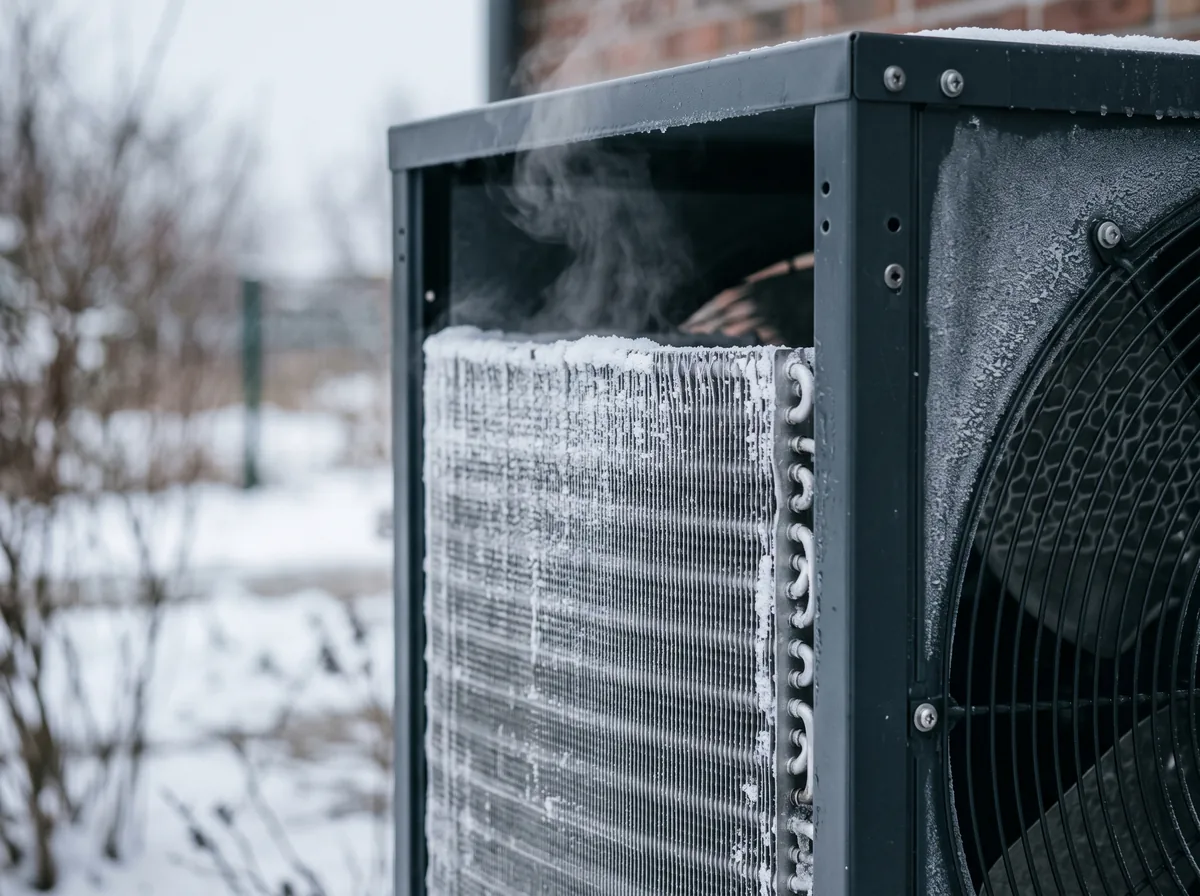
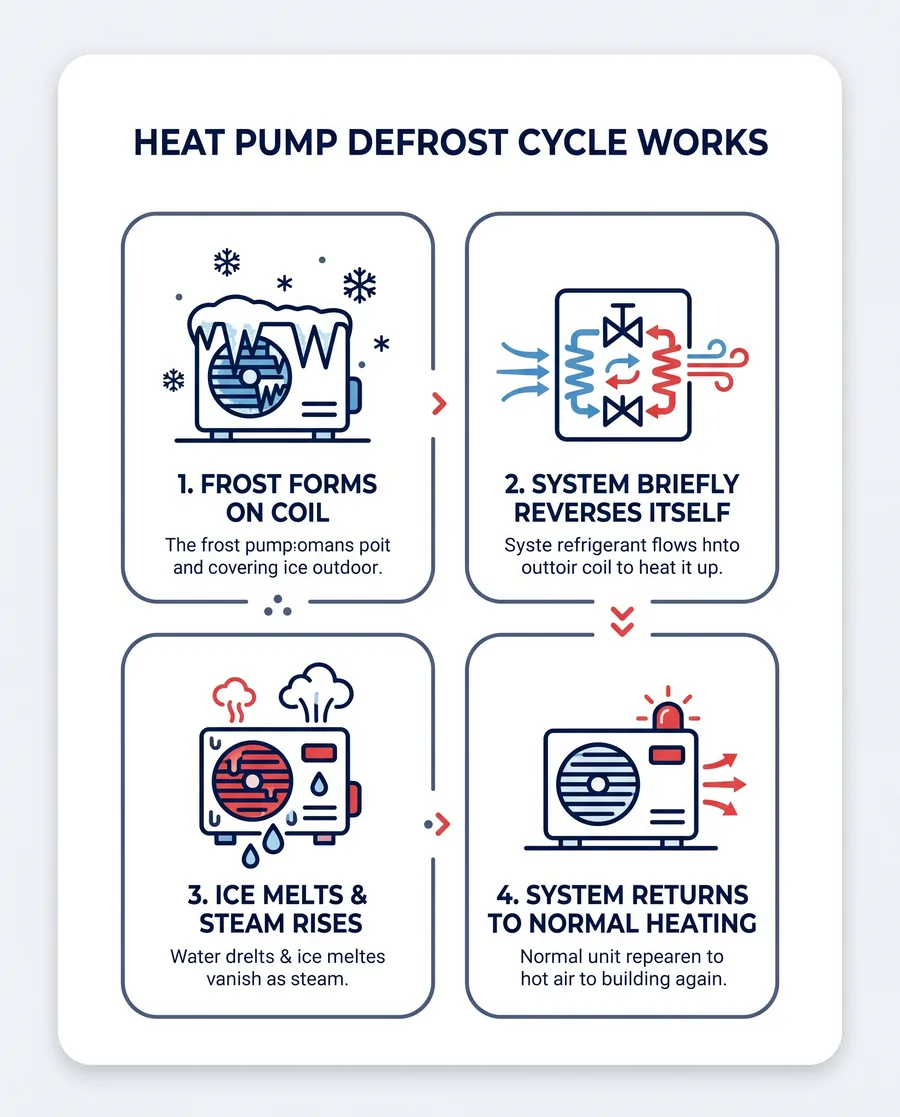
Heat pumps extract heat from cold outdoor air and move it indoors. To extract this warmth, the system cools the outdoor coil below the surrounding air temperature. When outdoor air drops near freezing and moisture is present, frost naturally accumulates on the coil surface.
A thin layer of frost is normal, but heavy ice blocks airflow and stops heat transfer. The heat pump defrost cycle resolves this by temporarily reversing refrigerant flow, warming the outdoor coil to melt built-up ice before returning to heating mode.
Why Outdoor Coils Frost Up in Winter
Frost accumulates fastest between 0°C and 5°C (32°F to 41°F) when relative humidity is high. Cold, damp winter air creates more frost than dry sub-zero weather. Consequently, your system may run several short defrost cycles during damp or snowy weather and rarely enter defrost mode during dry cold snaps.
According to Natural Resources Canada, cold-climate heat pumps are designed to draw heat from outdoor air well below freezing, making automated frost removal a essential part of standard winter operation.
How the System Enters Defrost Mode
Modern heat pumps evaluate outdoor coil temperature and airflow restriction to start defrosting automatically. When sensors detect frost, the system engages the reversing valve, stops the outdoor fan, and routes warm refrigerant through the outdoor coil until the ice melts.
Did You Know?
During a heat pump defrost cycle, the unit briefly turns on auxiliary electric heat to ensure indoor air coming through your vents remains comfortable.
What You Will Notice During a Defrost Cycle
Indoors, a defrost cycle produces subtle changes. Supply air from vents may temporarily feel cooler, and you might hear a brief hiss when the reversing valve switches modes.
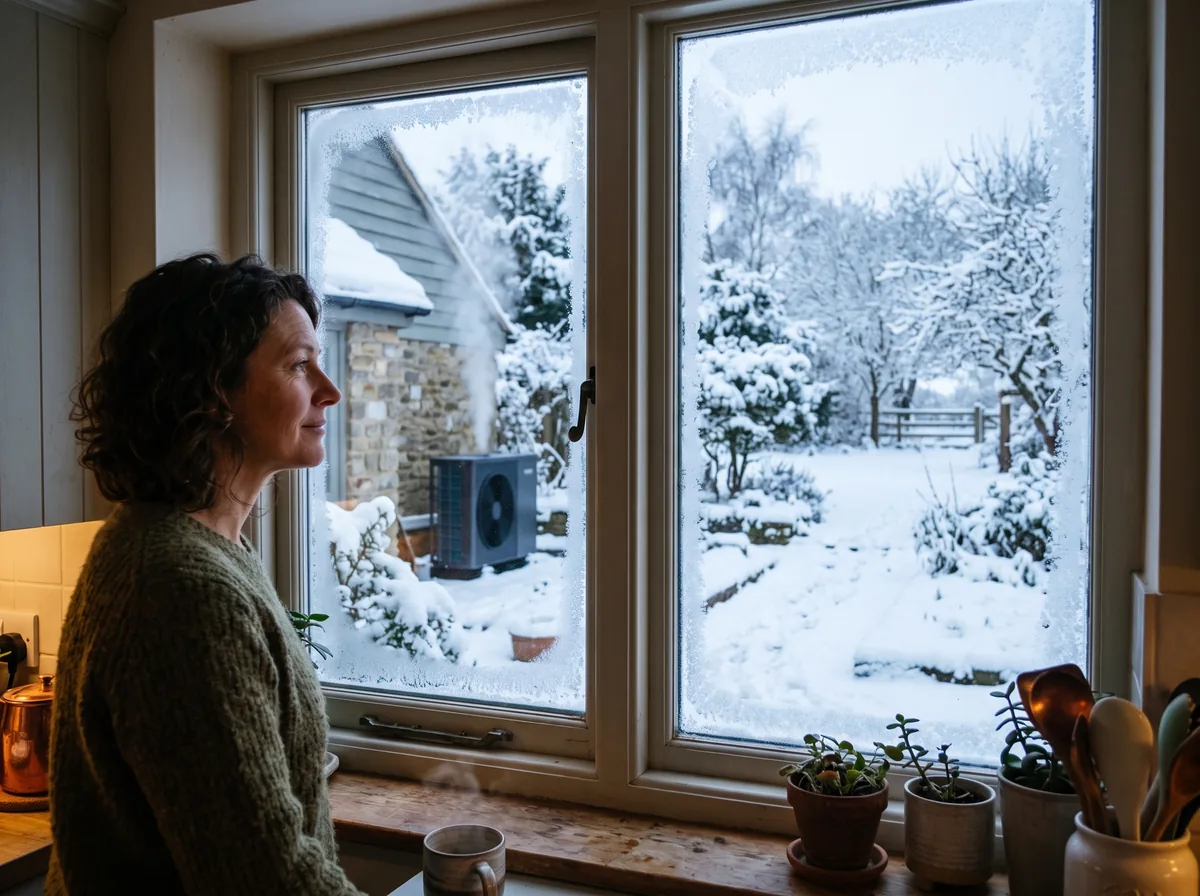
Outdoors, steam rising off the heat pump is simply melted frost evaporating into cold air. This steam stops within a few minutes once the cycle finishes and the outdoor fan turns back on.
People Often Ask
Is steam coming off my heat pump dangerous? No. Steam indicates that accumulated frost is melting as intended. A unit that runs, steams briefly, and returns to heating mode is operating correctly.
How Long a Normal Defrost Cycle Should Take
A standard heat pump defrost cycle lasts between 5 and 10 minutes. On humid, near-freezing days, defrosting may occur every 30 to 90 minutes. In dry conditions, the system may run for hours without needing to defrost.
Good to Know
Defrost timing varies based on climate, settings, and equipment specs. If your heat pump stays frozen or cycles continuously, request an HVAC control inspection.
When Frequent or Long Cycles Signal a Real Problem
While brief defrosting is normal, specific symptoms point to an underlying component failure:
- Coil stays encased in ice: Heavy ice remains on the outdoor unit after the cycle finishes.
- Stuck in defrost mode: The unit runs in defrost mode for longer than 15 minutes without returning to heat mode.
- No defrosting during frost conditions: Heavy frost builds up during damp winter weather, but the unit never defrosts.
- Loud mechanical noise: Harsh grinding or loud clunking sounds occur during mode transitions.
These issues typically stem from a faulty defrost sensor, malfunctioning control board, failed reversing valve, or low refrigerant levels.
What to Do If You Think the Cycle Is Not Working Right
Observe system performance before calling for service. Note how often the outdoor unit defrosts, whether steam forms, and if indoor set temperatures are maintained. If the outdoor coil remains completely frozen, switch off the system and schedule professional service. For aging units with repeating failures, review professional heat pump replacement options.
Frequently Asked Questions
Is it normal for a heat pump to blow cool air for a few minutes?
Yes. During defrosting, the system briefly reverses refrigerant flow to warm the outdoor coil, which can momentarily lower indoor air supply temperatures.
Why is there steam coming off my outdoor heat pump unit?
Steam forms when melted frost evaporates off the outdoor coil. This stops within a few minutes once normal fan operation resumes.
How often should a heat pump initiate a defrost cycle?
Frequency depends on humidity and temperature. High humidity near freezing can trigger cycles every 30 to 90 minutes, whereas dry cold snaps require far fewer cycles.
Can frequent defrosting damage a heat pump?
No. Standard defrosting protects your equipment from ice accumulation. However, continuous cycling due to sensor faults requires inspection.
Does defrost mode mean my heat pump is struggling in winter?
No. Defrosting is an automated feature engineered to preserve system efficiency in cold weather conditions.
Download the Free Quick Guide
Learn how the defrost cycle operates, what sounds and visuals are normal, and when to call a technician.
