 Proudly Canadian


 Home
Home Heating
 Cooling
 Heat Pumps
 Air Quality
 Other
OtherHVAC Tips and Tricks
7 Easy Steps for Your Furnace Troubleshooting Guide
Feb
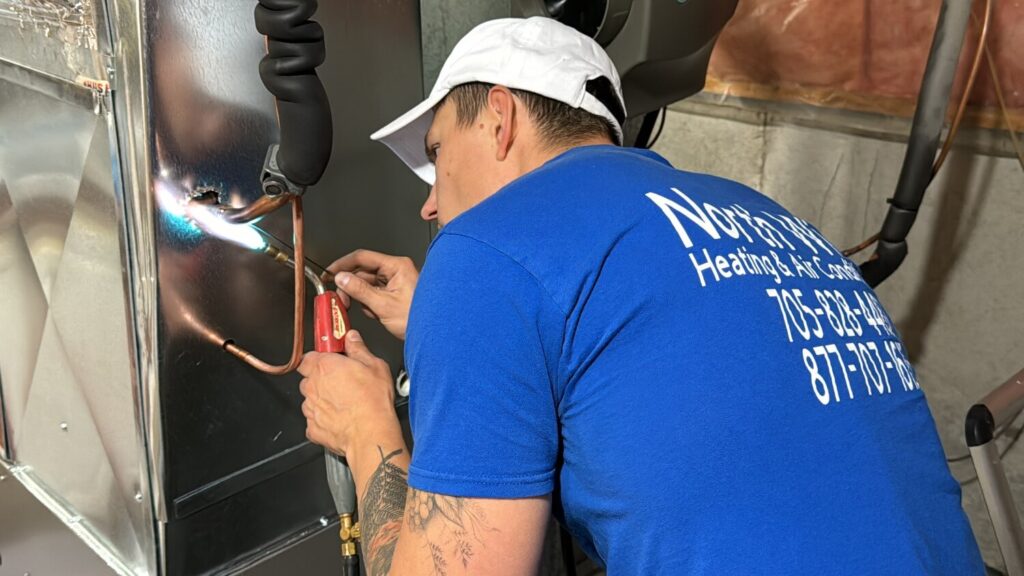
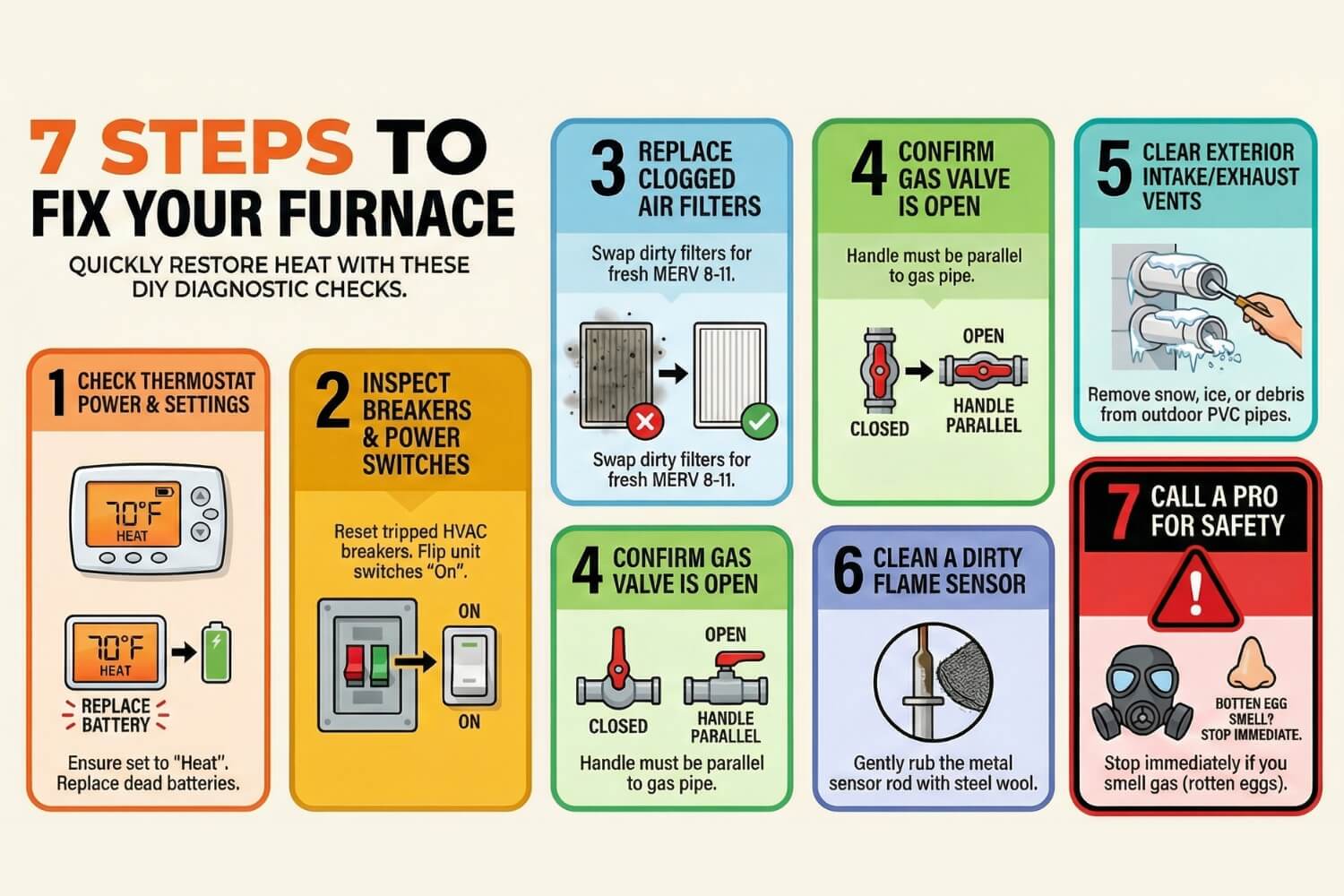
If you need a reliable furnace troubleshooting guide, start by checking your thermostat batteries and verifying the breaker panel is on. Next, replace dirty air filters, ensure the gas valve is open, clear outdoor exhaust vents, and wipe the flame sensor. Call a professional if these basic steps fail.
Step 1: Verify Thermostat Settings and Power
Why is my heating system not responding to the thermostat?
Homeowners often overlook the most basic explanations when their home gets cold. Your thermostat acts as the brain for your entire climate control setup using a low 24-volt electrical circuit. If it sends the wrong signal, your heater will simply sit idle.
First, confirm that the thermostat is actually set to “Heat” rather than “Cool” or “Off” by mistake. Next, check the temperature setting to ensure it is higher than the current room temperature. If the screen is entirely blank, you likely have a dead battery.
How to Check and Replace Thermostat Batteries
- Remove the faceplate gently from the wall mount.
- Swap out the old AA or AAA batteries for fresh ones.
- Wait one minute for the digital display to reboot and try calling for heat again.
What Homeowners Should Look Out For
Look out for a flashing “low battery” indicator icon on your display or check if the system was accidentally bumped into “Fan Only” mode.
Step 2: Inspect the Electrical Panel
Where should I check for tripped breakers or power switches?
Even gas heaters require electricity to run the blower motor, circuit boards, and igniter. A minor power interruption will shut down the entire operation completely. You can easily jumpstart your heating system repair by following the electrical path.
Look for a standard light switch located on the side of your unit or on a nearby wall. This is the main power switch for the whole system. Someone may have accidentally flipped it off while grabbing items from the basement.
How to Reset Your Furnace Breaker
- Locate the main breaker box in your home.
- Find the specific switch labeled “HVAC” or “Heating”.
- If it has flipped to the middle neutral position, push it firmly to “Off” and then snap it back to “On”.
Is it Safe for Homeowners to Check?
Yes. Resetting a tripped breaker or flipping a wall switch is completely safe. However, never unscrew the panel cover to expose the internal wiring of your breaker box.
Step 3: Replace Dirty Air Filters
How does a clogged air filter stop a heater from working?
Your system needs to breathe easily to push warm air throughout your home. A clogged filter chokes the airflow entirely. This causes the internal components to rapidly overheat and triggers an automatic safety shutdown.
When selecting a replacement, follow residential guidelines from the Department of Energy for optimal airflow. Standard MERV 8 to MERV 11 filters are the ideal choice for residential homes. Upgrading to a heavily pleated MERV 13 filter might seem smart for air quality, but it can severely restrict airflow and burn out your blower motor.
How to Change Your Furnace Air Filter
- Turn off your furnace at the thermostat.
- Locate the filter slot, usually found where the return air duct meets the furnace.
- Slide out the old filter and note the direction of the airflow arrows printed on it.
- Insert the new filter, ensuring the arrows point toward the furnace unit.
Step 4: Confirm the Gas Supply is Active
Why is my gas heater failing to ignite?
If you hear clicking sounds but feel no warm air, you likely have an ignition or fuel supply problem. The sequence of operation for a modern unit is very specific. It always starts with the inducer motor clearing the exhaust, moves to the igniter glowing red, and finally opens the gas valve.
Check the gas valve located on the pipe leading directly into your unit. The handle should be turned parallel to the gas pipe to indicate that the fuel is flowing freely. If the handle is turned perpendicular to the pipe, the gas supply is completely shut off.
How to Check Your Furnace Gas Valve
- Locate the gas line running into the side of your furnace.
- Find the shut-off valve handle.
- If the handle is sitting perpendicular (forming a cross) to the pipe, turn it so it runs parallel (in line) with the pipe to open the flow.
Signs You Should Call a Professional
If you smell rotten eggs (mercaptan) or hear a hissing sound, do not touch the furnace. You have a gas leak. Evacuate the house immediately and call emergency services or an HVAC professional.
Step 5: Clear Exterior PVC Vents
What happens when intake and exhaust pipes become blocked?
High-efficiency setups vent their exhaust gases directly outside through PVC pipes. If these pipes become blocked, the system will detect a dangerous pressure change. It will then automatically shut down to prevent carbon monoxide from backing up into your living room.
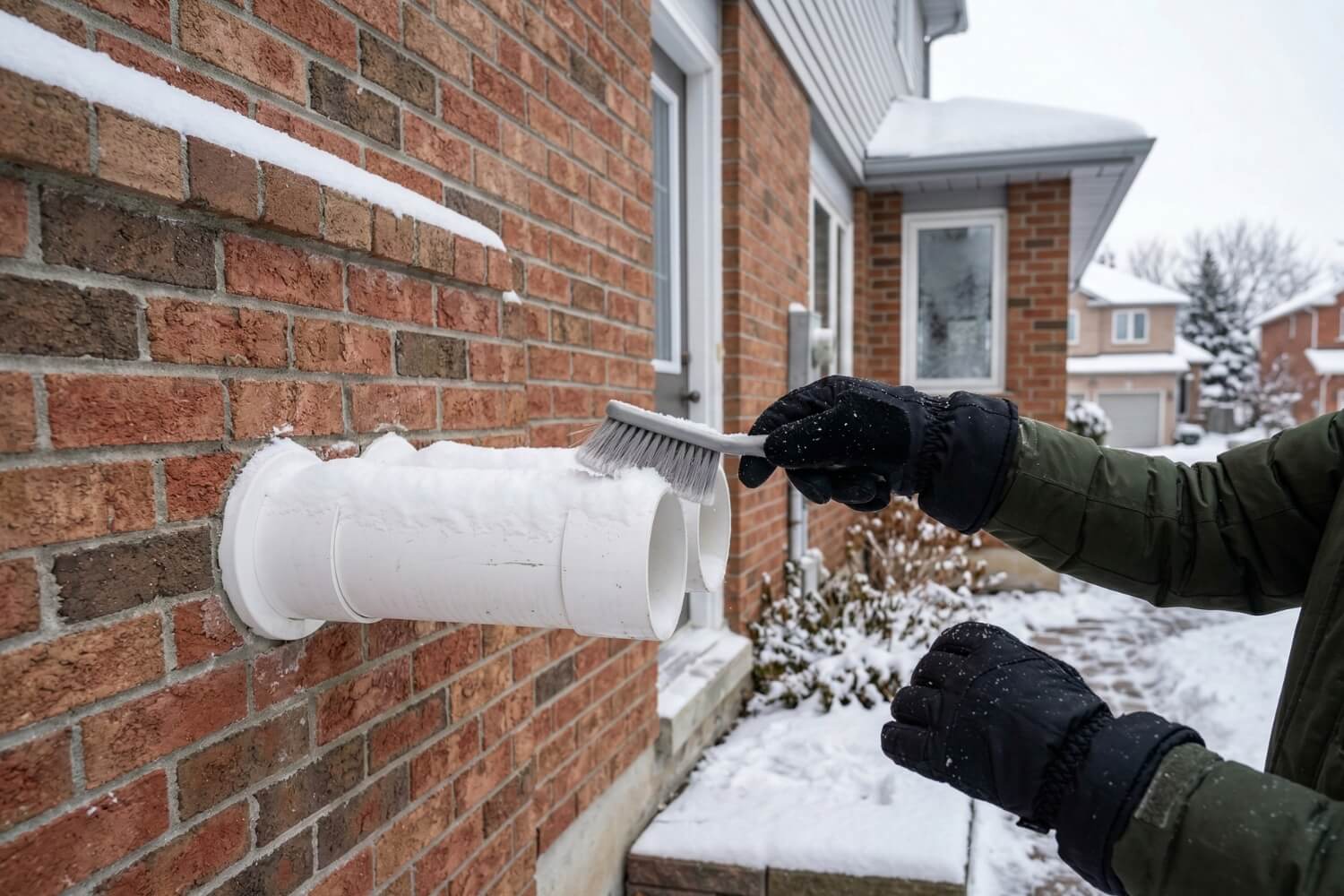
Walk outside your house and locate the white PVC exhaust and intake pipes. During heavy winter storms, blowing snow or ice can easily cover the openings. Carefully brush away any snow, leaves, or mud blocking the pipes to fix a broken heater safely.
How to Clear Outdoor PVC Vents
- Walk around the exterior of your home and locate the white PVC exhaust and intake pipes.
- Inspect the openings for snow drifts, ice, leaves, or nests.
- Gently brush away the obstruction with your hands or a soft brush.
Step 6: Clean the Flame Sensor
How do I know if the flame sensor is dirty or failing?
The flame sensor is a strict safety device designed to detect a live fire inside the combustion chamber. If it fails to sense a flame, it assumes the fire has gone out and instantly shuts the gas valve. This exact mechanism prevents raw, unburned gas from filling your home and creating an explosion hazard.
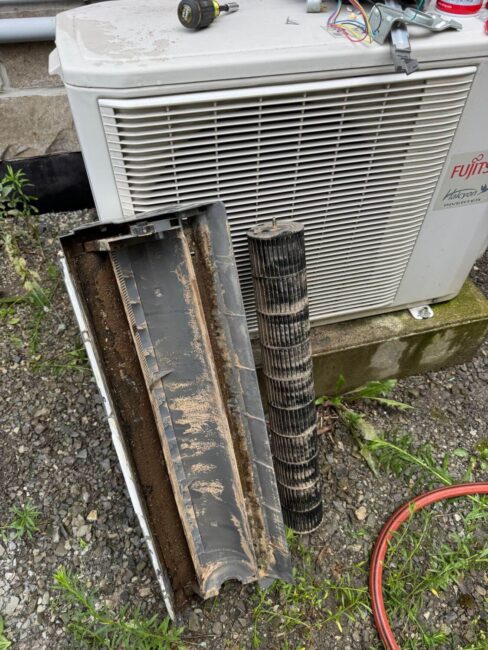
If your system ignites for a few seconds and immediately turns off, a dirty sensor is the most likely culprit. Carbon buildup naturally coats the sensor rod over time.
How to Clean the Furnace Flame Sensor
- Turn off all power and gas to the unit completely.
- Remove the front panel and locate the thin metallic rod sitting directly in front of the burners.
- Unscrew it, gently rub the metal rod with light steel wool, and screw it back into place.
What Homeowners Should Look Out For
Watch out for the furnace igniting, producing flames for 3 to 5 seconds, and then abruptly shutting down. This short-cycling is a classic sign of a dirty sensor.
Step 7: Know When to Call North Wind
When should I stop DIY fixes and call an HVAC professional?
There is a strict limit to what a homeowner can safely handle on a complex mechanical system. Ignoring warning signs can lead to dangerous gas leaks or electrical fires. Knowing when to step back is the most important part of these HVAC maintenance steps.
Stop your DIY efforts and call a technician immediately if you smell mercaptan. This chemical is added to natural gas to give it a distinct rotten egg odor. A yellow burner flame instead of a crisp blue one also indicates incomplete combustion, which produces deadly carbon monoxide.
| Symptom | Most Likely Cause | Safety Level for DIY |
|---|---|---|
| Blank Thermostat Screen | Dead Batteries | 100% Safe |
| System Rapidly Overheating | Clogged Air Filter | 100% Safe |
| Ignites Then Shuts Off Quickly | Dirty Flame Sensor | Moderate/Caution |
| Strong Smell of Rotten Eggs | Natural Gas Leak | Evacuate & Call Pro |
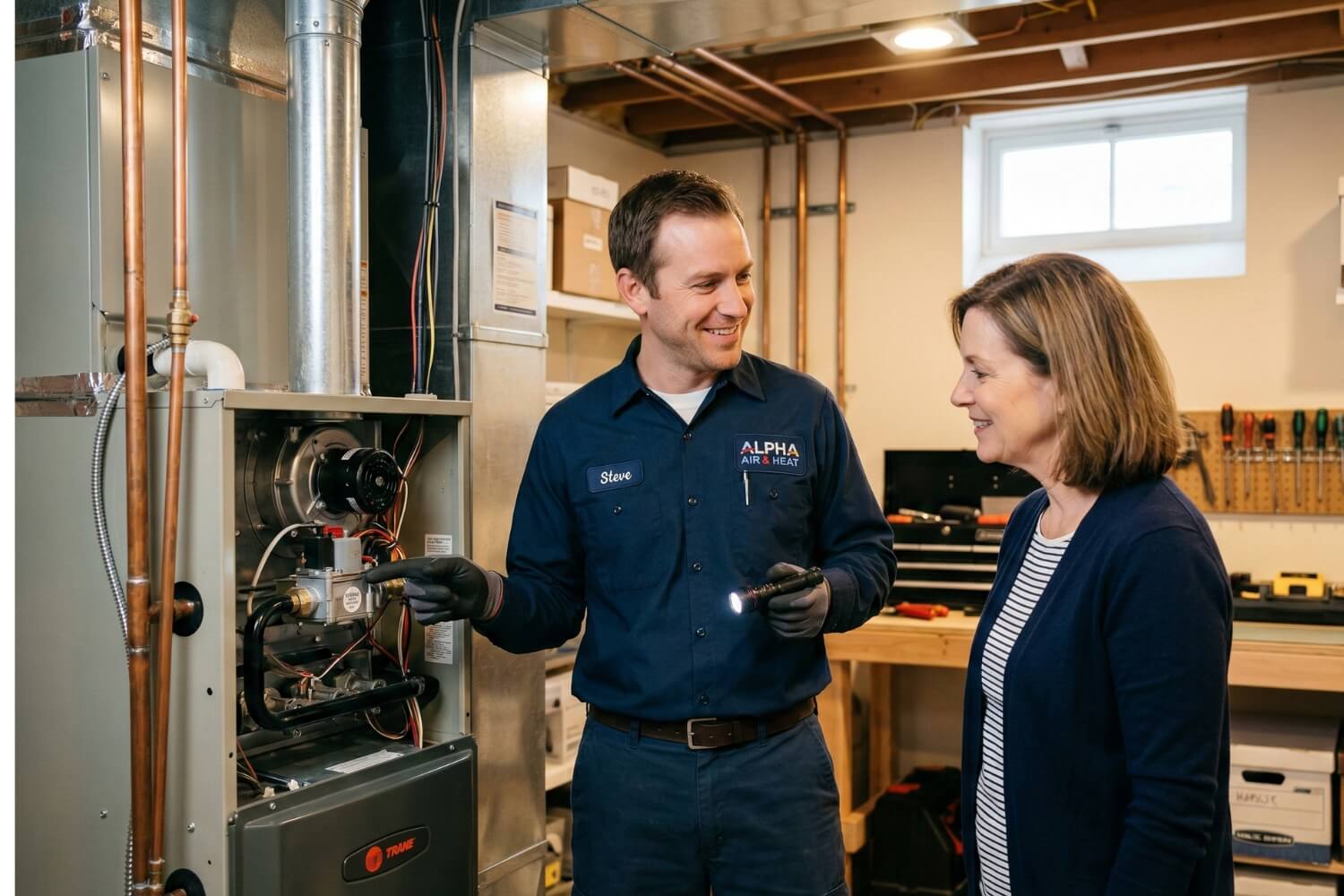
Are you still stuck with a freezing house?
Trying to follow basic furnace diagnostic tips on your own can be frustrating when nothing works. You deserve to relax in a warm, comfortable home without worrying about frozen pipes or shivering family members. If you have run through these steps and your system is still dead, it is time to bring in the experts.
Reach out to North Wind for fast, reliable professional furnace repair services today. We will dispatch a certified technician to inspect your system safely and efficiently. Let us restore your peace of mind and get the warm air flowing again.
