 Proudly Canadian


 Home
Home Heating
 Cooling
 Heat Pumps
 Air Quality
 Other
OtherHVAC Tips and Tricks
What’s the Difference Between Electric and Gas Furnaces?
Oct
Table Of Contents:
Gas Furnaces: Pros and Cons
Electric Furnaces: Pros and Cons
Let’s Break It Down Further
1. Installation
2. Lifespan
3. Maintenance
4. Repairs
5. Energy Efficiency
6. Heating Efficiency
7. Safety
Gas Furnaces: Pros and Cons
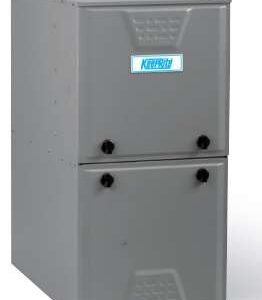
New gas furnaces, powered by natural gas, are a common heating choice in Ontario due to the low cost and availability of natural gas. When the thermostat calls for heat, natural gas flows to the furnace’s burners, where it ignites and heats air that is circulated by the furnace blower.
Pros:
- Lower Operating Cost: With natural gas prices generally lower than electricity rates in Ontario, gas furnaces can provide significant savings. In fact, data from Natural Resources Canada suggests that natural gas can be 3-4 times cheaper per BTU than electricity, especially during peak winter heating.
- Faster Heating: Gas furnaces heat more quickly than electric models, an advantage for Ontario’s chilly winters, where immediate warmth is often needed.
- More Powerful Heating: Gas furnaces can produce higher heat output, making them ideal for larger homes and colder climates. They perform effectively even on the coldest days, maintaining consistent warmth in homes despite external temperatures.
Cons:
- Higher Installation Costs: If your home doesn’t already have a natural gas line, installation costs for a gas furnace can increase substantially. According to FortisBC, installing a gas line in a home without one can cost upwards of $1,000.
- Requires Regular Maintenance: Gas furnaces rely on combustion, which can produce carbon monoxide (CO). To avoid potential CO leaks and maintain efficiency, gas furnaces require regular inspections and upkeep. However, modern models include safety features, like CO detectors and shut-off systems, to mitigate risks.
#gap-1430515119 {
padding-top: 30px;
}
This product has multiple variants. The options may be chosen on the product page
This product has multiple variants. The options may be chosen on the product page
This product has multiple variants. The options may be chosen on the product page
This product has multiple variants. The options may be chosen on the product page
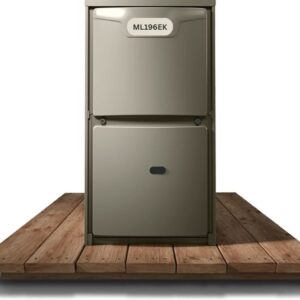
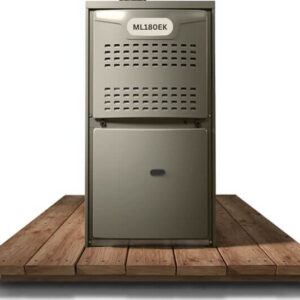
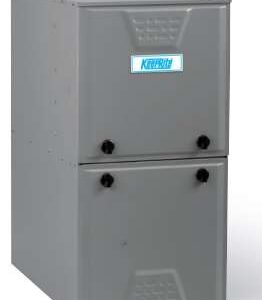
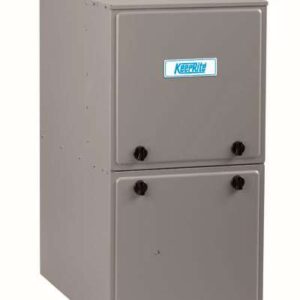
Furnace
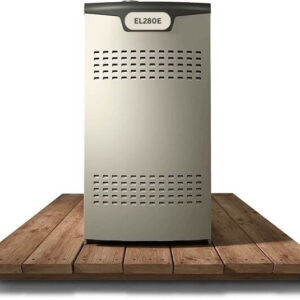
Furnace
Electric Furnaces: Pros and Cons
Electric furnaces heat air by passing it over electric heating elements. The heated air is then circulated throughout the home, offering an alternative to gas heating, particularly in homes without a gas line.
Pros:
- Lower Initial Cost: Electric furnaces tend to be less expensive to purchase and install than gas furnaces, often saving homeowners hundreds on installation costs. This makes electric furnaces a budget-friendly option if upfront costs are a priority.
- Safer Operation: Electric furnaces don’t produce carbon monoxide, a byproduct of gas combustion. Without the need for combustion, electric models eliminate any risk of gas leaks or CO emissions, making them a safer option for indoor air quality.
- Lower Maintenance Needs: With fewer parts susceptible to wear and without combustion, electric furnaces require less regular maintenance compared to gas models. However, routine inspections are still recommended to ensure efficiency.
Cons:
- Higher Operating Cost: In Ontario, electricity rates are generally higher than natural gas rates, especially during peak winter months. This makes electric furnaces more expensive to operate, with the average cost per BTU around $32 compared to $18 for gas heating, according to consumer data from Diffen.
- Slower Heating: Electric furnaces can take longer to reach desired temperatures, particularly in colder climates. Since they don’t produce as intense heat as gas furnaces, this slower response time may impact comfort during frigid Ontario winters.
- Potential Dryness Issues: Electric heating can strip more moisture from the air compared to gas, which may lead to a drier indoor environment.
#image_63309143 {
width: 100%;
}
#gap-23670209 {
padding-top: 30px;
}
Let’s Break It Down Further
Installation
Gas Furnaces: Installation costs are higher for gas furnaces, especially if a gas line needs to be added. However, many Ontario homes already have gas connections, making this an efficient choice in the long run.
Electric Furnaces: Installation costs are lower due to a simpler setup, but they’re typically recommended only if a gas line isn’t an option.
Lifespan
Gas Furnaces: Typically last 15-20 years with regular maintenance. Their robust construction makes them durable but requires consistent upkeep.
Electric Furnaces: Generally have a longer lifespan of up to 20-30 years since they have fewer components susceptible to wear.
#image_1348404796 {
width: 100%;
}
#gap-1784284178 {
padding-top: 30px;
}
Maintenance
Gas Furnaces: Regular maintenance, including cleaning and inspecting the heat exchanger, burners, and flue, is essential to avoid carbon monoxide risks and maintain efficiency.
Electric Furnaces: These require less frequent maintenance but still benefit from annual checks to clean the heating elements and ensure efficient operation.
Repairs
Gas Furnaces: May require more complex gas furnace repairs involving burners, gas valves, and heat exchangers. However, parts and services are generally widely available in Ontario.
Electric Furnaces: Have fewer mechanical parts, so repairs are often simpler and less frequent, though they may be more expensive when they do occur due to electrical components.
#image_1556039804 {
width: 100%;
}
#gap-1578280964 {
padding-top: 30px;
}
Energy Efficiency
Gas Furnaces: Generally rated between 90% and 98% Annual Fuel Utilization Efficiency (AFUE), meaning they convert most of the energy in natural gas to heat. ENERGY STAR® models available in Ontario offer even higher efficiency.
Electric Furnaces: Nearly 100% efficient in converting electricity to heat. However, since electricity costs more, the overall energy cost is still higher despite high thermal efficiency.
Heating Efficiency
Gas Furnaces: Ideal for Ontario’s cold winters, as they heat quickly and maintain consistent warmth even in freezing temperatures.
Electric Furnaces: Slower to heat, which may be less ideal for the colder Ontario climate. They may struggle to provide sufficient warmth in very large homes or during extreme winter weather.
Safety
Gas Furnaces: Must be carefully maintained to prevent carbon monoxide leaks. Modern units have safety features like CO detectors and automatic shut-off systems for added protection.
Electric Furnaces: Safer overall, as they don’t emit CO or use combustible fuel. However, they should still be monitored for electrical issues that could cause overheating or short circuits.
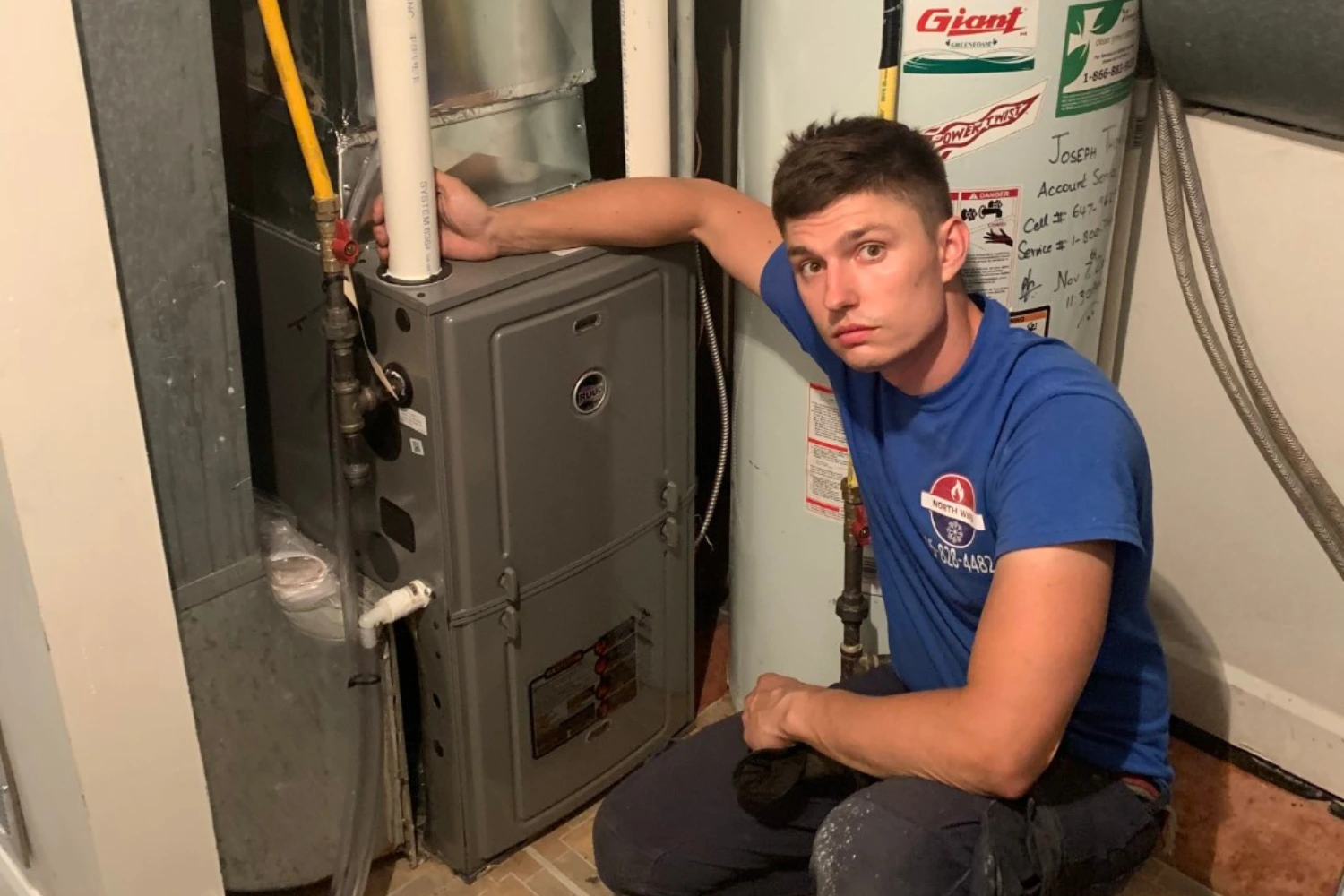
Whether you’re replacing an old furnace or installing a new furnace, North Wind HVAC is your trusted partner in Ontario for expert, efficient gas furnace solutions tailored to your home’s needs. For more information contact us to schedule a consultation.
#image_954038995 {
width: 100%;
}
✓ Expert Note — Our certified installers have replaced hundreds of furnaces across Ontario. The information below is based on hands-on installation experience and current Ontario building code requirements.
Frequently Asked Questions About Furnace Installation in Ontario
How much does a new furnace cost in Ontario in 2025?
A new furnace in Ontario typically costs $2,500–$5,500 installed, depending on the brand, efficiency rating, and complexity of the installation. Mid-efficiency single-stage units start around $2,500. High-efficiency (96%+ AFUE) two-stage or modulating furnaces range from $3,500–$5,500. Premium brands like Lennox, Carrier, and Trane sit at the higher end. Always factor in available rebates – Enbridge Gas currently offers rebates of $250–$1,000 for qualifying high-efficiency upgrades.
How long does furnace installation take?
A standard furnace replacement takes 4–6 hours for an experienced crew. If the installation involves upgrading to a high-efficiency model with a new PVC venting system, or relocating the unit, it can take a full day. New construction or complex retrofits may require 1–2 days. Most homeowners can have their heat restored the same day their old unit is removed.
What size furnace do I need for my Ontario home?
Furnace sizing is calculated using a heat load calculation (Manual J method), which accounts for your home’s square footage, insulation levels, window area, ceiling height, and local climate data. As a rough guide, Ontario homes typically need 30–60 BTUs per square foot. Oversizing a furnace causes short cycling and wears components faster; undersizing leaves you cold on the worst days. Our technicians calculate the right size – never guess.
What rebates are available for new furnace installation in Ontario?
Several programs are available in 2025. Enbridge Gas offers rebates of $250–$1,000 for upgrading to a qualifying high-efficiency furnace (96%+ AFUE). The Canada Greener Homes Grant provides up to $5,600 for eligible upgrades but requires a pre-retrofit EnerGuide audit. Union Gas (now Enbridge) customers in southwestern Ontario have additional program access. Our team can advise on what you qualify for at the time of your estimate.
Should I rent or buy a new furnace in Ontario?
Buying is almost always the better financial decision long-term. While rental programs (common with Enercare and other providers) offer $0 upfront, the monthly payments ($50–$100/month) add up quickly. Over 10 years, you can easily pay $6,000–$12,000 for a furnace worth $3,500. Rental also complicates home sales. Buying outright or through a 0% financing offer is almost always more cost-effective.
How long does a furnace last in Ontario?
A well-maintained gas furnace lasts 15–25 years in Ontario. The average lifespan is around 18–20 years. High-quality brands with annual maintenance tend to reach the upper end of that range. Signs it’s time to start planning a replacement: repair costs are increasing year over year, the heat exchanger is cracked, AFUE rating is below 80%, or the unit is over 20 years old.
Can I install a high-efficiency furnace in an older Ontario home?
Yes, but there are a few considerations. High-efficiency furnaces (96%+ AFUE) require PVC condensate drainage and two-pipe PVC venting instead of a traditional B-vent chimney. In older homes, this may involve running new vent pipes to an exterior wall. It’s very commonly done – our team handles these retrofits regularly and can assess the best route during a free in-home estimate.

Written by
James Kowalski
Senior HVAC Technician | G1 Gas Technician (TSSA)
James Kowalski is a senior HVAC technician with over 15 years of hands-on experience servicing residential and commercial heating systems across the Greater Toronto Area. Licensed by the Technical Standards and Safety Authority (TSSA) with a G1 Gas Technician designation, James specializes in complex furnace diagnostics, high-efficiency system installations, and emergency heating repairs. He holds HRAI certification and has trained dozens of junior technicians throughout his career.
