 Proudly Canadian


 Home
Home Heating
 Cooling
 Heat Pumps
 Air Quality
 Other
OtherHVAC Tips and Tricks
Hot Water Tank: A Maintenance Checklist
Sep
Your water heater is one of the systems in your home that contributes to the comfort you enjoy indoors. But like with many home systems and appliances, most people don’t pay as much attention to their water heater until it stops working. Don’t wait till your water heater gives out. There are some minor things that can be done to keep serious problems at bay and extend the life of your water heater and ensure it keeps running efficiently for a long time to come.
The first step to knowing how to care for your water heater is getting a good understanding of how it works, what signs of trouble to look out for. There are two types of water heaters: electric and gas. Find out which one you have so you are familiar with how it operates.
How Long Is a Water Heater’s Lifespan?
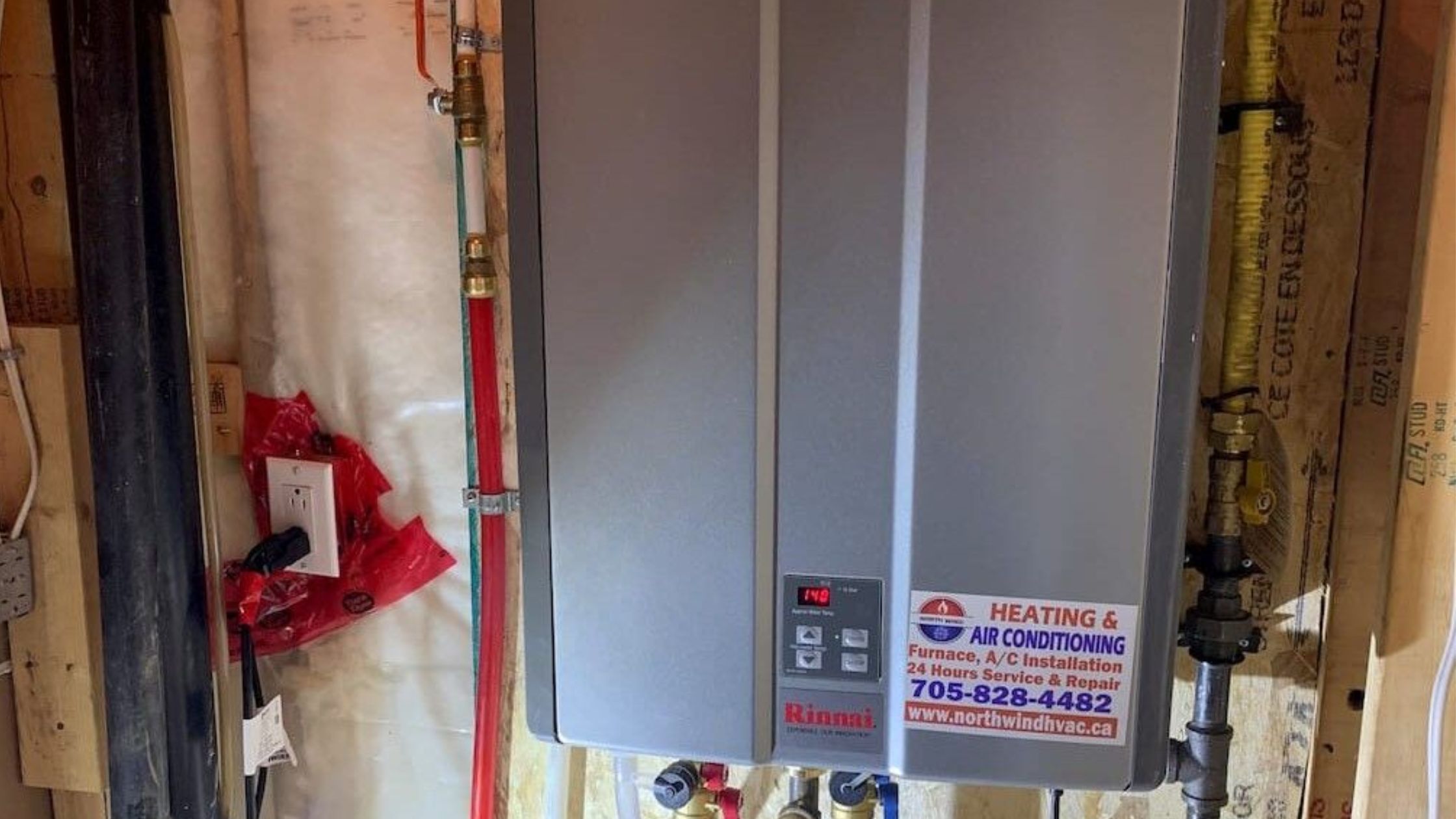
The life expectancy of a water heater is between 8 to 12 years. This depends on a number of factors: the design of the water heater, the quality of installation, whether it received regular water heater maintenance and the quality of the water. A sign that your water heater is approaching the end of its lifespan is if there are leaks around the base of the tank, or it no longer heats water sufficiently. When you begin to experience these symptoms, it is a good time to consider replacing the unit.
How Often Should You Inspect Your Tank?
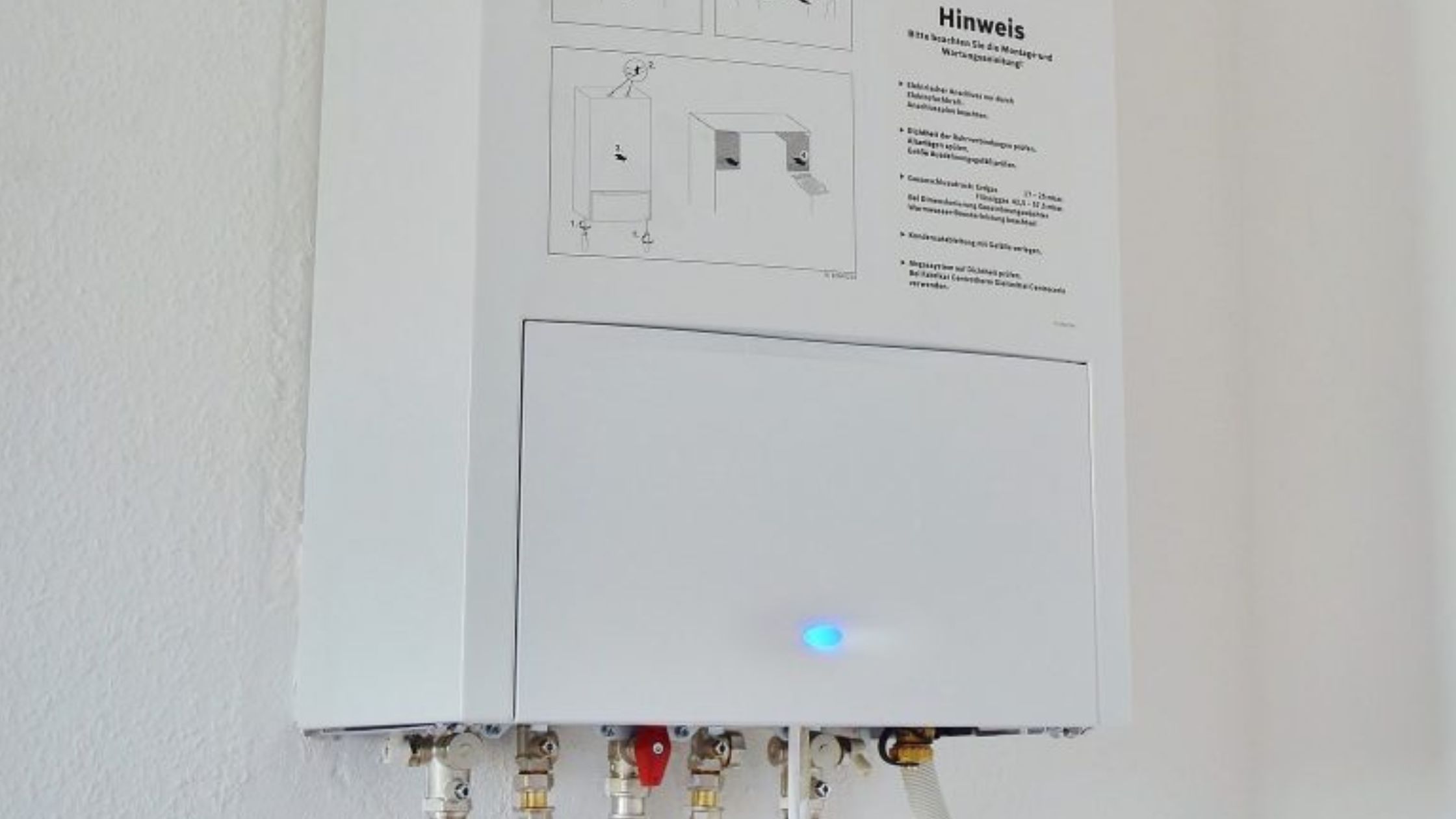
One of the main concerns if you have a gas water heater is to ensure that there is nothing flammable around the unit. Get into the habit of frequently inspecting your water heater if it is in an area of your home you access frequently. If it is tucked away in a room you frequent less often, try to get into the habit of checking your water heater every two months. Doing this can avoid significant problems like leaks, burst pipes, or other more complex plumbing issues.
What to Look For
Your water heater can still be producing hot water while experiencing some serious underlying problems. So the fact that you continue to have hot water does not mean you can forgo regular hot water tank maintenance. Some things you should look out for when inspecting your water heater are:
<img loading="lazy" decoding="async" class="aligncenter size-full wp-image-4771" title="North Wind Furnace Installation and Maintenance Services” src=”https://northwindhvacpro.ca/wp-content/uploads/2023/03/North-Wind-Furnace-Installation-and-Maintenance-Services.jpg” alt=”North Wind Furnace Installation and Maintenance Services” width=”2240″ height=”1260″ srcset=”https://northwindhvacpro.ca/wp-content/uploads/2023/03/North-Wind-Furnace-Installation-and-Maintenance-Services.jpg 2240w, https://northwindhvacpro.ca/wp-content/uploads/2023/03/North-Wind-Furnace-Installation-and-Maintenance-Services-650×366.jpg 650w, https://northwindhvacpro.ca/wp-content/uploads/2023/03/North-Wind-Furnace-Installation-and-Maintenance-Services-768×432.jpg 768w, https://northwindhvacpro.ca/wp-content/uploads/2023/03/North-Wind-Furnace-Installation-and-Maintenance-Services-1024×576.jpg 1024w, https://northwindhvacpro.ca/wp-content/uploads/2023/03/North-Wind-Furnace-Installation-and-Maintenance-Services-1536×864.jpg 1536w, https://northwindhvacpro.ca/wp-content/uploads/2023/03/North-Wind-Furnace-Installation-and-Maintenance-Services-2048×1152.jpg 2048w, https://northwindhvacpro.ca/wp-content/uploads/2023/03/North-Wind-Furnace-Installation-and-Maintenance-Services-600×338.jpg 600w, https://northwindhvacpro.ca/wp-content/uploads/2023/03/North-Wind-Furnace-Installation-and-Maintenance-Services-300×169.jpg 300w” sizes=”auto, (max-width: 2240px) 100vw, 2240px” />
- Leaking water
- Strange noises
- Clanking or a banging sound
- Bad smell
There are some other signs that can indicate that your water tank is no longer operating optimally. These include:
- Higher energy bills
- Discolored water
These show that your water heater is working overtime to heat water and needs to either be repaired or replaced.
Control Temperature Setting
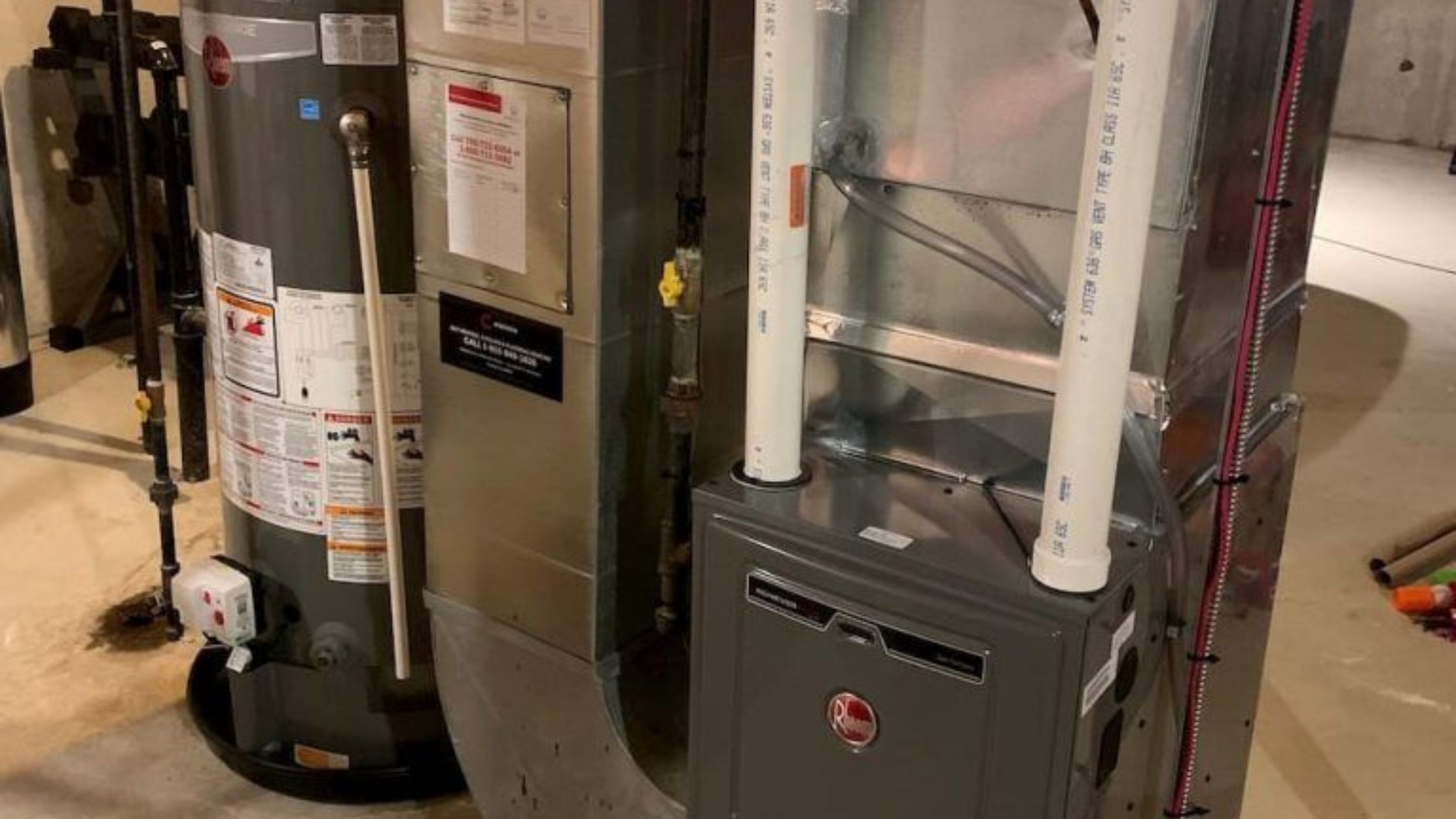
It is critical that the temperature of your water heater is set to the appropriate setting to prevent serious burns and scalding. Keep in mind that a child’s skin can burn far more easily and, in less time, than an adult’s skin. It is recommended that your water heater temperature is set to 49°C or 120°F.
Your water temperature not being hot enough can also be problematic because it encourages the growth of harmful bacteria called Legionella. Be very careful when handling your water heater and keep in mind that the water is hot.
If, when inspecting your water heater, you notice that the temperature is not appropriately set, locate the temperature control thermostat and if it is lower or higher than 49°C or 120°F, adjust it accordingly.
Vacation Setting
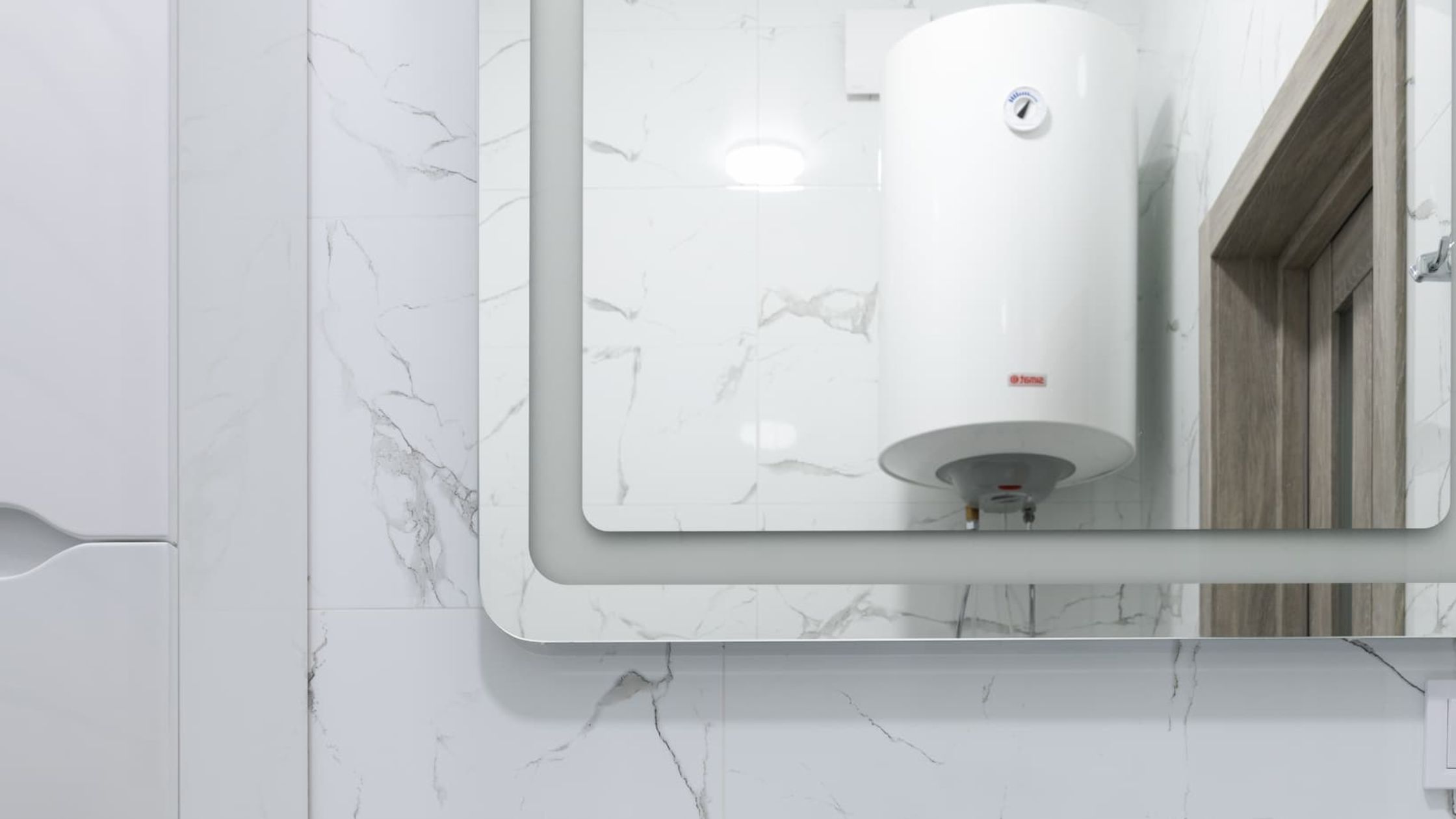
Many homeowners are surprised to learn that their water heaters have a “vacation mode” setting. Most models have this feature and it allows you to save on your energy costs while you are away. If your water tank does not have this feature, all you need to do is lower the temperature by turning the dial down to anywhere between 54°F and 49°F. Be sure to reset the temperature upon your return.
Insulate Your Tank
Thermal wraps can be placed around your water tank to cut back on energy consumption and extend the lifespan of your water heater. This is especially beneficial if your furnace is located in your basement or furnace room that is cold. Using thermal wraps reduces heat loss and allows your unit to maintain the water temperature with less effort, resulting in lower energy costs.
Check the Space Around Your Heater
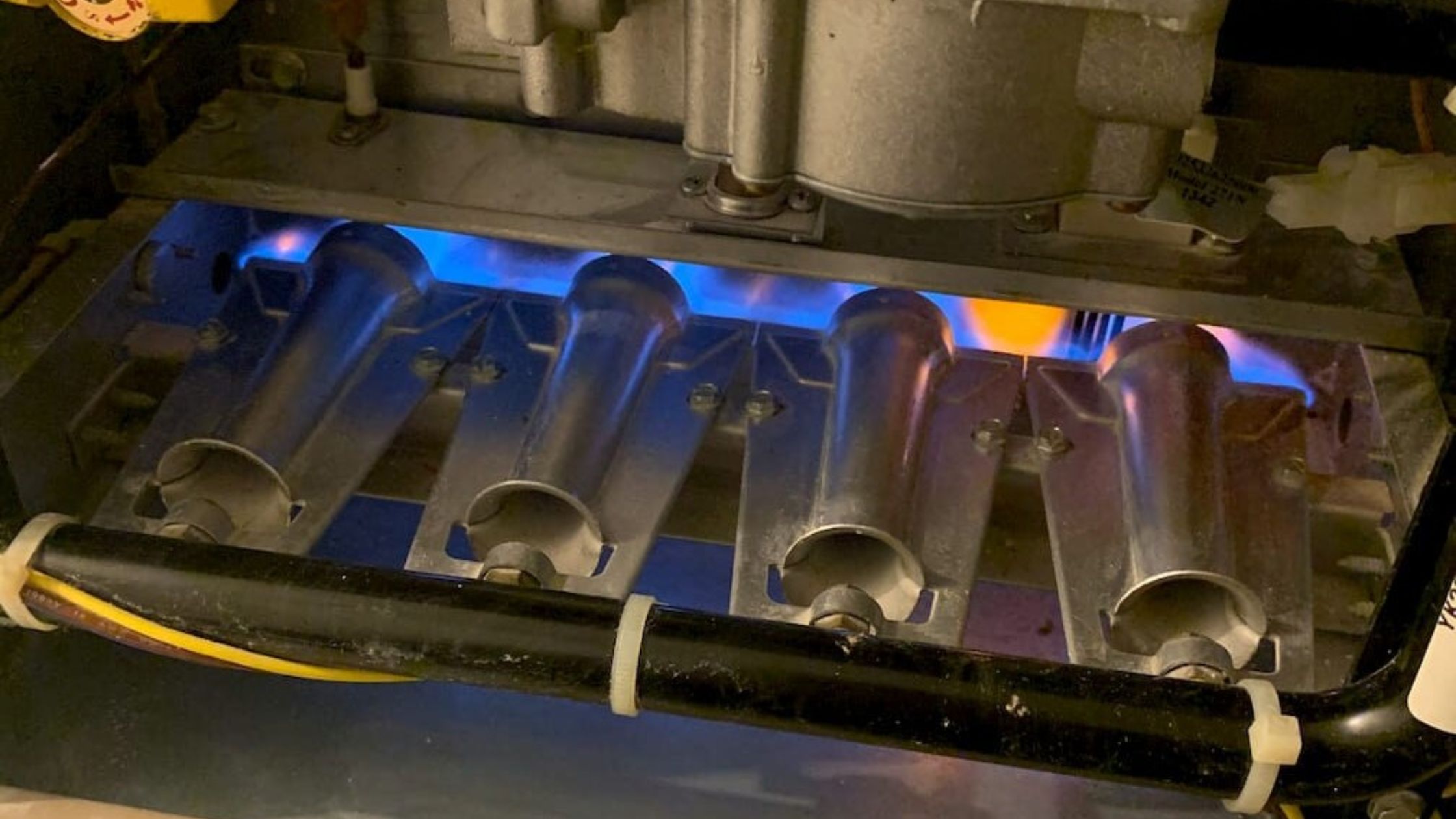
To run efficiently, your water heater needs two have sufficient clearance. There should be enough room around your water heater for adequate ventilation. Be sure to check the surroundings and remove any items that may crowd your water heater.
Consider a Filtration System
Your water heater filtrates water through a pipe that runs water through the unit. The filtration system is designed to prevent excess mineral deposits from building up inside your water heater. The efficiency of your water tank can be diminished when sediment builds up, and ultimately cut the lifespan of your water heater and cause higher repair costs.
Schedule Professional Maintenance Regularly
Having a professional check your water heater thoroughly from time to time and conduct necessary maintenance work is the best way to keep your water heater working at its best. Some of the important tasks they will perform are:
- Draining Sediment from The Tank – Hot water tank cleaning is essential. As the water heater warms the water, there are minerals in water that form sediment particles that sink and settle at the bottom of your water tank. Over time, this sediment buildup can pose a significant threat to the function and efficiency of your water heater. A professional water heater technician knows how to clean a hot water tank to remove excess sediments.
- Inspect Ventilation – Your water heater needs to have adequate free space surrounding it for safety reasons and to ensure that there is enough ventilation for it to run smoothly. During maintenance, a professional will ensure that the space surrounding your tank adheres to safety codes.
- Check for Carbon Monoxide – This is something to keep an eye on with gas water heaters. If your gas heater is not properly maintained, was not installed correctly, or is poorly vented, carbon monoxide may leak creating a dangerous situation. To ensure there is no leak, your technician will perform an indoor air quality test.
- Test Water Quality – This is also one of the standard tests that should be done by your maintenance technician to ensure that certain bacteria are within a normal bacterial range and that the pH levels are appropriate.
- Test the Temperature and Pressure Relief Valve – The TPR valve is an essential part of your water heater and needs to be working properly so it can release water in the event that the pressure or water temperature rises above the safe range.
- Inspect the Anode Rod – This is a metal rod that can be found inside the tank and corrodes to prevent your tank from corroding. During the inspection, your heating and cooling professional will inspect the anode rod to see if it needs replacing.
It’s important that you contact your water heater professional if you suspect something may be wrong with your water heater. Northwind HVAC is your reliable water heater expert. Get in touch with us to learn more about our professional heating and cooling services.
✓ Expert Note — Our licensed Gas Technicians have installed and serviced hundreds of water heating systems across Ontario. The comparisons and cost figures below reflect current 2025 equipment pricing and Ontario contractor rates.
Frequently Asked Questions About Water Heaters in Ontario
How much does a tankless water heater cost in Ontario in 2025?
Tankless water heater installation in Ontario typically costs $2,500–$4,500 for a natural gas unit, installed. The unit itself costs $900–$2,200 depending on capacity (flow rate in GPM) and brand. Installation includes gas line work, venting, and water connections. Condensing tankless units (high-efficiency, 95%+ EF) cost more upfront but save $150–$300 annually compared to a standard storage tank. Navien, Rinnai, and Noritz are the most common brands we install.
How long does a tankless water heater last?
A well-maintained tankless water heater lasts 20–25 years – roughly twice as long as a traditional tank heater (8–12 years). Annual descaling (flushing with white vinegar or a descaling solution) is essential in Ontario, where hard water is common. Most manufacturers offer 10–15 year warranties on the heat exchanger when the unit is installed by a licensed technician and maintained according to schedule.
What size tankless water heater do I need for a typical Ontario home?
Sizing is based on peak flow demand (gallons per minute) and temperature rise needed. In Ontario, cold water entering the heater is typically 5–10°C. To raise it to 49°C (120°F), you need about a 39°C temperature rise. A family of 4 with 2 bathrooms typically needs a 9–10 GPM unit. Homes with multiple simultaneous hot water demands (shower + dishwasher + laundry) should size up. Our technicians do a proper sizing calculation before recommending a unit.
Is a tankless water heater better than a hot water tank?
Tankless units offer endless hot water, use 20–30% less energy, and last twice as long. They’re better for most households. However, tankless requires a higher gas flow rate (often 150,000–200,000 BTU/hr) – some homes need gas line upgrades to support this. They also have higher upfront costs and can’t supply large simultaneous demands without proper sizing. A storage tank is simpler and cheaper upfront but less efficient and has a shorter lifespan.
How often should I flush my hot water tank?
Ontario’s water is moderately hard in most regions, causing mineral buildup (scale) on heating elements and the tank bottom. Flush your hot water tank once per year by connecting a hose to the drain valve and letting it run until the water runs clear. This removes sediment that reduces efficiency and shortens tank life. For tankless units, a full descaling flush is recommended every 1–2 years depending on local water hardness.
What are signs my water heater needs to be replaced?
Key warning signs: the unit is over 10–12 years old (tank) or 20+ years (tankless), you notice rust-coloured water from hot taps, the tank is making popping or rumbling noises (sediment), the pilot light keeps going out, water is not getting as hot as it used to, or you notice water pooling around the base of the tank. A leaking tank cannot be repaired – it needs immediate replacement to prevent water damage.
Are there rebates for water heater installation in Ontario?
Enbridge Gas offers rebates for high-efficiency water heaters, including tankless condensing units (typically $150–$250). The Canada Greener Homes Grant includes water heating upgrades but requires an EnerGuide audit. Some municipalities and local utilities have their own programs. Always ask about current offers at the time of purchase – rebate programs change frequently and our team stays up to date.

Written by
David Tremblay
Heating & Ventilation Specialist | G2 Gas Technician (TSSA)
David Tremblay is a licensed heating and ventilation specialist with 12 years of field experience across Barrie, Collingwood, Muskoka, and surrounding Simcoe County communities. Holding a G2 Gas Technician licence from the TSSA and certification in commercial refrigeration, David focuses on water heating systems, indoor air quality, humidification, and whole-home ventilation. He is well-versed in Ontario Building Code requirements and helps homeowners understand seasonal HVAC maintenance and system optimization.
