 Proudly Canadian


 Home
Home Heating
 Cooling
 Heat Pumps
 Air Quality
 Other
OtherHVAC Tips and Tricks
How Often Should You Change Your Furnace Filter?
Nov
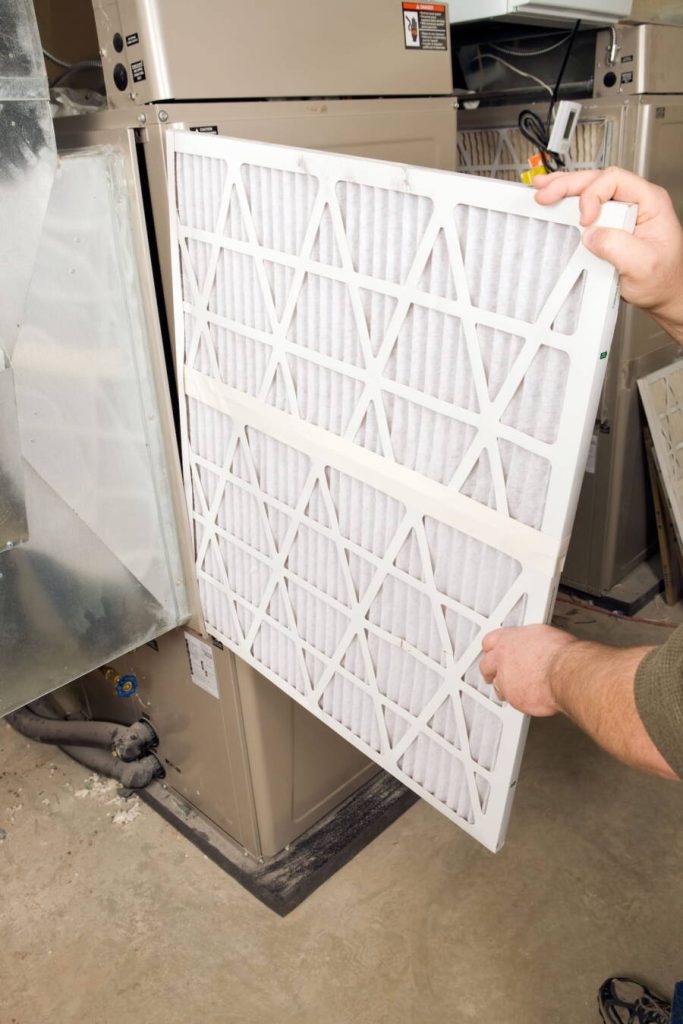
Is the furnace giving you trouble? A furnace isn’t complete without a furnace filter. It’s like a cover that keeps your furnace running by keeping dust and hair out. You’ve undoubtedly already discovered that a clogged filter may cause a slew of issues. We will inform you on why that may be an issue that can affect you and your family members and how often to change the furnace filter.
Why Do I Need to Change My Furnace Filter?
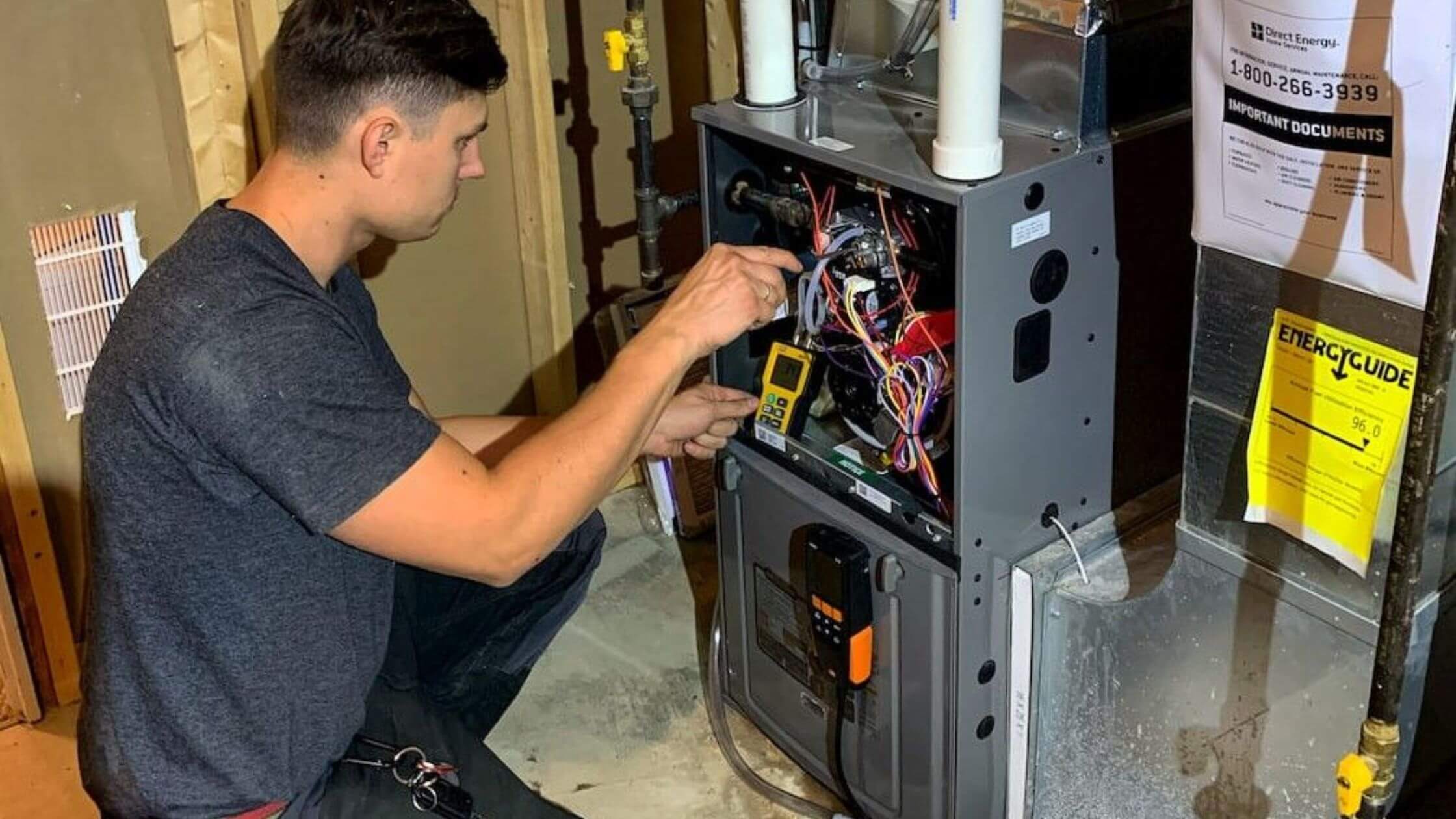
Replacing your furnace filter is a quick and simple DIY project that will improve the quality of your air indoors and help you prevent costly furnace repairs. A furnace filter change serves an important purpose: it keeps airborne dust, debris, and hair out of your furnace system’s components. Usually, all of that muck collects in the filter, which is why it’s critical to change your furnace filter on a regular basis rather than having to change the whole furnace. It will clog if left unattended, reducing airflow to your heating system. This can result in the furnace blowing cold air, making loud sounds, or even overheating and cracking the heat exchanger.
How Often Should I Change My Furnace Filter?
A normal disposable furnace filter should be changed at least once every 90 days. However, you should inspect it once a month to see whether it is becoming clogged. (Use your phone or calendar app to set a reminder.) If you see a lot of dirt that has accumulated and a grey color coated on top of the filter layer, you can replace the filter. Filters may be purchased at a reasonable price and are easily available to obtain.
How to Change Furnace Filter
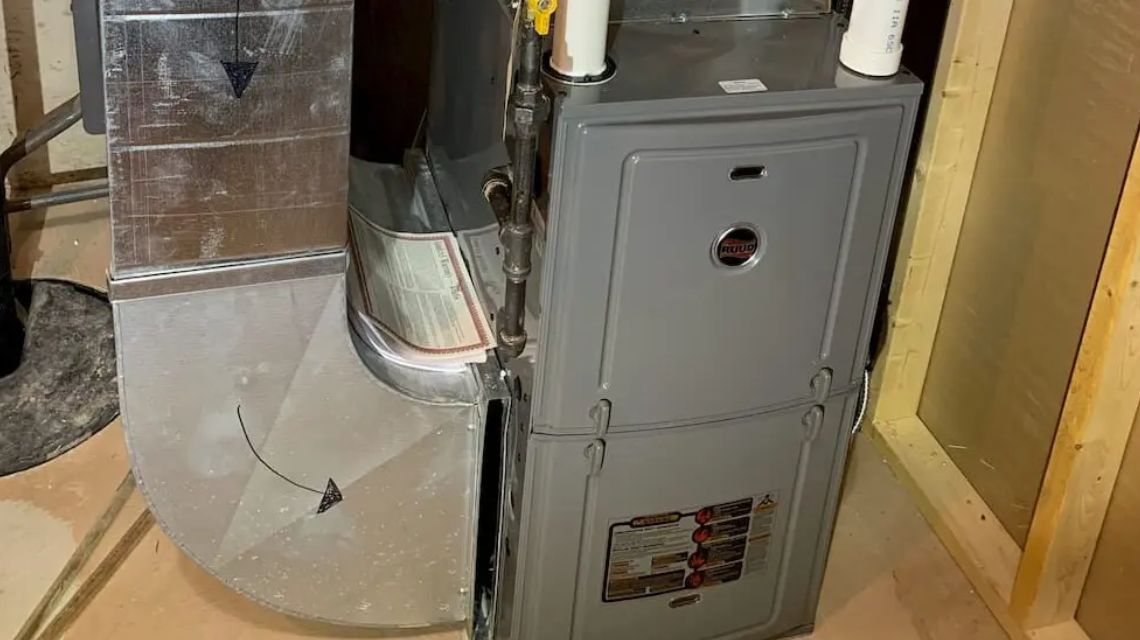
Safety always comes first that is why it is important to turn off your home’s furnace before you begin the process of changing the furnace filter. Then, you will have to remove the filter part from the inside of the air vent. Make a mental note of the direction the filter travels in. Now you must figure out what type of furnace filter you have. If your filter has a plastic frame around it, it may be cleaned and reused.
To start, gently suction up the dirt and debris that has accumulated in your filter with a vacuum. After that, carefully wash down the filter with water to remove any leftover dirt. Before putting it back into the furnace, make sure it’s entirely dry.
Replacing a disposable filter is an even faster and easier procedure than the previous steps mentioned. Simply replace your old filter with a new one, which can be found at most hardware stores. Make sure they’re the same size before purchasing!
Reasons to Change Filter More Often
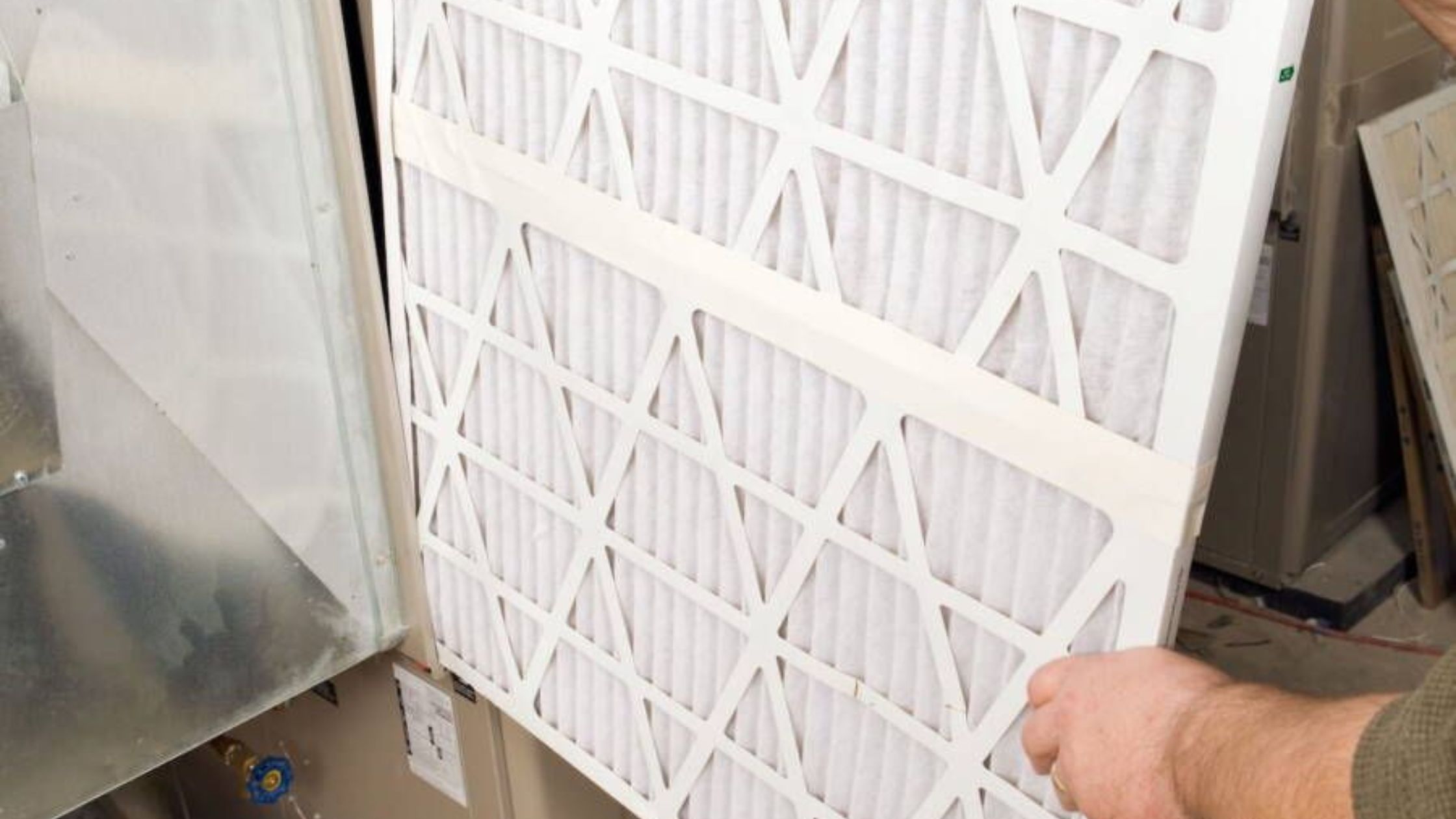
How is there no set guideline for how often you should change the air filter? Simple. Every house is unique. Frequent adjustments could be a good idea if the following criteria apply:
Dust
Dust and furnace filters aren’t friends. When your residence is very dusty (maybe as a result of your current home renovations?), inspect and replace your filter more frequently.
Pets
It’s all well and good to cuddle with a furry friend, but all that extra hair has to go somewhere. It’s filtered via your furnace if it’s not vacuumed up. Pet hair will block your filter more quickly than in houses without dogs, so make sure to check it at least once a month.
Asthma/allergies
Allergy or asthma sufferers will be more susceptible to excessive dust. A blocked filter will not effectively filter dust and particles, thus affecting your breathing. Fresh filters, in addition to regular dusting and cleaning, will help keep your home’s air clean and fresh.
Heavy Usage of the Furnace and Air Conditioning
Both your furnace and air conditioner utilize your furnace filter. Your furnace filter will accumulate more dust and dirt the more you utilize the furnace and air conditioner. It’s possible that you will have to change your filter more regularly as a result of this.
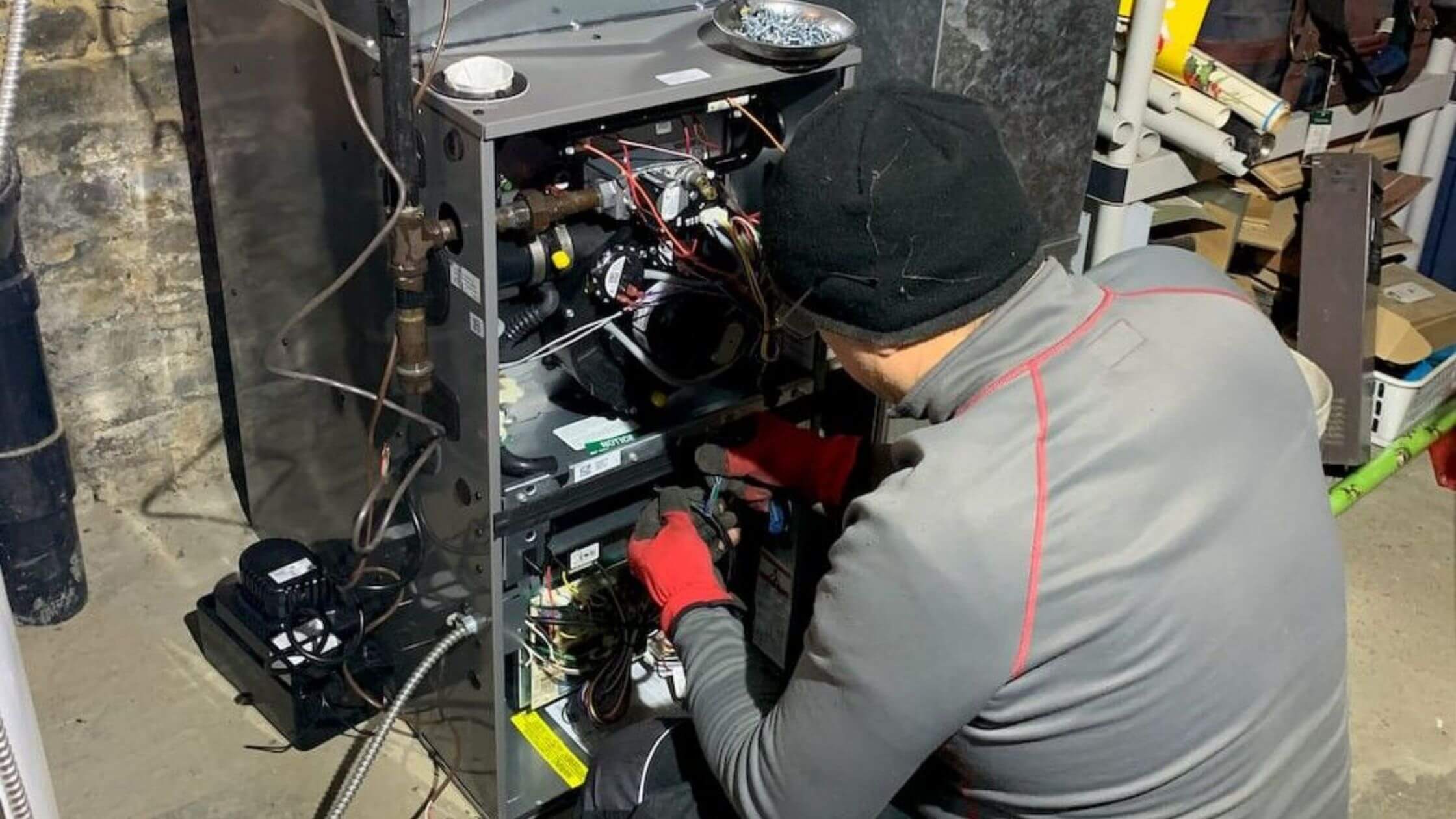
Another Way to Maintain Your Furnace’s Performance
Here’s another technique to maintain your furnace in great shape now that you’ve learned the complicated techniques of changing your furnace filter. Allow Northwind HVAC to service and retune your furnace on a yearly basis. Furnace maintenance is similar to insurance; it ensures that your heating system runs smoothly throughout the winter. It also improves the efficiency of your furnace. You will remain toasty while saving money on your utility expenses.
Contact Us and get a furnace maintenance quote right now!
✓ Expert Note — Our certified technicians service hundreds of homes across Ontario each season transition. The maintenance recommendations below are tailored to Ontario’s climate and common residential HVAC configurations.
Frequently Asked Questions About HVAC Maintenance in Ontario
How often should I change my furnace filter in Ontario?
Every 1–3 months for most Ontario homes, depending on filter type, household size, and whether you have pets. Basic 1-inch fibreglass filters need changing every 30 days. Standard pleated MERV 8 filters last 2–3 months. Thicker 4-inch media filters (MERV 11–13) last 6–12 months. Homes with pets, allergy sufferers, or dusty environments should be on the shorter end. Check the filter monthly – hold it up to a light source. If you can’t see light through it, change it.
What should I do to winterize my HVAC system in Ontario?
Fall prep checklist: replace the furnace filter, schedule a furnace tune-up (ideally September–October before the rush), test your thermostat’s heat mode, check and clear the furnace condensate drain, inspect the HRV/ERV and clean filters, cover the outdoor AC unit with a breathable cover (optional, but protects against debris), and test your carbon monoxide detector. Spring prep: schedule AC maintenance in April or May, remove the AC cover, check refrigerant lines for insulation damage, and clean around the outdoor condenser.
How often should my furnace be professionally serviced?
Once per year is the minimum – ideally in early fall before heating season. A professional furnace tune-up includes: cleaning the burners, heat exchanger inspection, flue gas analysis, ignitor and flame sensor testing, blower motor lubrication, filter replacement, and safety control testing. Annual maintenance is typically required to maintain manufacturer warranty coverage and is required by most home insurance policies for gas appliances.
What is the best temperature to set my thermostat at in Ontario winter?
Health Canada recommends a minimum of 21°C (70°F) during waking hours and no lower than 18°C (64°F) at night or when sleeping. Most Ontario homeowners set daytime temperatures to 21–22°C and night setback to 18–19°C. Dropping the thermostat 4–5°C at night or while away saves approximately 2% per degree in heating costs. Smart thermostats automate this without any inconvenience.
Should I close HVAC vents in unused rooms to save energy?
No – this is a common myth that actually wastes energy and can damage your system. Forced-air systems are designed to distribute airflow to all vents in the house. Closing vents increases static pressure in the duct system, forcing the blower motor to work harder, reducing efficiency by 10–15%, and potentially causing the heat exchanger to overheat. If certain rooms are consistently too warm or cold, the problem is a balancing issue that needs to be addressed at the duct level or with a zoning system.
Can I do furnace maintenance myself, or do I need a professional?
Homeowners can and should: change the filter regularly, keep the area around the furnace clear, check that vents and returns are unobstructed, and test the thermostat and CO detector. However, internal furnace cleaning, heat exchanger inspection, burner adjustment, flue gas testing, and any work involving gas connections must be done by a TSSA-licensed Gas Technician. Attempting gas appliance work without a licence is illegal in Ontario and voids your equipment warranty.
When is the best time to book HVAC service in Ontario?
Book furnace service in August–September (before the October heating rush) and AC service in March–April (before the May cooling rush). Emergency calls spike in mid-January and mid-July – companies are fully booked and response times are longer. Off-peak booking also means more scheduling flexibility and sometimes lower service rates. Setting a recurring annual reminder is one of the simplest things you can do to stay ahead of maintenance.

Written by
David Tremblay
Heating & Ventilation Specialist | G2 Gas Technician (TSSA)
David Tremblay is a licensed heating and ventilation specialist with 12 years of field experience across Barrie, Collingwood, Muskoka, and surrounding Simcoe County communities. Holding a G2 Gas Technician licence from the TSSA and certification in commercial refrigeration, David focuses on water heating systems, indoor air quality, humidification, and whole-home ventilation. He is well-versed in Ontario Building Code requirements and helps homeowners understand seasonal HVAC maintenance and system optimization.
