 Proudly Canadian


 Home
Home Heating
 Cooling
 Heat Pumps
 Air Quality
 Other
OtherHVAC Tips and Tricks
HVAC Installation Cost 2024
Mar
Are you a homeowner wondering what the average cost to replace a heating and air conditioning system is? While the majority of contractors choose to keep the cost of HVAC installation close to their chests, there are ways you can determine whether the price you have been quoted is a fair price for a new HVAC system.
How much a new HVAC system costs is largely dependent on the type of system installed and if there is additional work that needs to be completed to facilitate the installation of the new HVAC system like ductwork.
What You Need to Know Before Purchasing a New HVAC System
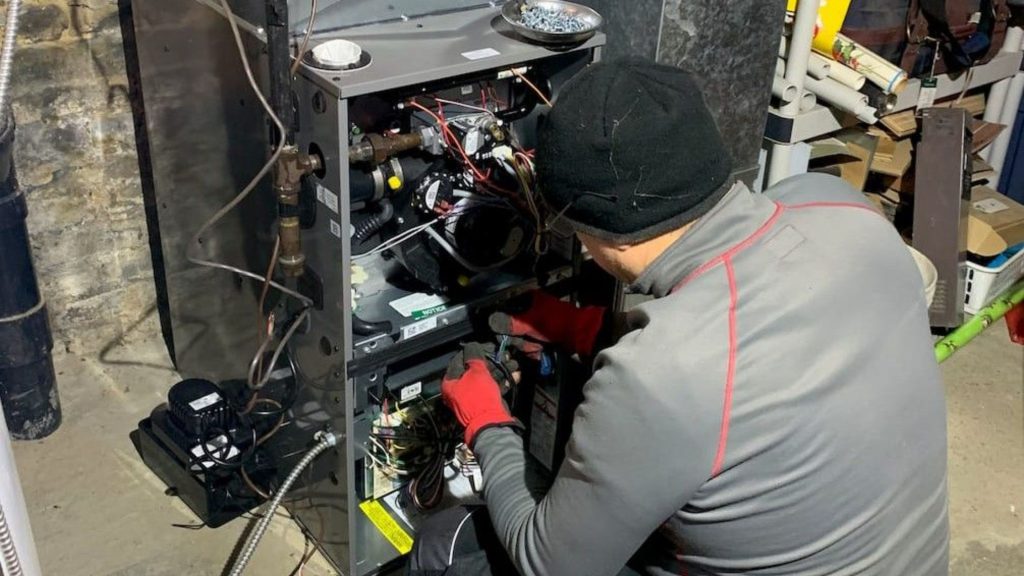
It’s important to determine whether you really need a new HVAC system. Maybe your current HVAC system is approaching the end of its lifespan, which will be evident by the continuous need for repairs and the decreased efficiency of your HVAC system.
If your HVAC system is not heating or cooling air sufficiently or consistently throughout your home, and you see a spike in your energy bills, these are telltale signs that you may need a new system. However, always be sure that whatever problem you are experiencing with your HVAC system is investigated thoroughly to determine exactly what the problem is.
Oftentimes, homeowners are advised to purchase new HVAC systems, but a second opinion reveals that they just need some repairs on their current system. Since installing a new system is costly, we always recommend that you get a second opinion if a contractor advises you to replace your current heating and air conditioning system.
How Much Does it Cost to Replace a Central Air Conditioning Unit?
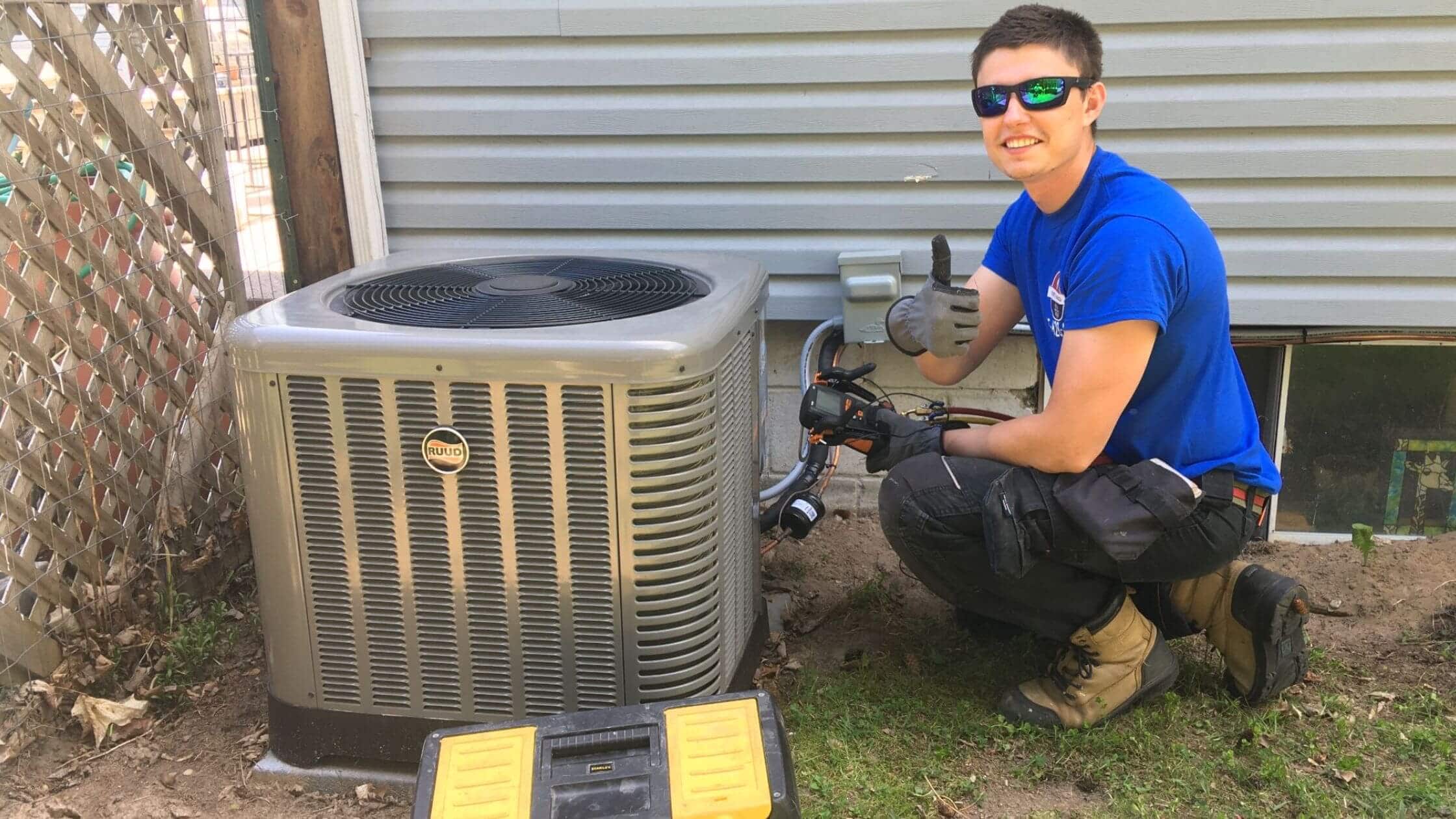
Asking how much it costs to install a new HVAC system is like asking how much it costs to purchase a new vehicle, It depends. The features of your HVAC system are a huge driver in how much the system will cost.
Based on the brand and model you select, it can cost anywhere from $3,000 to $6,000 to purchase a new HVAC system. Keep in mind that this does not include the installation cost.
It’s also important to note that just because a particular brand costs more does not necessarily mean that it gives you the best value for your money. It’s important to do your research on the various brands on the market to make sure that you are getting your money’s worth.
HVAC replacement costs can also vary based on where you live. Various regions have different guidelines that could affect how much your new HVAC system will cost to install.
Whether you have your new HVAC system installed by a licensed contractor or just someone who may have some knowledge of heating and air conditioning units will also affect the installation cost. Having your HVAC system installed by a professional is always recommended. This equipment requires some finessing at times to get the system installed correctly.
Many homeowners who opt to go the cheaper route end up paying more in the long run. This is because substandard materials may be used and unlicensed contractors are not as skilled as they should be.
Factors to Consider When Choosing the Right Brand for Your Needs
Size of Your Home
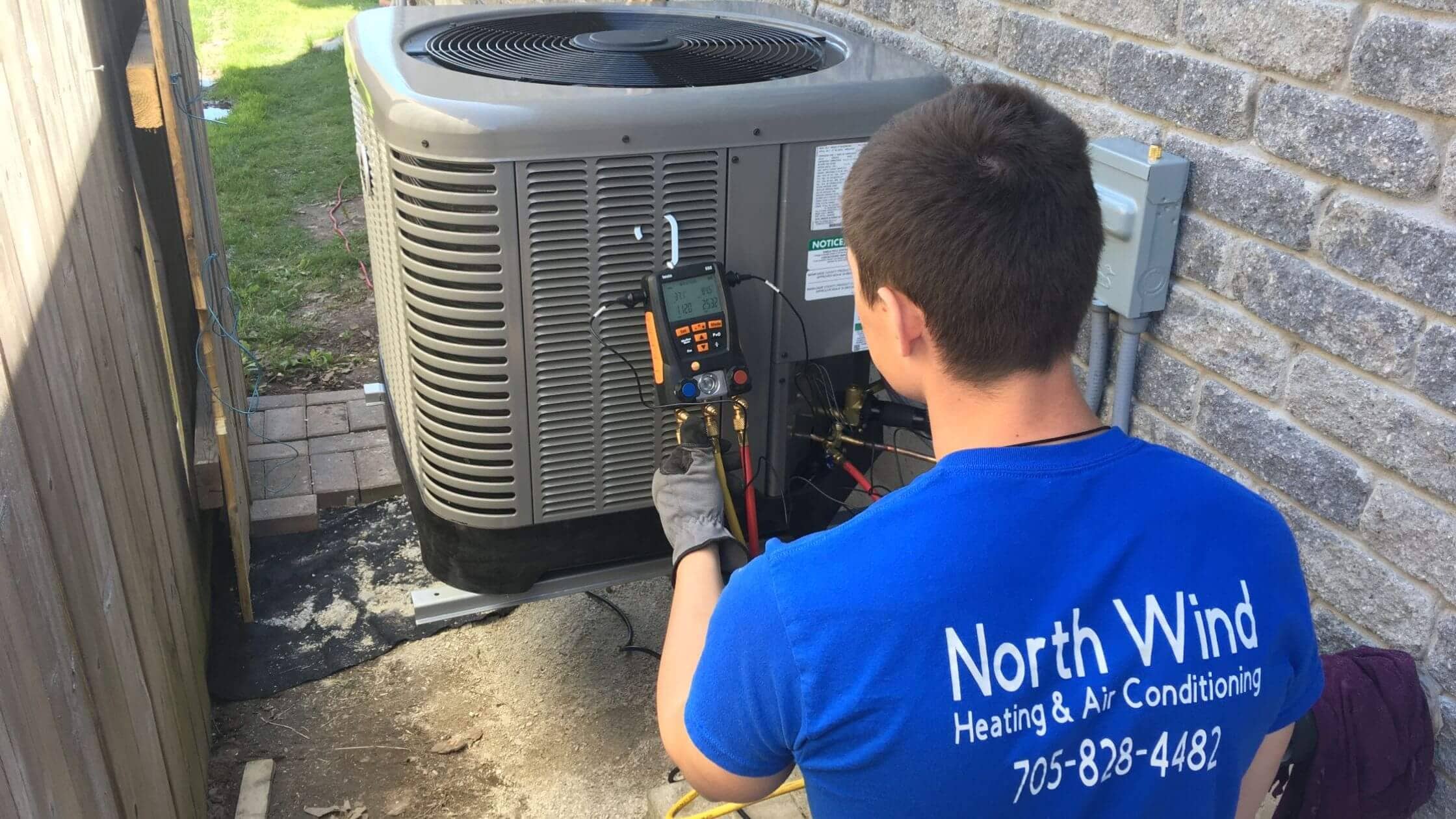
The size of your home will affect your HVAC system costs. Central air conditioners come in various sizes which determines the cost. The strength of your air conditioner is measured in tons, but not actually based on weight.
A ton, in this case, is the measurement of an air conditioner’s ability to cool your home. One ton means that the HVAC system can cool 12,000 BTUs, which stands for British Thermal Unit, per hour. Similarly, two tons would mean that the system is able to cool 24,000 BTUs per hour.
BTUs measure the amount of energy needed to heat or cool a pound of water by one degree Fahrenheit. So, how does this affect your HVAC installation cost? The larger your home is the more tons it will need to heat it up or cool it down. As a guideline, one ton typically is needed for every 400 – 600 hundred square feet of floor space. This means that if your home is between 2,000 and 3,000 square feet, it will roughly need a 5-ton HVAC system.
Ductwork
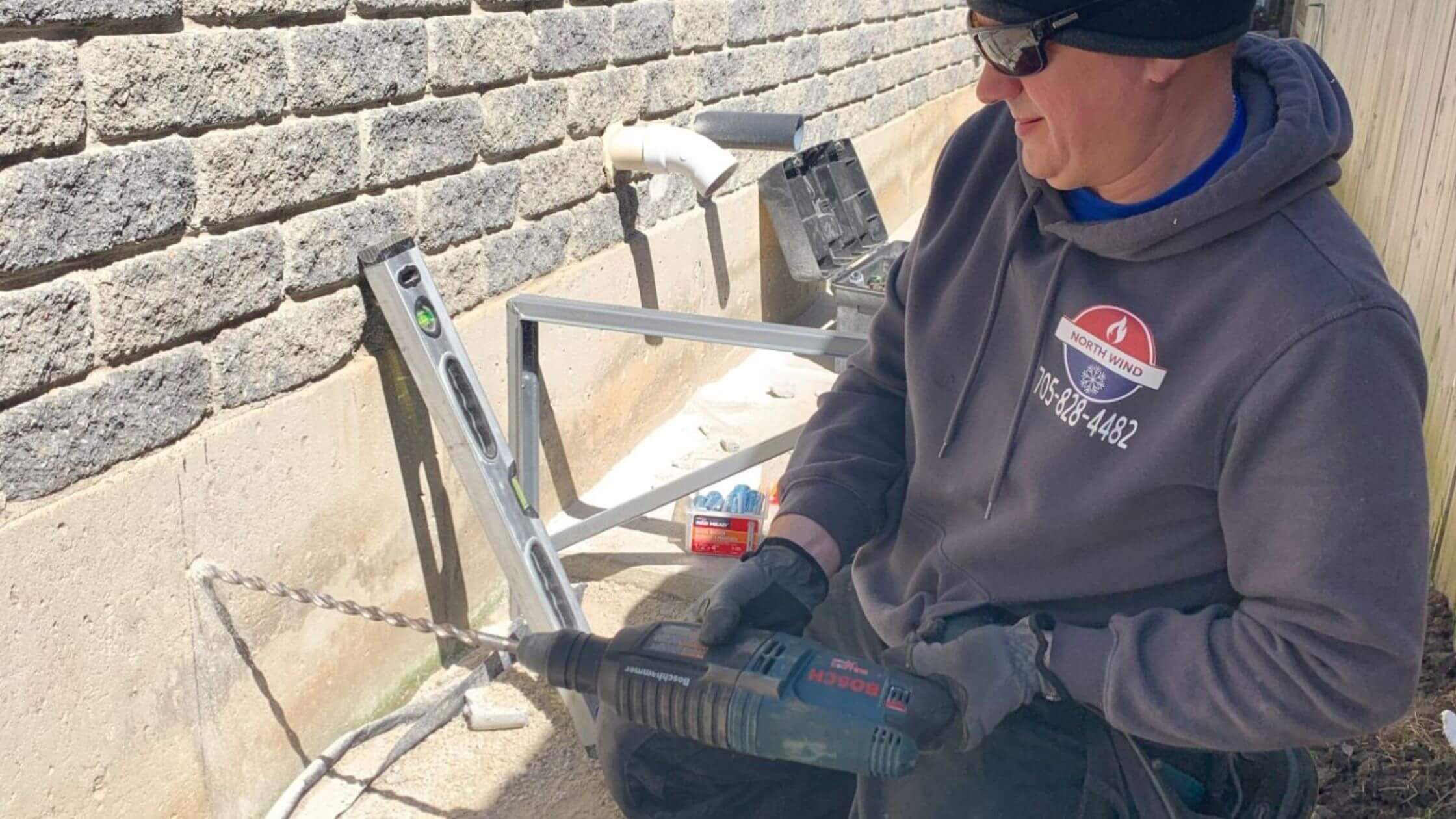
Installing new ductwork can raise the cost of installation by $6,000 to $10,000 on average. The process requires extensive labour and often takes a few days when done correctly. If ductwork is part of the new installation, it should have custom-fabricated manual dampers at each T-Y junction. This ensures that airflow is being balanced appropriately in each room. Sometimes contractors skip this step because it saves time and money, but it is important to have new ductwork installed when replacing an HVAC system.
SEER Value
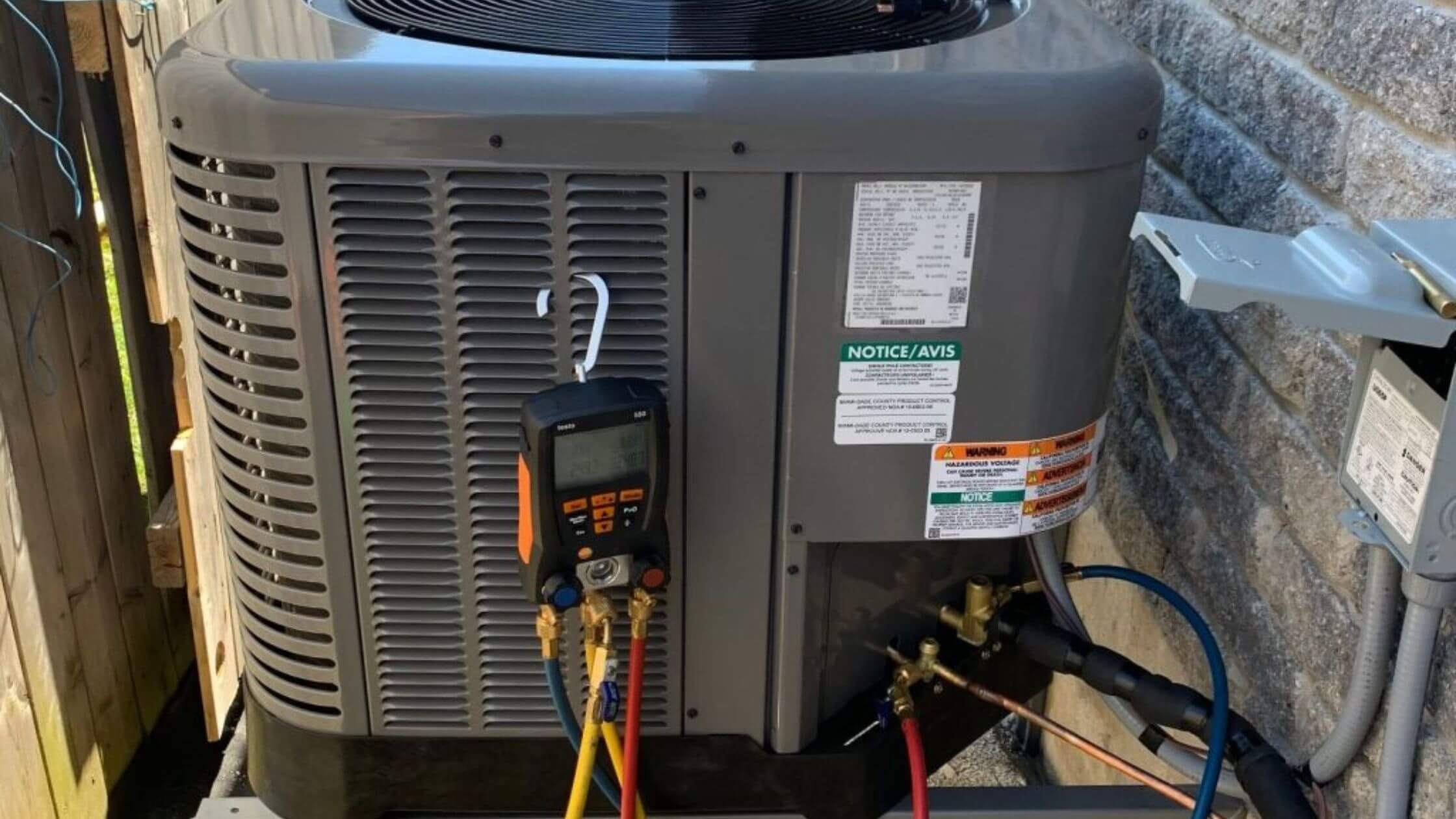
The SEER value of an HVAC system is the standard used to measure the efficiency of your system. The higher the SEER value of the system is, the lower it costs to operate it. Do take note that models with a higher SEER value cost significantly more. A SEER-16 model will give you good value for your money.
Level of Project Difficulty
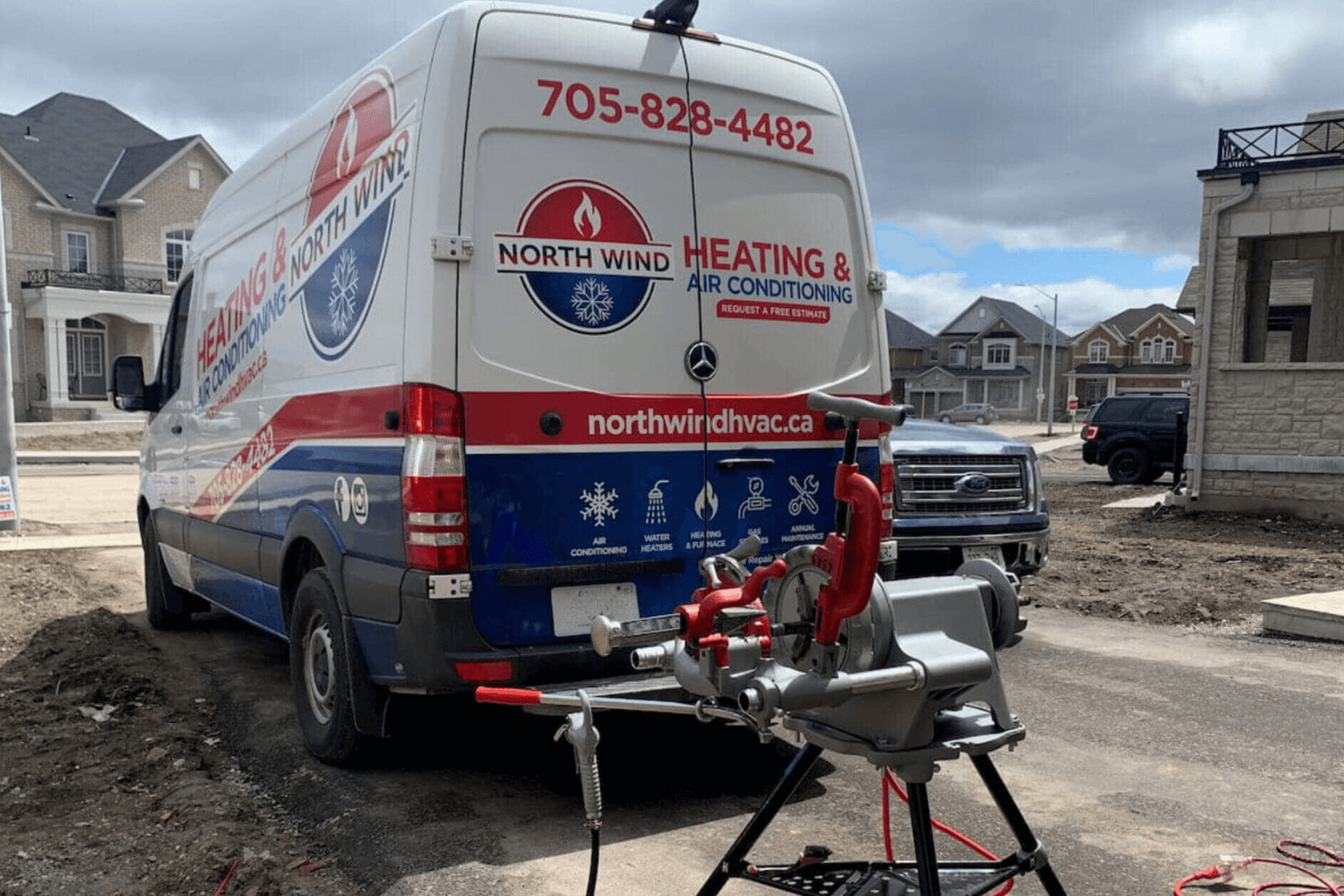
If your home has an attic that is small and difficult to access or requires numerous custom-fabricated parts, the cost of installation will increase. The type of home that you live in and existing features are often considered when getting a quote for the installation cost. The more complex the installation is the longer it will take and the more money it will cost you.
HVAC Price Breakdown
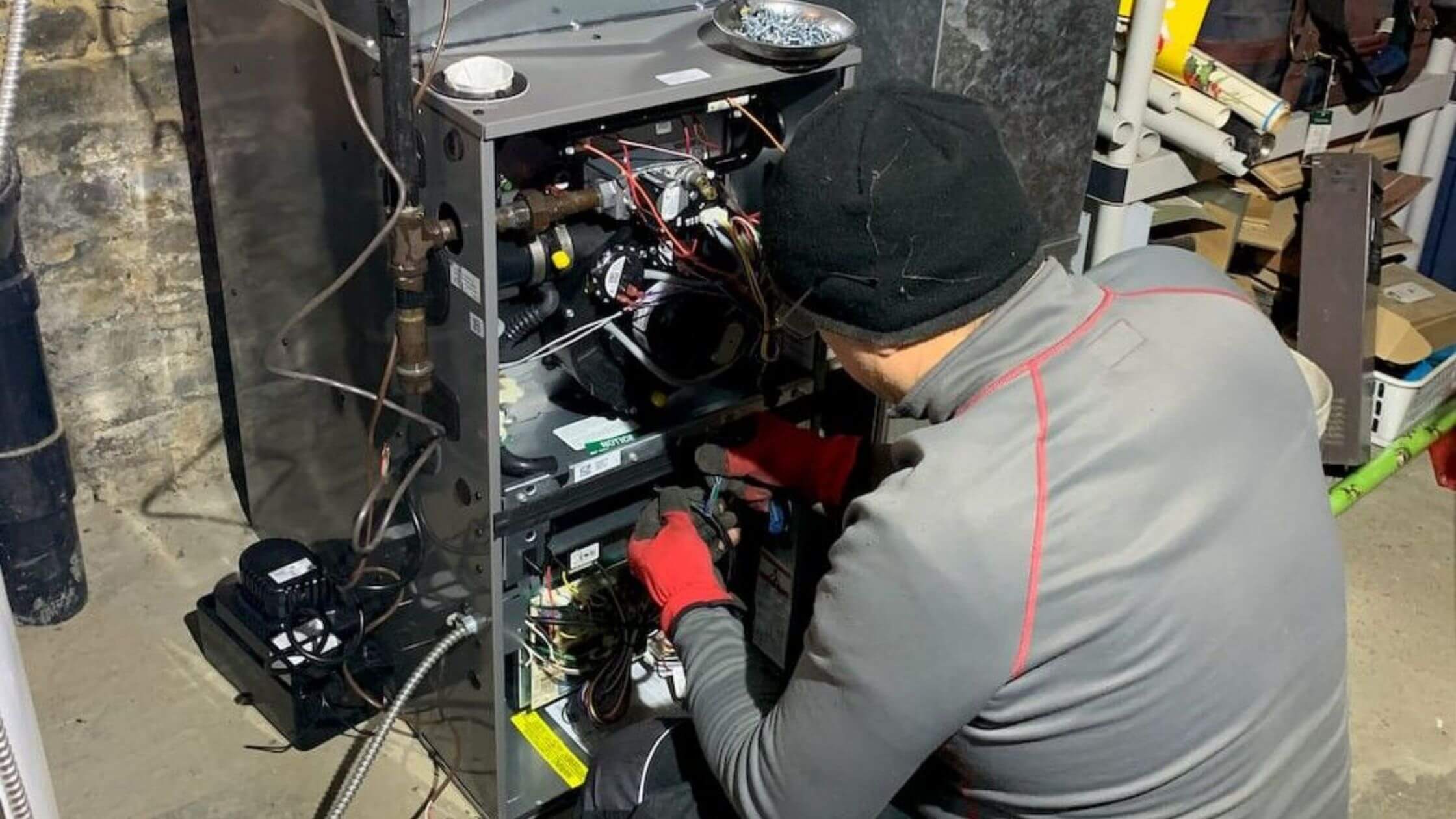
Replacing an old HVAC system with a new one is roughly $6,000 to $8,000. The price does not include any ductwork and is typically a one-day job. The cost for a full HVAC installation, which includes ductwork, is between $15,000 and $25,000 and typically takes 3 to 5 days to complete. Finally, the cost of a full HVAC installation with additional features ranges from $15,000 to $25,000 or higher. And typically takes 7 to 15 days.
Average Cost to Install a Furnace or an AC unit
The cost to replace a furnace or an air conditioner unit is between $2,800 to $5,800 depending on the brand and model.
Ductless AC Installation Cost
The cost differs from brand to brand and model. The amount of indoor AC units is an additional factor but on average the costs go between $2,500 to $15,000
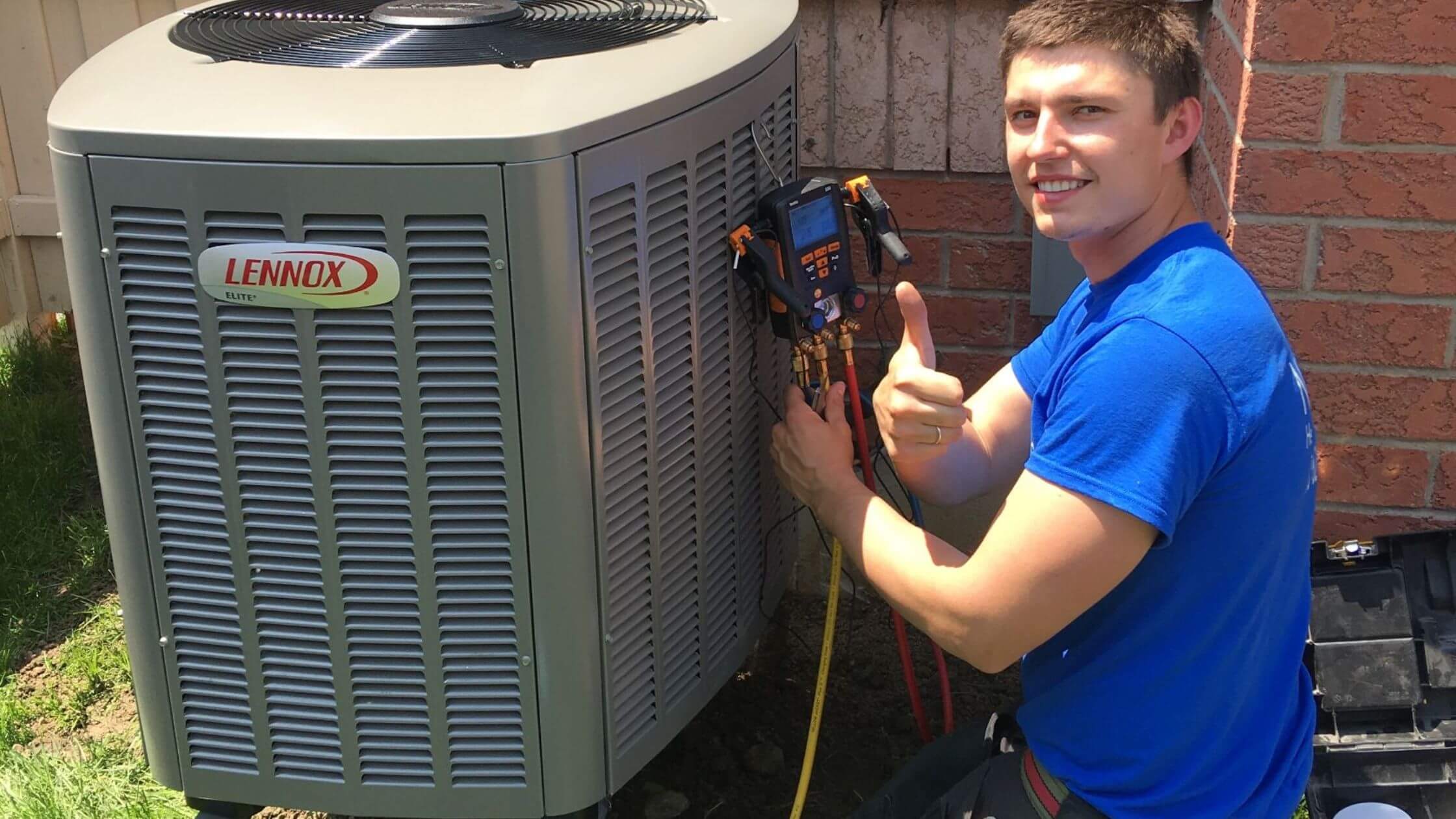
AC and Furnace Maintenance Cost
The cost of maintaining your AC unit or furnace is between $90 to $150 annually.
Tankless Water Heater Installation Cost
Depending on the brand and the model of the tankless water heater installation costs run between $2,500 to $5,000.
Hot Water Heater Installation Cost
Expect to pay between $1,500 to $3,500 for a hot water heater installation service, price varies on the make and model of the hot water heater.
RELATED ARTICLE: Common Furnace Problems & Solutions
✓ Expert Note — Our team has helped hundreds of Ontario homeowners reduce heating and cooling costs through equipment upgrades and operational changes. The figures below reflect current Ontario energy rates, equipment specs, and rebate programs.
Frequently Asked Questions About HVAC Energy Efficiency in Ontario
How can I reduce my heating bills in Ontario?
The biggest wins: upgrade to a high-efficiency furnace (96%+ AFUE saves 20–30% over an 80% AFUE unit), add or upgrade attic insulation, seal air leaks around doors/windows/penetrations, install a smart or programmable thermostat (saves 10–15% with proper setback schedules), and service your furnace annually to maintain peak efficiency. For homes heating with oil or propane, converting to natural gas or adding a heat pump can dramatically reduce operating costs.
What HVAC upgrades qualify for the Canada Greener Homes Grant?
The Canada Greener Homes Grant (up to $5,600) covers: insulation, air sealing, windows and doors, heat pumps (up to $5,000), solar panels, and EnerGuide evaluations. An eligible heat pump must meet specific energy efficiency requirements and must be installed by a registered contractor. The program requires a pre-retrofit EnerGuide audit ($150–$300) before installation, and a post-retrofit audit to confirm eligibility. Grants are paid directly to homeowners after the work is done and verified.
Is a smart thermostat worth it for Ontario homeowners?
Yes – typically pays back within 1–2 years. A smart thermostat like an ecobee or Nest can reduce heating and cooling costs by 10–23% annually through learning your schedule, automatic setbacks, and demand response participation (in Ontario, some utilities pay you to allow brief setbacks during peak demand events). Installation is straightforward on most forced-air systems, though multi-stage, heat pump, or radiant systems may need a C-wire or adapter.
What is the most energy-efficient heating system for Ontario in 2025?
In terms of operating efficiency, a cold-climate heat pump paired with a gas furnace backup (dual-fuel) is currently the most efficient option for most Ontario homes. Heat pumps move 2–4 units of heat per unit of electricity consumed (COP of 2–4), making them far more efficient than electric resistance heating. For homes on natural gas only, a 96%+ AFUE modulating condensing furnace is the peak of gas heating efficiency. Radiant hydronic systems (in-floor heating) are highly efficient for the right building type.
How much does it cost to run central air conditioning in Ontario per month?
Running a 3-ton, 14 SEER2 central AC in Ontario for a typical summer month (July or August) costs roughly $60–$120 depending on usage hours, local electricity rate, and home insulation. Ontario electricity rates average about $0.10–$0.13/kWh off-peak. A 3-ton unit draws about 3–4 kW when running. Using a programmable thermostat to raise the setpoint by 4–5°C during working hours saves 10–15% on cooling costs with almost no comfort impact.
What are Enbridge Gas rebates available for HVAC in Ontario in 2025?
Enbridge Gas (formerly Union Gas and Enbridge merger) currently offers rebates for: high-efficiency furnaces ($250–$1,000 depending on AFUE rating), smart thermostats ($75–$100), home energy assessments, and commercial equipment upgrades. Rebate amounts and eligibility change annually. Check enbridgegas.com/saveenergy for current programs or ask your HVAC contractor – they typically apply for rebates on your behalf as part of the installation process.
Does a dirty air filter really affect my energy bill?
Yes, significantly. A clogged filter forces your blower motor to work harder to pull air through, increasing electricity consumption by 10–15% or more. Restricted airflow can also cause the heat exchanger to overheat and trigger the high-limit safety switch, causing the furnace to short cycle – burning more gas for less heat output. In summer, restricted airflow causes the evaporator coil to freeze, eventually shutting down the AC entirely. Changing your filter every 1–3 months is one of the highest-ROI maintenance tasks you can do.

Written by
Sarah Mitchell
Commercial HVAC & Systems Specialist | Red Seal Certified
Sarah Mitchell is a Red Seal certified HVAC technician and commercial systems specialist with extensive experience designing and installing large-scale heating and cooling infrastructure across the GTA. Holding a Class A Refrigeration licence and deep expertise in hydronic radiant heating, heat pump systems, and commercial HVAC design, Sarah approaches every project with engineering-level rigour. She is an active member of ASHRAE and writes regularly about emerging HVAC technologies and commercial efficiency standards.
