 Proudly Canadian


 Home
Home Heating
 Cooling
 Heat Pumps
 Air Quality
 Other
OtherHVAC Tips and Tricks
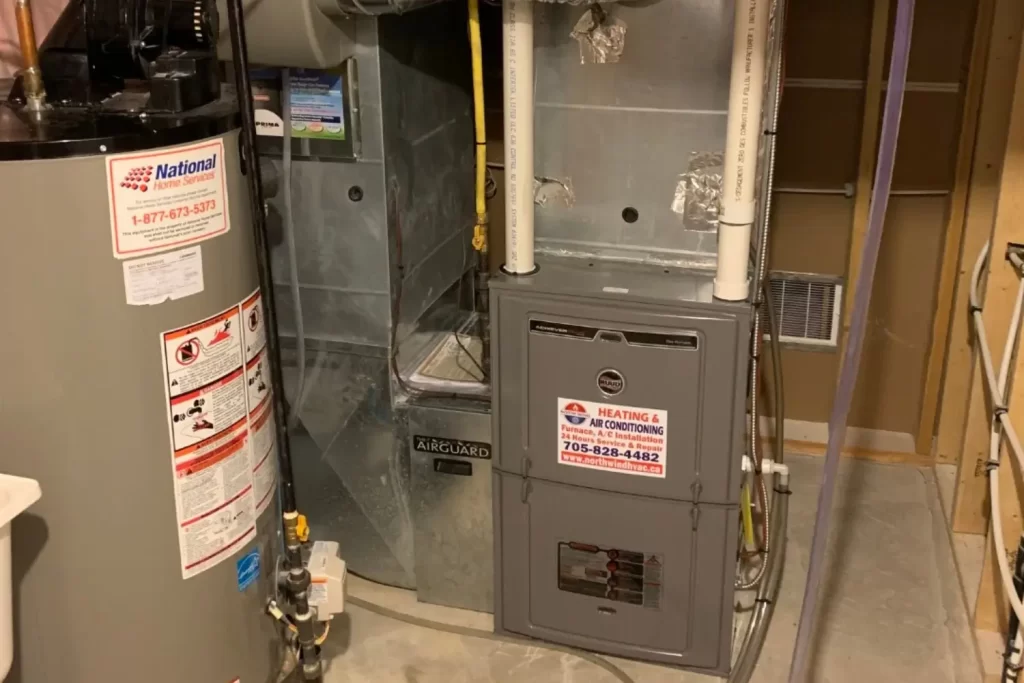
My Furnace Won’t Turn On: Step-By-Step Guide To Fix
Dec
There are few things worse than pulling into your driveway after a long winter day in Ontario, opening the front door… and realizing your house is freezing because your furnace won’t turn on.
When temperatures drop overnight in Innisfil, Barrie, or anywhere across the GTA, a furnace issue can feel stressful fast – especially if you’re not sure what’s safe to check and what should be left to a professional.
At North Wind HVAC, we talk to homeowners every winter who say the same thing:
“I just want to know what I can check before I panic and call for emergency service.”
That’s exactly why we put together this step-by-step, homeowner-friendly guide. We’ll walk you through safe, simple checks you can do yourself, explain why each step matters, and clearly tell you when it’s time to stop and call our certified HVAC technicians for emergency furnace repairs.
Grab a coffee – let’s go through this together.
Step-By-Step Guide To Fixing A Furnace That Won’t Turn On
Before you start:
If at any point you smell gas, see sparks, or feel unsure, stop immediately and call a professional. Your safety always comes first.
Step 1: Check Your Thermostat
What to check / how to fix it:
- Make sure the thermostat is set to “HEAT”
- Set the temperature 5–10 degrees higher than the current room temperature
- Replace the batteries if the thermostat uses them (even if the screen is still on)
- Make sure the fan setting is on “AUTO”, not “ON”
- If you have a smart thermostat, try restarting it (power outages during Ontario winter storms can cause issues)
Where it is:
- Usually mounted on a main-floor wall
- Often near the living room or hallway
- Should not be near windows, doors, or heat sources
What should happen next:
- You may hear a soft click from the thermostat or furnace within 30–60 seconds
- The furnace may take 1–3 minutes before warm air reaches the vents
- On some systems, the fan starts after the burners ignite – this is normal
✅ Safe for homeowners to check
Step 2: Check the Furnace Power Switch
What to check / how to fix it:
- Look for a switch that looks like a standard light switch
- Make sure it is flipped to the ON position
- If it’s already on, flip it OFF, wait 10 seconds, then turn it back ON
This switch is often accidentally bumped when storing items or cleaning the basement.
Where it is:
- Mounted on the side of the furnace
- Or on a nearby wall in the utility room or basement
What should happen next:
- The furnace may start immediately or after a short delay
- You might hear:
• A low hum
• A fan starting
• Clicking sounds from inside the unit
✅ Safe for homeowners to check
Step 3: Check Your Circuit Breaker
What to check / how to fix it:
- Go to your home’s electrical panel
- Look for a breaker labelled “Furnace,” “HVAC,” or “Heat”
- If it’s tripped, flip it fully OFF, then back ON
If the breaker trips again shortly after resetting, stop and call a professional.
Where it is:
- The electrical panel is usually in the basement, garage, or utility room
What should happen next:
- The furnace may restart within 30–90 seconds
- You may hear the furnace begin its normal startup cycle
⚠️ Safe to reset once
❌ Unsafe to repeatedly reset (call a professional if it keeps tripping)
Step 4: Make Sure the Furnace Door Is Secure
What to check / how to fix it:
- Ensure the front access panel is fully closed
- Tighten any loose screws
- The panel should sit flat and secure with no gaps
Most furnaces have a door safety switch that prevents operation if the panel isn’t properly installed.
Where it is:
- Front of the furnace cabinet
What should happen next:
- A safety switch engages when the door is seated properly
- The furnace may start up within 1–2 minutes
✅ Safe for homeowners to check
Step 5: Check and Replace the Furnace Filter
What to check / how to fix it:
- Turn the thermostat OFF
- Slide the furnace filter out
- If it looks dusty, grey, or clogged, replace it
- Insert the new filter with the airflow arrow pointing toward the furnace
- Turn the system back on
Dirty filters are one of the most common causes of furnace shutdowns during Ontario cold snaps.
Where it is:
- In a slot on the side or bottom of the furnace
- Or inside a return air duct near the furnace
What should happen next:
- The furnace may restart after 30–60 seconds
- Airflow from vents may feel stronger once the system is running
- Warm air can take a few minutes to circulate
✅ Safe for homeowners to do
Step 6: Check the Gas Supply (Gas Furnaces Only)
What to check / how to fix it:
- Look for the gas shut-off valve near the furnace
- The handle should be parallel to the gas line (ON)
- If it’s perpendicular, the gas is OFF
You can also test another gas appliance (like a stove) to confirm the supply.
Where it is:
- On the gas line entering the furnace
- Usually, a few feet from the unit
What should happen next:
- You may hear:
• A click
• A brief whoosh as burners ignite - The furnace may start its heating cycle within 1–2 minutes
⚠️ Safe to visually check
❌ Do NOT attempt repairs
🚨 If you smell gas: leave immediately and call your gas provider
Step 7: Look for Error Codes or Warning Lights
What to check / how to fix it:
- Look for blinking LED lights on the furnace control board
- Count the blinks
- Compare them to the code chart (usually inside the panel door)
This won’t fix the problem, but it helps a technician diagnose the issue faster.
Where it is:
- Small viewing window on the furnace cabinet
- The code chart is usually inside the front panel
✅ Safe to observe
❌ Do not remove internal components
Step 8: Check the Condensate Drain (High-Efficiency Furnaces)
What to check / how to fix it:
- Look for standing water near the furnace
- Check that the drain line isn’t frozen, kinked, or blocked
- If water keeps returning, stop troubleshooting
A clogged drain can trigger a float switch that shuts the furnace down.
Where it is:
- Plastic drain line coming from the furnace
- Condensate pump or drain pan near the base of the unit
What should happen next:
- Clearing minor blockages may allow the furnace to restart
- The system may take a minute to reset once the float switch disengages
⚠️ Safe to visually inspect
❌ Call a professional if water persists
When You Should Call Us For Emergency Services For Your Furnace
Some furnace problems should never be DIY – and we want you, your family, and your home to stay safe.
If your furnace still won’t turn on after the basic checks, or if anything feels off, it’s time to bring in a professional. North Wind HVAC offers emergency furnace repair 7 days a week across Innisfil, Barrie, Toronto, and the GTA.
1. Gas or Safety Concerns
Call us immediately if you notice:
- A gas or sulphur (“rotten egg”) smell
- Your carbon monoxide detector is going off
- Unusual flames, flames rolling out of the furnace, or scorch marks near the unit
Gas-related issues are especially serious. As TSSA-certified HVAC technicians, North Wind HVAC is fully qualified to repair, maintain, and install gas lines and gas-fired appliances safely and to code. If you suspect a gas issue, do not attempt adjustments yourself – leave the area and call a professional right away.
2. Mechanical or Electrical Issues
Professional service is required if you experience:
- The furnace turns on briefly, then shuts off repeatedly
- Loud banging, grinding, rattling, or squealing noises
- Circuit breakers that continue to trip
- A blower motor that isn’t running or is struggling
- Ongoing ignition, flame sensor, or control board issues
These problems often involve internal electrical components or safety systems that should only be handled by certified, insured technicians. Attempting repairs without proper training can damage the furnace or create safety hazards.
3. Cold-Weather Emergencies
Call North Wind HVAC right away if:
- You have no heat during overnight temperature drops
- There are children, seniors, or vulnerable occupants in the home
- Your furnace fails during an Ontario cold snap or extreme winter weather
In these situations, even a short loss of heat can lead to frozen pipes, water damage, or unsafe indoor conditions.
Call North Wind HVAC For Emergency Services
When you call us, you’re getting:
- TSSA-certified technicians authorized to work on gas systems
- Certified and insured HVAC professionals
- OEM replacement parts for reliable, long-lasting repairs
- A 1-month service warranty on all furnace repairs
- Fast response from local technicians who understand Ontario winters
When it comes to gas, electricity, and safety systems, guesswork is never worth the risk. We’re here to fix the problem properly – and keep your home safe and warm.
