 Proudly Canadian


 Home
Home Heating
 Cooling
 Heat Pumps
 Air Quality
 Other
OtherHVAC Tips and Tricks
Pros and Cons of Heat Pumps
Jan
At North Wind HVAC, we understand how challenging it can be to choose the right heating and cooling system for your home. That’s why we present to you an in-depth analysis of the advantages and disadvantages of heat pumps. Lets start with some basics:
What is a Heat Pump?
Before diving into the pros and cons, let us help you understand the definition of a heat pump. Our experts at North Wind HVAC can guide you through this efficient heating and cooling system.
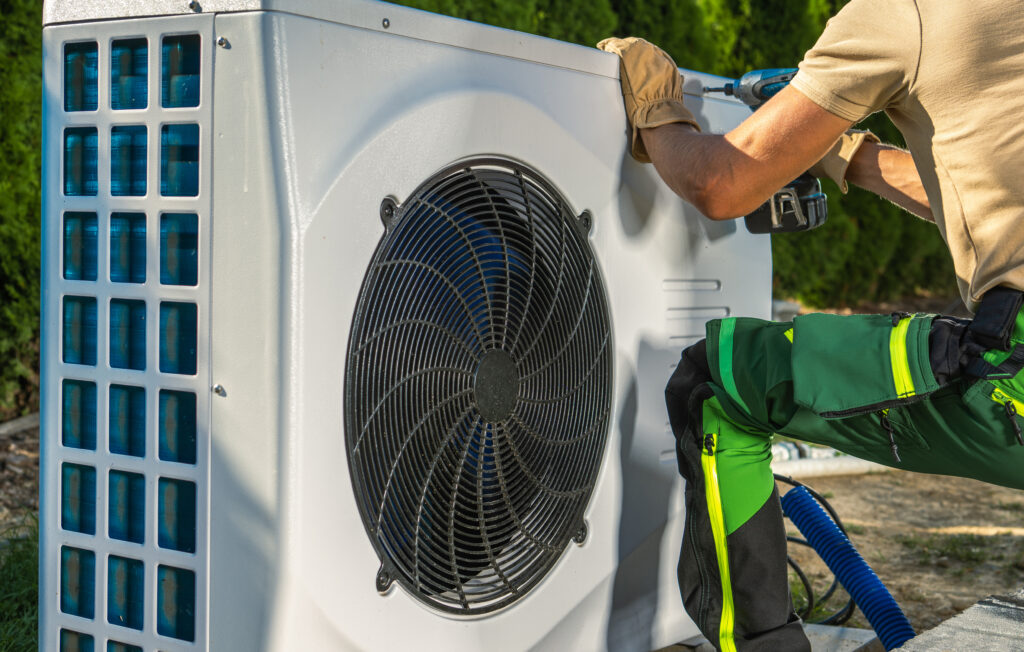
A heat pump is an HVAC device that transfers indoor and outdoor heat using a refrigerant. It can heat and cool a space, making it a two-in-one system, unlike traditional HVAC devices like furnaces and air conditioners. This system moves heat rather than generating it, making it energy-efficient and eco-friendly. Overall, a heat pump offers a great solution for Canadian homes looking for efficient heating and cooling options.
Pros of Heat Pumps
At North Wind HVAC, we believe that heat pumps have several advantages for Canadian homeowners.
| Advantages | Benefits |
|---|---|
| Energy Efficiency | Heat pumps only require electricity to transfer heat rather than create it, which reduces energy consumption and lowers your utility bills. |
| Versatility | Heat pumps provide both heating and cooling capabilities, eliminating the need for separate systems and giving you year-round comfort. |
| Longer Lifespan | Compared to traditional heating and cooling systems, heat pumps have a longer lifespan and require less maintenance, which can save you money in the long run. |
Our experts can help you assess the advantages and benefits of installing a heat pump in your home based on your specific needs and preferences. Contact us today to learn more!
Cons of Heat Pumps
While heat pumps offer many benefits, it’s important to consider the potential drawbacks for your home’s needs:
Efficiency in Cold Weather
Since heat pumps transfer heat between indoor and outdoor environments, they may struggle during extremely cold weather (when it gets really cold, around -20). As a result, supplemental heating may be necessary to meet the heating demands on the coldest days. At this case you can activate your furnace to help.
Higher Upfront Costs
In comparison to conventional heating and cooling systems, heat pumps can have a higher upfront cost. Proper sizing and installation are crucial to ensure optimal performance, so it’s essential to select a reputable installer for your heat pump. (it’s worth checking if there are any government grants to offset this cost) – see Natural Resources Canada for current incentives
By keeping these potential disadvantages in mind, you can make an informed decision about whether a heat pump is the right choice for your Canadian home’s heating and cooling needs.
Efficiency and Cost Considerations
When considering a new heating and cooling system for your home, it’s essential to evaluate both efficiency and cost. Heat pumps offer excellent efficiency, with the Coefficient of Performance (COP) measuring output per unit of energy input. Higher COP values indicate greater efficiency, with some models boasting COPs of 3 or more.
However, it’s worth noting that heat pump efficiency is affected by external factors like temperature and humidity. This can cause some models to lose efficiency during extremely cold weather, potentially leading to higher electricity usage and costs. Therefore, it’s crucial to examine the efficiency ratings of heat pumps under real-world conditions in your region.
The initial installation cost of a heat pump may be higher than traditional heating and cooling systems, but this can be offset by long-term savings on energy bills. Furthermore, maintenance costs may be lower since heat pumps have fewer mechanical components and longer lifespans compared to other systems.
Finally, it’s worth checking for potential rebates or incentives that may be available in your area. Provincial governments, municipalities, and utility providers may offer financial assistance. You can also check ENERGY STAR for certified heat pump models or tax credits to encourage the installation of energy-efficient systems like heat pumps. (when we wrote this article the government of Canada was giving up to $6500 back + $600 for the inspection, that’s $7100 in rebate – that’s an offset of 85% percent of the cost including installation on an average heat pump system)
North Wind HVAC’s Recommendation:
When comparing heat pump models, consider both the COP rating and upfront cost. A higher COP rating signifies greater efficiency, which can lead to long-term savings. However, you must also ensure that the heat pump is appropriately sized for your home’s heating and cooling needs.
At North Wind HVAC, we recommend scheduling a consultation to determine the optimal heat pump system for your home. Our experts can assess your home’s heating and cooling requirements and provide recommendations tailored to your needs and budget + our estimate is free.
Maintenance and Lifespan
We know that proper maintenance is essential in ensuring your heat pump operates efficiently for years to come. Regular inspections, filter cleanings or replacements, and annual professional maintenance are all recommended measures to maximize the lifespan and performance of your heat pump.
Heat pumps typically have a lifespan of 15-20 years, which can be extended with proper care and regular maintenance. Keeping up with maintenance requirements and scheduling timely service can help prevent potential issues and ensure your system operates at peak performance, ultimately saving you money on repairs and replacement costs.
Conclusion
We believe that heat pumps can be an excellent choice for Canadian homeowners when the conditions are right. Understanding the pros and cons of heat pumps, evaluating the climate, and considering the efficiency and cost factors can help you make an informed decision.
Heat pumps offer benefits such as energy efficiency, dual heating and cooling capabilities, and a longer lifespan, making them a cost-effective and versatile option. However, it’s crucial to note that they may struggle in extremely cold climates and have a higher upfront cost.
By working with professionals like us, homeowners can assess their options and determine if a heat pump is the right choice for their specific needs. We are always here to help and answer any questions you may have about heat pumps and HVAC systems.
✓ Expert Note — Our NATE-certified technicians have installed and serviced heat pump systems across Ontario, including cold-climate inverter-driven systems down to -30°C. The information below reflects current equipment capabilities and Ontario rebate programs as of 2025.
Frequently Asked Questions About Heat Pumps in Ontario
Do heat pumps work in Ontario winters?
Modern cold-climate heat pumps work effectively down to -25°C to -30°C. Technologies like Mitsubishi Hyper-Heat, Bosch IDS, and Carrier Infinity are specifically engineered for northern climates. That said, most Ontario homeowners use a heat pump as their primary system with a gas furnace backup (a “dual-fuel” setup), which provides excellent efficiency with full cold-weather coverage. A heat pump alone is viable in most of southern Ontario with the right equipment selection.
How much does a heat pump cost in Ontario in 2025?
A ducted air-source heat pump (replacing or supplementing a central AC) costs $4,500–$9,000 installed, depending on brand and HSPF2 rating. Cold-climate models from Mitsubishi, Carrier, or Bosch sit at the higher end. A ductless mini-split heat pump (single zone) runs $3,000–$5,500. Multi-zone ductless systems range from $7,000–$15,000+. Rebates can significantly reduce these costs – see the Greener Homes Grant and Canada HEAT programs.
What rebates are available for heat pumps in Ontario in 2025?
Several programs stack in 2025. The Canada Greener Homes Grant offers up to $5,000 for a qualifying heat pump (requires EnerGuide audit). The federal Oil to Heat Pump Affordability program offers up to $10,000 for homes heating with oil. Enbridge Gas sometimes offers additional incentives for dual-fuel setups. Some municipalities have local programs. Our team can walk you through the full rebate stack for your specific situation – this is an area where the paperwork is worth doing.
What is the difference between a heat pump and a central air conditioner?
A central air conditioner only cools. A heat pump does both – it cools in summer by moving heat out of the home, and heats in winter by extracting heat from outdoor air and moving it inside. The cooling side is essentially identical in operation and appearance. The key difference is the reversing valve in a heat pump that allows bidirectional refrigerant flow. Cost-wise, a heat pump typically costs $500–$1,500 more upfront than a comparable central AC but eliminates or reduces gas heating costs.
What HSPF2 rating should I look for in a heat pump for Ontario?
HSPF2 (Heating Seasonal Performance Factor, 2023 standard) measures heating efficiency. The new minimum in Canada is 7.5 HSPF2. For Ontario’s climate, look for a minimum of 9 HSPF2 for good performance. Cold-climate models rated 10–12 HSPF2 offer the best winter efficiency but come at a higher upfront cost. Pairing a 9.5+ HSPF2 heat pump with a gas backup furnace (dual-fuel) is the most popular and cost-effective setup for Ontario.
Can I use a heat pump as my only heating source in Ontario?
In most of southern Ontario (Toronto, GTA, Barrie area), a properly sized cold-climate heat pump can serve as a sole heating source, with standard resistance backup heating for extreme cold days. However, a dual-fuel system (heat pump + gas furnace) is generally more cost-effective because natural gas is cheaper per BTU than electricity when temperatures drop below -10°C to -15°C. The right answer depends on your specific home, utility rates, and how often you hit extreme cold.
How long does a heat pump last?
Air-source heat pumps typically last 15–20 years with regular maintenance. Because they run year-round (unlike AC-only units), annual servicing is especially important – including coil cleaning, refrigerant checks, filter changes, and defrost cycle verification. Ground-source (geothermal) heat pumps last 20–25 years for the indoor components and up to 50 years for the ground loop. North Wind HVAC services all major heat pump brands.

Written by
Sarah Mitchell
Commercial HVAC & Systems Specialist | Red Seal Certified
Sarah Mitchell is a Red Seal certified HVAC technician and commercial systems specialist with extensive experience designing and installing large-scale heating and cooling infrastructure across the GTA. Holding a Class A Refrigeration licence and deep expertise in hydronic radiant heating, heat pump systems, and commercial HVAC design, Sarah approaches every project with engineering-level rigour. She is an active member of ASHRAE and writes regularly about emerging HVAC technologies and commercial efficiency standards.
