 Proudly Canadian


 Home
Home Heating
 Cooling
 Heat Pumps
 Air Quality
 Other
OtherHVAC Tips and Tricks
What Is a Heat Pump
Mar
If you are looking for the right device to maintain the temperature of your house, a heat pump is what you should look at. The device offers year-round climate control for your home. When buying a new device, there are many questions that you may have. In this article, you will find all the answers to questions like what is a heat pump, how it works and if it is the right device for you.
Heat pumps are devices that are capable of heating as well as cooling your house as the weather changes. A lot of homeowners prefer a heat pump over air conditioners and furnaces that are installed separately. The device is also used to separate heating and cooling systems.
How Heat Pumps Work?
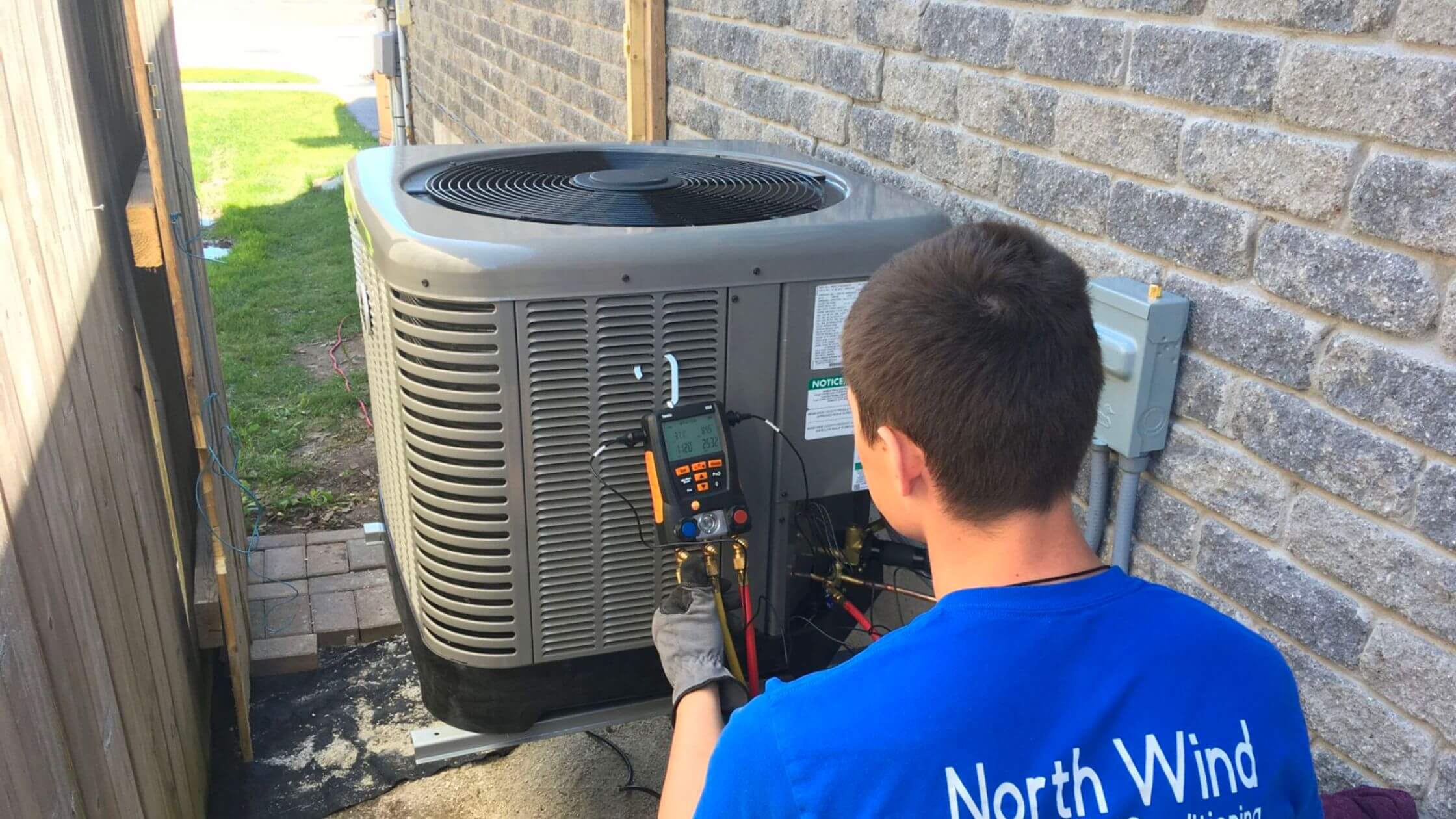
The technology used in heat pumps is similar to the technology used in air conditioners and refrigerators. Just like heat pumps, refrigerators and air conditioners also consist of coils that are responsible for the cooling. In fact, a refrigerator has a heat pump working in cooling mode connected to it. The first coil is located inside the insulator box and the condensing coil is underneath or behind the refrigerator which helps its interiors remain cool. The mechanism absorbs all the heat from inside and releases it outside. The same mechanism is used by an air conditioner that takes the heat from inside your house and releases it outside.
If you’re wondering how a heat pump works, we will explain the mechanism simply to you. Using electricity, the mechanism of this device moves the heat from one place to another. Which means, it can both heat and cool your house.
The main element in the working of a heat pump is a refrigerant. Evaporation and condensations are the processes involved in the mechanism of a heat pump. The heat is transferred by the circulation of the refrigerant through evaporation and condensation. There are two exchanger coils where the refrigerant is pumped to by the compressor of a heat pump. While one coil evaporates the refrigerant at low pressure in order to absorb heat from the surroundings, the other coil is responsible for condensing it at high pressure. The compressor compresses the refrigerant in its route from one coil to another. This way, the device releases the heat that was absorbed from the surroundings. When the cycle is reversed, the heat pump is able to release cool air into your home.
The reason why heat pumps remain effective in winters is because even at a certain temperature, there is a certain amount of heat which is drawn by the heat pump in winters and the same heat is rejected by its mechanism in the summer.
What is the Benefit of Having a Heat Pump
Heat pumps come with more than one benefit. Let’s start with the most obvious one:
- They work as both a heater and an air conditioner
Instead of installing two separate climate-control systems, all you need is one heat pump. This is especially an advantage when you want to save space in a small home. - They are cost and environment efficient
The mechanism of heat pumps is a lot more energy efficient. In fact, many home-owners vouch for heat pump efficiency that helps them save extra costs. Compared to other climate-control devices, heat pumps have a lower carbon emissions. These days, there are also some heat pumps that can also heat up your water thereby reducing your water heating bill by at least 25%. - Heat pumps are easier to maintain
Cleaning and maintaining a heat pump is much easier than cleaning and maintaining a furnace or an air conditioner for that matter. Since the mechanism is comparatively simpler, heat pumps are known for their easy maintenance and cleaning. - Heat pumps are a safer option that furnace
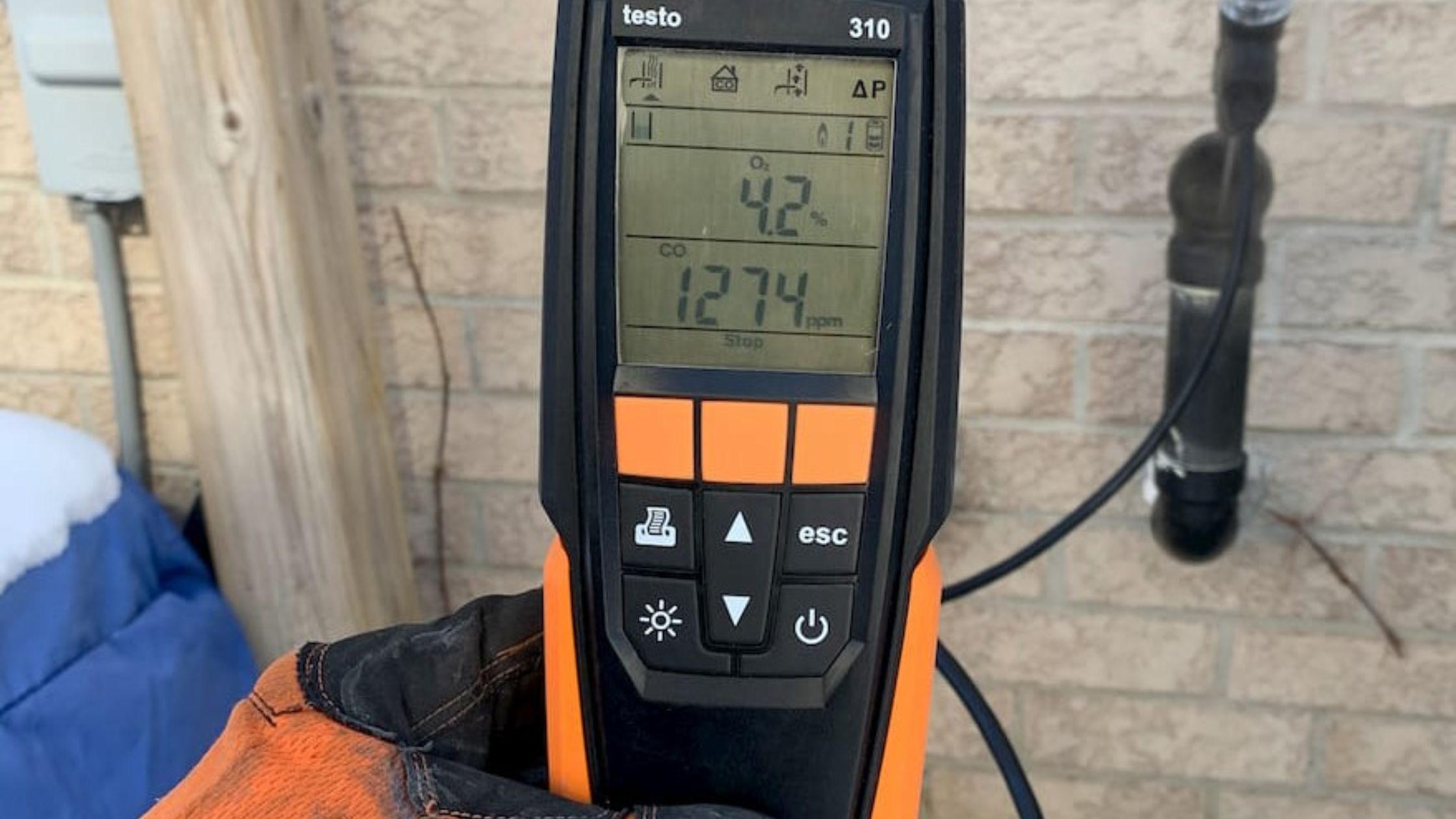
Carbon mono-oxide leaks are common in a furnace which requires you to keep an eye and invest in regular maintenance. Heat pumps on the other hand are electric and have no process of combustion in their mechanism. This is why they are much safer than furnaces. - Heat pumps are durable
On an average, a heat pump lasts for 15-20 years in maintenance that is a lot lesser than furnaces and air conditioners.
Heat Pump Maintenance
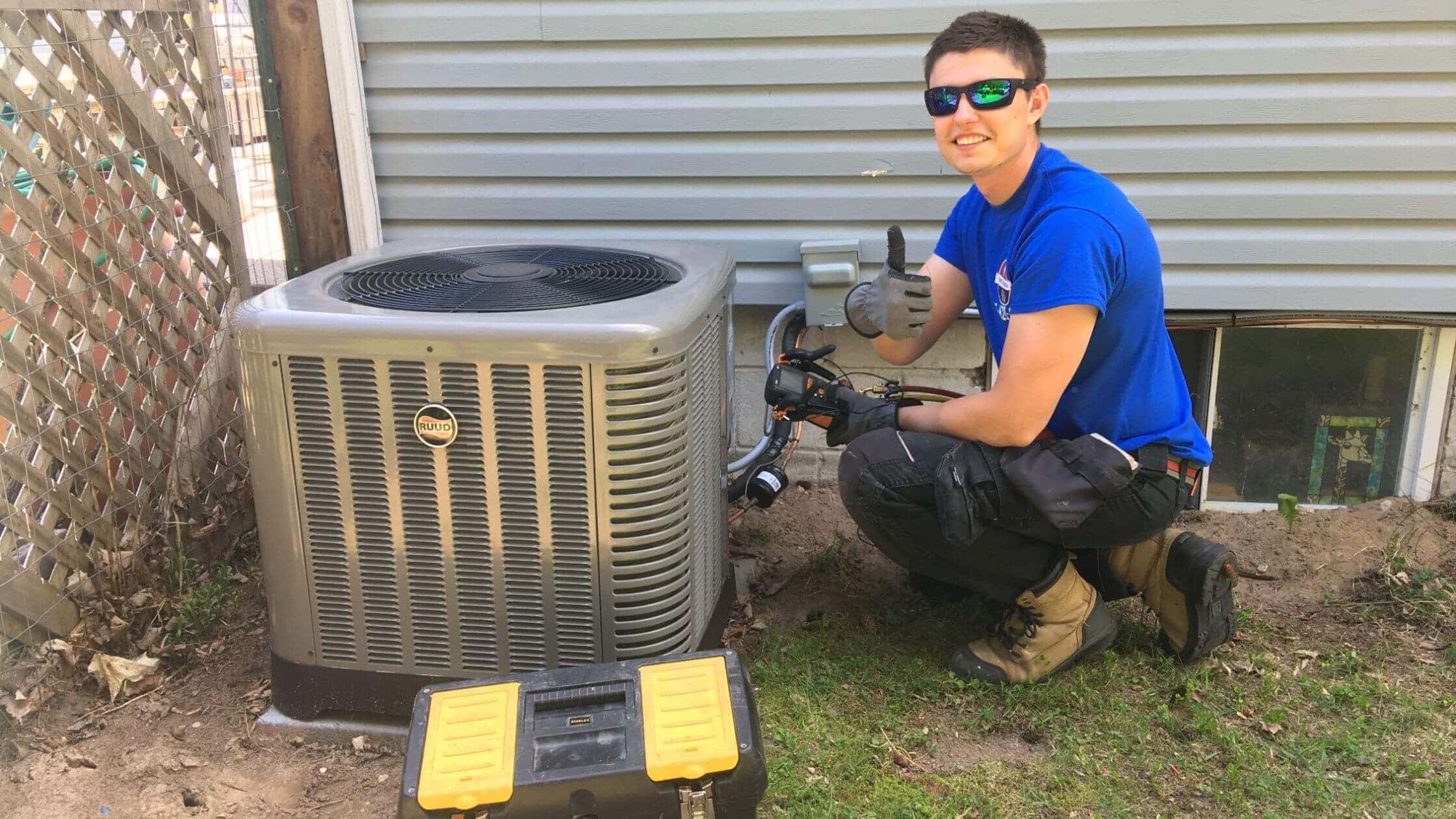
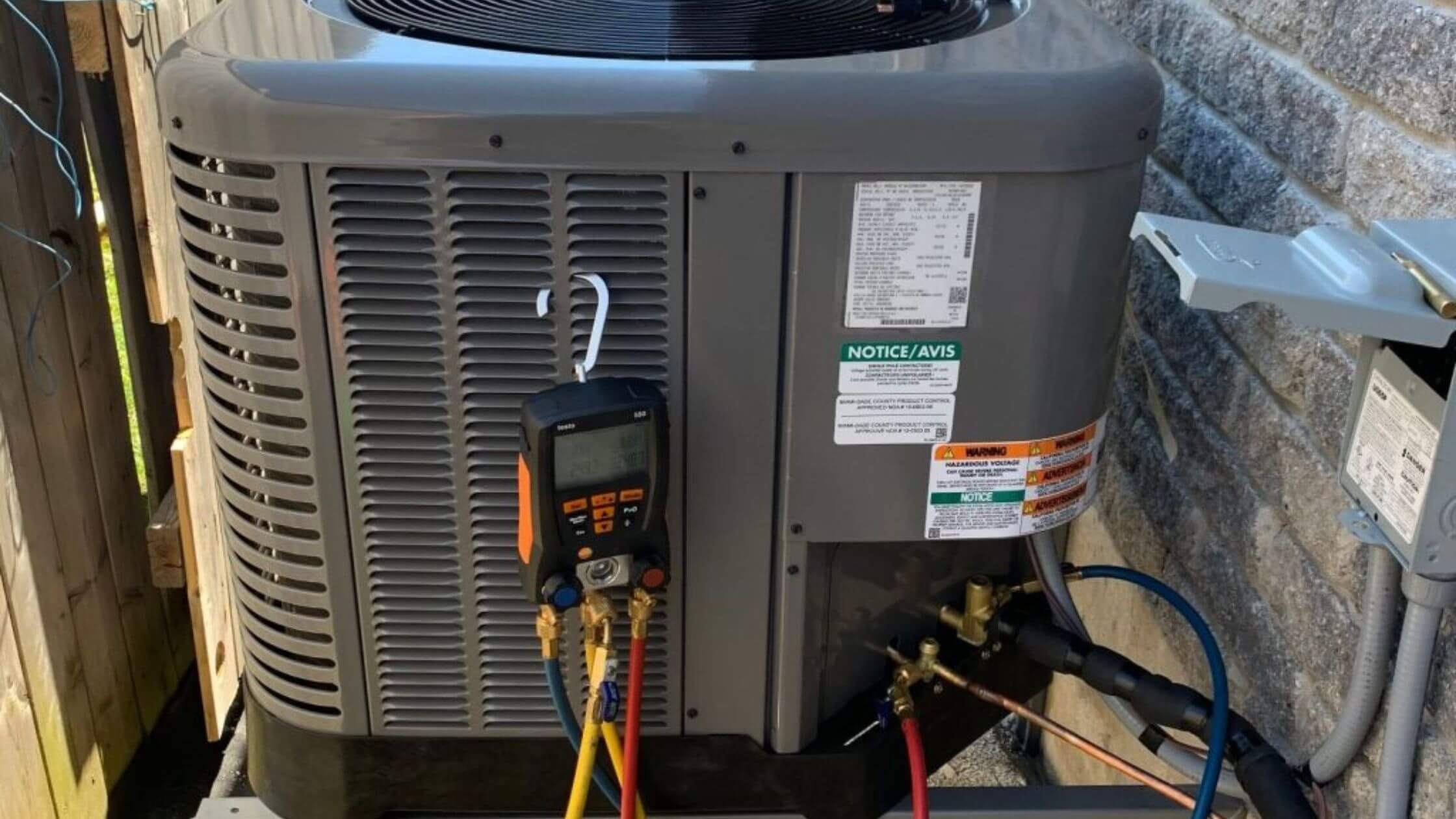
Maintaining a heat pump is easier than maintaining two different climate-control devices. You can go for annual or seasonal maintenance to ensure that your device is working fine all year long. Given that heat pump cleaning is easy and can be done using just a step tool and vacuum cleaner hose, this device is a no-fuss device for homeowners with a busy lifestyle. You must ensure that there is no residue like snow or grass or other dirt stuck to the external part of the heat pump. It is also recommended that you should appoint a professional inspection of your heat pump once every year.
What to Look for in a Heat Pump
There are a variety of heat pumps in the market which come with a variety of functions and features. Some will also heat the water for you. When you are looking for a heat pump, you should always check the warranty, efficiency, the brand and the rating of the device. Ensure that you go through the types of heat pumps before you buy (read on to find You should also give good thought to the size of the device to ensure that it is not consuming a lot of space.

How Much Does a Heat Pump Cost
A heat pump can cost anywhere $2000-$8000. This usually includes installation. You can also get a single-room heat pump that will cost you $500 on an average. The heat pump cost also depends on the type of heat-pump you chose. Making sure that your heat pump is well maintained gives it a life-span for 15+ years which makes it a value for money.
How Much Electricity Does a Heat Pump Use
Many homeowners prefer heat pumps for their energy efficiency. They are the most cost-effective form of climate-control. They usually cost between 20-30 cents an hour and since the heat is retained for a long time, a normal bill should not be for more than $2-$3 a day.

What Size Heat Pump Do I Need?
The size of the heat pump depends on the size of your home and the area that the heat pump needs to operate for. Calculate the total square feet and generally allot one ton per 500 feet.
How Does a Heat Pump Work With a Furnace
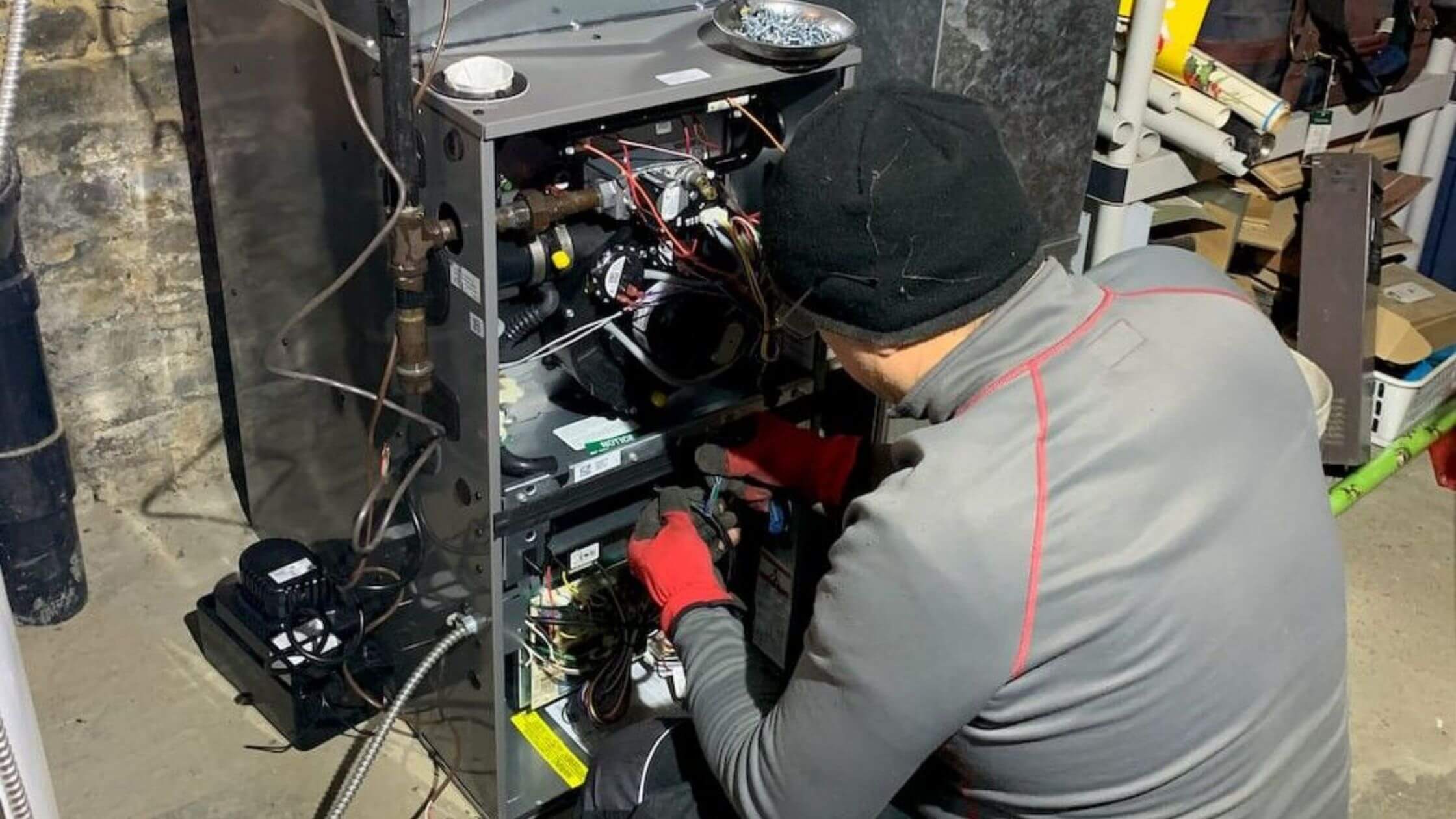
Many homeowners use heat pumps and furnaces together. This is a dual-fuel system in case where the demand for heat is more. The gas furnace makes the indoor temperature reach a certain amount and then the heat pump takes over to maintain consistency and energy efficiency.
How to Use a Heat Pump Most Efficiently
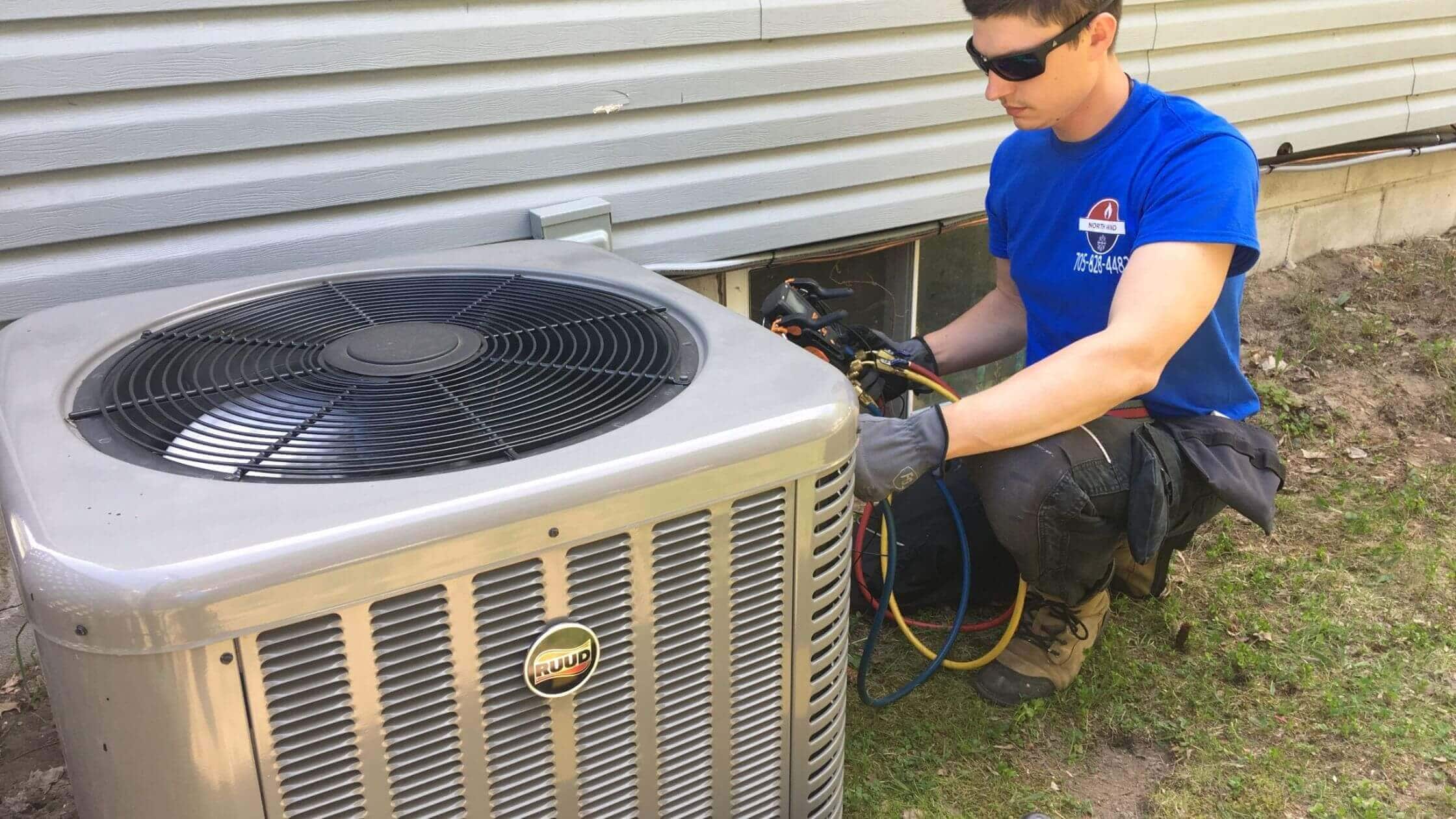
Following are some ways in which you can increase your heat pump efficiency:
- Do not change the temperature frequently.
- Keep the outdoor unit clean.
- Optimize fan setting and air flow direction
- Keep the filters of the indoor unit clean
- Go for professional inspection and professional repair in case of faults.
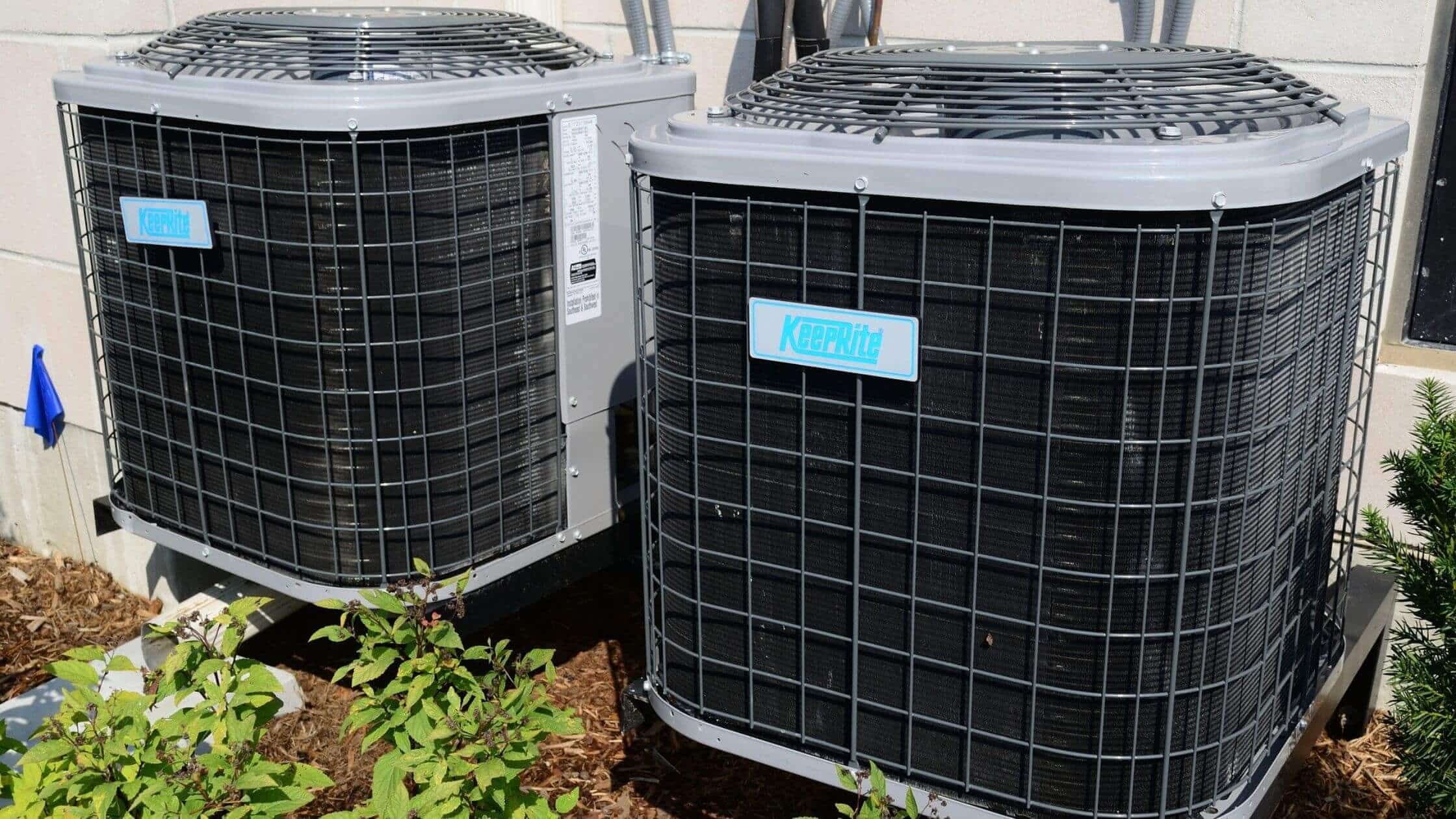
What are the major components of a heat pump system?
Following are the major heat pump components:
- Condenser
- Evaporator
- Compressor
- Coil
- Refrigerant
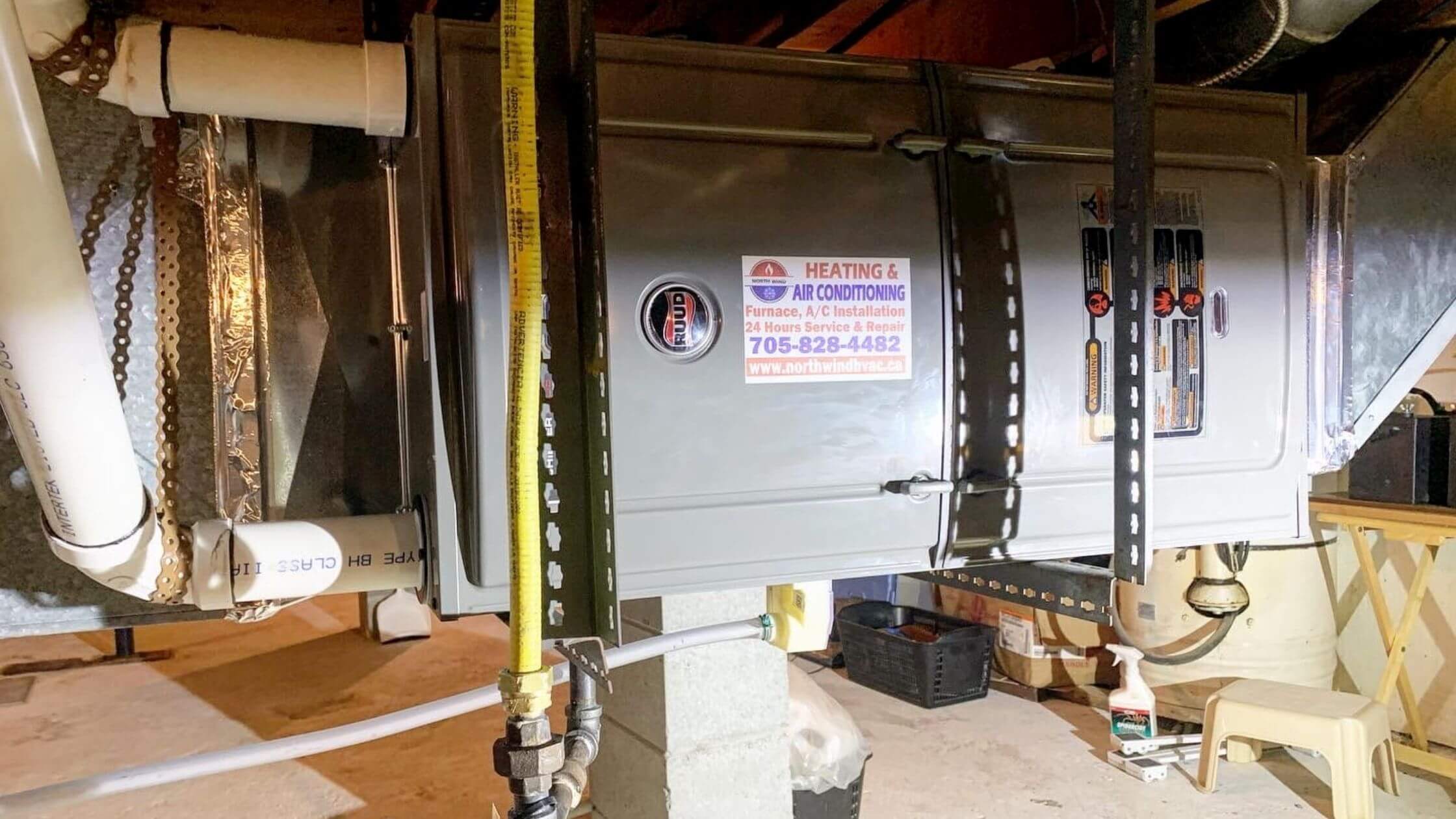
Heat Pump vs Furnace
Furnaces are prone to fire and carbon-monoxide gas leaks. However, furnaces are electric and work with combustion. Compared to heat pumps, furnaces are high-maintenance and more harmful towards the environment. Heat pumps also offer a better air quality than furnaces. This is why it is better to opt for heat pump vs furnace. However, since temperatures in Canada go extremely low, it is recommended to have gas furnaces as a backup.
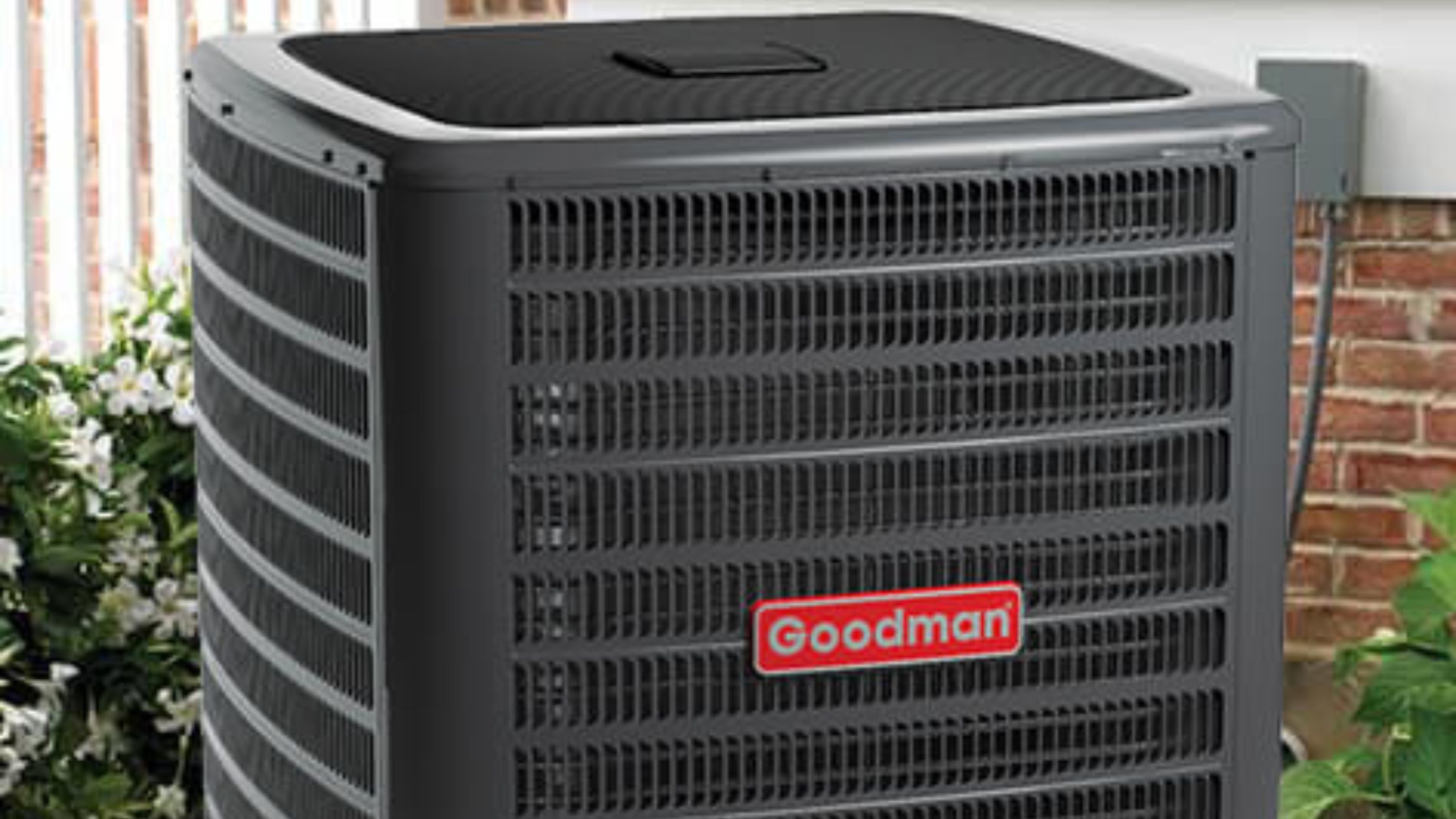
Heat Pump vs AC
Homeowners prefer heat pump vs AC because they are more energy efficient. This is also because heat pumps offer a dual setting of hot and cold which makes them more versatile. However, choosing one over the other depends on the climate. In case of extreme climates, an AC provides continuous cooling. However, since heat pumps have a more balanced mechanism, they retain most of the natural elements of the air around you and offer more comfortable cooling which is comparatively less dryer than the AC.
Types of Heat Pumps
Following are the most popular types of heat pumps:
- Air Source
If you are looking for inexpensive climate control in moderate climate, air source heat pumps are preferable. Within these, you can go for duct or ductless heat pumps. - Water Source
Just like the name suggests, water source heat pumps absorb heat from water. They are more common in areas close to a water source like a lake or a pond. However, they are not preferred in suburban areas. - Geothermal
Geothermal heat pumps use thermal energy stored underground and transfer heat in just like air source heat pumps. They are more efficient however, they are bulky and require excavation which makes their installation trivial.
RELATED ARTICLE: Common Furnace Problems & Solutions
✓ Expert Note — Our NATE-certified technicians have installed and serviced heat pump systems across Ontario, including cold-climate inverter-driven systems down to -30°C. The information below reflects current equipment capabilities and Ontario rebate programs as of 2025.
Frequently Asked Questions About Heat Pumps in Ontario
Do heat pumps work in Ontario winters?
Modern cold-climate heat pumps work effectively down to -25°C to -30°C. Technologies like Mitsubishi Hyper-Heat, Bosch IDS, and Carrier Infinity are specifically engineered for northern climates. That said, most Ontario homeowners use a heat pump as their primary system with a gas furnace backup (a “dual-fuel” setup), which provides excellent efficiency with full cold-weather coverage. A heat pump alone is viable in most of southern Ontario with the right equipment selection.
How much does a heat pump cost in Ontario in 2025?
A ducted air-source heat pump (replacing or supplementing a central AC) costs $4,500–$9,000 installed, depending on brand and HSPF2 rating. Cold-climate models from Mitsubishi, Carrier, or Bosch sit at the higher end. A ductless mini-split heat pump (single zone) runs $3,000–$5,500. Multi-zone ductless systems range from $7,000–$15,000+. Rebates can significantly reduce these costs – see the Greener Homes Grant and Canada HEAT programs.
What rebates are available for heat pumps in Ontario in 2025?
Several programs stack in 2025. The Canada Greener Homes Grant offers up to $5,000 for a qualifying heat pump (requires EnerGuide audit). The federal Oil to Heat Pump Affordability program offers up to $10,000 for homes heating with oil. Enbridge Gas sometimes offers additional incentives for dual-fuel setups. Some municipalities have local programs. Our team can walk you through the full rebate stack for your specific situation – this is an area where the paperwork is worth doing.
What is the difference between a heat pump and a central air conditioner?
A central air conditioner only cools. A heat pump does both – it cools in summer by moving heat out of the home, and heats in winter by extracting heat from outdoor air and moving it inside. The cooling side is essentially identical in operation and appearance. The key difference is the reversing valve in a heat pump that allows bidirectional refrigerant flow. Cost-wise, a heat pump typically costs $500–$1,500 more upfront than a comparable central AC but eliminates or reduces gas heating costs.
What HSPF2 rating should I look for in a heat pump for Ontario?
HSPF2 (Heating Seasonal Performance Factor, 2023 standard) measures heating efficiency. The new minimum in Canada is 7.5 HSPF2. For Ontario’s climate, look for a minimum of 9 HSPF2 for good performance. Cold-climate models rated 10–12 HSPF2 offer the best winter efficiency but come at a higher upfront cost. Pairing a 9.5+ HSPF2 heat pump with a gas backup furnace (dual-fuel) is the most popular and cost-effective setup for Ontario.
Can I use a heat pump as my only heating source in Ontario?
In most of southern Ontario (Toronto, GTA, Barrie area), a properly sized cold-climate heat pump can serve as a sole heating source, with standard resistance backup heating for extreme cold days. However, a dual-fuel system (heat pump + gas furnace) is generally more cost-effective because natural gas is cheaper per BTU than electricity when temperatures drop below -10°C to -15°C. The right answer depends on your specific home, utility rates, and how often you hit extreme cold.
How long does a heat pump last?
Air-source heat pumps typically last 15–20 years with regular maintenance. Because they run year-round (unlike AC-only units), annual servicing is especially important – including coil cleaning, refrigerant checks, filter changes, and defrost cycle verification. Ground-source (geothermal) heat pumps last 20–25 years for the indoor components and up to 50 years for the ground loop. North Wind HVAC services all major heat pump brands.

Written by
Sarah Mitchell
Commercial HVAC & Systems Specialist | Red Seal Certified
Sarah Mitchell is a Red Seal certified HVAC technician and commercial systems specialist with extensive experience designing and installing large-scale heating and cooling infrastructure across the GTA. Holding a Class A Refrigeration licence and deep expertise in hydronic radiant heating, heat pump systems, and commercial HVAC design, Sarah approaches every project with engineering-level rigour. She is an active member of ASHRAE and writes regularly about emerging HVAC technologies and commercial efficiency standards.
