 Proudly Canadian


 Home
Home Cooling
 Heating
 Heat Pumps
 Air Quality
 Other
Other
As the summer heat settles in Toronto and the Greater Toronto Area (GTA), your home’s air conditioner becomes your ultimate companion. Maintaining a comfortable and pleasant living environment for you and your household. However, just like any other appliance, air conditioners have a lifespan. Over time, they may show signs of wear and tear that indicate it’s time for a replacement. In this comprehensive guide, we will share six essential signs that indicate you need to replace your air conditioner. We have included practical tips and advice to ensure a smooth transition to a new and efficient cooling solution.
Age of Your Air Conditioner
The age of your air conditioner is a crucial factor in determining whether it’s time for a replacement. On average, a well-maintained air conditioner can last between 10 to 15 years. If your unit has surpassed this timeframe, it’s likely that it may encounter more frequent breakdowns, reduced efficiency, and higher energy consumption. Upgrading to a newer, more energy-efficient model can bring numerous benefits, including lower utility bills and improved cooling performance.
Practical Tip: Check the manufacturer’s label or installation date on your unit to determine its age. If it’s approaching or beyond the 10 to 15-year mark, consider investing in a new air conditioner.
Decreased Cooling Performance
One of the most apparent signs that your air conditioner is struggling is reduced cooling performance. If you notice that your Toronto home is not getting as cool as it used to or there are temperature inconsistencies throughout different rooms, it may indicate underlying issues with your AC unit. These problems could range from clogged air filters and ductwork issues to compressor malfunctions.
Practical Tip: Regularly clean or replace air filters and ensure proper airflow throughout the system. If the cooling performance doesn’t improve, contact our team at North Wind HVAC to schedule an inspection with our licensed HVAC technicians.

Frequent and Costly Repairs
As your air conditioner ages, it may require more frequent repairs to keep it operational. Frequent service calls can quickly add up in costs, making repair expenses less cost-effective than investing in a new air conditioner. If you find yourself calling technicians regularly for AC issues, it might be time to upgrade your air conditioner.
Practical Tip: Keep track of repair expenses and compare them to the cost of a new air conditioner. If repair costs exceed a significant portion of a new system’s price, it’s a strong indication that replacement is the wiser choice.
Rising Energy Bills
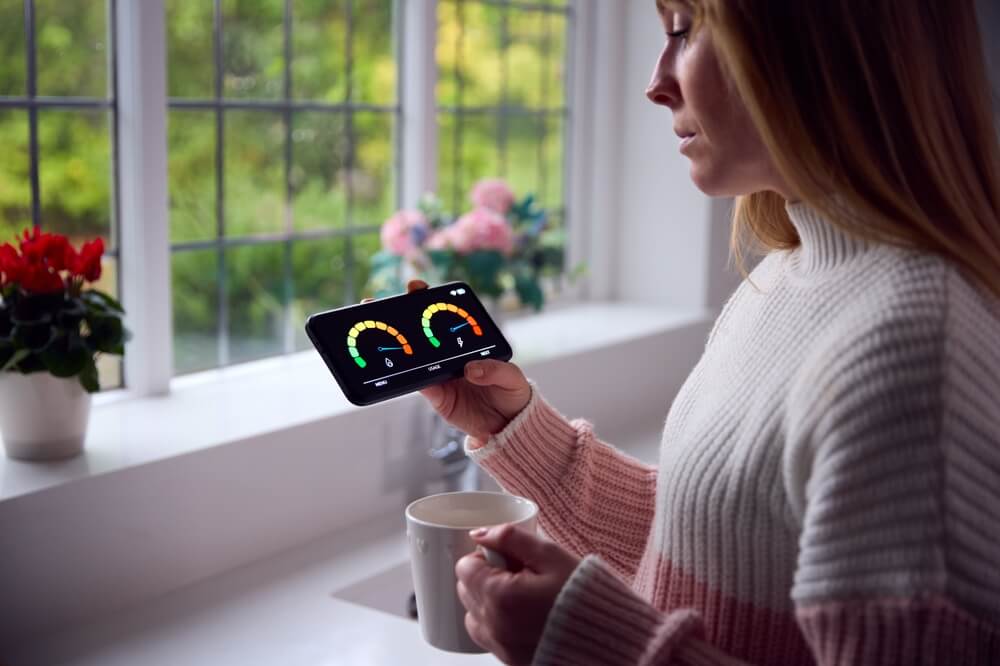
A significant increase in your energy bills without any corresponding changes in your cooling habits or increased temperature in Toronto & GTA, may signal that your air conditioner is becoming inefficient. Older air conditioners tend to consume more energy to deliver the same cooling output as newer, energy-efficient models.
Practical Tip: Monitor your monthly energy bills and track any unusual spikes. Consider upgrading to a high SEER (Seasonal Energy Efficiency Ratio) rated air conditioner. This option is great for improved energy efficiency and long-term cost savings.
Unusual Noises and Odors
Strange noises coming from your air conditioner, such as grinding, squealing, or scraping sounds, are indicative of internal problems that require immediate attention. Additionally, unpleasant odours emitted from the vents may indicate mould or other issues within the system, posing potential health hazards.
Practical Tip: Address any unusual noises or odours promptly by scheduling an inspection with a professional North Wind HVAC technician. They will be able to diagnose the source of the problem and determine if replacement is necessary.
Freon Usage and Environmental Impact
If your air conditioner uses an R-22 refrigerant (Freon), it’s essential to know that this refrigerant has been phased out by the Environmental Protection Agency due to its harmful effects on the ozone layer. As a result, servicing and repairing units with R-22 can be costly and environmentally detrimental.
Practical Tip: Consider upgrading to a new air conditioner that uses R-410A refrigerant. An eco-friendly alternative that is not harmful to the environment and is readily available.
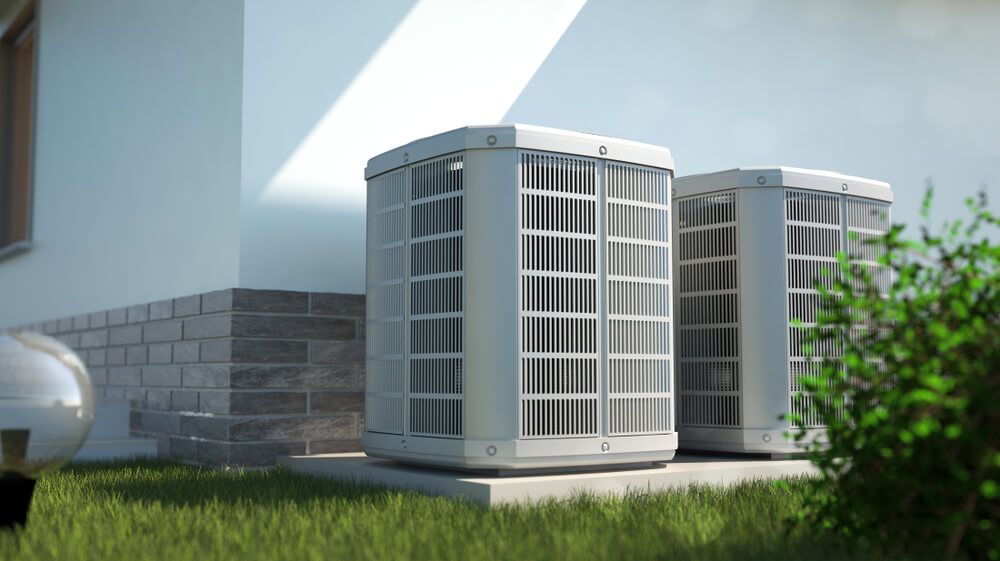
Knowing the signs that indicate it’s time to replace your air conditioner is crucial. At North Wind HVAC, we believe that an informed decision is the key to a smooth transition to a new and reliable cooling system. By recognizing these six essential signs and following the practical tips and advice provided. You can make an educated choice that will keep your home cool and comfortable for years to come.
✓ Expert Note — Our NATE-certified and TSSA-licensed technicians have serviced thousands of air conditioning systems across the GTA. The answers below reflect what we actually see and fix in Ontario homes and businesses every summer.
Frequently Asked Questions About Air Conditioner Repair in Ontario
How much does AC repair cost in Ontario in 2025?
AC repairs in Ontario typically range from $150–$700 depending on the issue. Common fixes like replacing a capacitor or contactor cost $150–$300. Refrigerant top-ups run $200–$400 depending on refrigerant type (R-410A vs R-22) and amount needed. Compressor replacement is the most expensive repair at $800–$1,500 – at that cost, replacement often makes more sense. Emergency same-day calls add a service fee of $80–$150.
Why is my air conditioner running but not cooling the house?
The most common reasons: low refrigerant (leak or improper charge), dirty evaporator or condenser coils blocking heat transfer, a failed capacitor preventing the compressor from starting, frozen evaporator coil due to restricted airflow, or a failing compressor. A clogged air filter is often overlooked – replace it first. If that doesn’t fix it, a technician needs to diagnose refrigerant level and component function with proper gauges.
How often should I have my air conditioner serviced?
Once per year is the standard recommendation – ideally in spring before the cooling season starts. An annual AC tune-up typically includes cleaning the condenser coils, checking refrigerant levels and pressure, inspecting electrical connections and capacitors, lubricating moving parts, and testing system performance. Regular maintenance extends equipment life and catches problems before they cause a breakdown in the middle of a summer heat wave.
Is it better to repair or replace a 10-year-old air conditioner?
If the repair is under $500 and the unit is otherwise running well, repair usually makes sense for a 10-year-old unit. If the compressor has failed (a major repair), or if you’re facing repeated breakdowns, replacement is worth considering. Modern units with SEER2 ratings of 16–18 are significantly more efficient than units made before 2015. The energy savings alone can justify the upgrade within 5–7 years in Ontario’s climate.
Can my AC be repaired in the winter in Ontario?
Yes, though most repairs are best done in the shoulder seasons (spring/fall). Refrigerant work typically cannot be done when outdoor temperatures are below 10°C, as system pressures behave differently in the cold. However, electrical component replacements (capacitors, contactors, control boards), coil cleaning, and diagnostics can all be done year-round. Scheduling service in the off-season often means faster booking and no emergency surcharges.
What are the signs my air conditioner needs repair or replacement?
Key warning signs include: the unit is not cooling effectively despite running constantly, you hear unusual noises (grinding, banging, or hissing), the system cycles on and off frequently (short cycling), there is ice forming on the refrigerant lines, you notice a significant increase in electricity bills, or the unit is over 12–15 years old and facing a costly repair. Any refrigerant leak (hissing sound or ice buildup) needs immediate attention.
Do I need a licensed technician to recharge AC refrigerant in Ontario?
Yes. In Canada, only licensed HVAC technicians with an ODP (Ozone Depleting Products) certificate are legally permitted to handle refrigerants. Handling refrigerant without certification is a federal offence under the Environmental Protection Act. Never let an unlicensed person handle your AC refrigerant – it is both illegal and a safety risk. All North Wind HVAC technicians carry the required certification.

Written by
Oleksii Sitalo
Oleksii Sitalo is an HVAC professional with hands-on experience in heating, cooling, air conditioning, furnace systems, and home comfort solutions.
