 Proudly Canadian


 Home
Home Heating
 Cooling
 Heat Pumps
 Air Quality
 Other
OtherHVAC Tips and Tricks
Furnace Humidifier – All You Need To Know
Jun
There is nothing worse than walking across a carpet in the winter and getting that inevitable ‘zap’ when you reach for the door handle.
What is the cause of this shocking experience? It could be that your furnace doesn’t have a humidifier, keeping the air from getting too dry. Adding humidity to the air can provide a more comfortable living space. But do you need one?
Here are some helpful tips on helping you decide if you need a humidifier for your home or business.
What is a Furnace Humidifier?
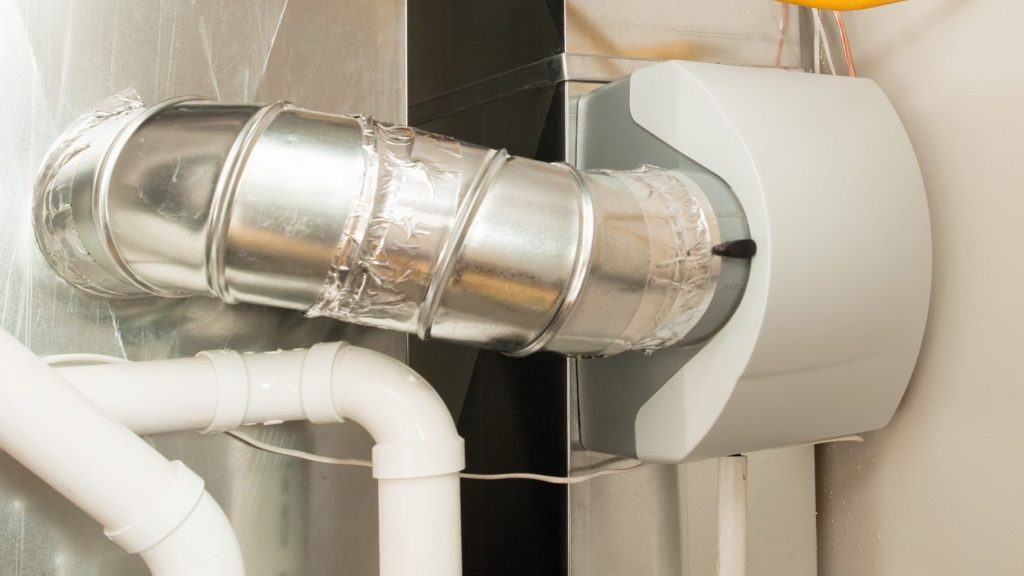
When we turn on the heat during the winter, we don’t always think about how drying it can be to the air in our homes. We may notice our hands feeling dry or a tickle in our throat and blame it on the cold air outside when in reality it’s the inside air that is the problem. A furnace humidifier helps control the humidity levels by adding moisture into the air based on the temperature and humidity level in the home.
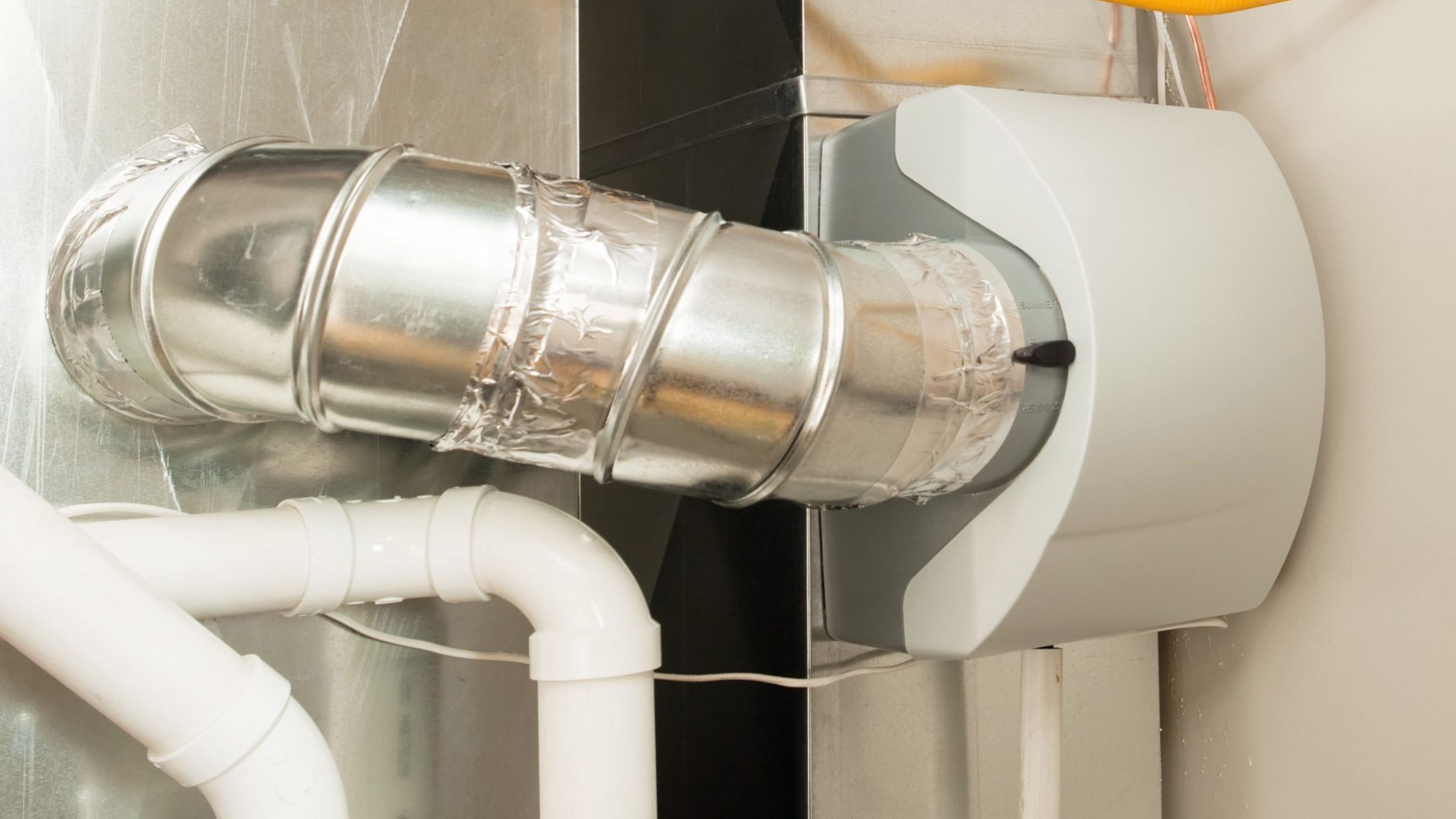
The three most common types of humidifiers are:
- Bypass humidifiers add moisture to warm air through the furnace. These types of humidifiers require a drain bypass and reuse their water supply to reduce water usage.
- Fan Powered Humidifiers use a fan to push the warm air through the water tray to increase moisture. They are also more efficient than bypass humidifiers, producing an additional gallon of moisture a day.
- Steam Humidifiers provide the safest and cleanest humidifier experience. They operate by boiling water to create humidity and push it through the ventilation system.
What Does A Humidifier Do?
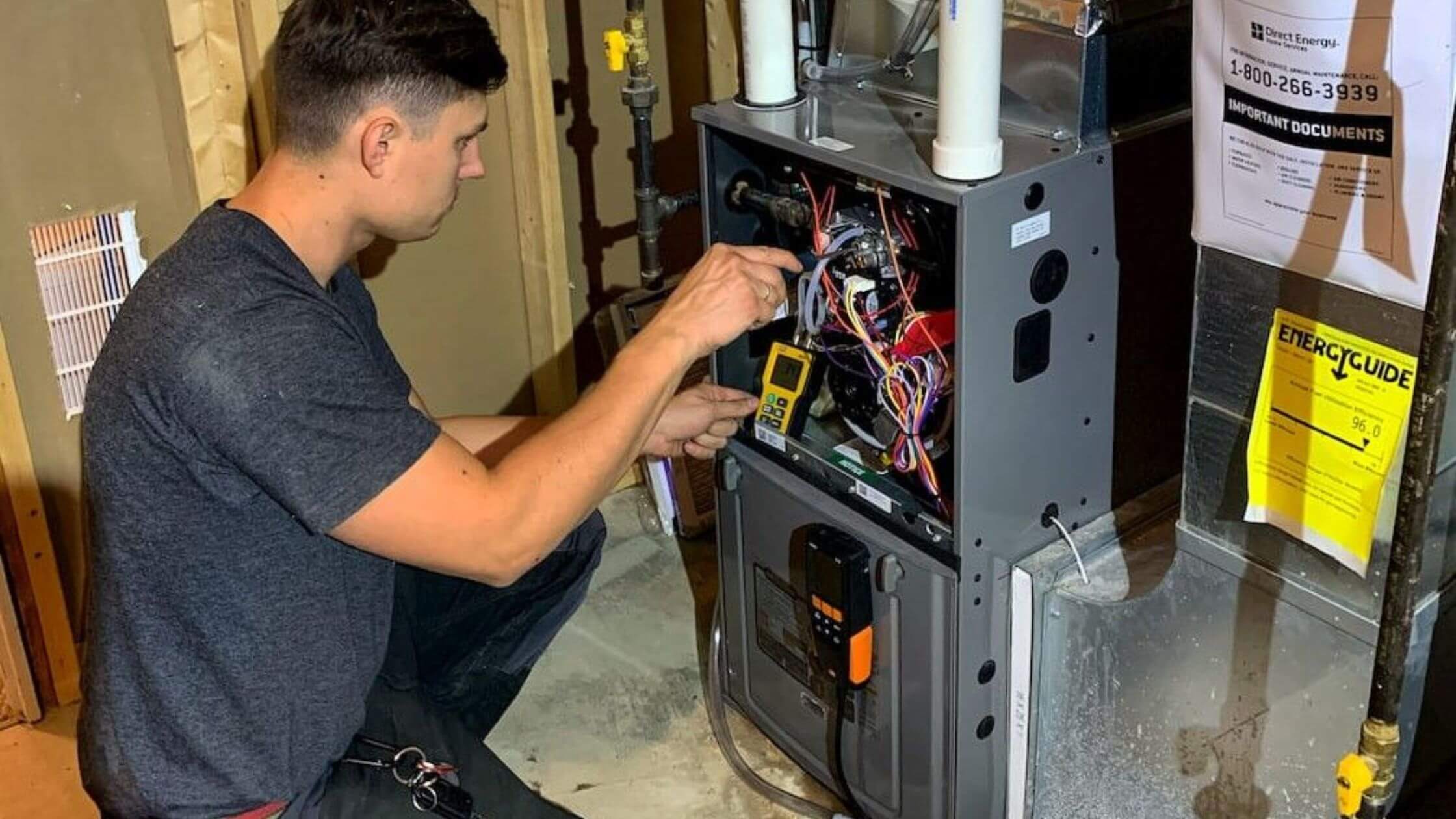
Humidifiers are a simple solution to keeping your home comfortable during dry or cold weather. A humidifier is usually connected to the HVAC system and adds moisture to the air as needed. This can help alleviate dryness in the air as well as ease the symptoms of allergies and asthma. Factors such as home size and your location can determine the level of moisture you may need. People who live in more temperate areas may not require the same level of moisture as someone who lives in a more northern or dryer climate.
How Do Humidifiers Work?
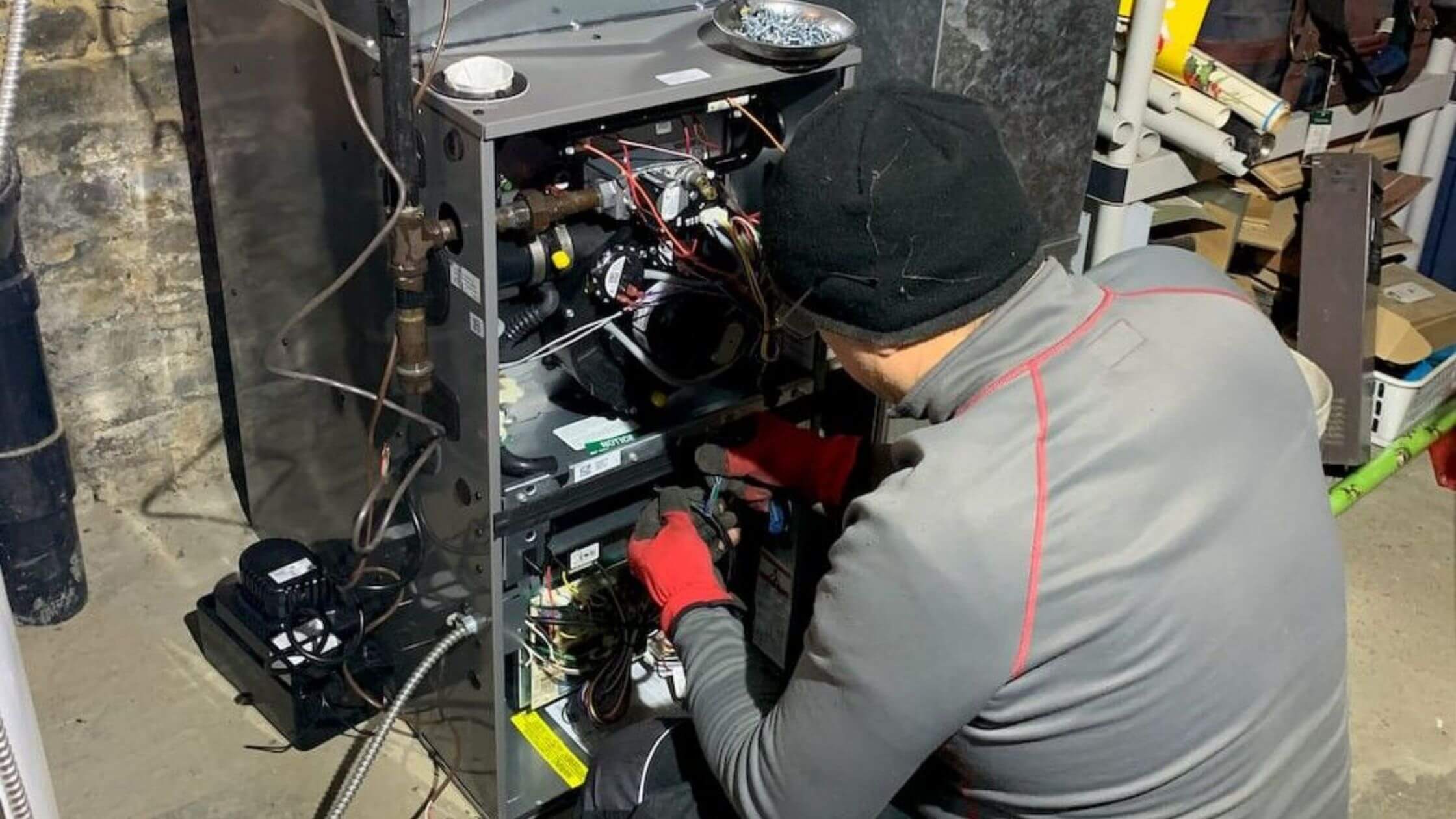
Humidifiers add either cool or warm moisture into the air. Though there are portable humidifier options, these are often inefficient or too small to provide enough moisture for an entire home. Most homes will require a central humidifier that is connected to the home’s heating and air conditioning. This will provide the right amount of moisture for an entire home rather than a room to room approach.
A humidistat is connected to the system which allows the homeowner to control moisture levels. This provides the most comfortable and healthy air in the home.
Based on the settings, the humidifier will activate when the air becomes too dry, pumping moisture into the system, while other into the system. Other types of humidifiers run continuously and water that isn’t used is drained away.
Do Furnace Humidifiers Work?
Humidifiers are a great way to maintain an optimum moisture level in the home. The Mayo Clinic recommends a humidity level of 30% to 50% However, it’s important to evaluate the conditions of your home before installation. Too much moisture can lead to poor breathing quality and mold. A humidifier must also be properly maintained with regular filter changes and cleaning to prevent dirt and sediment buildup in the lines.
What Are The Advantages Of A Furnace Humidifier?
A humidifier does more than just add moisture into the air, it also helps regulate the temperature in your home. Moist air is warmer than cold air, which means you won’t have to crank up the heat as often saving your money on your heating bill each month.
How Do I Know If I Already Have A Humidifier?
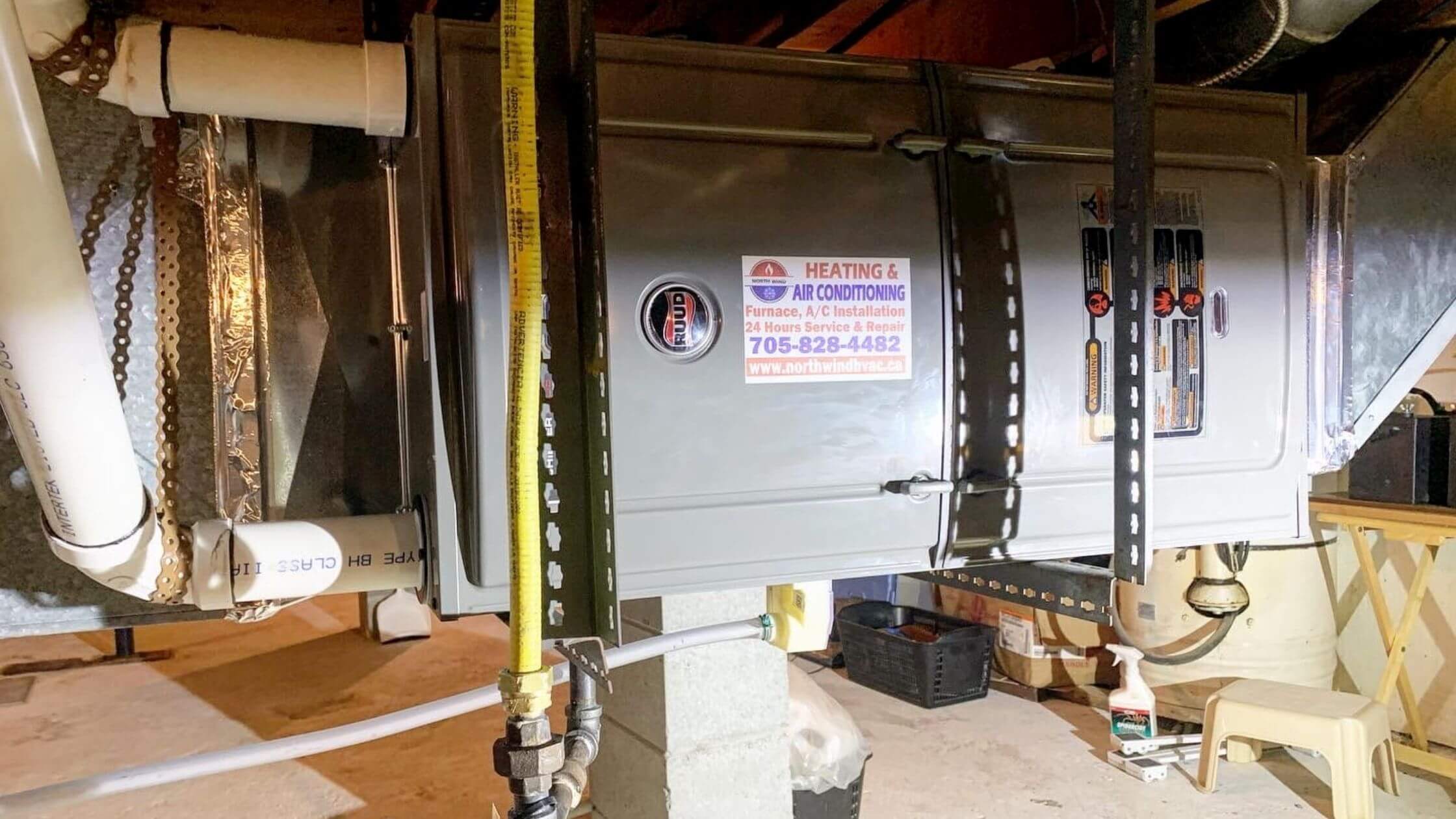
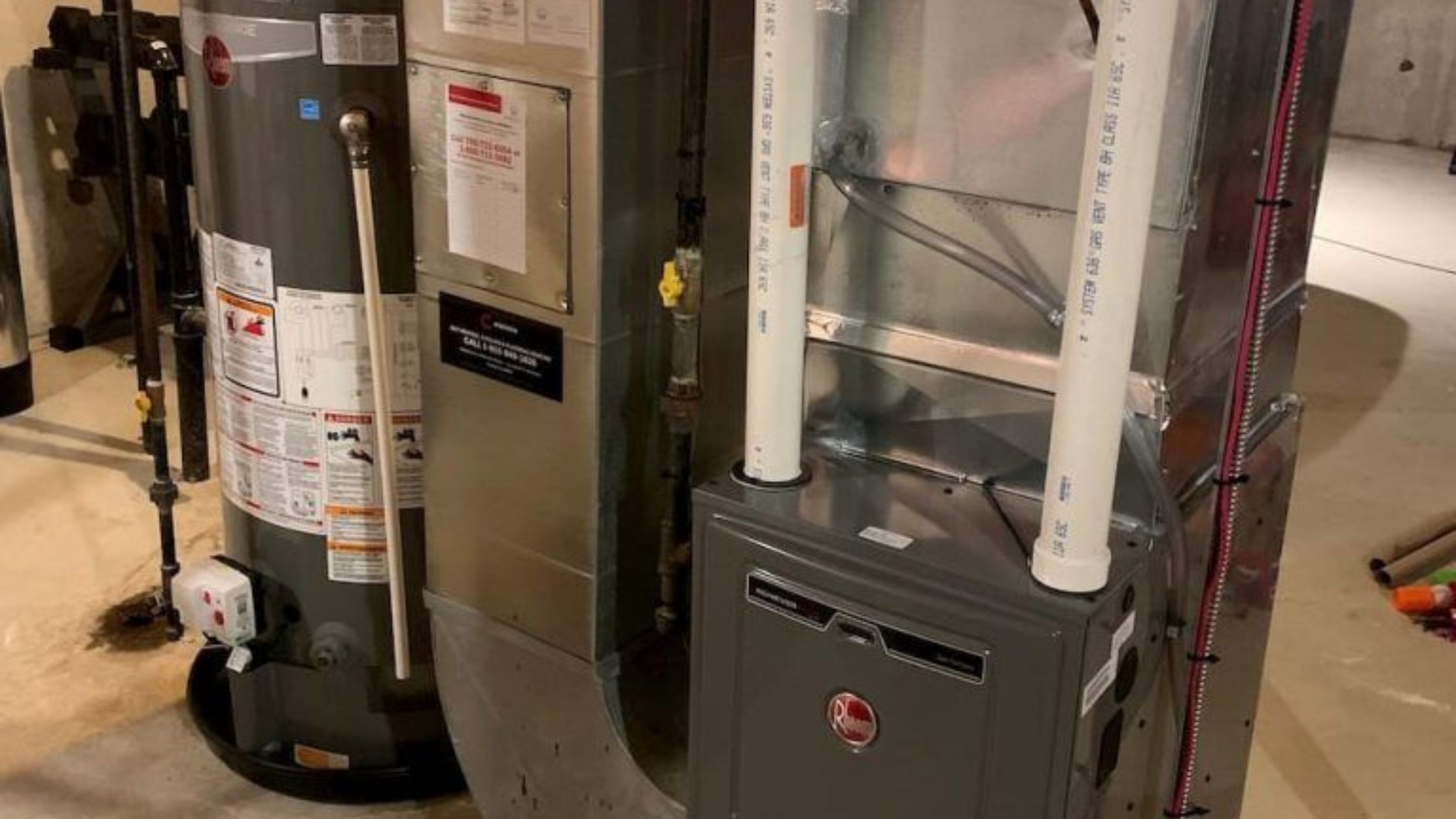
If you are unsure if you have a humidifier, have a look at your furnace system. There should be a small box near the ductwork that has wires and a hose attached. You might also see another small box with a dial to set the humidity levels. If you are not sure, consult with your HVAC expert.
RELATED ARTICLE: Common Furnace Problems & Solutions
✓ Expert Note — Our technicians have assessed indoor air quality in hundreds of Ontario homes. The recommendations below are informed by ASHRAE guidelines, Health Canada indoor air quality standards, and real-world experience across Simcoe County and the GTA.
Frequently Asked Questions About Indoor Air Quality in Ontario Homes
Why is indoor air quality worse in Ontario homes during winter?
Ontario homes are heavily insulated and sealed during winter to keep heat in, which dramatically reduces natural air exchange. This traps indoor pollutants – VOCs from furniture and cleaning products, pet dander, dust mites, mould spores, and combustion byproducts. The EPA estimates indoor air can be 2–5x more polluted than outdoor air in winter. Mechanical ventilation (HRV/ERV) and high-MERV filtration address this without wasting heat.
What MERV rating air filter should I use in my Ontario home?
MERV 8–13 is the recommended range for most Ontario homes. MERV 8 captures most dust and pollen. MERV 11–13 captures smaller particles including mould spores and some bacteria, which is beneficial for allergy sufferers. Avoid MERV 16+ filters on residential furnaces – they restrict airflow so severely they can damage your system. Always check your furnace manufacturer’s specifications before upgrading filter ratings, and change filters every 1–3 months.
What is the ideal indoor humidity level for an Ontario home in winter?
Health Canada recommends maintaining relative humidity between 30–55% in Canadian homes year-round. In Ontario winters, homes with forced-air heating can drop to 10–20% RH without humidification. Below 30% RH causes dry skin, irritated sinuses, increased susceptibility to viruses, and static electricity. Above 55% RH promotes mould and dust mite growth. A furnace-mounted whole-home humidifier is the most effective solution – portable units are inadequate for larger homes.
Are whole-home air purifiers worth the investment?
For Ontario households with allergy sufferers, asthma, or pets, a whole-home air purifier (HEPA or electronic polarized media filtration installed in the duct system) offers significant improvement over standard furnace filters. Systems like the Aprilaire 5000 or IQAir systems capture particles down to 0.3 microns. UV air purifiers (like Fresh-Aire UV APCO) also reduce bioaerosols, mould, and odours. The investment of $700–$2,500 installed is often returned through reduced allergy medication and sick days.
Do I need an HRV or ERV for my Ontario home?
If your home was built after 2012 or has been significantly air-sealed, it almost certainly has or needs an HRV (Heat Recovery Ventilator). Ontario Building Code requires HRVs in new construction for this reason. An HRV exhausts stale air while recovering 70–80% of the heat, then brings in fresh outdoor air. Without adequate ventilation, moisture and pollutant levels rise significantly. If your home feels stuffy despite running the furnace, an HRV assessment is a good first step.
Can a humidifier on my furnace cause mould?
A poorly calibrated or malfunctioning furnace humidifier can introduce too much moisture, leading to condensation on cold surfaces and mould growth – particularly around windows, in attics, and in poorly insulated areas. The key is setting the humidistat correctly: start at 30–35% RH in deep winter and adjust based on window condensation. Have the humidifier serviced annually (replace water panel/evaporator pad, clean the unit) to prevent scale buildup and bacterial growth.
What causes my home to smell musty when the furnace turns on?
A musty smell at furnace startup is usually caused by dust burning off the heat exchanger after summer dormancy (normal and temporary), mould growth in the ductwork or on the evaporator coil, a dirty or saturated furnace filter restricting airflow and causing moisture buildup, or standing water in the condensate drain. A seasonal furnace tune-up includes a coil cleaning and duct inspection that typically resolves this. Persistent musty smells warrant a professional air quality inspection.

Written by
David Tremblay
Heating & Ventilation Specialist | G2 Gas Technician (TSSA)
David Tremblay is a licensed heating and ventilation specialist with 12 years of field experience across Barrie, Collingwood, Muskoka, and surrounding Simcoe County communities. Holding a G2 Gas Technician licence from the TSSA and certification in commercial refrigeration, David focuses on water heating systems, indoor air quality, humidification, and whole-home ventilation. He is well-versed in Ontario Building Code requirements and helps homeowners understand seasonal HVAC maintenance and system optimization.
