 Proudly Canadian


 Home
Home Cooling
 Heating
 Heat Pumps
 Air Quality
 Other
Other
As the weather becomes cooler, many individuals will be spending a lot more time at home. Households may incur increased energy expenditures as a result of keeping the heating, the lights, and computers on as the temperature drops – and as work shifts from the office to the home. For certain folks, the additional fees will be very difficult. Fortunately, when the weather becomes cooler, there are methods to save money on heating and other energy expenditures while still keeping our homes pleasant. Here are some techniques on how to conserve energy to help you save money when you spend more time inside throughout the winter months.
Keep Heat Inside
Making sure your home isn’t losing heat is one of the greatest ways to remain warm. Windows and doors may lose up to a third of the heat in a typical home. Internal fractures and openings, such as electrical outlets, baseboards, and attic hatches, can potentially allow air to escape into or out of your home. To make your house less draughty and keep warm air inside, caulk around these holes. Caulking leaks may save an ordinary family up to $150 per year in their annual heat and cooling costs. You can also take advantage of our annual maintenance plans. Weatherstripping the windows may save you an extra 5 to 10% on your heating and cooling expenditures each year, or up to $80 each year. During the winter, closing the curtains can assist prevent heat loss from a heated room by up to 10%. Curtains that are hanging near to the windows can assist reduce up to a quarter of the heat loss. During the day, though, raising curtains on sunny windows can assist improve temperatures by utilizing solar energy. Just keep in mind to close the curtains at night time or on windows that don’t receive light as much.
<img loading="lazy" decoding="async" class="aligncenter size-full wp-image-4918" title="North Wind HVAC Use Smart thermostat” src=”https://northwindhvacpro.ca/wp-content/uploads/2021/12/North-Wind-HVAC-Use-Smart-thermostat.jpg” alt=”North Wind HVAC Use Smart thermostat” width=”2240″ height=”1260″ srcset=”https://northwindhvacpro.ca/wp-content/uploads/2021/12/North-Wind-HVAC-Use-Smart-thermostat.jpg 2240w, https://northwindhvacpro.ca/wp-content/uploads/2021/12/North-Wind-HVAC-Use-Smart-thermostat-300×169.jpg 300w, https://northwindhvacpro.ca/wp-content/uploads/2021/12/North-Wind-HVAC-Use-Smart-thermostat-1024×576.jpg 1024w, https://northwindhvacpro.ca/wp-content/uploads/2021/12/North-Wind-HVAC-Use-Smart-thermostat-768×432.jpg 768w, https://northwindhvacpro.ca/wp-content/uploads/2021/12/North-Wind-HVAC-Use-Smart-thermostat-1536×864.jpg 1536w, https://northwindhvacpro.ca/wp-content/uploads/2021/12/North-Wind-HVAC-Use-Smart-thermostat-2048×1152.jpg 2048w, https://northwindhvacpro.ca/wp-content/uploads/2021/12/North-Wind-HVAC-Use-Smart-thermostat-600×338.jpg 600w” sizes=”auto, (max-width: 2240px) 100vw, 2240px” />
Mind your thermostat
Dropping the temperature by 10 to 15 degrees while sleeping can also help you save about 10% on your heating expenditures. A smart thermostat may also be set to know when you are generally at home or away, as well as what temperature you prefer at certain times. Some smart thermostats even allow you to operate your heating (and cooling) system through a mobile app or through your phone. A smart thermostat can cost anywhere from $150 to $200, but it can easily pay for itself by saving you roughly $200 per year in energy bills.
Reverse Ceiling Fans
A reverse mode is available on several ceiling fans. When they revolve clockwise, the warm air at the ceiling is pushed down and circulated throughout the space. It works well!
Heat the People, Not Space
It is far more efficient to keep individuals warm than to heat an entire space. Put on a sweater and a pair of fuzzy slippers. Be using a hot water bottle or an electrically heated blanket. Drink hot beverages. Make yourself at home and all snuggled up.
Replace Furnace Filter
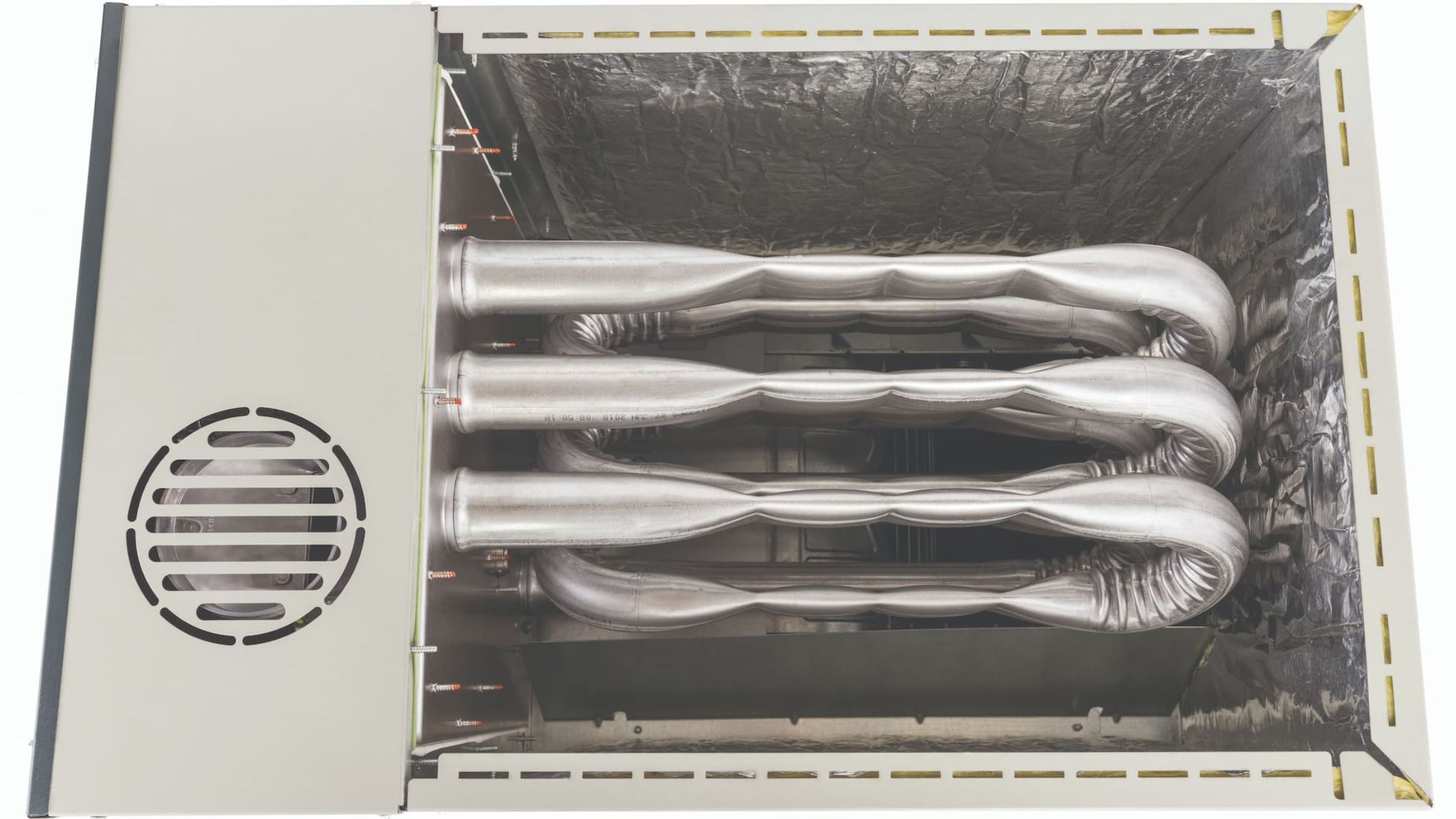
Dirty filters block airflow and make your furnace work even harder, increasing its energy consumption. During the winter season where the furnace is heavily used, be prepared to replace your furnace filters at least once every three or so months, or ask your landlord to do so. This energy-saving trick also has the added benefit of improving indoor air quality. Consider upgrading to a washable filter, which will save you money and help you save time. You can also take a look at and learn how often you should change your furnace filter.
Make the Most of Your Devices
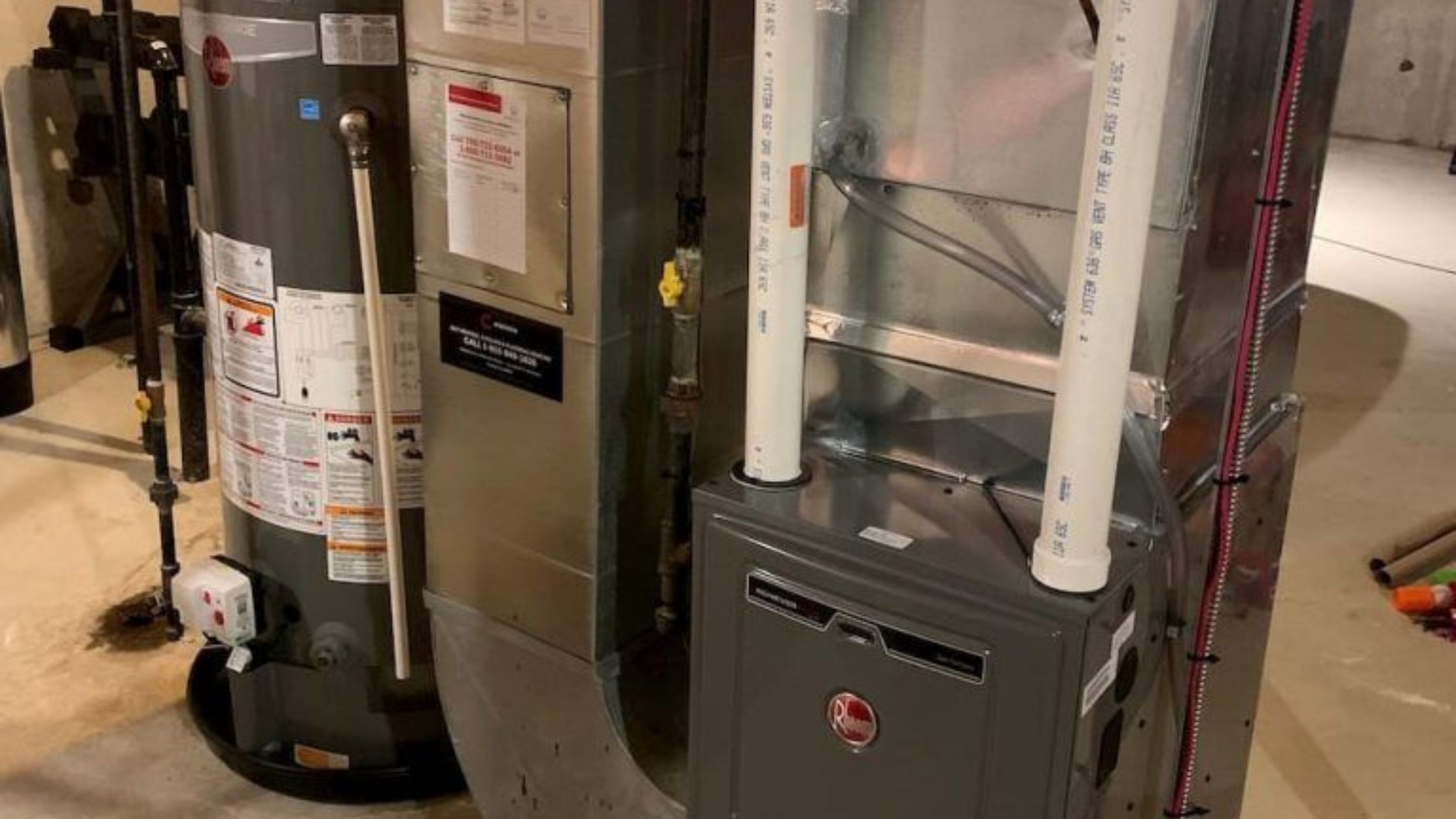
Many individuals utilize technology for work, school, leisure, and socializing on a regular basis, especially when we spend more time indoors during the winter months. This can result in increased energy use, as well as higher expenses. Using the energy saver mode on your electronics, appliances, and even certain heating equipment can help you save money on electricity without losing performance. This may also be referred to as “low power mode,” “battery saving,” or something similar, depending on your product.
Turn off any gadgets that aren’t in use. Consider an advanced power strip to prevent electricity waste from idle gadgets that might be using power in standby mode.
Here are some more energy-saving strategies for some of our most energy-hungry appliances:
- To save energy and water, do laundry in cold water and wash full loads.
- If you open the oven door to check on your meal, the temperature might decrease by up to 25 degrees, necessitating more energy to re-heat.
- Lowering your water heater’s setting from 140 to 120 degrees can save you up to $400 per year – and you won’t even feel the difference.
As professionals, we can pinpoint areas that can be optimized to save energy. CONTACT US for a consultation on how to make your home more energy-efficient during the winter months.
✓ Expert Note — Our certified technicians service hundreds of homes across Ontario each season transition. The maintenance recommendations below are tailored to Ontario’s climate and common residential HVAC configurations.
Frequently Asked Questions About HVAC Maintenance in Ontario
How often should I change my furnace filter in Ontario?
Every 1–3 months for most Ontario homes, depending on filter type, household size, and whether you have pets. Basic 1-inch fibreglass filters need changing every 30 days. Standard pleated MERV 8 filters last 2–3 months. Thicker 4-inch media filters (MERV 11–13) last 6–12 months. Homes with pets, allergy sufferers, or dusty environments should be on the shorter end. Check the filter monthly – hold it up to a light source. If you can’t see light through it, change it.
What should I do to winterize my HVAC system in Ontario?
Fall prep checklist: replace the furnace filter, schedule a furnace tune-up (ideally September–October before the rush), test your thermostat’s heat mode, check and clear the furnace condensate drain, inspect the HRV/ERV and clean filters, cover the outdoor AC unit with a breathable cover (optional, but protects against debris), and test your carbon monoxide detector. Spring prep: schedule AC maintenance in April or May, remove the AC cover, check refrigerant lines for insulation damage, and clean around the outdoor condenser.
How often should my furnace be professionally serviced?
Once per year is the minimum – ideally in early fall before heating season. A professional furnace tune-up includes: cleaning the burners, heat exchanger inspection, flue gas analysis, ignitor and flame sensor testing, blower motor lubrication, filter replacement, and safety control testing. Annual maintenance is typically required to maintain manufacturer warranty coverage and is required by most home insurance policies for gas appliances.
What is the best temperature to set my thermostat at in Ontario winter?
Health Canada recommends a minimum of 21°C (70°F) during waking hours and no lower than 18°C (64°F) at night or when sleeping. Most Ontario homeowners set daytime temperatures to 21–22°C and night setback to 18–19°C. Dropping the thermostat 4–5°C at night or while away saves approximately 2% per degree in heating costs. Smart thermostats automate this without any inconvenience.
Should I close HVAC vents in unused rooms to save energy?
No – this is a common myth that actually wastes energy and can damage your system. Forced-air systems are designed to distribute airflow to all vents in the house. Closing vents increases static pressure in the duct system, forcing the blower motor to work harder, reducing efficiency by 10–15%, and potentially causing the heat exchanger to overheat. If certain rooms are consistently too warm or cold, the problem is a balancing issue that needs to be addressed at the duct level or with a zoning system.
Can I do furnace maintenance myself, or do I need a professional?
Homeowners can and should: change the filter regularly, keep the area around the furnace clear, check that vents and returns are unobstructed, and test the thermostat and CO detector. However, internal furnace cleaning, heat exchanger inspection, burner adjustment, flue gas testing, and any work involving gas connections must be done by a TSSA-licensed Gas Technician. Attempting gas appliance work without a licence is illegal in Ontario and voids your equipment warranty.
When is the best time to book HVAC service in Ontario?
Book furnace service in August–September (before the October heating rush) and AC service in March–April (before the May cooling rush). Emergency calls spike in mid-January and mid-July – companies are fully booked and response times are longer. Off-peak booking also means more scheduling flexibility and sometimes lower service rates. Setting a recurring annual reminder is one of the simplest things you can do to stay ahead of maintenance.

Written by
Oleksii Sitalo
Oleksii Sitalo is an HVAC professional with hands-on experience in heating, cooling, air conditioning, furnace systems, and home comfort solutions.
