 Proudly Canadian


 Home
Home Heating
 Cooling
 Heat Pumps
 Air Quality
 Other
OtherHVAC Tips and Tricks
Heat Pumps vs. Air Conditioners
Apr
Similarities Between Heat Pumps and Air Conditioners
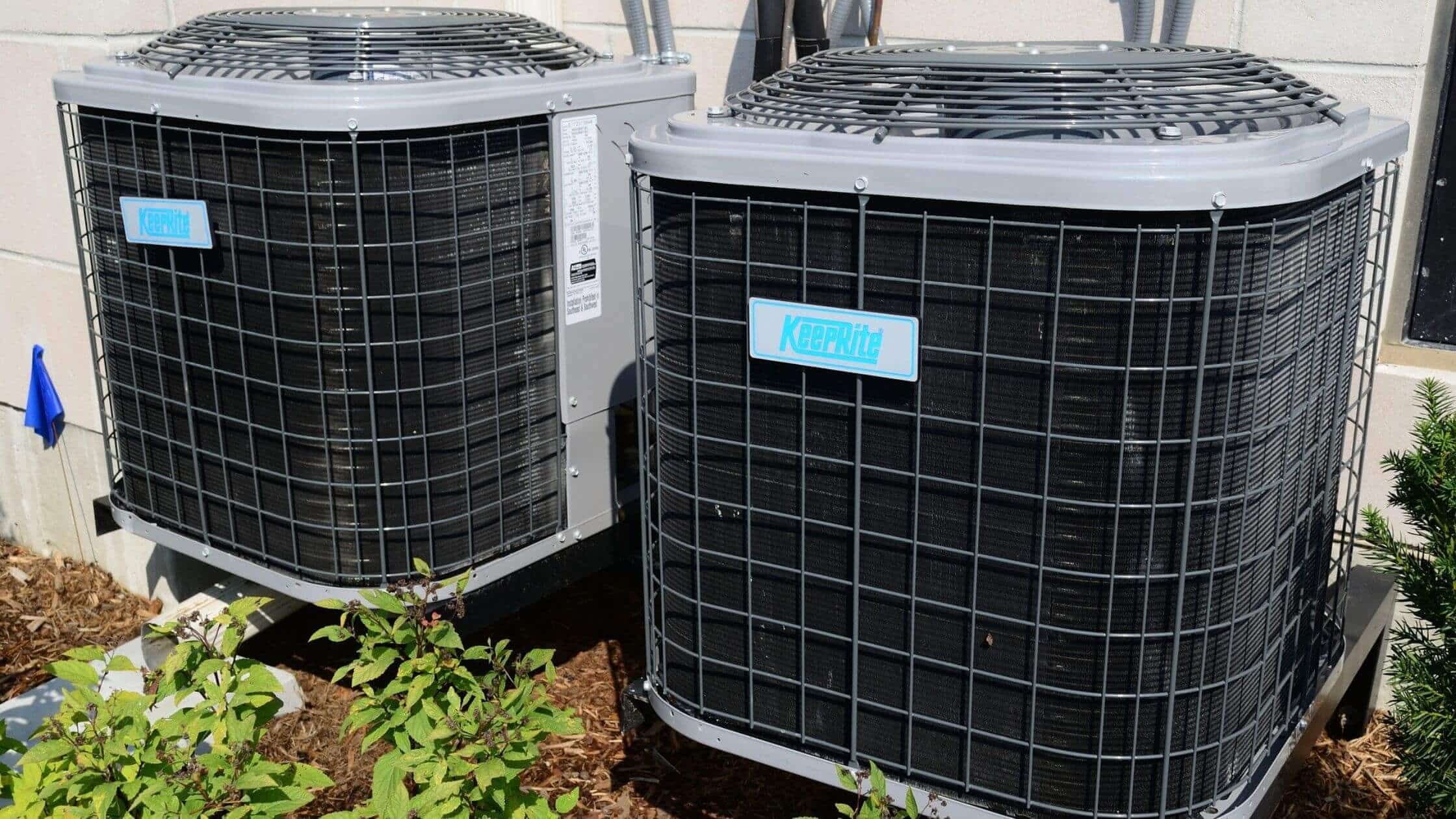
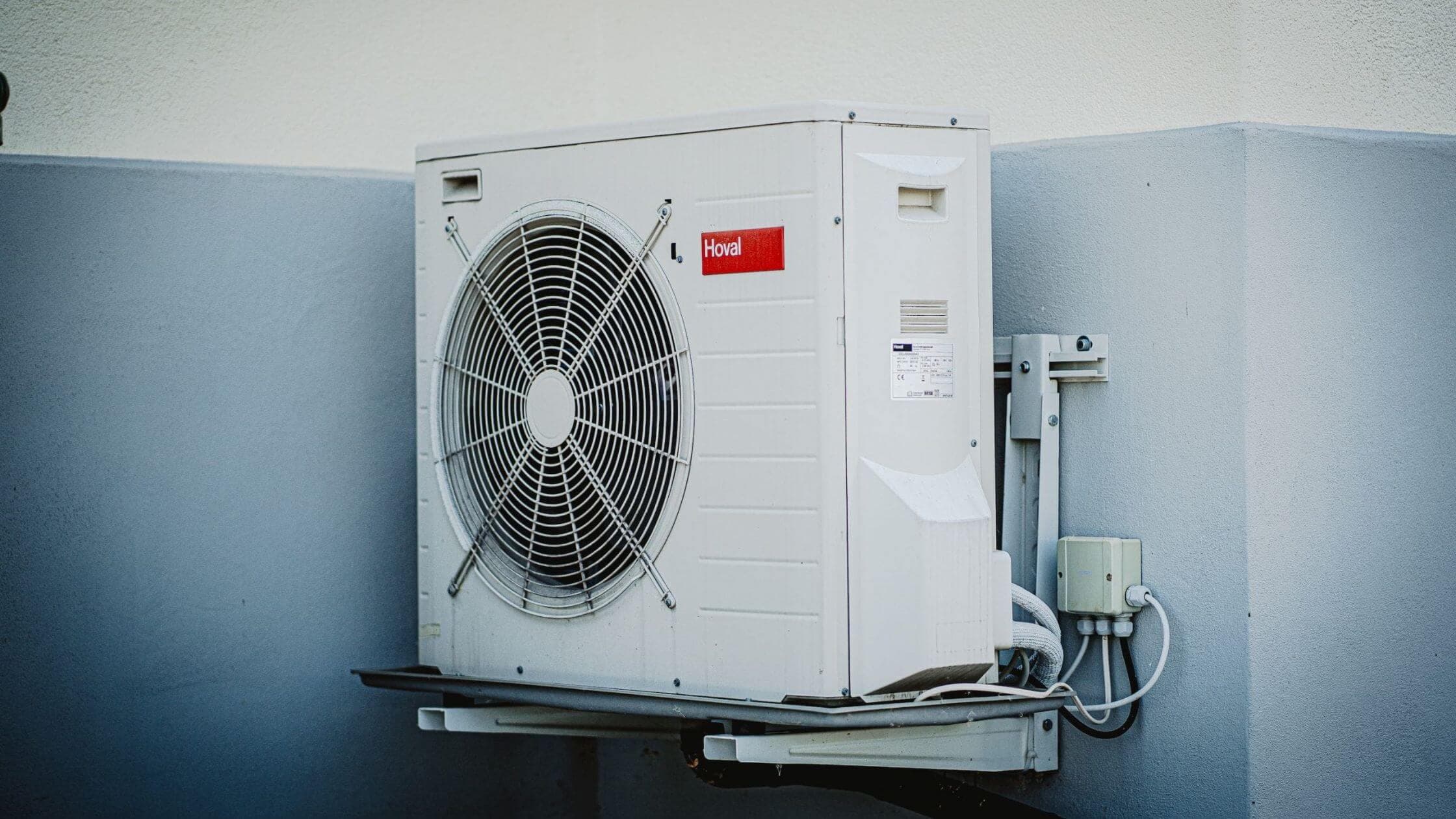
When it comes to home climate control it can be difficult to decide between a heat pump or air conditioner unit. Although very similar in nature for cooling purposes, there are slight differences between the two that will determine performance, longevity, and cost. At their core, both units will cool your home by transferring the heat energy generated inside to the exterior. Air conditioners will do this by default, whereas heat pump units will have a cooling mode that performs the same function. Visually, heat pumps and air conditioning units will be almost identical, and operating costs, alongside energy and efficiency, will be largely the same. If your focus is solely on the cooling of your home, both options will serve the purpose well.
Differences Between Heat Pumps and Air Conditioners
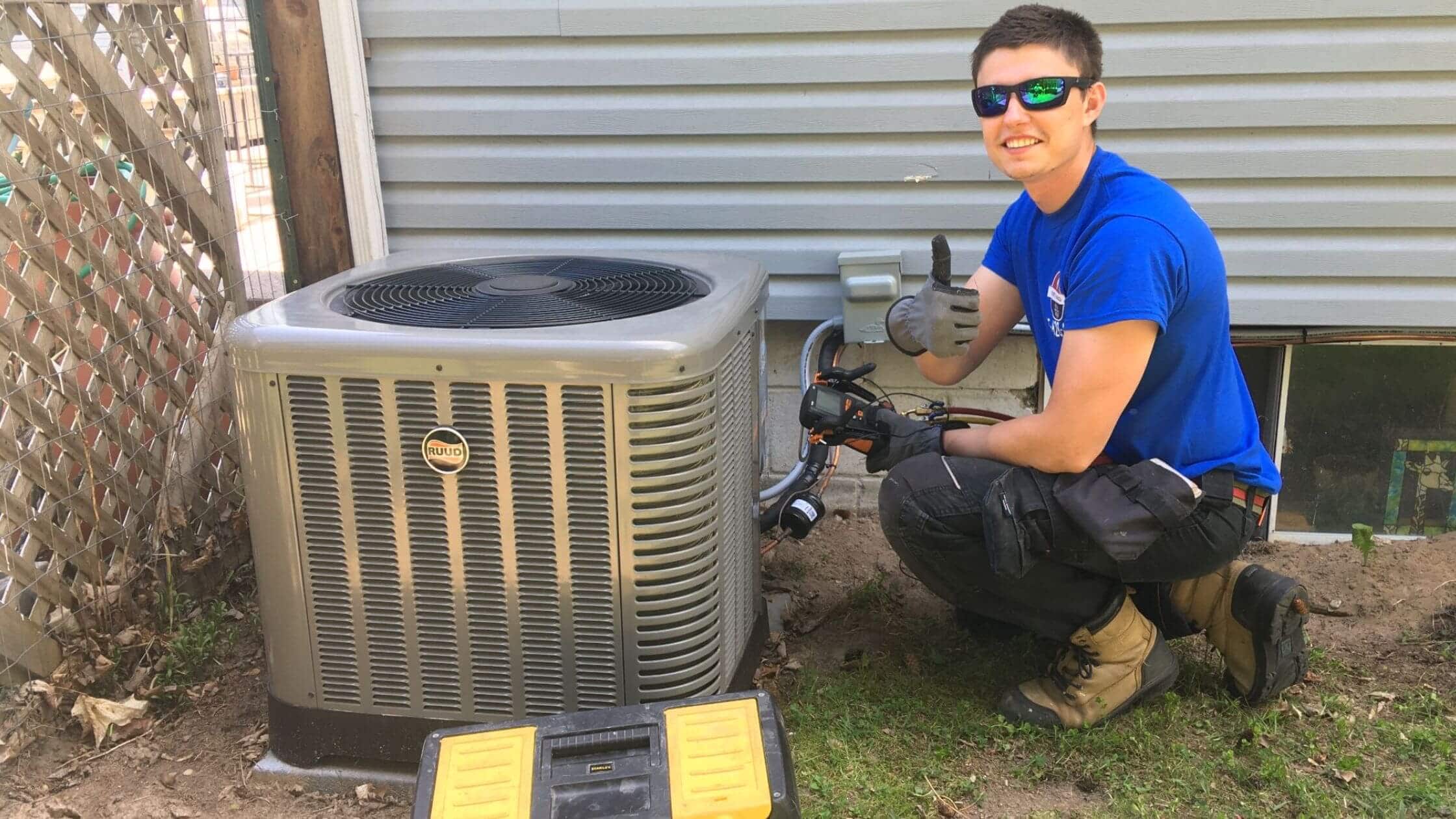
Although similar in the cooling domain, the heat pump vs. air conditioner comparison changes drastically for warming purposes. The primary difference between the two is that air conditioners do not provide internal heating, whereas heat pumps do. The heat pump system works by absorbing heat energy from outside and transferring it into warm air in the home. This system can work through below-freezing temperatures, but will suffer from energy inefficiencies. To solve this, most heat pump units will be set up with an additional auxiliary heater that offers supplemental heat when temperatures get too cold.
Now, this isn’t to say that air conditioners aren’t a sustainable four-season HVAC solution. Most accompany their air conditioning units with furnaces, enabling an effective, efficient climate system year-round.
Which Hvac System Is Right for You?
Deciding between a heat pump unit and air conditioner comes down to personal circumstances. The most important items to consider are the cost of installation and maintenance, the location of your home, and the ongoing operational costs and efficiencies. With these key items, you’ll be able to determine the option the provides the best heating and cooling at the most affordable price.

Cost of Purchase and Installation
Traditionally, an external heat pump will cost slightly more to install than an external air conditioning unit. Depending on the size of your home, a heat pump unit can run anywhere between $2,000-$5,000 and an air conditioning unit anywhere between $2,000-$3,000. Given your location, you may be required to install a furnace in addition to the air conditioning unit for heat in the colder months, and will therefore be required to invest in two separate systems. In order to get an accurate cost estimate, we’d recommend you get in touch with a Northwind HVAC representative.
Cost of Operation and Energy Efficiency
The operational efficiency of you heating and cooling system will depend quite heavily on the location of your home.
We’ll start first with the operational efficiency of heating units. In regions with milder climates, heat pump systems will provide energy-efficiency through the use of electricity. This setup will be far more affordable than traditional oil or gas systems, but will not be sustainable in places where temperatures drop below freezing. In those regions, the heat pump will lose its efficiency benefit and require more energy, effectively increasing your electricity bill. You can solve this problem by installing a furnace to offset the heat pumps inefficiency in the colder months, but given the higher cost of heat pump installation, it will make sense in most cases to opt for an air conditioning and furnace combination.
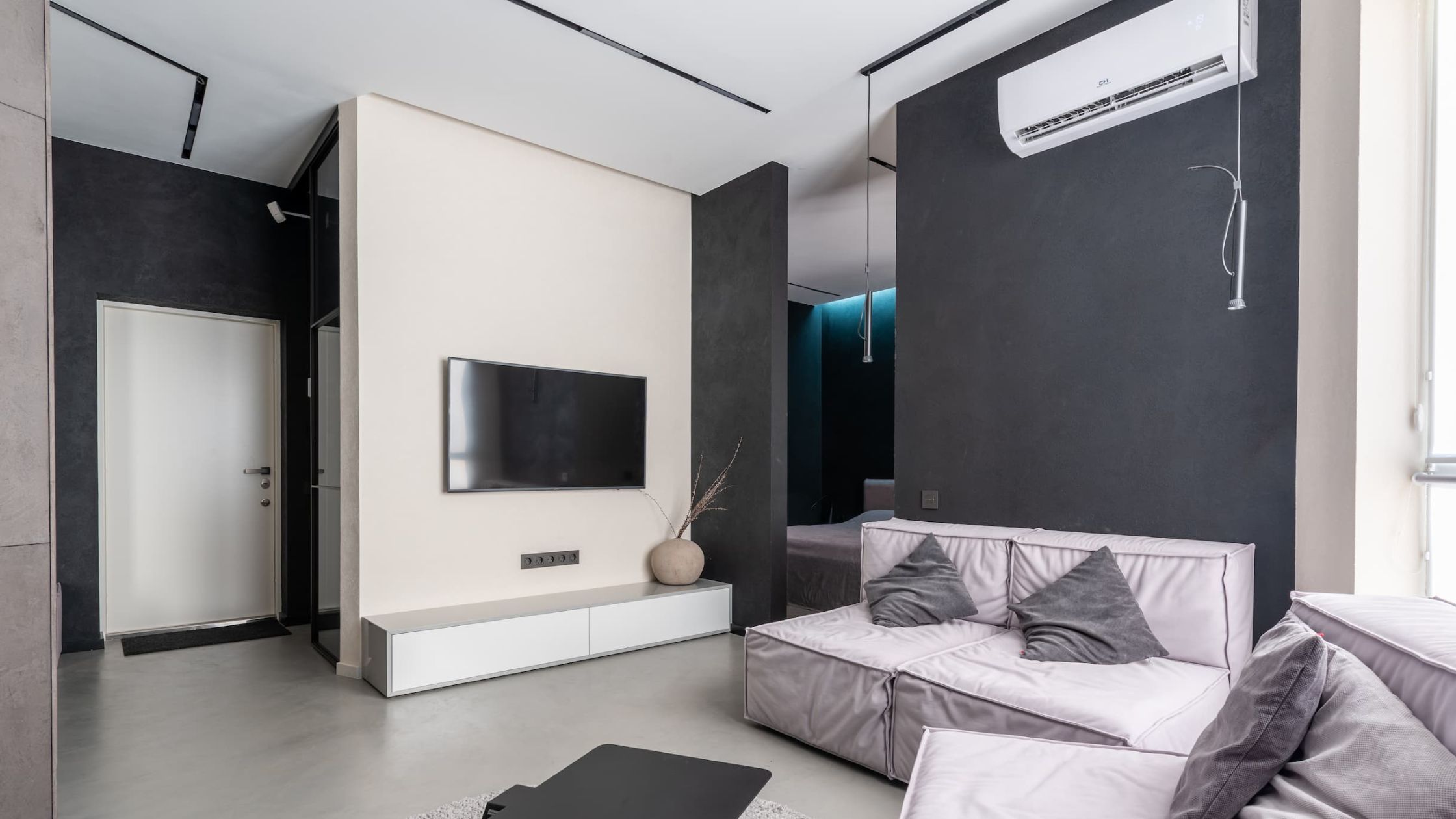
You’ll want to be sure that the unit you’re selecting has a high HSPF, or heating efficiency number, to ensure that it performs well over time.
When looking at cooling units, the efficiency levels will be almost identical between air conditioners and heat pumps. If you do opt for an air conditioning unit, you’ll want to select one with a high SEER value, which signals that it achieved a high-level efficiency standard. The higher the SEER, the more efficient the unit will be, and the less it will cost to operate over time. Also note that there are ENERGY STAR certified units which indicate additional efficiencies over standard SEER rated. Given the size of the investment, it’s recommended that you select a unit built to run efficiently for years.
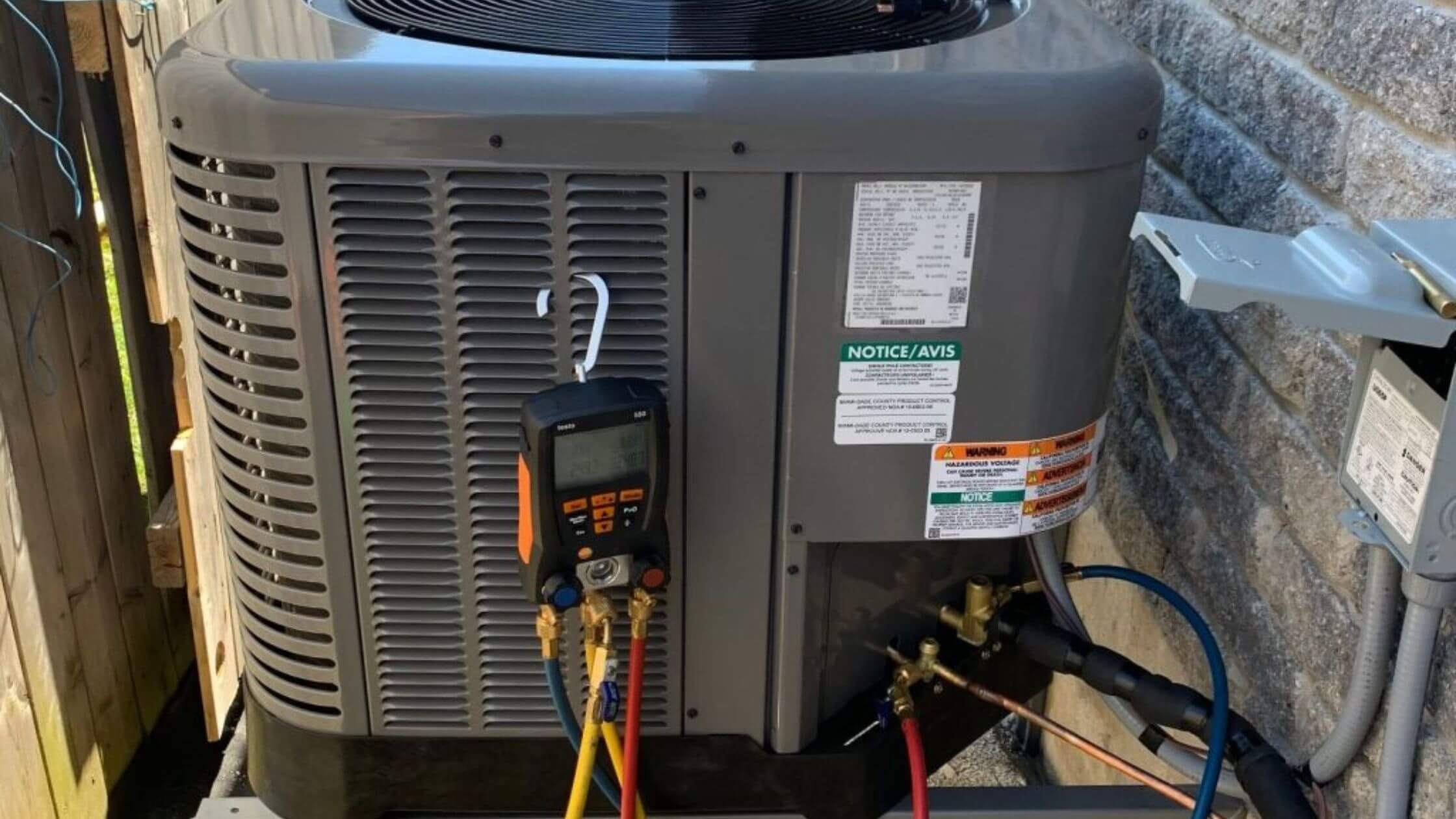
As mentioned before, the operational efficiency and longevity of your unit, regardless of whether it’s a heat pump or air conditioner, will rely heavily on the location of your home. Be sure to pick a solution that accommodates the climate so that you can maximize the value of your investment.
if you have any additional questions, or would like to speak with a member of our team, please get in touch!
✓ Expert Note — Our NATE-certified technicians have installed and serviced heat pump systems across Ontario, including cold-climate inverter-driven systems down to -30°C. The information below reflects current equipment capabilities and Ontario rebate programs as of 2025.
Frequently Asked Questions About Heat Pumps in Ontario
Do heat pumps work in Ontario winters?
Modern cold-climate heat pumps work effectively down to -25°C to -30°C. Technologies like Mitsubishi Hyper-Heat, Bosch IDS, and Carrier Infinity are specifically engineered for northern climates. That said, most Ontario homeowners use a heat pump as their primary system with a gas furnace backup (a “dual-fuel” setup), which provides excellent efficiency with full cold-weather coverage. A heat pump alone is viable in most of southern Ontario with the right equipment selection.
How much does a heat pump cost in Ontario in 2025?
A ducted air-source heat pump (replacing or supplementing a central AC) costs $4,500–$9,000 installed, depending on brand and HSPF2 rating. Cold-climate models from Mitsubishi, Carrier, or Bosch sit at the higher end. A ductless mini-split heat pump (single zone) runs $3,000–$5,500. Multi-zone ductless systems range from $7,000–$15,000+. Rebates can significantly reduce these costs – see the Greener Homes Grant and Canada HEAT programs.
What rebates are available for heat pumps in Ontario in 2025?
Several programs stack in 2025. The Canada Greener Homes Grant offers up to $5,000 for a qualifying heat pump (requires EnerGuide audit). The federal Oil to Heat Pump Affordability program offers up to $10,000 for homes heating with oil. Enbridge Gas sometimes offers additional incentives for dual-fuel setups. Some municipalities have local programs. Our team can walk you through the full rebate stack for your specific situation – this is an area where the paperwork is worth doing.
What is the difference between a heat pump and a central air conditioner?
A central air conditioner only cools. A heat pump does both – it cools in summer by moving heat out of the home, and heats in winter by extracting heat from outdoor air and moving it inside. The cooling side is essentially identical in operation and appearance. The key difference is the reversing valve in a heat pump that allows bidirectional refrigerant flow. Cost-wise, a heat pump typically costs $500–$1,500 more upfront than a comparable central AC but eliminates or reduces gas heating costs.
What HSPF2 rating should I look for in a heat pump for Ontario?
HSPF2 (Heating Seasonal Performance Factor, 2023 standard) measures heating efficiency. The new minimum in Canada is 7.5 HSPF2. For Ontario’s climate, look for a minimum of 9 HSPF2 for good performance. Cold-climate models rated 10–12 HSPF2 offer the best winter efficiency but come at a higher upfront cost. Pairing a 9.5+ HSPF2 heat pump with a gas backup furnace (dual-fuel) is the most popular and cost-effective setup for Ontario.
Can I use a heat pump as my only heating source in Ontario?
In most of southern Ontario (Toronto, GTA, Barrie area), a properly sized cold-climate heat pump can serve as a sole heating source, with standard resistance backup heating for extreme cold days. However, a dual-fuel system (heat pump + gas furnace) is generally more cost-effective because natural gas is cheaper per BTU than electricity when temperatures drop below -10°C to -15°C. The right answer depends on your specific home, utility rates, and how often you hit extreme cold.
How long does a heat pump last?
Air-source heat pumps typically last 15–20 years with regular maintenance. Because they run year-round (unlike AC-only units), annual servicing is especially important – including coil cleaning, refrigerant checks, filter changes, and defrost cycle verification. Ground-source (geothermal) heat pumps last 20–25 years for the indoor components and up to 50 years for the ground loop. North Wind HVAC services all major heat pump brands.

Written by
Sarah Mitchell
Commercial HVAC & Systems Specialist | Red Seal Certified
Sarah Mitchell is a Red Seal certified HVAC technician and commercial systems specialist with extensive experience designing and installing large-scale heating and cooling infrastructure across the GTA. Holding a Class A Refrigeration licence and deep expertise in hydronic radiant heating, heat pump systems, and commercial HVAC design, Sarah approaches every project with engineering-level rigour. She is an active member of ASHRAE and writes regularly about emerging HVAC technologies and commercial efficiency standards.
