 Proudly Canadian


 Home
Home Cooling
 Heating
 Heat Pumps
 Air Quality
 Other
Other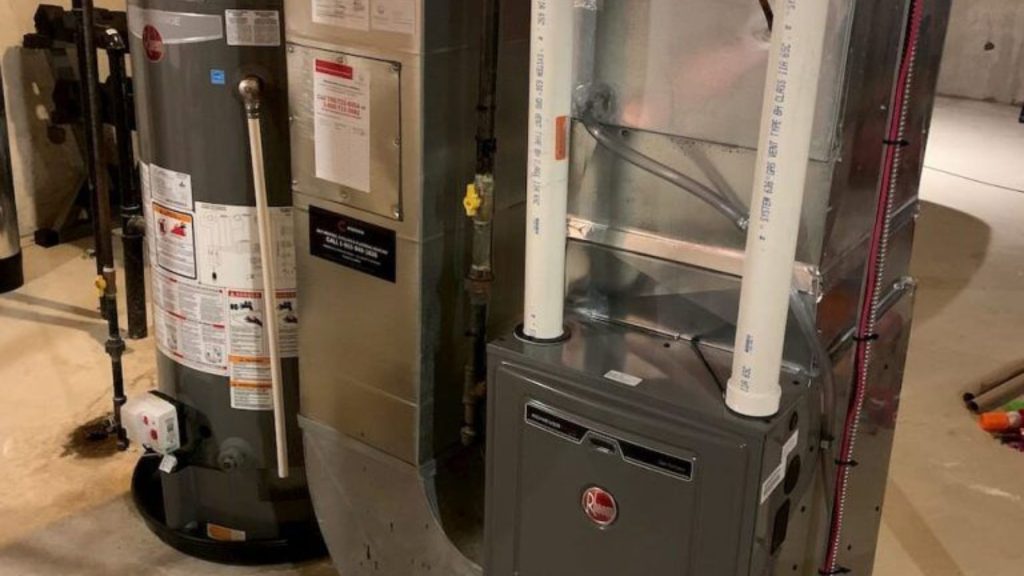
Knowing when to replace a furnace versus simply repairing it is a common dilemma many homeowners across the province and country face as their furnace ages. A furnace is a sizable investment, so holding on to one for as long as possible may seem like a good idea, but it isn’t. The truth is that there comes a point when repairing a furnace would simply be a waste of money.
There are a number of factors that should go into the decision on whether your furnace is worth keeping or if it has served its time and should be replaced. These factors include how old your furnace is, how often it needs repairs and whether you notice a decrease in its performance.
Some good indicators that an old furnace needs to be replaced are:
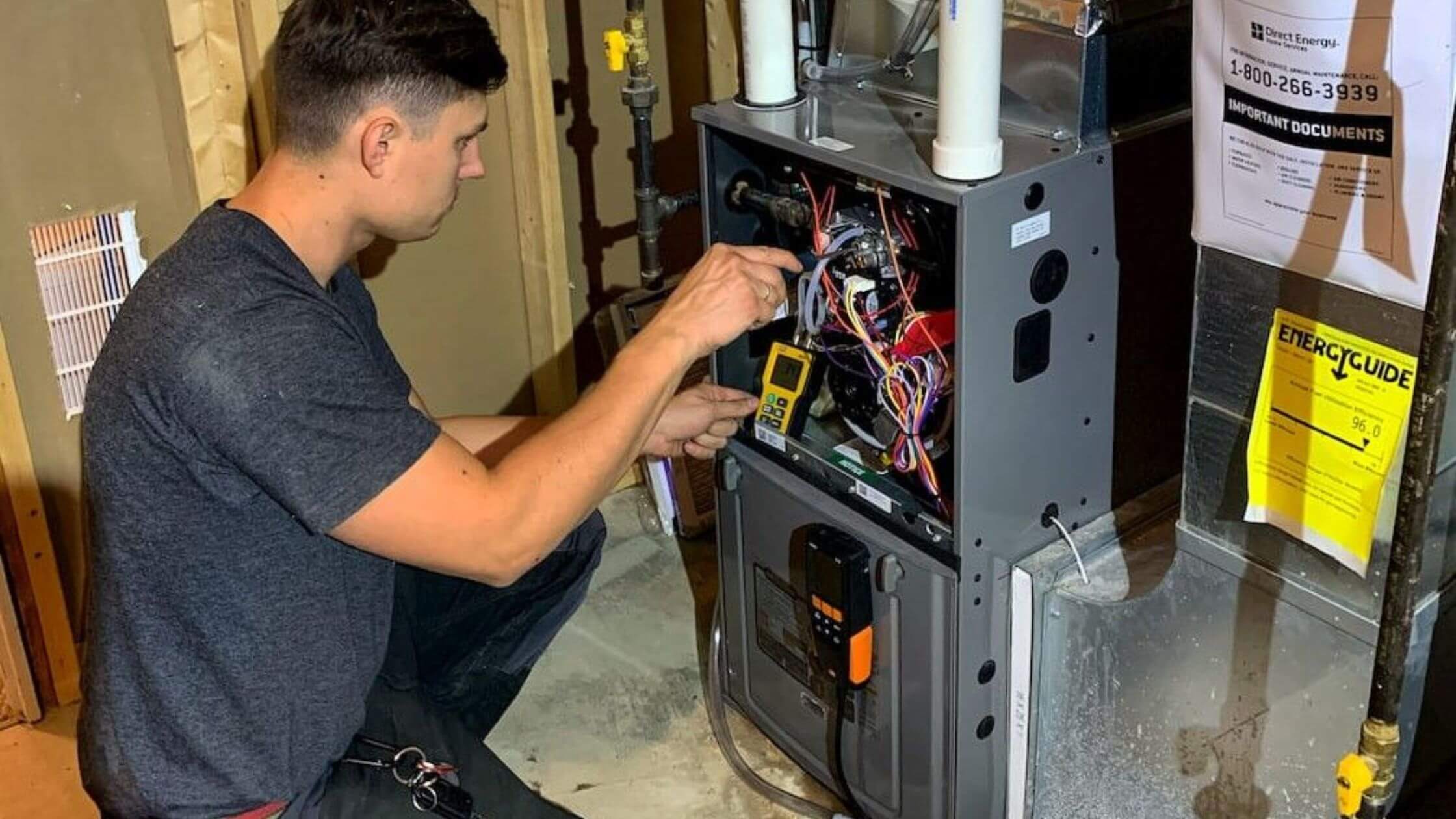
Loud Noises During Standard Operation
Weird noises coming from your furnace usually means that your furnace is in trouble. We’ve put together a list of sounds and what they may be communicating to you about your furnace.
- Popping – this could mean that the temperature inside your furnace is inconsistent and the parts within your furnace that are sensitive to temperature change are producing this sound.
- Rattling – this typically happens when there are loose parts that need to be retightened or replaced if broken.
- Screeching – this typically means that the furnace blower motor is damaged. It could also indicate that a belt or the pulley is damaged.
- Humming – it is normal for your furnace to produce a humming sound, which is caused by the furnace blower motor. However, if that noise becomes louder, it could mean that it’s time for a new furnace.
- Clicking – this means that your flame sensor or igniter needs to be repaired. Fortunately, this is simple to fix.
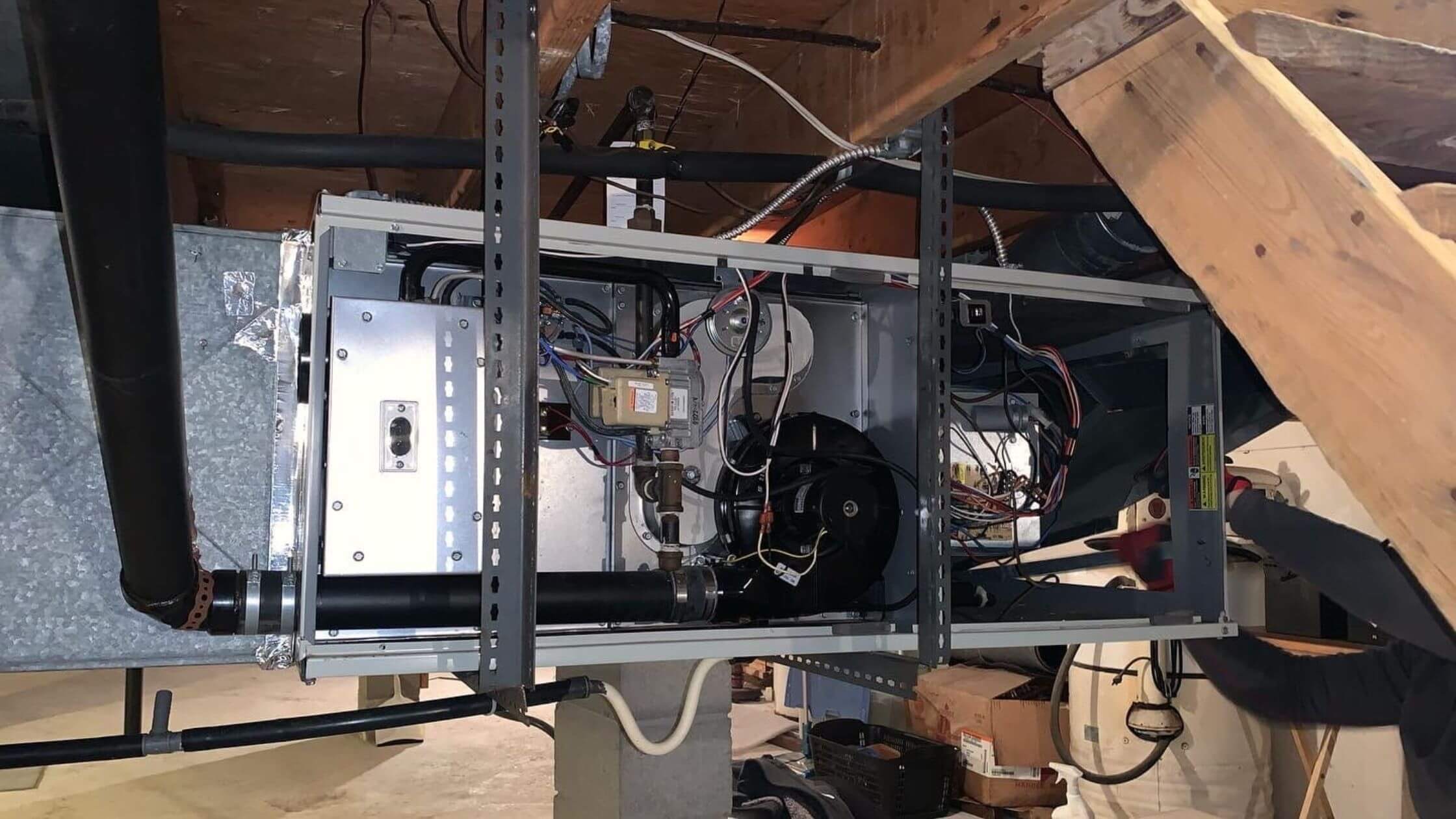
Furnace Age is Between 15 to 30 Years
Your furnace is designed to last a long time. On average, a furnace lifetime expectancy is anywhere between 15 to 30 years. One way you can get the most out of your furnace is to have a certified technician perform routine maintenance on your furnace annually. But once it’s been 15 years since the furnace was installed, it’s a good time to begin planning for a replacement, especially if your furnace is frequently needing repair.
Temperature Differences Throughout the House
When your furnace is working well, it will regulate the temperature in your home and keep it consistent from room to room. If you notice a variation in temperature in different areas of your home, it means that your furnace is no longer performing optimally and needs to be replaced.
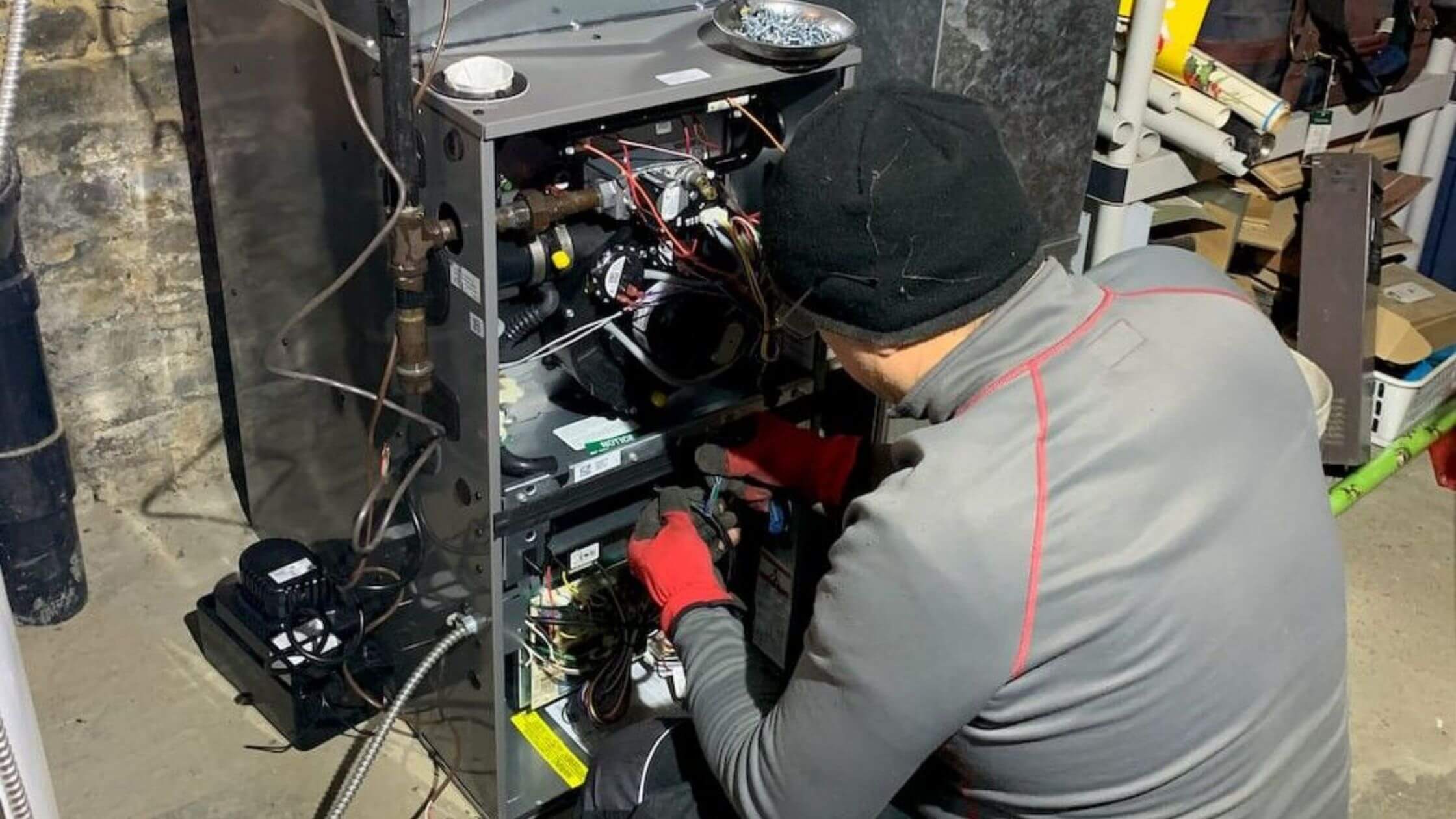
Soot Build Up
Have you noticed a layer of soot or dust on surfaces in your home? This could be in your kitchen, living room, bathroom or anywhere else and is often the result of dry air in your home. Soot and dust can cause damage to wood flooring and the furniture in your home. Another sign of dry air in your home is withering or dead plants. Dust and soot can be a result of your furnace producing excess carbon dioxide, which is a sign that the life of a furnace is nearing its end.
High Energy Bills and Furnace Repair Costs
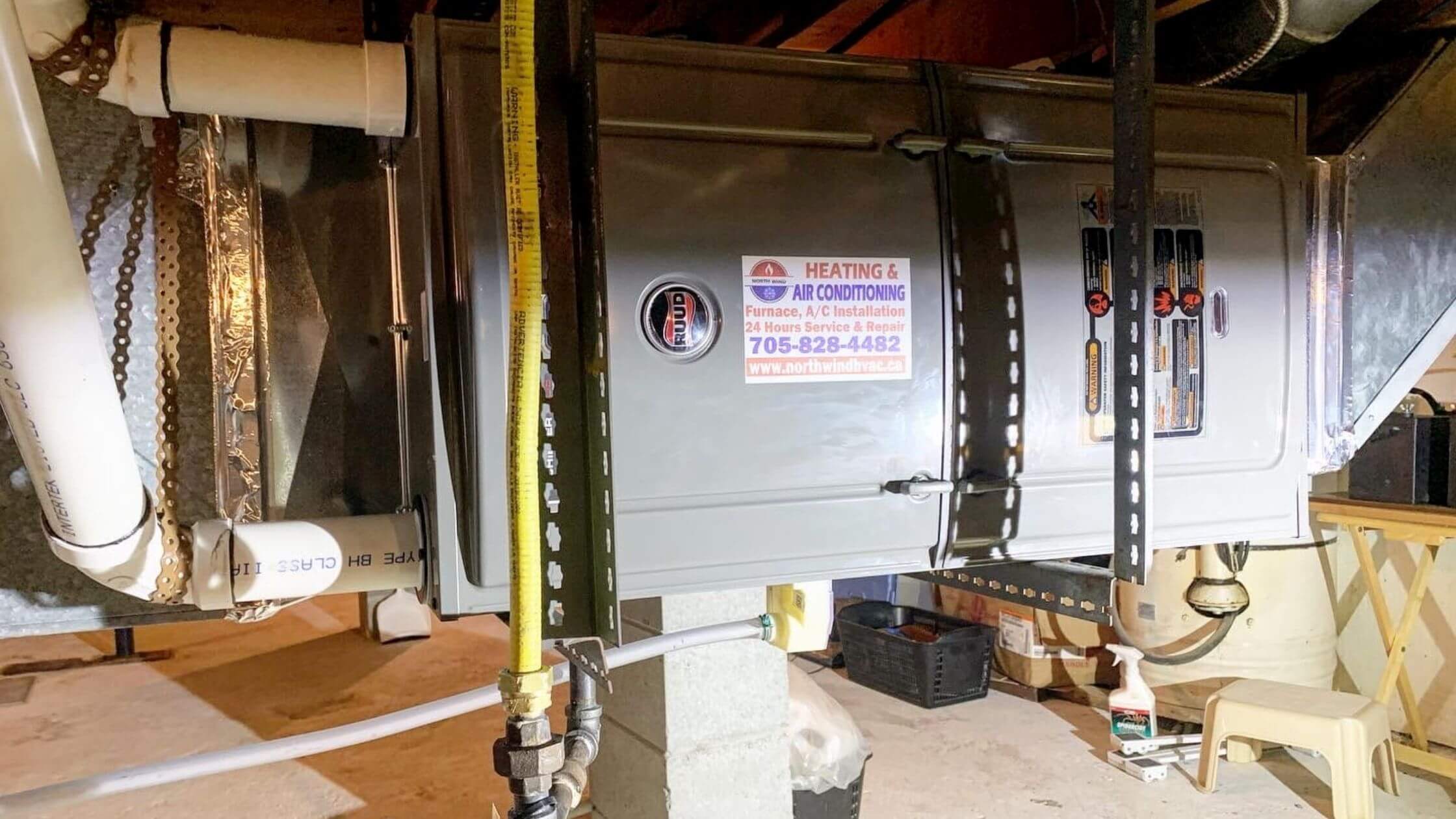
When your furnace is in good working order, your energy bills should be relatively consistent from month to month. The older your furnace is the more energy it will require to run it. That’s why higher energy pills are a telltale sign that your furnace is using up more energy than it should to regulate the temperature in your home. When this happens, it’s time for a furnace replacement.
An old furnace is going to require more repair. So if you’re having to frequently repair your furnace, you may be better off using that money to invest in a new furnace instead.
A good way to assess whether your furnace needs to be repaired or replaced the next time it breaks down is to take note of the cost of the repair. If the cost to repair your furnace will be more than half of the cost to purchase and install a new furnace, don’t spend your money on the repair work. You shouldn’t be investing that much money into an old furnace that is on its way out. Instead of repairing it, use that money towards a new furnace that will last you longer. However, if your furnace is under 10 years, it’s advisable to go ahead and just perform repairs to fix common problems.
✓ Expert Note — Our certified installers have replaced hundreds of furnaces across Ontario. The information below is based on hands-on installation experience and current Ontario building code requirements.
Frequently Asked Questions About Furnace Installation in Ontario
How much does a new furnace cost in Ontario in 2025?
A new furnace in Ontario typically costs $2,500–$5,500 installed, depending on the brand, efficiency rating, and complexity of the installation. Mid-efficiency single-stage units start around $2,500. High-efficiency (96%+ AFUE) two-stage or modulating furnaces range from $3,500–$5,500. Premium brands like Lennox, Carrier, and Trane sit at the higher end. Always factor in available rebates – Enbridge Gas currently offers rebates of $250–$1,000 for qualifying high-efficiency upgrades.
How long does furnace installation take?
A standard furnace replacement takes 4–6 hours for an experienced crew. If the installation involves upgrading to a high-efficiency model with a new PVC venting system, or relocating the unit, it can take a full day. New construction or complex retrofits may require 1–2 days. Most homeowners can have their heat restored the same day their old unit is removed.
What size furnace do I need for my Ontario home?
Furnace sizing is calculated using a heat load calculation (Manual J method), which accounts for your home’s square footage, insulation levels, window area, ceiling height, and local climate data. As a rough guide, Ontario homes typically need 30–60 BTUs per square foot. Oversizing a furnace causes short cycling and wears components faster; undersizing leaves you cold on the worst days. Our technicians calculate the right size – never guess.
What rebates are available for new furnace installation in Ontario?
Several programs are available in 2025. Enbridge Gas offers rebates of $250–$1,000 for upgrading to a qualifying high-efficiency furnace (96%+ AFUE). The Canada Greener Homes Grant provides up to $5,600 for eligible upgrades but requires a pre-retrofit EnerGuide audit. Union Gas (now Enbridge) customers in southwestern Ontario have additional program access. Our team can advise on what you qualify for at the time of your estimate.
Should I rent or buy a new furnace in Ontario?
Buying is almost always the better financial decision long-term. While rental programs (common with Enercare and other providers) offer $0 upfront, the monthly payments ($50–$100/month) add up quickly. Over 10 years, you can easily pay $6,000–$12,000 for a furnace worth $3,500. Rental also complicates home sales. Buying outright or through a 0% financing offer is almost always more cost-effective.
How long does a furnace last in Ontario?
A well-maintained gas furnace lasts 15–25 years in Ontario. The average lifespan is around 18–20 years. High-quality brands with annual maintenance tend to reach the upper end of that range. Signs it’s time to start planning a replacement: repair costs are increasing year over year, the heat exchanger is cracked, AFUE rating is below 80%, or the unit is over 20 years old.
Can I install a high-efficiency furnace in an older Ontario home?
Yes, but there are a few considerations. High-efficiency furnaces (96%+ AFUE) require PVC condensate drainage and two-pipe PVC venting instead of a traditional B-vent chimney. In older homes, this may involve running new vent pipes to an exterior wall. It’s very commonly done – our team handles these retrofits regularly and can assess the best route during a free in-home estimate.

Written by
Oleksii Sitalo
Oleksii Sitalo is an HVAC professional with hands-on experience in heating, cooling, air conditioning, furnace systems, and home comfort solutions.
