 Proudly Canadian


 Home
Home Cooling
 Heating
 Heat Pumps
 Air Quality
 Other
Other
The indoor air quality is very significant in Canada, particularly during the winter months. As the cold weather arrives, homes become sealed environments to keep warmth in, inadvertently trapping pollutants and reducing indoor air quality. This decline in air quality can impact health and comfort, making it crucial to understand the factors contributing to this decline and the strategies to combat it. We have spoken to the experts and put together our top tips to improve indoor air quality this season.
Factors Affecting Indoor Air Quality In Winter
During winter, several factors contribute to a decrease in indoor air quality. Stagnant air due to closed windows and doors reduces ventilation, allowing pollutants to accumulate. The increased use of heating systems, unclean ducts, and the presence of allergens from pets or dust mites all affect the air quality of your home.
Tips To Improve Indoor Air Quality
Duct Cleaning
Duct cleaning removes dust, debris, and potential contaminants from heating and cooling system components. Clean ducts enhance airflow, reducing the circulation of pollutants. According to the EPA, clean ducts can improve HVAC efficiency by 25% and reduce airborne allergens.
HVAC Filter Replacement
Replacing your property’s HVAC filters plays an important role in maintaining air quality. Standard filters efficiently capture a substantial portion of large particles, including common allergens like dust, mould, and pet hair. It’s generally recommended to replace HVAC filters every three months to ensure optimal efficiency in capturing airborne contaminants.
HVAC Filter Upgrade With HEPA Filters
HEPA filters, known for their efficiency in capturing tiny particles (as small as 0.3 microns), are a robust solution. Certified HEPA filters can capture 99.97% of particles, making them highly effective in improving indoor air quality by removing allergens, bacteria, and viruses.

Air Purifiers
Air purifiers utilize various filtration systems to remove pollutants from the air. High-efficiency particulate Air (HEPA) purifiers, for instance, effectively capture airborne particles, while activated carbon filters tackle odours and volatile organic compounds (VOCs).
UV Air Purifiers
UV air purifiers use ultraviolet light to kill bacteria, viruses, and mould spores that pass through the HVAC system. They eliminate harmful microorganisms, enhancing indoor air quality by preventing their circulation through the home.
HRV Installation
Heat Recovery Ventilators (HRVs) improve ventilation by exchanging stale indoor air with fresh outdoor air while retaining heat. They recover energy and humidity from the outgoing air, ensuring a constant supply of fresh air without compromising comfort or increasing energy bills.
Regular Household Cleaning
Regular cleaning practices, including vacuuming with HEPA filter-equipped cleaners, dusting surfaces, and washing bedding, contribute significantly to reducing indoor pollutants. Keeping a clutter-free home minimizes dust accumulation and improves air quality.
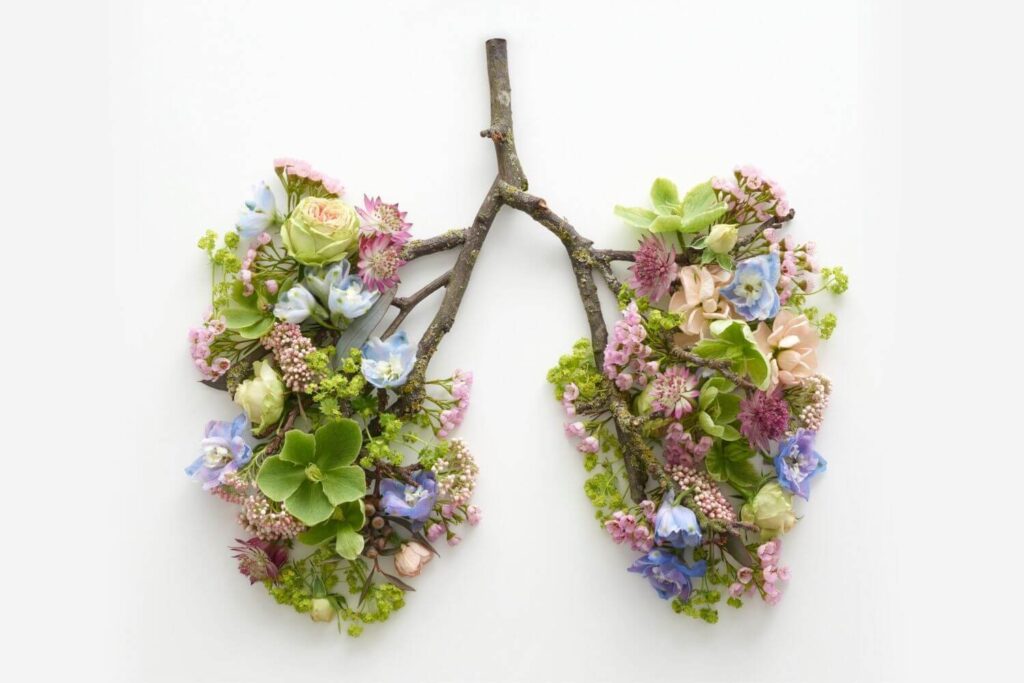
Ensuring optimal air quality in your home isn’t just a matter of comfort, it’s crucial for the health and well-being of your loved ones. Poor air quality can lead to a range of health issues, from mild irritations to severe respiratory problems. Employing individual methods like filter replacements, air purifiers, or duct cleaning is effective. However, the real power lies in their combination. When these methods work in harmony, they synergize, significantly improving indoor air quality, creating a healthier environment for your family.
Don’t compromise on the air you breathe. Take the proactive step of enhancing your home’s air quality. Whether it’s upgrading filters, installing air purifiers, or considering HRV systems, North Wind HVAC can do it all (apart from cleaning your home). Contact us today to schedule any of these services and ensure a healthier, more comfortable living space for you and your loved ones.
✓ Expert Note — Our technicians have assessed indoor air quality in hundreds of Ontario homes. The recommendations below are informed by ASHRAE guidelines, Health Canada indoor air quality standards, and real-world experience across Simcoe County and the GTA.
Frequently Asked Questions About Indoor Air Quality in Ontario Homes
Why is indoor air quality worse in Ontario homes during winter?
Ontario homes are heavily insulated and sealed during winter to keep heat in, which dramatically reduces natural air exchange. This traps indoor pollutants – VOCs from furniture and cleaning products, pet dander, dust mites, mould spores, and combustion byproducts. The EPA estimates indoor air can be 2–5x more polluted than outdoor air in winter. Mechanical ventilation (HRV/ERV) and high-MERV filtration address this without wasting heat.
What MERV rating air filter should I use in my Ontario home?
MERV 8–13 is the recommended range for most Ontario homes. MERV 8 captures most dust and pollen. MERV 11–13 captures smaller particles including mould spores and some bacteria, which is beneficial for allergy sufferers. Avoid MERV 16+ filters on residential furnaces – they restrict airflow so severely they can damage your system. Always check your furnace manufacturer’s specifications before upgrading filter ratings, and change filters every 1–3 months.
What is the ideal indoor humidity level for an Ontario home in winter?
Health Canada recommends maintaining relative humidity between 30–55% in Canadian homes year-round. In Ontario winters, homes with forced-air heating can drop to 10–20% RH without humidification. Below 30% RH causes dry skin, irritated sinuses, increased susceptibility to viruses, and static electricity. Above 55% RH promotes mould and dust mite growth. A furnace-mounted whole-home humidifier is the most effective solution – portable units are inadequate for larger homes.
Are whole-home air purifiers worth the investment?
For Ontario households with allergy sufferers, asthma, or pets, a whole-home air purifier (HEPA or electronic polarized media filtration installed in the duct system) offers significant improvement over standard furnace filters. Systems like the Aprilaire 5000 or IQAir systems capture particles down to 0.3 microns. UV air purifiers (like Fresh-Aire UV APCO) also reduce bioaerosols, mould, and odours. The investment of $700–$2,500 installed is often returned through reduced allergy medication and sick days.
Do I need an HRV or ERV for my Ontario home?
If your home was built after 2012 or has been significantly air-sealed, it almost certainly has or needs an HRV (Heat Recovery Ventilator). Ontario Building Code requires HRVs in new construction for this reason. An HRV exhausts stale air while recovering 70–80% of the heat, then brings in fresh outdoor air. Without adequate ventilation, moisture and pollutant levels rise significantly. If your home feels stuffy despite running the furnace, an HRV assessment is a good first step.
Can a humidifier on my furnace cause mould?
A poorly calibrated or malfunctioning furnace humidifier can introduce too much moisture, leading to condensation on cold surfaces and mould growth – particularly around windows, in attics, and in poorly insulated areas. The key is setting the humidistat correctly: start at 30–35% RH in deep winter and adjust based on window condensation. Have the humidifier serviced annually (replace water panel/evaporator pad, clean the unit) to prevent scale buildup and bacterial growth.
What causes my home to smell musty when the furnace turns on?
A musty smell at furnace startup is usually caused by dust burning off the heat exchanger after summer dormancy (normal and temporary), mould growth in the ductwork or on the evaporator coil, a dirty or saturated furnace filter restricting airflow and causing moisture buildup, or standing water in the condensate drain. A seasonal furnace tune-up includes a coil cleaning and duct inspection that typically resolves this. Persistent musty smells warrant a professional air quality inspection.

Written by
Oleksii Sitalo
Oleksii Sitalo is an HVAC professional with hands-on experience in heating, cooling, air conditioning, furnace systems, and home comfort solutions.
