 Proudly Canadian


 Home
Home Cooling
 Heating
 Heat Pumps
 Air Quality
 Other
Other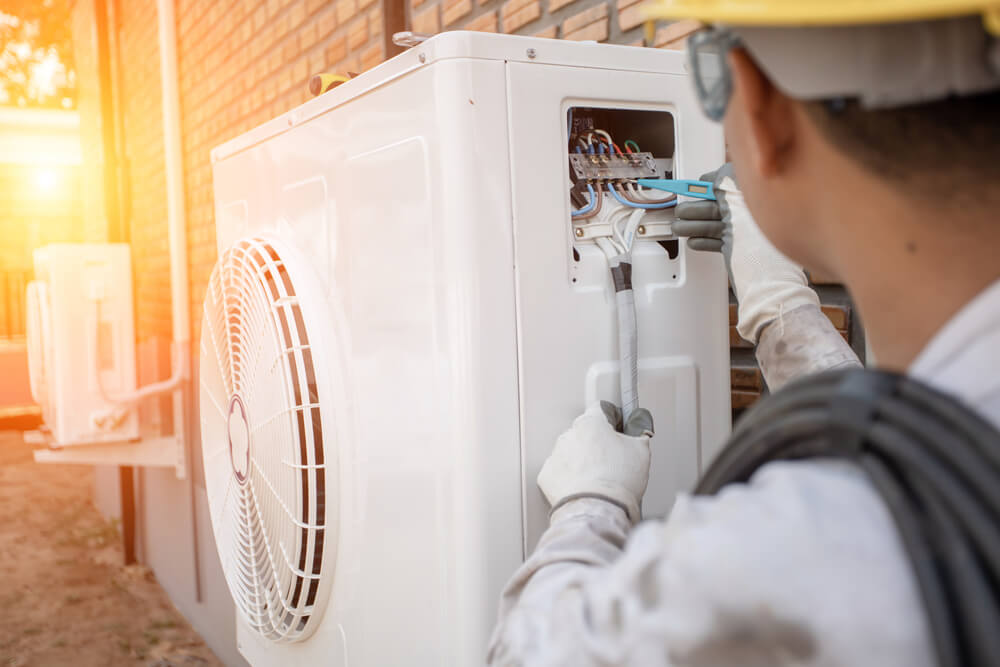
Upgrade your Home’s Heating and Water Systems Today!
The Canadian Government has launched a new incentive that provides homeowners with the opportunity to embrace energy-efficient solutions and receive financial incentives for their efforts. By taking advantage of the Canada Greener Homes Grant, you can enhance your home’s comfort, reduce utility bills, and contribute to a greener future. Discover how the Canada Greener Homes Grant can transform your home into an energy-efficient oasis while putting money back into your pocket.
Space and Water Heating
The Canada Greener Homes Grant offers homeowners the opportunity to upgrade their HVAC systems and water heaters to more energy-efficient options. By installing an ENERGY STAR® certified heat pump, you can save up to 70 percent on your heating costs. Not only will this reduce your utility bills, but it means you are eligible to receive a rebate of up to $7,800.
Smart Thermostats
Enhance your comfort and save money on energy bills by replacing your old thermostat with a smart thermostat. Smart thermostats automatically adjust temperature settings based on occupancy patterns and preferences, optimizing energy usage. When combined with another energy efficiency retrofit, homeowners can be eligible for a rebate of up to $125.

Eligibility and Application Process
To be eligible for the Canada Greener Homes Grant, ensure your home is your primary residence and work with an NRCan-approved Energy Advisor. Pre- and post-energy assessments are required to evaluate your home’s energy efficiency. Certain restrictions may apply, such as for multi-unit residential buildings, new homes built less than 6 months ago, or homes not heated by Enbridge Gas.
The application process involves first selecting a service organization, then prioritizing renovations based on recommendations from the Energy Advisor. After completing the retrofitting process, a post-retrofit evaluation will determine your eligibility for the grant and any applicable rebates.
Upgrade your home’s heating and water systems with the support of the Canada Greener Homes Grant and North Wind HVAC systems. By installing energy-efficient heat pumps for space and water heating and integrating smart thermostats, you can achieve significant cost savings while reducing energy consumption. Take advantage of the financial incentives available through the grant and enjoy a more comfortable, energy-efficient, and sustainable home.
Contact us today for a free quote!
✓ Expert Note — Our team has helped hundreds of Ontario homeowners reduce heating and cooling costs through equipment upgrades and operational changes. The figures below reflect current Ontario energy rates, equipment specs, and rebate programs.
Frequently Asked Questions About HVAC Energy Efficiency in Ontario
How can I reduce my heating bills in Ontario?
The biggest wins: upgrade to a high-efficiency furnace (96%+ AFUE saves 20–30% over an 80% AFUE unit), add or upgrade attic insulation, seal air leaks around doors/windows/penetrations, install a smart or programmable thermostat (saves 10–15% with proper setback schedules), and service your furnace annually to maintain peak efficiency. For homes heating with oil or propane, converting to natural gas or adding a heat pump can dramatically reduce operating costs.
What HVAC upgrades qualify for the Canada Greener Homes Grant?
The Canada Greener Homes Grant (up to $5,600) covers: insulation, air sealing, windows and doors, heat pumps (up to $5,000), solar panels, and EnerGuide evaluations. An eligible heat pump must meet specific energy efficiency requirements and must be installed by a registered contractor. The program requires a pre-retrofit EnerGuide audit ($150–$300) before installation, and a post-retrofit audit to confirm eligibility. Grants are paid directly to homeowners after the work is done and verified.
Is a smart thermostat worth it for Ontario homeowners?
Yes – typically pays back within 1–2 years. A smart thermostat like an ecobee or Nest can reduce heating and cooling costs by 10–23% annually through learning your schedule, automatic setbacks, and demand response participation (in Ontario, some utilities pay you to allow brief setbacks during peak demand events). Installation is straightforward on most forced-air systems, though multi-stage, heat pump, or radiant systems may need a C-wire or adapter.
What is the most energy-efficient heating system for Ontario in 2025?
In terms of operating efficiency, a cold-climate heat pump paired with a gas furnace backup (dual-fuel) is currently the most efficient option for most Ontario homes. Heat pumps move 2–4 units of heat per unit of electricity consumed (COP of 2–4), making them far more efficient than electric resistance heating. For homes on natural gas only, a 96%+ AFUE modulating condensing furnace is the peak of gas heating efficiency. Radiant hydronic systems (in-floor heating) are highly efficient for the right building type.
How much does it cost to run central air conditioning in Ontario per month?
Running a 3-ton, 14 SEER2 central AC in Ontario for a typical summer month (July or August) costs roughly $60–$120 depending on usage hours, local electricity rate, and home insulation. Ontario electricity rates average about $0.10–$0.13/kWh off-peak. A 3-ton unit draws about 3–4 kW when running. Using a programmable thermostat to raise the setpoint by 4–5°C during working hours saves 10–15% on cooling costs with almost no comfort impact.
What are Enbridge Gas rebates available for HVAC in Ontario in 2025?
Enbridge Gas (formerly Union Gas and Enbridge merger) currently offers rebates for: high-efficiency furnaces ($250–$1,000 depending on AFUE rating), smart thermostats ($75–$100), home energy assessments, and commercial equipment upgrades. Rebate amounts and eligibility change annually. Check enbridgegas.com/saveenergy for current programs or ask your HVAC contractor – they typically apply for rebates on your behalf as part of the installation process.
Does a dirty air filter really affect my energy bill?
Yes, significantly. A clogged filter forces your blower motor to work harder to pull air through, increasing electricity consumption by 10–15% or more. Restricted airflow can also cause the heat exchanger to overheat and trigger the high-limit safety switch, causing the furnace to short cycle – burning more gas for less heat output. In summer, restricted airflow causes the evaporator coil to freeze, eventually shutting down the AC entirely. Changing your filter every 1–3 months is one of the highest-ROI maintenance tasks you can do.

Written by
Oleksii Sitalo
Oleksii Sitalo is an HVAC professional with hands-on experience in heating, cooling, air conditioning, furnace systems, and home comfort solutions.
