 Proudly Canadian


 Home
Home Cooling
 Heating
 Heat Pumps
 Air Quality
 Other
Other
Summer heat is rising, and so are energy costs. As living gets more expensive in 2025, it’s in homeowners’ best interest to find affordable and smart ways to stay cool without breaking the bank. Here’s some good news for you: You don’t need an expensive system upgrade or complicated tech to make a difference. Some thoughtful changes in your home and yard can make all the difference to reduce air conditioning bills significantly.
Let’s talk about 8 simple ways you can reduce your bill this summer.
1. Schedule Seasonal Maintenance for Peak Performance
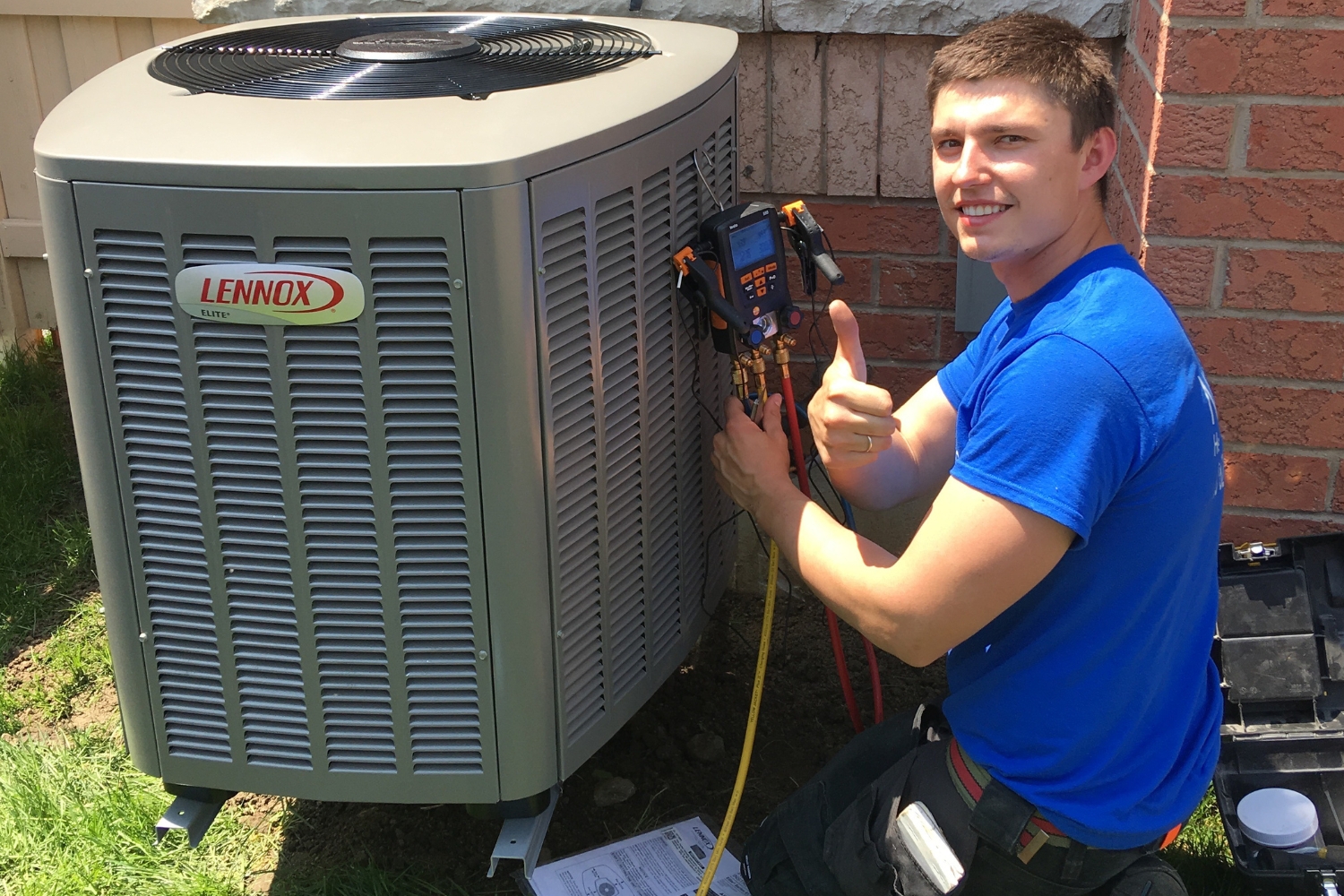
Schedule a seasonal checkup before summer begins to ensure everything is running as it should. We can clean coils, check refrigerant levels, and identify potential issues before they become problems. Don’t hesitate to contact Northwind HVAC. Schedule professional AC maintenance twice a year to keep your air conditioner working at its best.
Keeping your system in top shape ensures it runs efficiently and uses less energy, making maintenance one of the most reliable ways to reduce air conditioning bills. When you book an AC maintenance appointment with us, you’ll receive a complete diagnostic test and a list of recommended AC repair services to keep your unit working for years to come!
2. Optimize Your Thermostat Settings
Your thermostat uses a lot of energy when you’re not paying attention. Set it to 25°C or higher when you’re home. For every degree cooler, your cooling system uses about 6 to 8% more energy. You may think: how is setting it higher making it cheaper? Since air conditioning is trying to remove heat from your home, lowering the temperature means that your system has to work even harder, using energy, to pull it out of your home.
We can help you professionally install an AC unit that is more energy-efficient for your home.
Smart thermostats, smart cooling
Let’s say you’re a forgetful person and often overlook turning off the thermostat when it’s not needed. Get a smart thermostat that adjusts settings automatically based on your schedule or even outdoor temperatures. These devices can also send reminders for maintenance tasks like replacing filters. It has to be one of the easiest ways to reduce air conditioning bills without losing comfort. We also offer smart thermostat upgrades for those interested in getting smarter with your home tech!

3. Clean or Replace Air Filters Regularly
A dirty or clogged air filter restricts airflow, making your system work harder and use more energy. As usual, check your filters every 30 to 60 days, especially during peak cooling months. Replace them every 90 days, or sooner if they look visibly dirty.
Clean filters not only improve efficiency but also enhance indoor air quality. It’s a quick, easy task that keeps your system running smoothly and lowers your energy usage.
4. Use Ceiling Fans to Enhance Cooling
Ceiling fans are a low-cost way to improve how cool your home feels without lowering the thermostat.
How they work
They work by creating a breeze that makes the room feel several degrees cooler. Run ceiling fans counterclockwise in summer to push cool air down and circulate it better throughout the room. Just remember: fans cool people, not rooms. Always turn them off when you leave the space.
5. Seal Windows and Doors to Keep Cool Air Inside
Air leaks around windows, doors, and other openings let cool air escape and hot air sneak in. This forces your system to run longer and harder than necessary.
How can I close the gaps?
Use caulking and weatherstripping to seal gaps and cracks. These inexpensive fixes can make a noticeable difference in your energy bill. Also, check less obvious spots like attic hatches, electrical outlets, and plumbing areas. Closing these leaks helps keep your home consistently cool and helps you reduce air conditioning bills.
6. Install Smart Window Coverings
Sunlight streaming through windows also makes a room hotter. That extra heat means your cooling system has to work overtime.
To block sunlight heat, consider installing reflective window film, heat-reducing blinds, or blackout curtains. These products reflect sunlight and UV rays away from your home, keeping rooms cooler during the day. For best results, focus on windows facing south and west, which get the strongest afternoon sun.
Using smart window treatments is a simple but effective way to cut down on cooling costs and help you reduce air conditioning bills without sacrificing natural light.
7. Improve Attic Insulation and Ventilation
Just a mini-tip: Heat rises. And if your attic isn’t properly insulated or ventilated, it becomes a giant heat trap right above your head – where you probably already have enough things going on.
This trapped heat radiates downward, making your home hotter and forcing your cooling system to once again, work harder than it has to.
What can I do?
Check your attic insulation and aim for at least R-30 to R-49 foam, depending on your climate zone. You should also ensure proper ventilation like powered attic fans. Together, the insulation and airflow are the perfect pair to help keep your home cooler.
8. Plant Shade Trees Strategically Around Your Home
Nature offers one of the most effective and beautiful ways to cut cooling costs: tree shade. Planting the right trees in the right places can drastically reduce how much sunlight hits your home.
You can start by mapping out your home and understanding exactly where sunlight is the most abundant. Then, plant large deciduous trees, like oaks or maples, on the west and south sides of your home. They’ll provide shade in summer and allow warmth in winter after they lose their leaves.

What if I don’t have a yard?
Ornamental trees like dogwood or crape myrtle also work for smaller homes. Over time, these living shades can help you reduce air conditioning bills while making your home a little bit more beautiful!
Low Energy Costs, High Cooling Levels
In 2025, cutting cooling costs doesn’t mean sacrificing comfort. Combine smart fixes with mindful habits. Ontario homeowners may also qualify for Ontario home renovation incentives. and you’ll be as cool as a cucumber this summer. Small changes really do add up and by implementing just a few of these tips, you’ll be well on your way to reducing your air conditioning bills and embracing a smarter, more energy-efficient future. Look for ENERGY STAR certified equipment when upgrading your system.
✓ Expert Note — Our team has helped hundreds of Ontario homeowners reduce heating and cooling costs through equipment upgrades and operational changes. The figures below reflect current Ontario energy rates, equipment specs, and rebate programs.
Frequently Asked Questions About HVAC Energy Efficiency in Ontario
How can I reduce my heating bills in Ontario?
The biggest wins: upgrade to a high-efficiency furnace (96%+ AFUE saves 20–30% over an 80% AFUE unit), add or upgrade attic insulation, seal air leaks around doors/windows/penetrations, install a smart or programmable thermostat (saves 10–15% with proper setback schedules), and service your furnace annually to maintain peak efficiency. For homes heating with oil or propane, converting to natural gas or adding a heat pump can dramatically reduce operating costs.
What HVAC upgrades qualify for the Canada Greener Homes Grant?
The Canada Greener Homes Grant (up to $5,600) covers: insulation, air sealing, windows and doors, heat pumps (up to $5,000), solar panels, and EnerGuide evaluations. An eligible heat pump must meet specific energy efficiency requirements and must be installed by a registered contractor. The program requires a pre-retrofit EnerGuide audit ($150–$300) before installation, and a post-retrofit audit to confirm eligibility. Grants are paid directly to homeowners after the work is done and verified.
Is a smart thermostat worth it for Ontario homeowners?
Yes – typically pays back within 1–2 years. A smart thermostat like an ecobee or Nest can reduce heating and cooling costs by 10–23% annually through learning your schedule, automatic setbacks, and demand response participation (in Ontario, some utilities pay you to allow brief setbacks during peak demand events). Installation is straightforward on most forced-air systems, though multi-stage, heat pump, or radiant systems may need a C-wire or adapter.
What is the most energy-efficient heating system for Ontario in 2025?
In terms of operating efficiency, a cold-climate heat pump paired with a gas furnace backup (dual-fuel) is currently the most efficient option for most Ontario homes. Heat pumps move 2–4 units of heat per unit of electricity consumed (COP of 2–4), making them far more efficient than electric resistance heating. For homes on natural gas only, a 96%+ AFUE modulating condensing furnace is the peak of gas heating efficiency. Radiant hydronic systems (in-floor heating) are highly efficient for the right building type.
How much does it cost to run central air conditioning in Ontario per month?
Running a 3-ton, 14 SEER2 central AC in Ontario for a typical summer month (July or August) costs roughly $60–$120 depending on usage hours, local electricity rate, and home insulation. Ontario electricity rates average about $0.10–$0.13/kWh off-peak. A 3-ton unit draws about 3–4 kW when running. Using a programmable thermostat to raise the setpoint by 4–5°C during working hours saves 10–15% on cooling costs with almost no comfort impact.
What are Enbridge Gas rebates available for HVAC in Ontario in 2025?
Enbridge Gas (formerly Union Gas and Enbridge merger) currently offers rebates for: high-efficiency furnaces ($250–$1,000 depending on AFUE rating), smart thermostats ($75–$100), home energy assessments, and commercial equipment upgrades. Rebate amounts and eligibility change annually. Check enbridgegas.com/saveenergy for current programs or ask your HVAC contractor – they typically apply for rebates on your behalf as part of the installation process.
Does a dirty air filter really affect my energy bill?
Yes, significantly. A clogged filter forces your blower motor to work harder to pull air through, increasing electricity consumption by 10–15% or more. Restricted airflow can also cause the heat exchanger to overheat and trigger the high-limit safety switch, causing the furnace to short cycle – burning more gas for less heat output. In summer, restricted airflow causes the evaporator coil to freeze, eventually shutting down the AC entirely. Changing your filter every 1–3 months is one of the highest-ROI maintenance tasks you can do.

Written by
Oleksii Sitalo
Oleksii Sitalo is an HVAC professional with hands-on experience in heating, cooling, air conditioning, furnace systems, and home comfort solutions.
