 Proudly Canadian


 Home
Home Heating
 Cooling
 Heat Pumps
 Air Quality
 Other
OtherHVAC Tips and Tricks
Top 10 Ways to Reduce Humidity in Your Home
Jul
How to reduce humidity in your home – or in a single room – is one of the most common HVAC questions we hear in Ontario. High humidity makes you feel uncomfortable, damages walls and floors, and encourages mold. The good news: most of the fixes are straightforward. Here are the methods that actually work, plus answers to the most common questions we get about removing moisture from a room or house.
Ideal Indoor Humidity Level
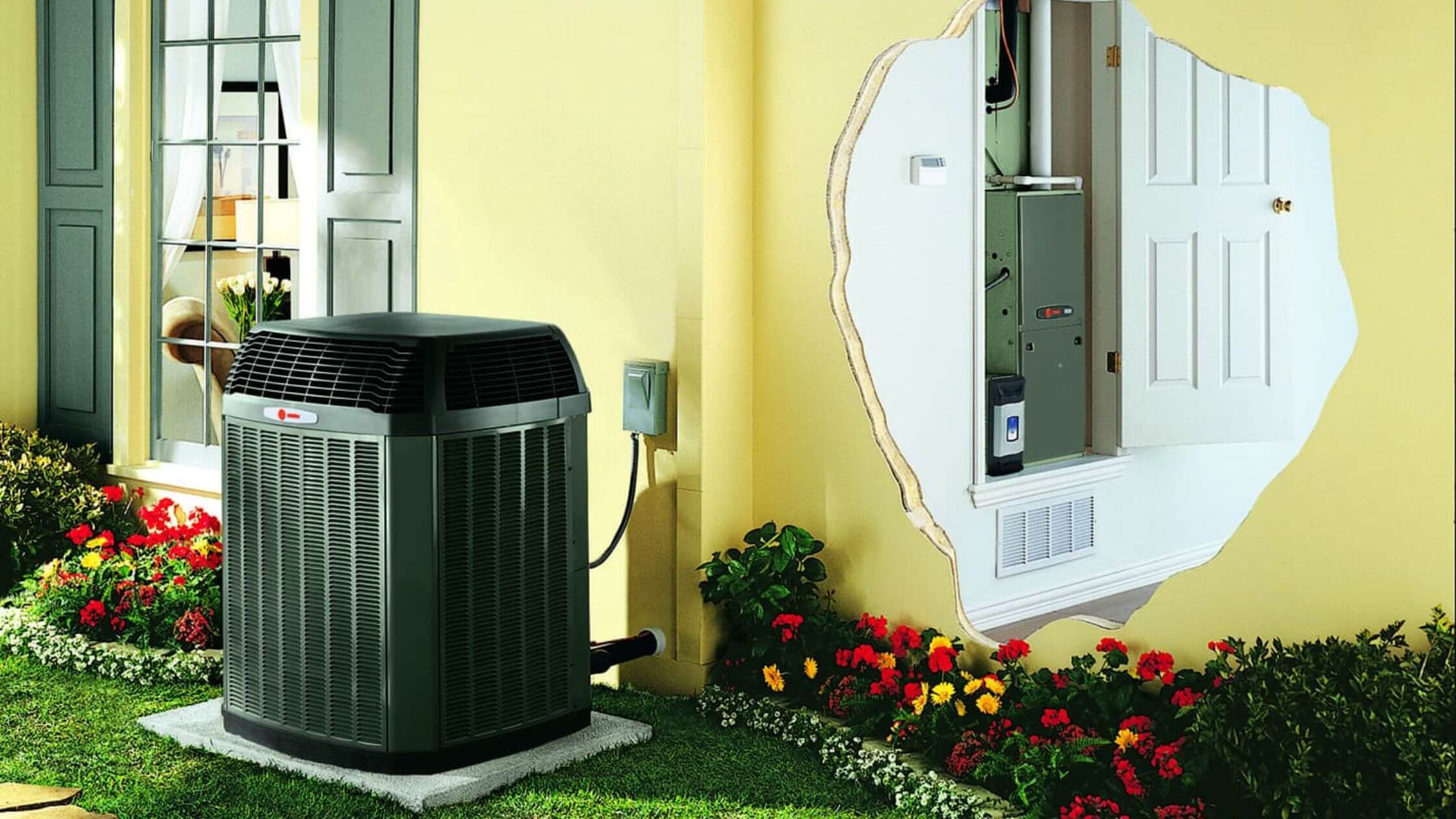
One of the first steps in discovering how to get rid of humidity in the house is to figure out the ideal humidity level in the average home. You don’t want your home to be too dry, but you also don’t want it to be too humid either.
The recommended humidity level is between 30% and 50%. This will prevent the growth of mould and prevent buildup of condensation on walls and windows.
Keeping your humidity level between this range will reduce the chances of developing respiratory problems and allergies. It will also help you to get a better night of sleep.
Is My Home Too Humid?
Humidity in the house is not quite the same as the humidity we experience outdoors. You may find when you work on how to lower the humidity that you have to play with the settings of your thermostat. Most heating and air conditioning units have a built-in dehumidifier that helps to control humidity levels. If this is not working properly, then you may notice that your home feels damp and uncomfortable. One of the ways to prevent this is to inspect your heating system regularly and remember to change the filters. You can tell the difference between humidity due to hot temperatures and humidity due to a problem with your home’s infrastructure by the interior of your home.
Unlike traditional humidity where you might notice sweat on your skin, humidity in a home may make your home more stuffy, create condensation or cause a strong odour. A hygrometer will be able to provide you with an accurate reading of the humidity level in your home. If it is over 45% then you need to adjust your humidity levels. Once installed, check your hygrometer on a daily basis to track any changes in humidity levels. This will help you pinpoint when humidity levels appear to be at their peak and allow you to make the right adjustments, whether it’s combating someone who takes too long in the shower, to a problem with your home’s plumbing or heating systems.
How to Reduce Humidity Levels
Once you have figured out whether or not your humidity level is too high, then it’s time to make some adjustments to regulate the heat in your home.
These are some of the things you can do to quickly remove humidity.

Turn on AC to Remove Humidity
Start by turning on the AC. This will help dry out the air and improve airflow.
Keep it working efficiently by doing regular tune-ups and changing the filters at appropriate intervals.

Use Exhaust Fans to Lower Humidity
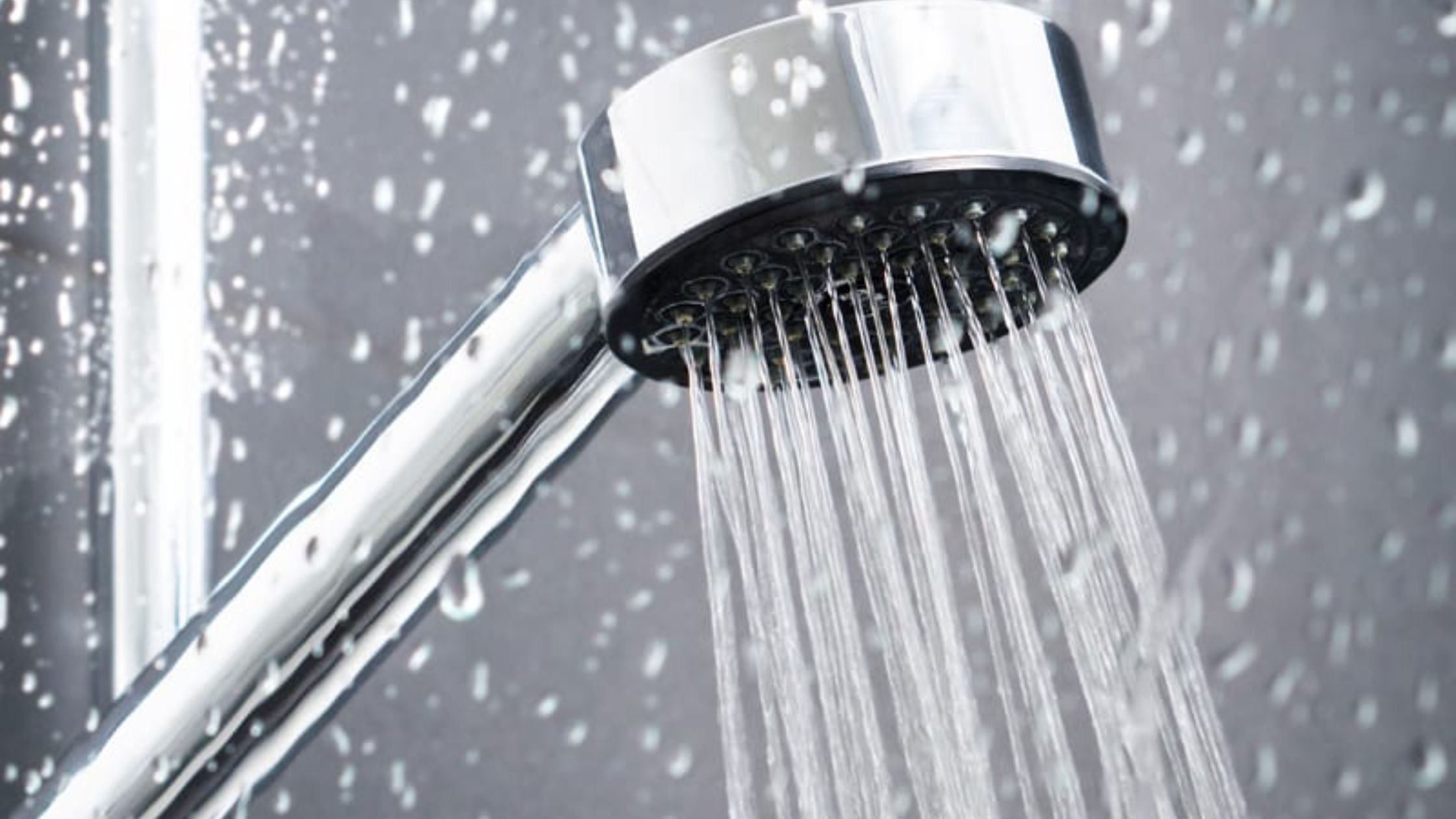
The bathroom is one of the main spots homeowners experience high levels of humidity. Hot showers and baths can quickly elevate the level of humidity in a home, leading to mould. You have probably noticed that if you have a long, hot shower, your mirrors or windows quickly become foggy. Though it may dissipate rather quickly, it can still do significant damage to your home’s interior over time. This is why it’s recommended to keep hot showers to a minimum and take the necessary steps to reduce overall humidity levels.
Run your exhaust fan when using the bathroom to help reduce humidity in the house. If you don’t have an exhaust fan, then leave the window open a crack to get some fresh dry air into the room. This is especially important during the winter months, when moisture levels in your bathroom get high due to keeping windows closed. If you live in an apartment or condo complex, make sure your exhaust fan is cleaned regularly. This will prevent buildup from the blocked airflow. Hold a piece of paper or tissue near the vent. If it moves, then there is adequate airflow. If it stays still, then speak to your superintendent about the quality of air-flow in your bathroom.

Take Cool Showers
It can be incredibly relaxing to have a hot shower after you’ve had a long day. But, as we noted, hot showers can be a quick way to increase the humidity levels in your home.
We recommended considering taking cool showers when possible.
This will reduce the amount of moisture created. Not only is this a better way to maintain a comfortable humidity level, but it is healthier for your body too.
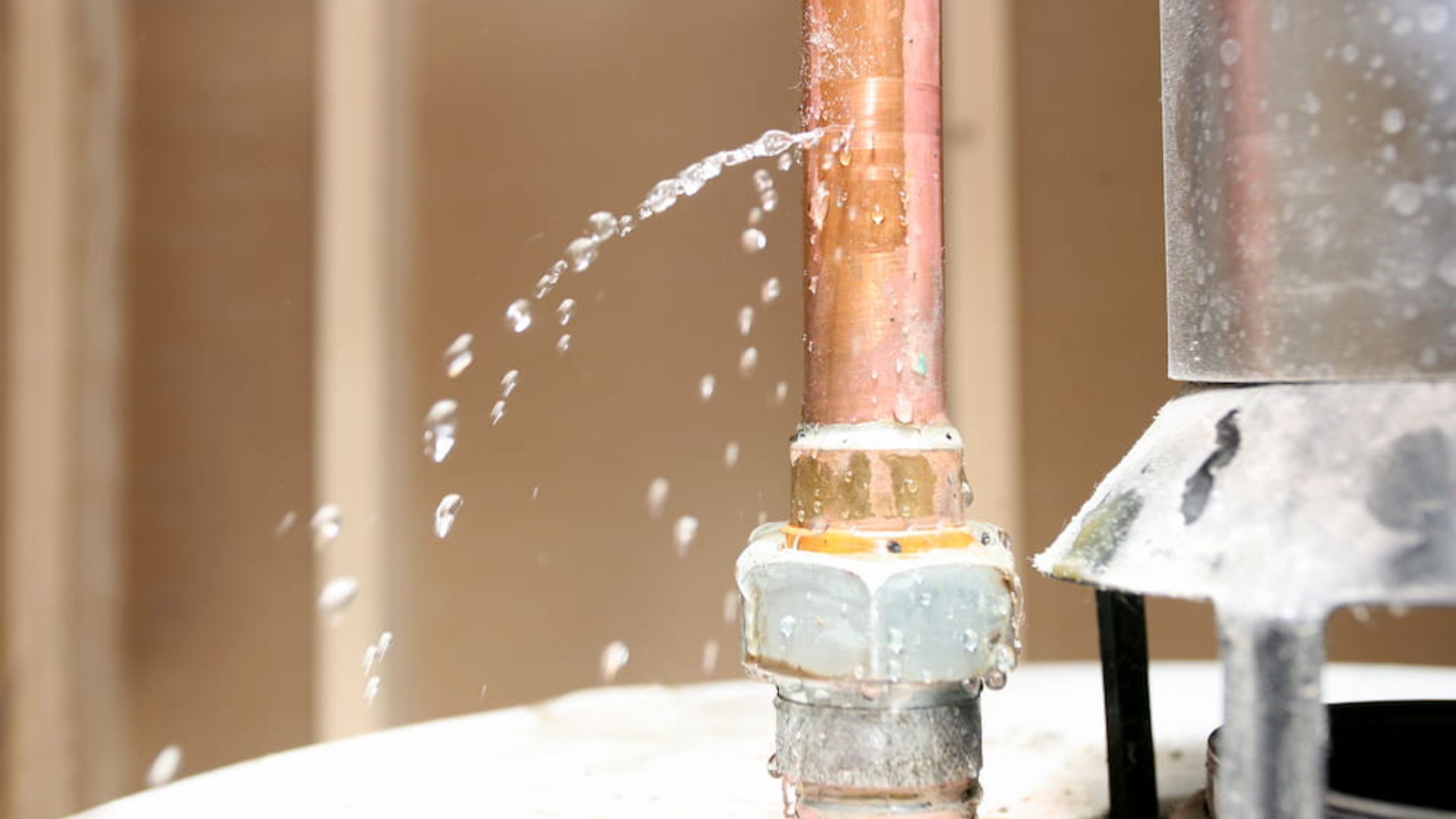
Fix Leaky Pipes
If you have made adjustments to your humidity levels in your home and are still finding it to be too humid, then you may be experiencing a leak in your pipes. Leaky pipes can add moisture in the air, creating condensation and mould.
Not only that, a leaking pipe can damage your walls or floors, leaving you with costly bills.
Make sure you do regular inspections of your plumbing, checking for leaks or water buildup. If you find a pipe that’s leaking, wrap the exposed pipe in an insulator and call a plumber.
Don’t forget to monitor drywall for wet spots or water damage too. This could mean that the leak is located behind the wall.
Clean Gutters for Lower Humidity
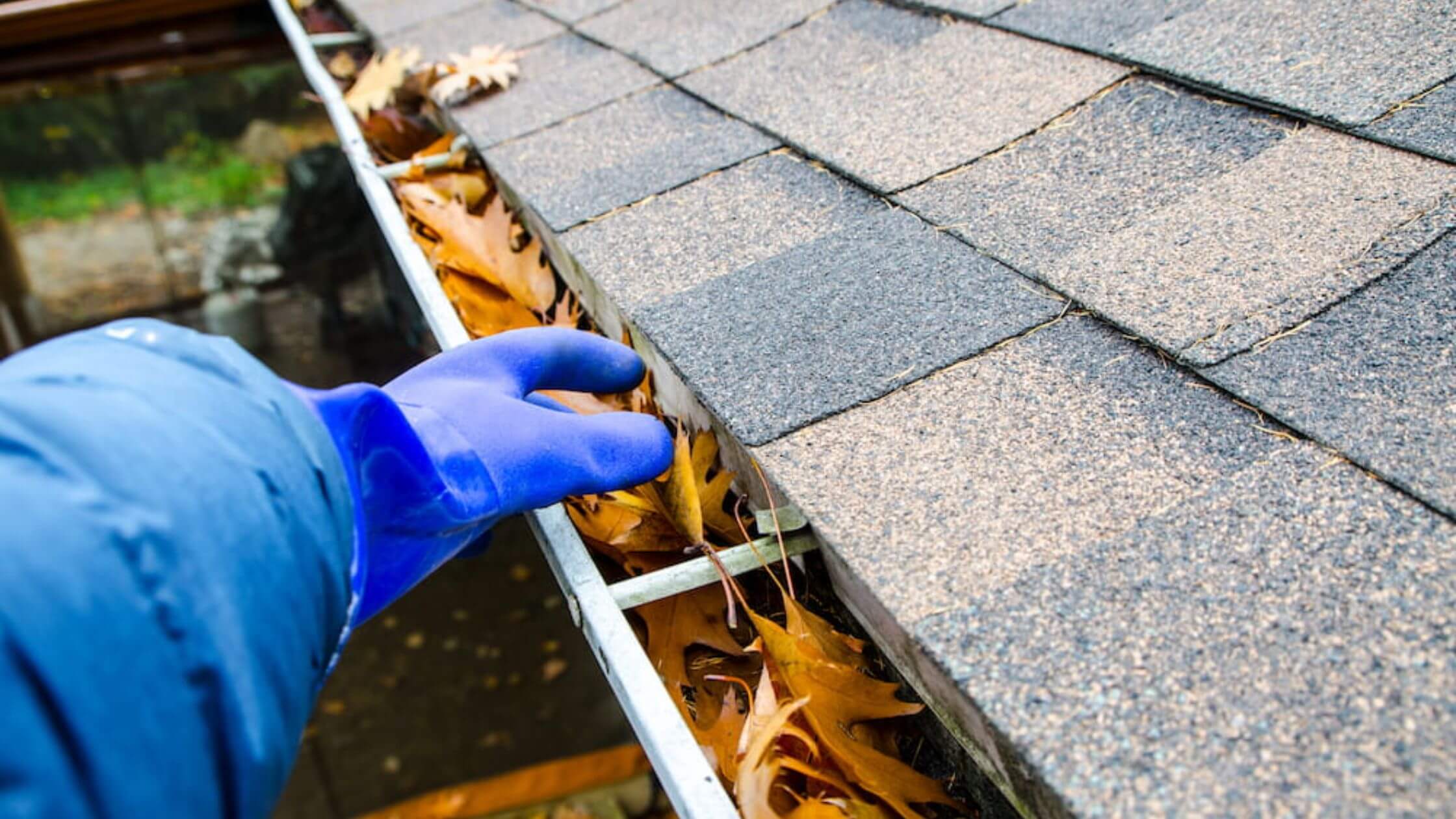
Is water damaging your walls? It might be from clogged gutters.
Regularly clean your gutters and downspouts, getting rid of any debris or leaves that may be causing water to back up and overflow.
Downspouts should be directed at least 6 feet away from your home to avoid any flooding or pooling of water.
Hang Laundry Outside
Hanging laundry is a great way to save on energy bills, but if you hang it in your home, it may cause high levels of humidity.
Moisture from clothing can quickly fill the air, making it feel heavy and uncomfortable from excess humidity.
Use a clothes line or outdoor clothes hanger to dry your laundry.
If you don’t have a space to hang clothes outside, consider getting a dehumidifier to help combat excessive moisture.

Get a Dehumidifier
As we mentioned, a dehumidifier is a great way to tackle excess moisture in your home.
They are available at any hardware or home goods store for an affordable price. Run it as needed, to help pull moisture from the air.
Don’t forget to drain the catch basin. If the basin is filling too quickly, then this is a sign that your moisture levels are too high.
A dehumidifier will also help to reduce the number of hours you rely on your air conditioner which will save you money and energy.
Rearrange Houseplants
Houseplants keep the air in your home clean and fresh, but they can also release moisture into your space.
Keep plants in a well-ventilated area or place them outside on hot and humid days. Your succulents and cactus plants will thank you.

Use Charcoal Briquettes as a Dehumidifier
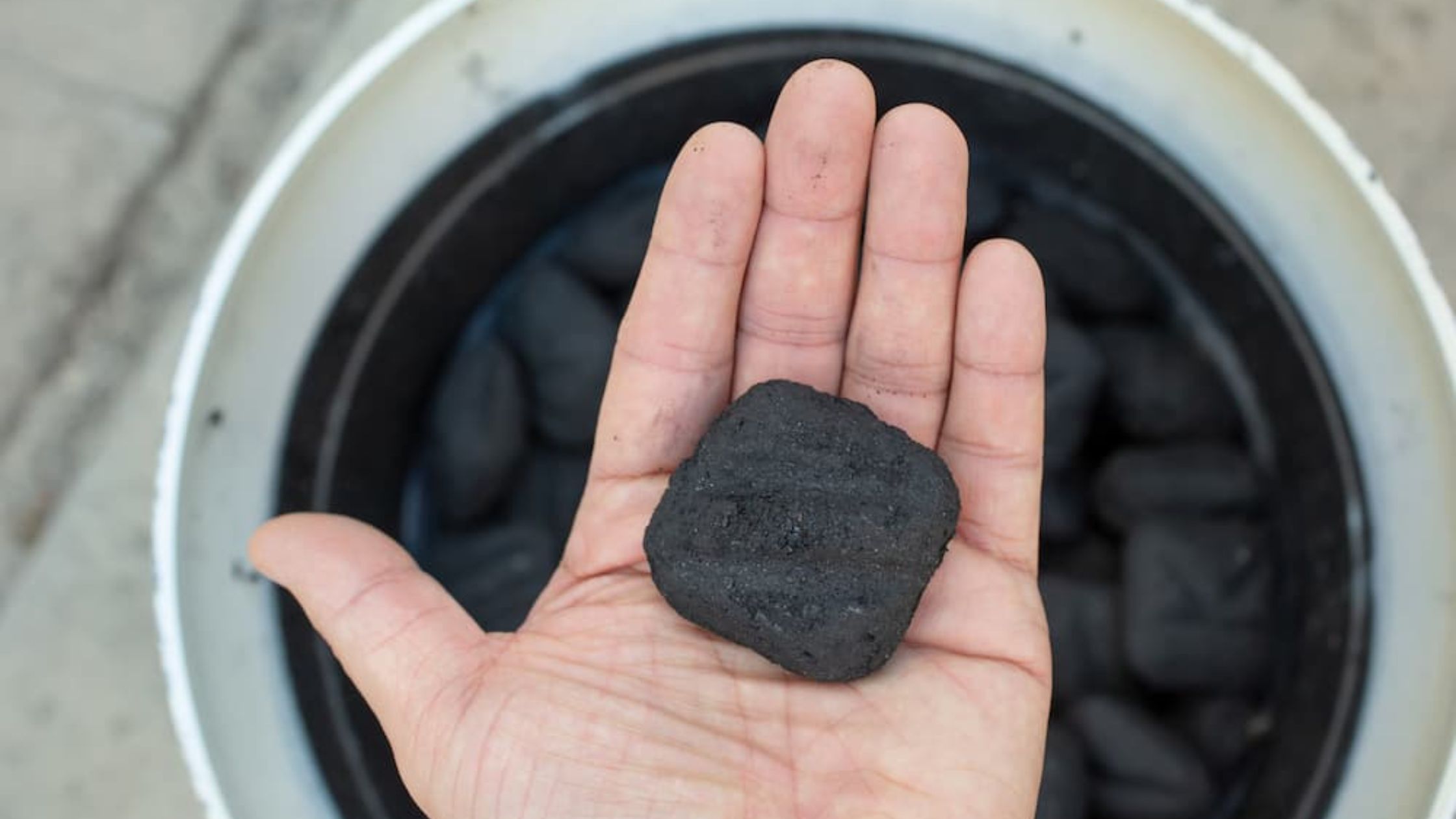
One of our favourite hacks is to use charcoal briquettes to absorb moisture. Place a few briquettes in a basket and watch as they quickly help improve moisture and air quality in your home.
Replace them every 2 to 3 months to stay on top of recurring humidity issues.
Open Windows to Remove Humidity
Probably one of the fastest and most practical ways to decrease humidity in the house is to open a window. A fresh, dry breeze will quickly absorb moisture in spaces like your bathroom or kitchen.
Turn your air conditioner down if you open a window to prevent your unit from working too hard.

Contact the Pros
North Wind HVAC is your number-one choice for humidity control in the home. We offer complete heating and cooling system installation and repair services, so you can get back to enjoying a comfortable and moisture-controlled living space. Our HVAC systems are designed to carefully monitor and regulate humidity levels, so you never have to worry about your home being uncomfortable. This will ensure that your air quality is always at a safe level and reduce the risks of mould and other allergens from forming.
We service all makes and models of HVAC systems. We offer a satisfaction guarantee and stand behind all of our work with our outstanding warranty. All of our technicians are fully certified and trained so you can feel confident knowing your unit is in good hands. We are available 7 Days a Week with emergency service, so you never have to worry about being left in an unhealthy or uncomfortable living environment. We understand how important it is to keep your humidity levels in check and will work with you to identify the cause of high humidity levels, then find the right solution for your home and budget.
Contact us today for a free consultation or quote, and let North Wind Heating and Air Conditioning create a safe and comfortable living space for you and your family.
✓ Expert Note — Our technicians have assessed indoor air quality in hundreds of Ontario homes. The recommendations below are informed by ASHRAE guidelines, Health Canada indoor air quality standards, and real-world experience across Simcoe County and the GTA.
Frequently Asked Questions About Indoor Air Quality in Ontario Homes
Why is indoor air quality worse in Ontario homes during winter?
Ontario homes are heavily insulated and sealed during winter to keep heat in, which dramatically reduces natural air exchange. This traps indoor pollutants – VOCs from furniture and cleaning products, pet dander, dust mites, mould spores, and combustion byproducts. The EPA estimates indoor air can be 2–5x more polluted than outdoor air in winter. Mechanical ventilation (HRV/ERV) and high-MERV filtration address this without wasting heat.
What MERV rating air filter should I use in my Ontario home?
MERV 8–13 is the recommended range for most Ontario homes. MERV 8 captures most dust and pollen. MERV 11–13 captures smaller particles including mould spores and some bacteria, which is beneficial for allergy sufferers. Avoid MERV 16+ filters on residential furnaces – they restrict airflow so severely they can damage your system. Always check your furnace manufacturer’s specifications before upgrading filter ratings, and change filters every 1–3 months.
What is the ideal indoor humidity level for an Ontario home in winter?
Health Canada recommends maintaining relative humidity between 30–55% in Canadian homes year-round. In Ontario winters, homes with forced-air heating can drop to 10–20% RH without humidification. Below 30% RH causes dry skin, irritated sinuses, increased susceptibility to viruses, and static electricity. Above 55% RH promotes mould and dust mite growth. A furnace-mounted whole-home humidifier is the most effective solution – portable units are inadequate for larger homes.
Are whole-home air purifiers worth the investment?
For Ontario households with allergy sufferers, asthma, or pets, a whole-home air purifier (HEPA or electronic polarized media filtration installed in the duct system) offers significant improvement over standard furnace filters. Systems like the Aprilaire 5000 or IQAir systems capture particles down to 0.3 microns. UV air purifiers (like Fresh-Aire UV APCO) also reduce bioaerosols, mould, and odours. The investment of $700–$2,500 installed is often returned through reduced allergy medication and sick days.
Do I need an HRV or ERV for my Ontario home?
If your home was built after 2012 or has been significantly air-sealed, it almost certainly has or needs an HRV (Heat Recovery Ventilator). Ontario Building Code requires HRVs in new construction for this reason. An HRV exhausts stale air while recovering 70–80% of the heat, then brings in fresh outdoor air. Without adequate ventilation, moisture and pollutant levels rise significantly. If your home feels stuffy despite running the furnace, an HRV assessment is a good first step.
Can a humidifier on my furnace cause mould?
A poorly calibrated or malfunctioning furnace humidifier can introduce too much moisture, leading to condensation on cold surfaces and mould growth – particularly around windows, in attics, and in poorly insulated areas. The key is setting the humidistat correctly: start at 30–35% RH in deep winter and adjust based on window condensation. Have the humidifier serviced annually (replace water panel/evaporator pad, clean the unit) to prevent scale buildup and bacterial growth.
What causes my home to smell musty when the furnace turns on?
A musty smell at furnace startup is usually caused by dust burning off the heat exchanger after summer dormancy (normal and temporary), mould growth in the ductwork or on the evaporator coil, a dirty or saturated furnace filter restricting airflow and causing moisture buildup, or standing water in the condensate drain. A seasonal furnace tune-up includes a coil cleaning and duct inspection that typically resolves this. Persistent musty smells warrant a professional air quality inspection.
Frequently Asked Questions: How to Remove Humidity from Your Home
How do I reduce humidity in my room fast?
How do I remove humidity from a room without a dehumidifier?
What causes high humidity in a house?
How do I get rid of humidity in my home in Ontario winters?
What is the ideal humidity level for a home in Canada?
Does AC reduce humidity in a room?
Need Help Controlling Humidity at Home?
If your home stays persistently humid despite ventilation and exhaust fans, your HVAC system may be the issue. A clogged filter, oversized AC, or a broken humidifier bypass damper can all cause moisture problems. North Wind HVAC services humidifiers, AC systems, and HRV units across Innisfil, Barrie, Newmarket, and the greater Simcoe County area. Contact us or learn about our humidifier services.

Written by
David Tremblay
Heating & Ventilation Specialist | G2 Gas Technician (TSSA)
David Tremblay is a licensed heating and ventilation specialist with 12 years of field experience across Barrie, Collingwood, Muskoka, and surrounding Simcoe County communities. Holding a G2 Gas Technician licence from the TSSA and certification in commercial refrigeration, David focuses on water heating systems, indoor air quality, humidification, and whole-home ventilation. He is well-versed in Ontario Building Code requirements and helps homeowners understand seasonal HVAC maintenance and system optimization.
