 Proudly Canadian


 Home
Home Heating
 Cooling
 Heat Pumps
 Air Quality
 Other
OtherHVAC Tips and Tricks
Which is Better? Baseboard vs Central Heat
Aug
When it comes to heating one’s home, odds are your options are between central heat vs baseboard heat. But how do you decide which option is best for you? Well, that more or less comes down to the specific needs and personal preferences of the individual or the household. Do you know if you need baseboard heating or central heat in your home? Read this article to find out which option will better suit your needs.
What is Baseboard Heat?
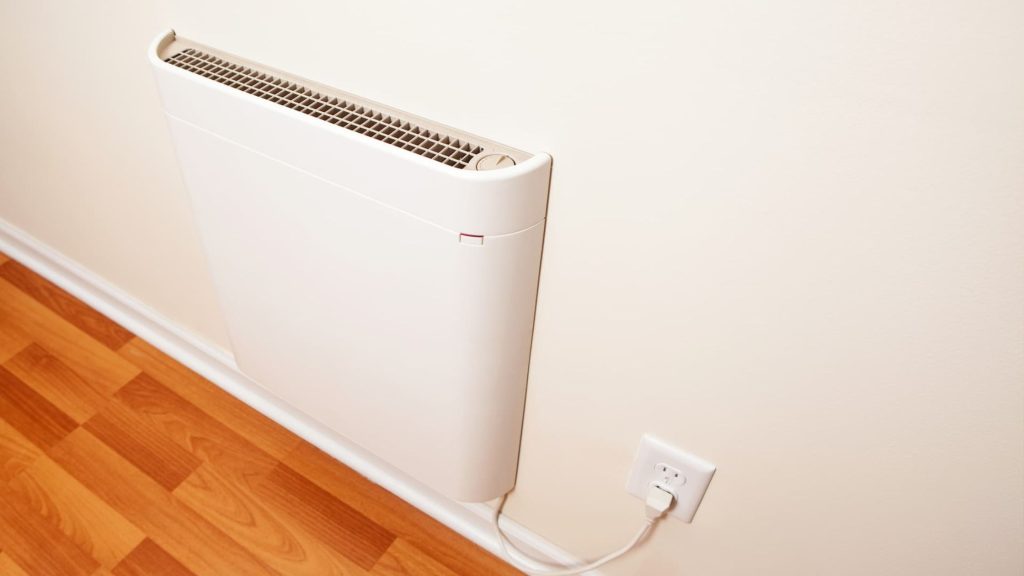
It works either electrically (also known as electric resistance heating) or hydronic – the latter utilizes oil or water circulation to generate heat. Baseboard heating works via zone control. Each baseboard in each specific room can be controlled separately.
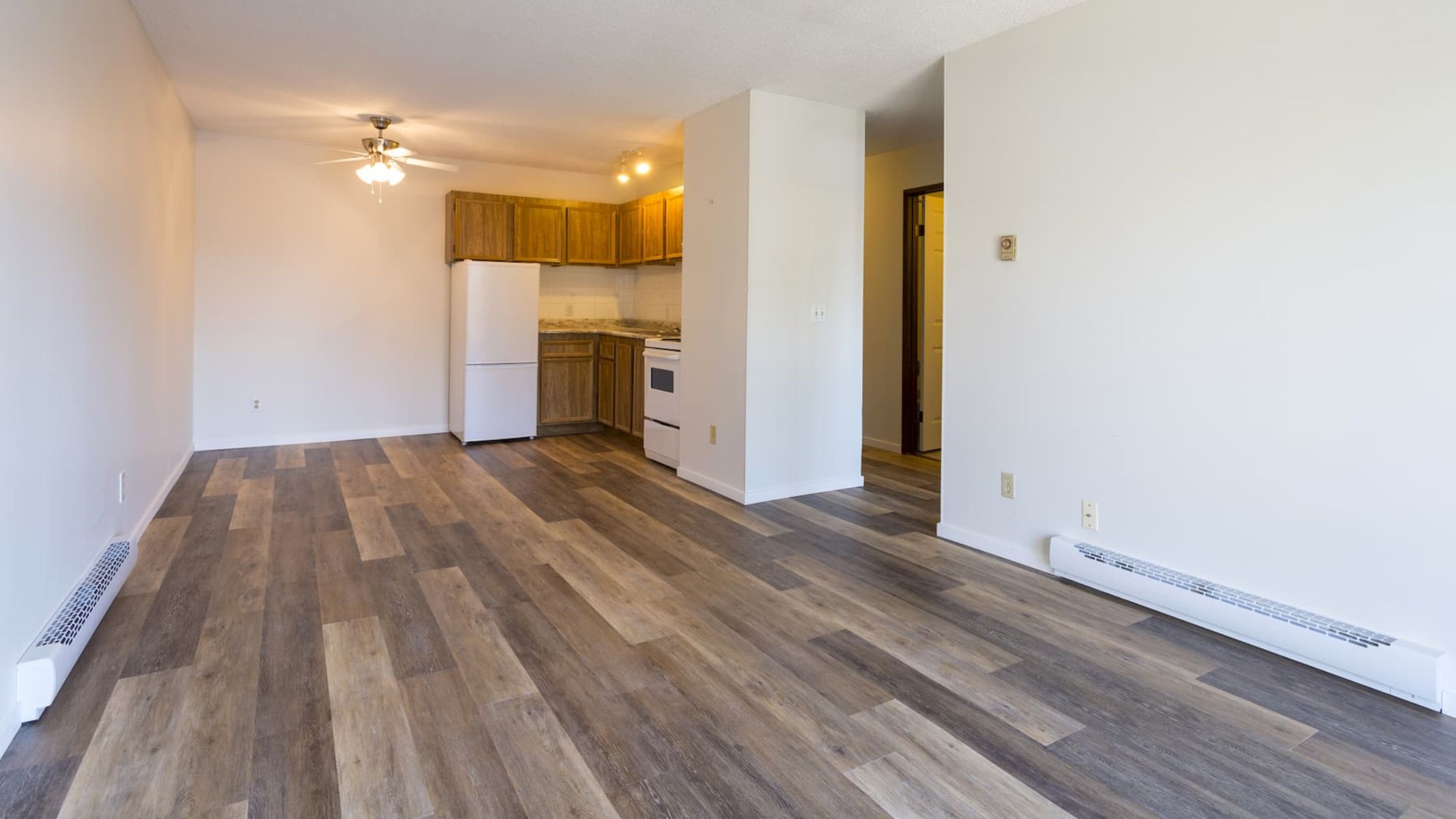
Residences that utilize baseboard heating won’t have air ducts, vents or furnaces – instead, a heating element exists that generates heat and supplies it to the specific rooms. The heaters are actually located in the baseboards – and the system works well thanks to hot air’s proclivity to rise, thereby effectively heating the entirety of the room.
Pros of Baseboard Heat?
A nice advantage offered by baseboard heat is the easy installation and the more cost-effective upfront price. This is thanks to the fact that you don’t need to have the home outfitted with ductwork. This makes central heat much more expensive to install compared to the baseboard.
The heat is created by these baseboards is more consistent; and since you can control the heat in each separate room, you can control the climate as precisely as you desire. Another perk of baseboard heat is a system that operates rather quietly – you’ll barely even hear it, if you even hear it at all!
Cons of Baseboard Heat?
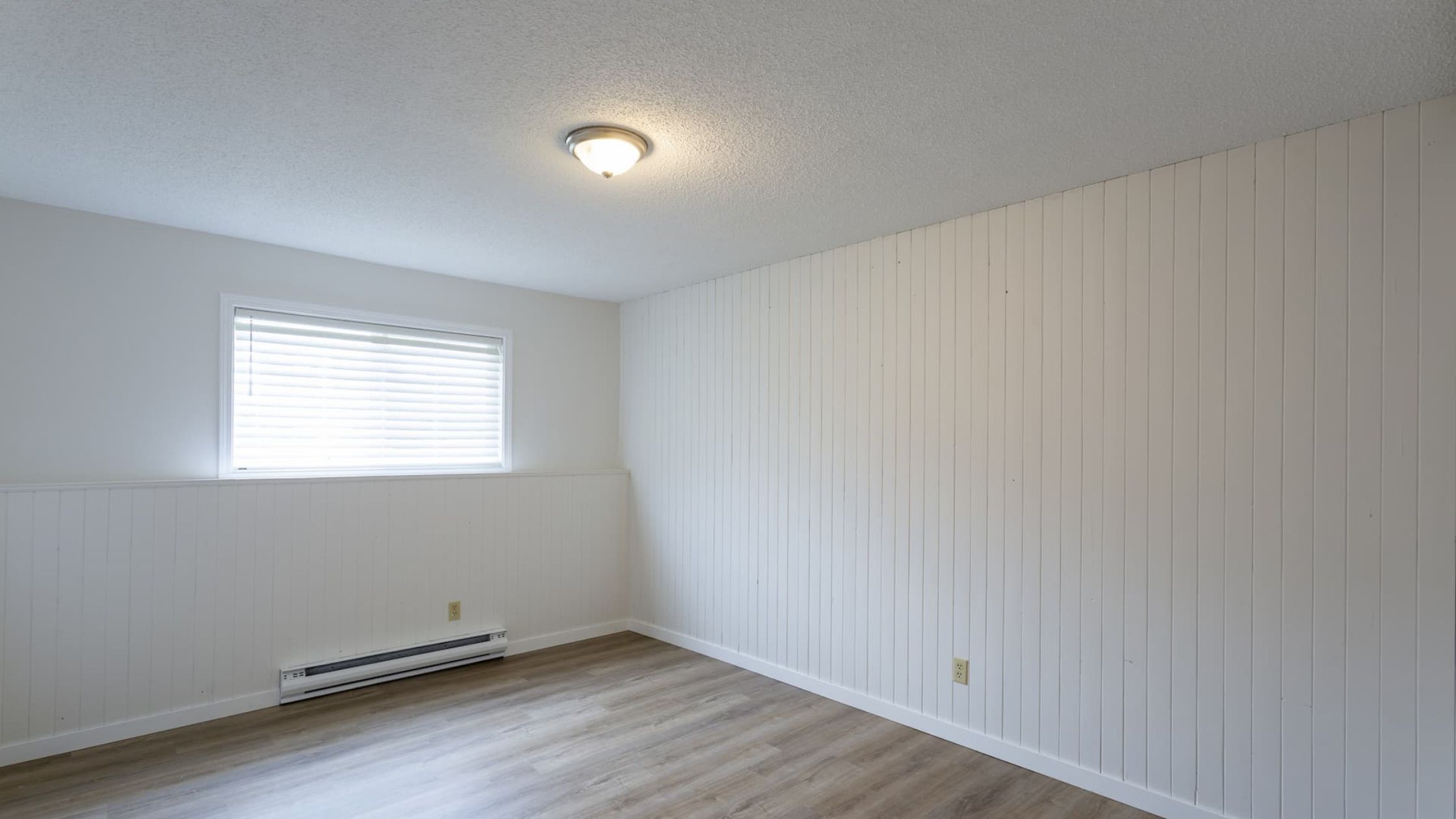
Much like anything in life, with the good also comes the bad. Well, perhaps not bad, but there are definitely some drawbacks associated with a baseboard heating system. For starters, this system of heating your home is far less energy efficient than HVAC systems and central air. In fact, it is said that those that opt to make the switch from baseboard heat to central air will notice a fifty percent drop in their electricity bill!
So on top of being more expensive to operate, baseboard heating is a potential fire hazard. It is important to not have furniture or curtains up against the heaters. Curtains are the big one as these baseboards are often found along exterior walls and below windows. These units also get exceedingly hot and can be potentially harmful to any curious children or pets in the home.

What is Central Heat?
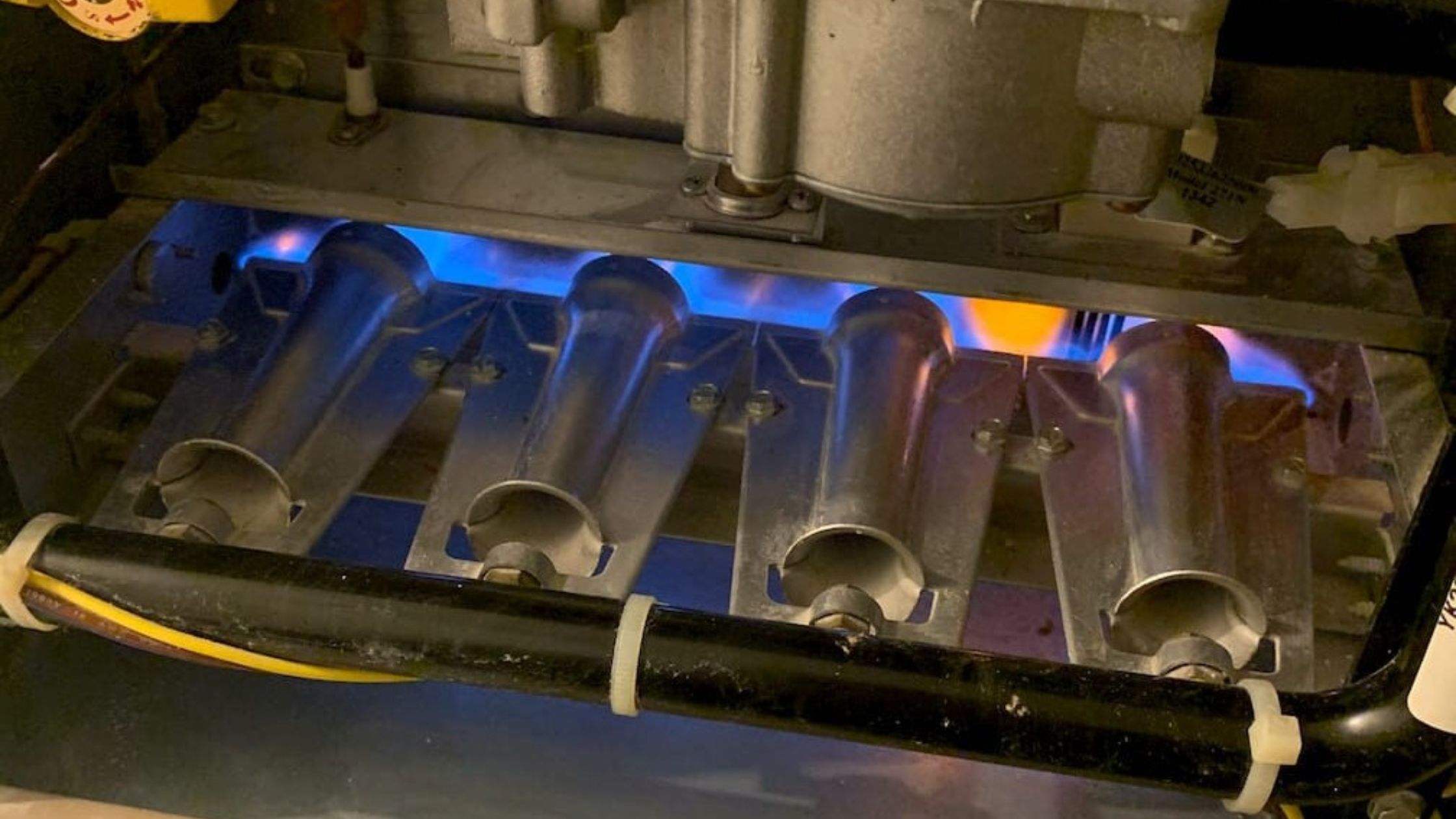
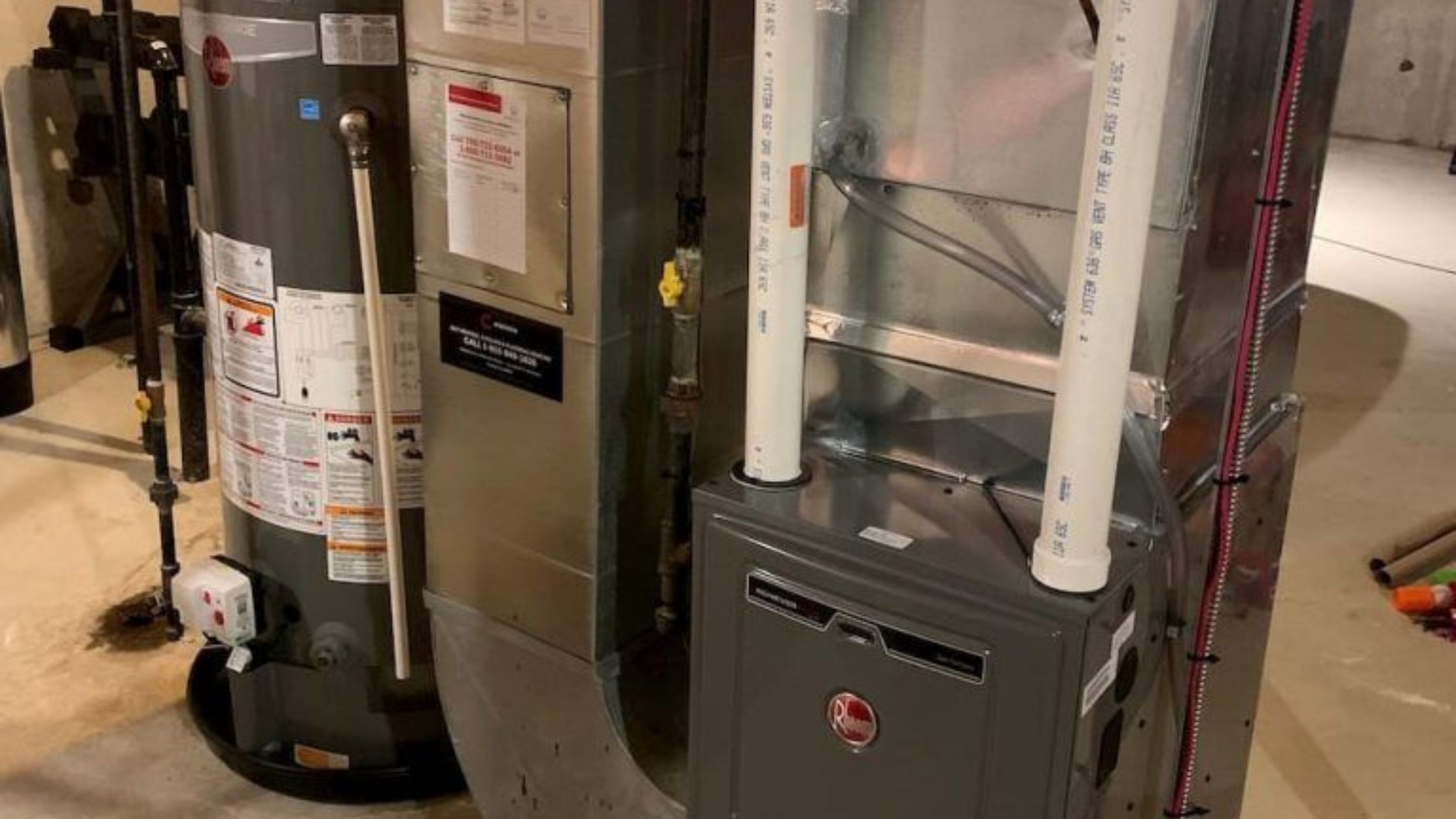
Central heat is fuelled by gas or electricity and works in conjunction with a boiler. The thermostat controls the temperature in the home and components such as condenser coil, furnace coil, and heat exchange are all vital when it comes to supplying heat throughout the house.
The ductwork will transport the heat to the various rooms and you will notice air coming out of the vents.
Pros of Central Heat?
There are a number of benefits associated with forced air heat that you won’t find with baseboard heating. These systems last an exceedingly long time, assuming you provide the necessary care, and if properly installed work as a fantastic source of heat. Perhaps the most popular thing about central air is the ability one has to effectively regulate the temperature throughout the home.
You can set the thermostat to the exact degree you want and open or close vents to control airflow. Another plus is that you can control the temperature from a central location – the thermostat – rather than going from room to room and adjusting the baseboard temperature. Lastly, who could possibly overlook the additional safety features such as auto shutoff, and the emergency kill switch?
Cons of Central Heat?
One thing you need to be mindful of when it comes to forced air is the buildup of dust and problematic allergens that can form in the ductwork and travel throughout your home. Since central heat is a more complex system, there is more upkeep associated with it compared to the baseboard.
Installation cost is expensive; you can run into inconsistent heating situations, and the noise the system produces when in operation is far more noisy than the baseboard.
Baseboard vs Central Heat
Hopefully, this handy little guide helped shed some light on heating options and you can be better informed when selecting the right path for your house. Whether it’s central heat, baseboard, or further information – nobody does it like the pros at Northwind HVAC!
✓ Expert Note — Our certified installers have replaced hundreds of furnaces across Ontario. The information below is based on hands-on installation experience and current Ontario building code requirements.
Frequently Asked Questions About Furnace Installation in Ontario
How much does a new furnace cost in Ontario in 2025?
A new furnace in Ontario typically costs $2,500–$5,500 installed, depending on the brand, efficiency rating, and complexity of the installation. Mid-efficiency single-stage units start around $2,500. High-efficiency (96%+ AFUE) two-stage or modulating furnaces range from $3,500–$5,500. Premium brands like Lennox, Carrier, and Trane sit at the higher end. Always factor in available rebates – Enbridge Gas currently offers rebates of $250–$1,000 for qualifying high-efficiency upgrades.
How long does furnace installation take?
A standard furnace replacement takes 4–6 hours for an experienced crew. If the installation involves upgrading to a high-efficiency model with a new PVC venting system, or relocating the unit, it can take a full day. New construction or complex retrofits may require 1–2 days. Most homeowners can have their heat restored the same day their old unit is removed.
What size furnace do I need for my Ontario home?
Furnace sizing is calculated using a heat load calculation (Manual J method), which accounts for your home’s square footage, insulation levels, window area, ceiling height, and local climate data. As a rough guide, Ontario homes typically need 30–60 BTUs per square foot. Oversizing a furnace causes short cycling and wears components faster; undersizing leaves you cold on the worst days. Our technicians calculate the right size – never guess.
What rebates are available for new furnace installation in Ontario?
Several programs are available in 2025. Enbridge Gas offers rebates of $250–$1,000 for upgrading to a qualifying high-efficiency furnace (96%+ AFUE). The Canada Greener Homes Grant provides up to $5,600 for eligible upgrades but requires a pre-retrofit EnerGuide audit. Union Gas (now Enbridge) customers in southwestern Ontario have additional program access. Our team can advise on what you qualify for at the time of your estimate.
Should I rent or buy a new furnace in Ontario?
Buying is almost always the better financial decision long-term. While rental programs (common with Enercare and other providers) offer $0 upfront, the monthly payments ($50–$100/month) add up quickly. Over 10 years, you can easily pay $6,000–$12,000 for a furnace worth $3,500. Rental also complicates home sales. Buying outright or through a 0% financing offer is almost always more cost-effective.
How long does a furnace last in Ontario?
A well-maintained gas furnace lasts 15–25 years in Ontario. The average lifespan is around 18–20 years. High-quality brands with annual maintenance tend to reach the upper end of that range. Signs it’s time to start planning a replacement: repair costs are increasing year over year, the heat exchanger is cracked, AFUE rating is below 80%, or the unit is over 20 years old.
Can I install a high-efficiency furnace in an older Ontario home?
Yes, but there are a few considerations. High-efficiency furnaces (96%+ AFUE) require PVC condensate drainage and two-pipe PVC venting instead of a traditional B-vent chimney. In older homes, this may involve running new vent pipes to an exterior wall. It’s very commonly done – our team handles these retrofits regularly and can assess the best route during a free in-home estimate.

Written by
James Kowalski
Senior HVAC Technician | G1 Gas Technician (TSSA)
James Kowalski is a senior HVAC technician with over 15 years of hands-on experience servicing residential and commercial heating systems across the Greater Toronto Area. Licensed by the Technical Standards and Safety Authority (TSSA) with a G1 Gas Technician designation, James specializes in complex furnace diagnostics, high-efficiency system installations, and emergency heating repairs. He holds HRAI certification and has trained dozens of junior technicians throughout his career.
