 Proudly Canadian


 Home
Home Cooling
 Heating
 Heat Pumps
 Air Quality
 Other
Other
There’s nothing worse than going to turn on the heat on a chilly day only to find that your furnace is blowing cold air. There are a handful of different components that could be the culprit for the cool air. Fortunately for you, correcting the issue shouldn’t be too difficult. Common issues usually surface surrounding a flame detector, gas supply, pilot light, air filter, or condensate lines. If your furnace is blowing cold air, don’t panic! Here are a few things you can do to troubleshoot the issue and get your home back to a comfortable temperature.
Faulty Pilot Light
Why is my furnace blowing cold air? You could be dealing with a faulty pilot light. Older units are equipped with this, which is just a small flame that is necessary to light the furnace burners.
Newer units run much more efficiently and use alternative ways to light your furnace. New units will typically come with an electric igniter that creates a spark to light the burners. If you do have a furnace with a pilot light you can try to relight it.
Inadequate Gas Supply
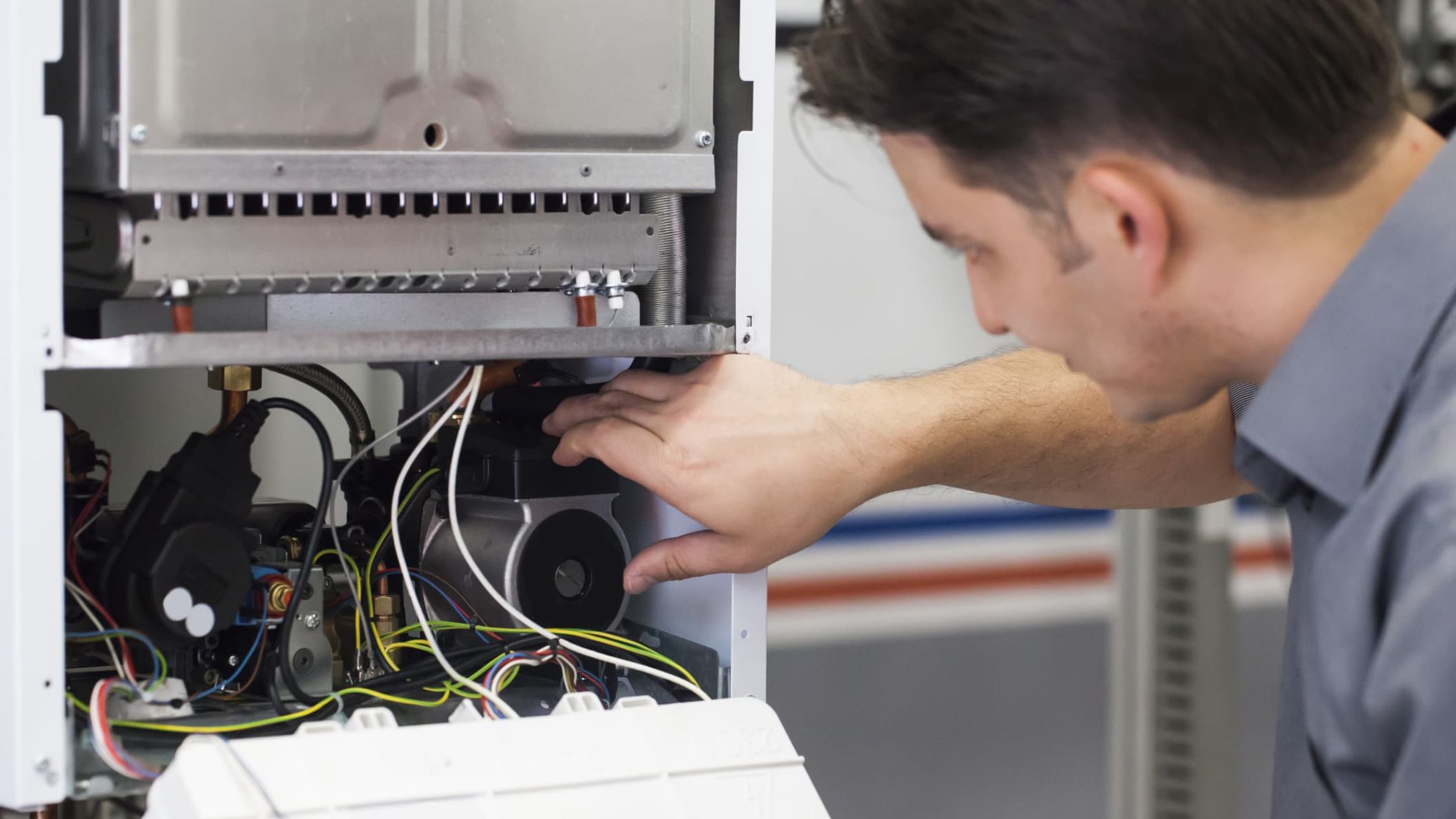
Something that correlates with a faulty pilot light is an issue with the gas supply. Not having the necessary gas supply will cause the pilot light to go out.
If your pilot light instantly goes out or doesn’t light at all, you might have a gas supply problem on your hands. But not to worry, furnaces are designed to turn off in these situations. If it isn’t lighting at all, it’s likely you have a gas valve problem.
The Thermostat Is Set Incorrectly
It might seem silly, but one of the most common contributors to furnaces blowing cold air is the thermostat not being correctly set. Thermostats can be adjusted to one of two fan settings, either on or auto.
When set to on, the furnace fan will run at all times, even when the furnace system itself isn’t running. You can put your hand up to a vent and feel the air blowing, but it won’t be heated or cooled. Switching the thermostat to auto will make your furnace fan kick in when the thermostat in your house detects a temperature different than what it’s set to.
Ductwork Issues
If there is a leak in the duct system that runs throughout your home, there’s a chance air from cooler rooms – like your basement – can enter the system, resulting in colder air coming from the vents.
Patching up any leaks in the ductwork should help to correct this problem.
Clogged Condensate Drain Lines
Although newer high-efficiency model furnaces don’t come with pilot lights, they will have a condensate drain. It is necessary to remove any water that forms while your furnace heats the home.
Should this drain become clogged, it could prevent the furnace’s burners from lighting. The system is designed to do this – that is why it is so important to stay on top of this.
System Overheated
Furnaces are equipped with safety components that will force your furnace to shut down to prevent overheating. There are a couple of reasons why this could happen.
Dirt and debris can build up over time and get into the furnace’s various parts, causing it to overheat. If one of the furnace’s mechanical components starts to fail, this can also lead to overheating.
Dirty Flame Sensor
A dirty flame sensor will prevent your furnace’s gas burner from staying lit. A good indication of this is if your system keeps cycling on and off.
Air Filter is Restricting Air Flow
Restricted airflow is a huge contributor to a furnace overheating and can be caused by something as simple as a dirty air filter. As dirt builds up on the filter and is left unchecked, over time, this dirt will affect the air from passing through.
This will cause the system to run longer and work harder, which can lead to overheating. Replacing your filter ahead of every cold season is a good habit that will prevent this issue from occurring.
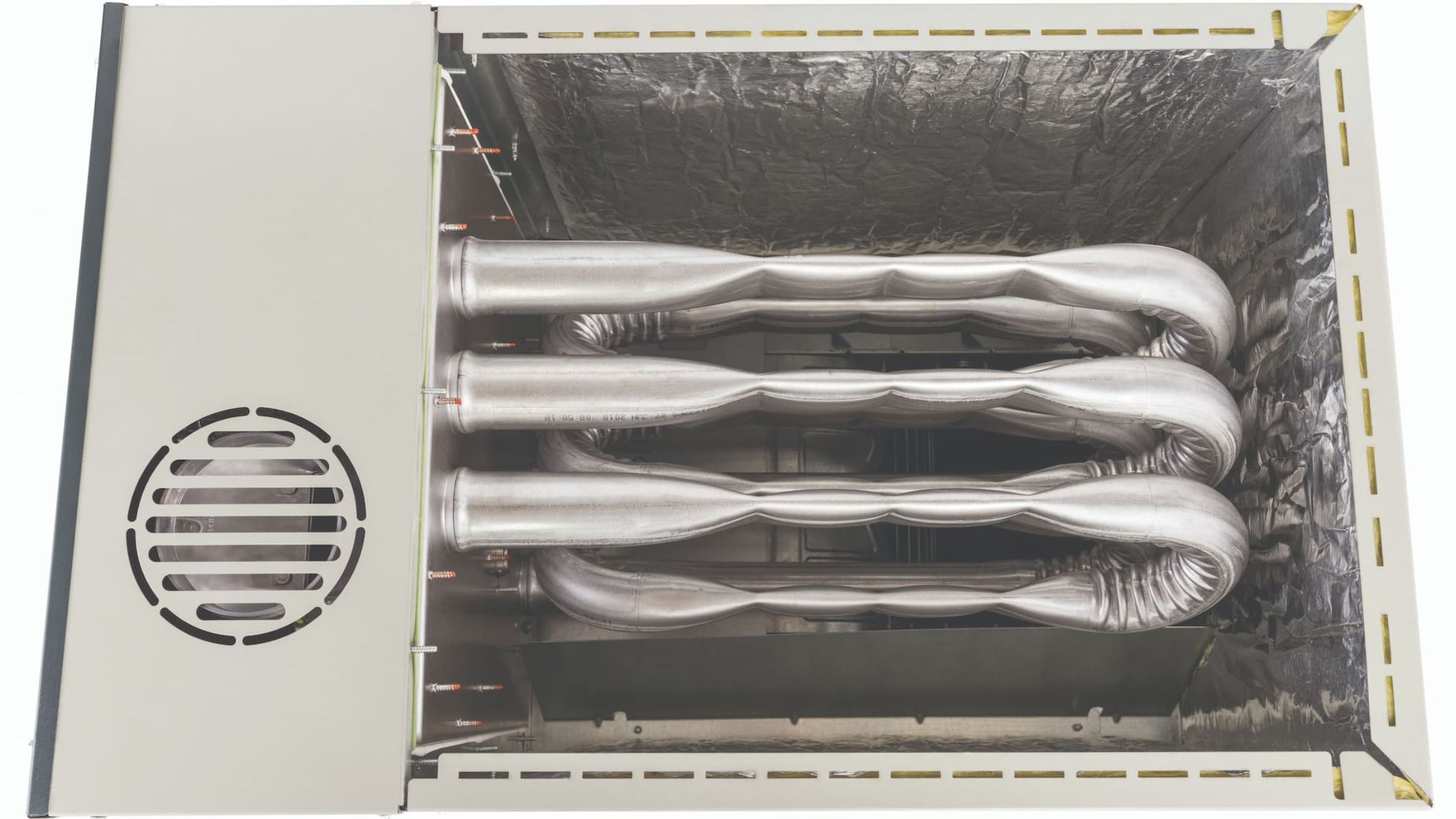
The Furnace isn’t Warmed Up Yet
A furnace blowing cold air right when the system fires up is to be expected. Furnaces have burners that need to be ignited and then heated in order to create warm air to heat our homes.
Wait a few minutes after turning on your furnace and check to see if the temperature has improved. If after ten to fifteen minutes you notice your furnace is still blowing cold air, it’s time to call an expert.
Troubleshooting a Furnace Blowing Cold Air
These are the typical reasons why a furnace is only blowing cold air. Whenever you have heating and cooling issues, call the professionals at Northwind HVAC for furnace and HVAC repair and installation services.
✓ Expert Note — Our TSSA-licensed furnace technicians have diagnosed and repaired thousands of furnaces across the GTA and Simcoe County – the answers below reflect real-world experience from Ontario homes.
Frequently Asked Questions About Furnace Repair in Ontario
How much does furnace repair cost in Ontario in 2025?
Most furnace repairs in Ontario cost between $150 and $600 depending on the issue. A minor fix like a faulty ignitor or dirty flame sensor runs $150–$250. Replacing a heat exchanger or control board can reach $400–$700. Emergency or after-hours service typically adds $80–$150. Getting a diagnostic quote upfront is the best way to avoid surprises.
How long does a furnace repair typically take?
Most furnace repairs are completed in 1–3 hours during a single service visit. Simple fixes like replacing a capacitor, thermocouple, or flame sensor take under an hour. More complex repairs – such as replacing a blower motor or control board – may require a return visit if parts need to be ordered. Same-day parts availability is common in the GTA.
Is it worth repairing an old furnace, or should I replace it?
A general rule of thumb: if your furnace is over 15 years old and the repair cost exceeds 50% of the price of a new unit, replacement is usually the better investment. Newer high-efficiency furnaces (96%+ AFUE) can cut your heating bills by 20–30% compared to older models. Our technicians can give you an honest assessment – we will tell you if a repair makes sense rather than push for a replacement.
What are the most common furnace problems Ontario homeowners face?
The most common issues we see in Ontario homes include: dirty or faulty flame sensors (causes short cycling), failed ignitors (furnace will not start), blocked condensate drains (common in high-efficiency units), cracked heat exchangers (a safety concern – causes CO leakage), failing blower motors, and thermostat wiring issues. Annual maintenance catches most of these before they become emergencies.
Can I get same-day furnace repair in the GTA or Barrie?
Yes. North Wind HVAC offers same-day furnace repair 7 days a week across the Greater Toronto Area, Barrie, and surrounding communities. Call by early afternoon for the best chance at same-day service. Emergency after-hours service is also available for urgent no-heat situations.
Do I need a TSSA-licensed technician to repair my furnace in Ontario?
Yes. In Ontario, any work on a natural gas furnace must be performed by a TSSA-licensed Gas Technician (G1 or G2 designation). Unlicensed repairs are illegal, void your warranty, and can create serious safety hazards including carbon monoxide leaks. Always verify your technician’s TSSA credentials before any gas appliance work.
My furnace has a red tag on it – what does that mean?
A red tag means a TSSA inspector has identified a safety hazard and ordered the appliance shut down until repairs are made. Red tags are serious – do not attempt to override or restart the furnace. A licensed Gas Technician must inspect and repair the issue, then have it re-inspected before the unit can be returned to service. North Wind HVAC specializes in red tag removal and can typically handle the full process in one visit.

Written by
Oleksii Sitalo
Oleksii Sitalo is an HVAC professional with hands-on experience in heating, cooling, air conditioning, furnace systems, and home comfort solutions.
