 Proudly Canadian


 Home
Home Heating
 Cooling
 Heat Pumps
 Air Quality
 Other
OtherHVAC Tips and Tricks
9 Reasons Why Your AC Isn’t Blowing Cold Air
Jun
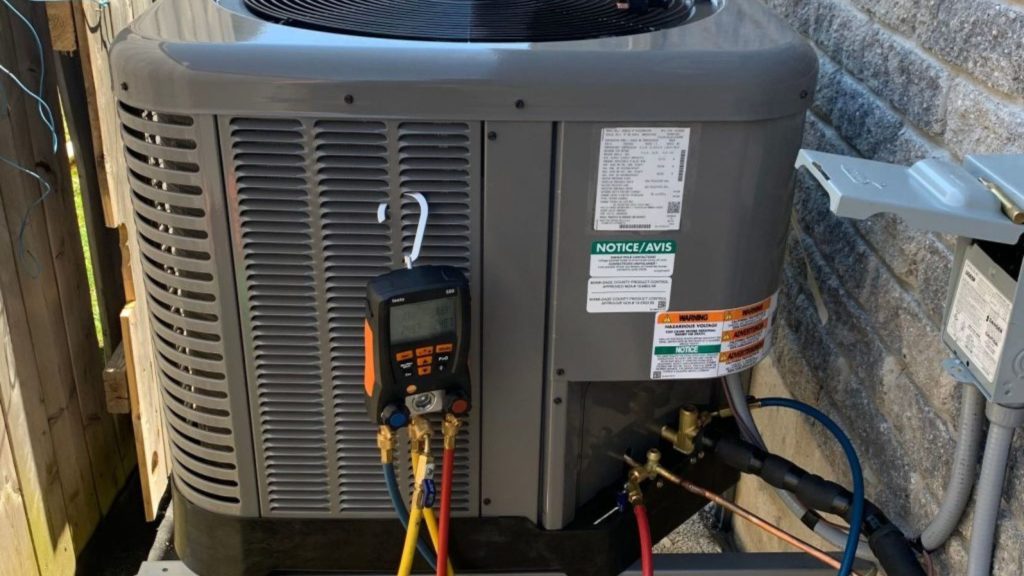
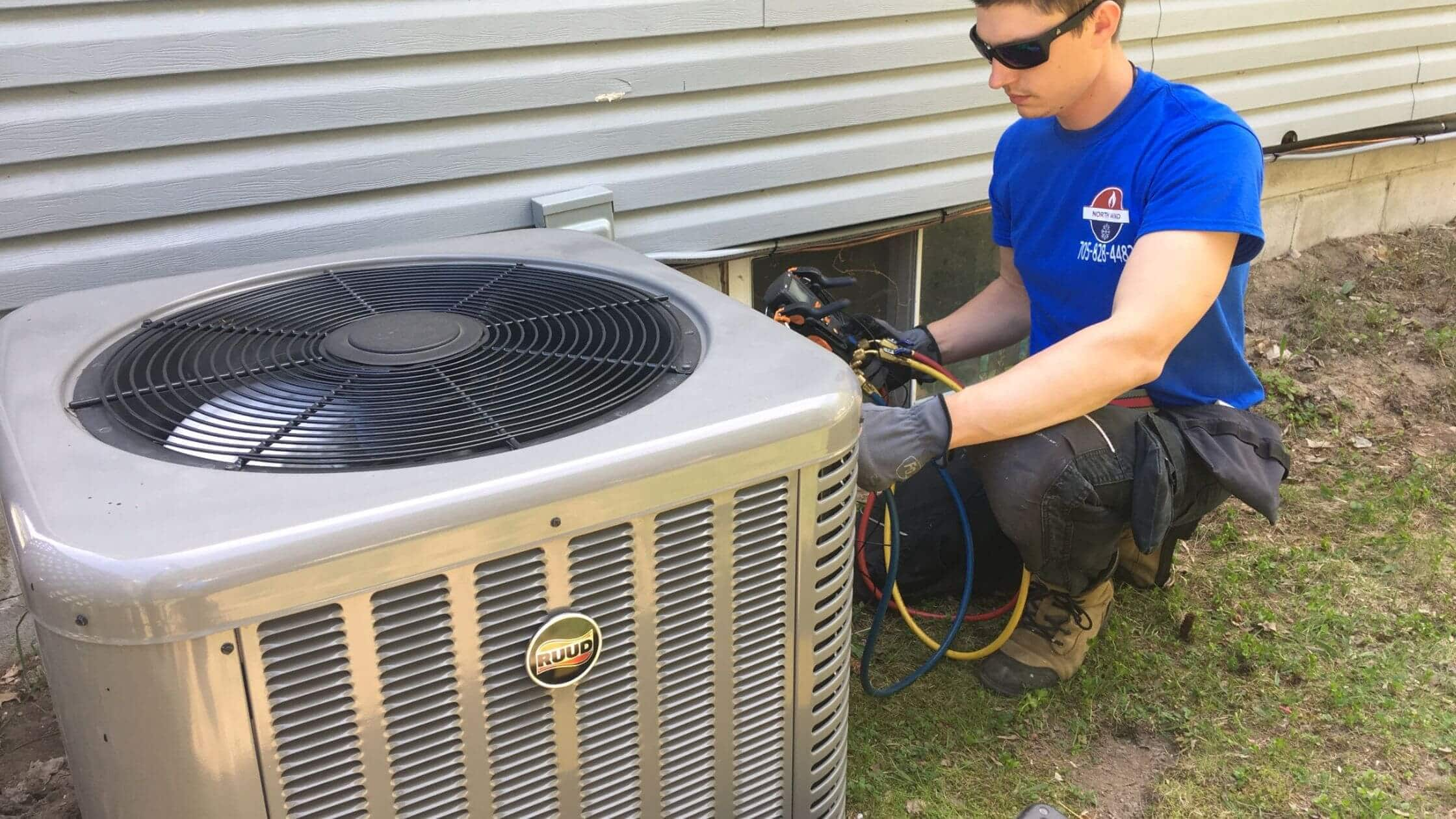
When it’s hot and muggy outside, the last thing you want to deal with is an AC not blowing cold air. In fact, it happens to be one of the most common problems with air conditioners. This can be caused by a variety of issues, and it’s important to identify the root cause in order to fix the problem. The professionals at Northwind HVAC have put together a list of reasons why your AC has stopped blowing cold air. Keep reading for tips and tricks on how to solve this problem.
Check Your Thermostat
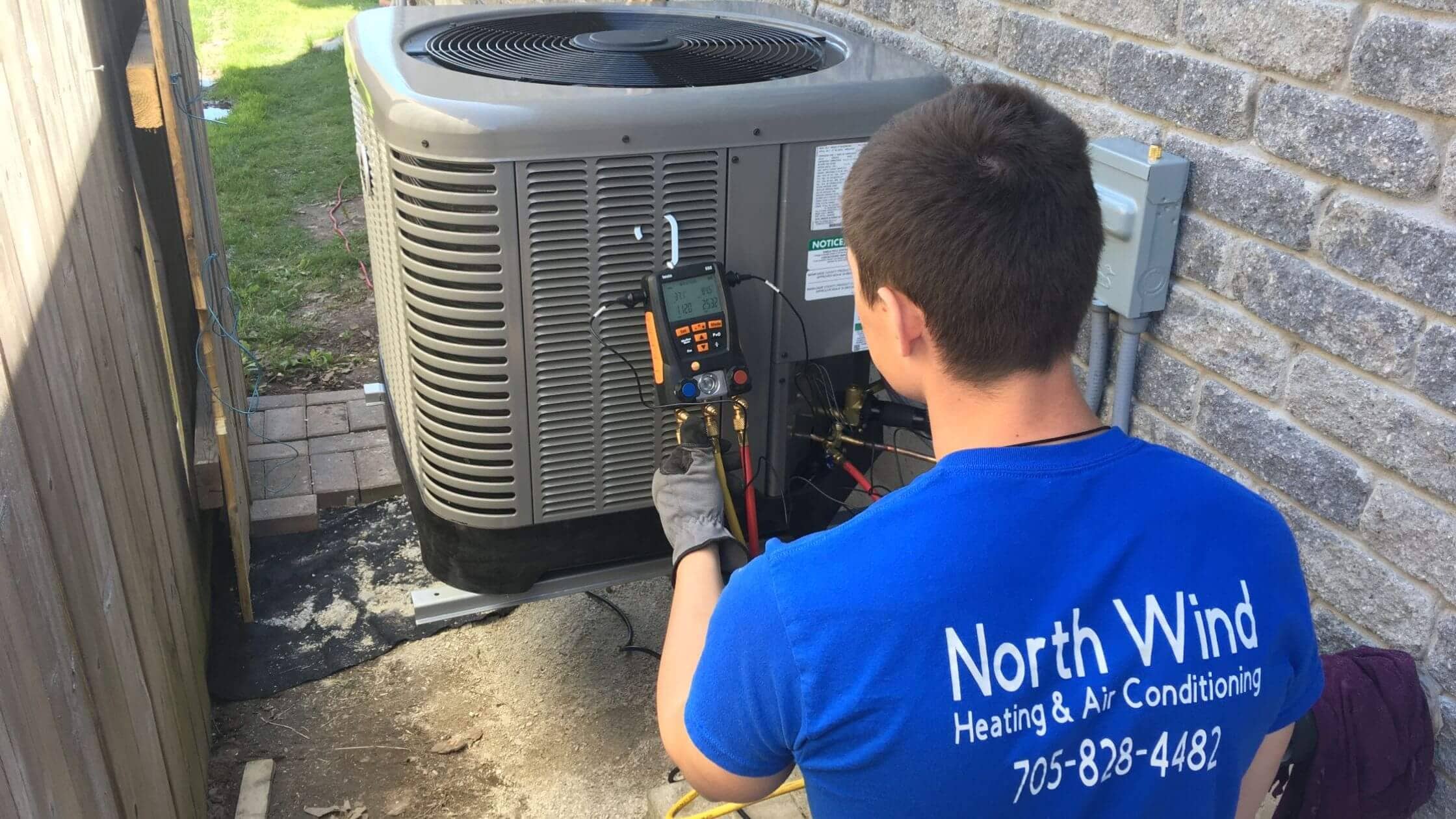
If you’re not feeling the cool breeze from your AC, it’s important to check your thermostat settings. If you set your thermostat too high, the AC might not even turn on. For instance, if your AC is set to 28°C and the current temperature in your home is 24°C. Also, if you’ve set your AC to the ‘auto’ setting instead of ‘on,’ it might not be cooling your home effectively.
There are a few things you can do to investigate what’s going on. Ensure that the breakers are functioning properly, and check to see if the air conditioner shut-off switch is flipped.
Change Your Filter
One of the most important maintenance tasks for any homeowner is changing the air filter in their heating and air conditioning unit. A dirty air filter can lead to a number of problems, including reduced airflow, increased energy consumption, and even system failure. If you haven’t been regularly changing your air filter, your AC probably has a dirty air filter that is now clogged.
A clogged filter in your AC unit restricts the airflow in your home and could potentially damage other parts of the AC like the evaporator coil. It’s important to check your filter every 30 days, and remember to clean it regularly.
Clean Condenser
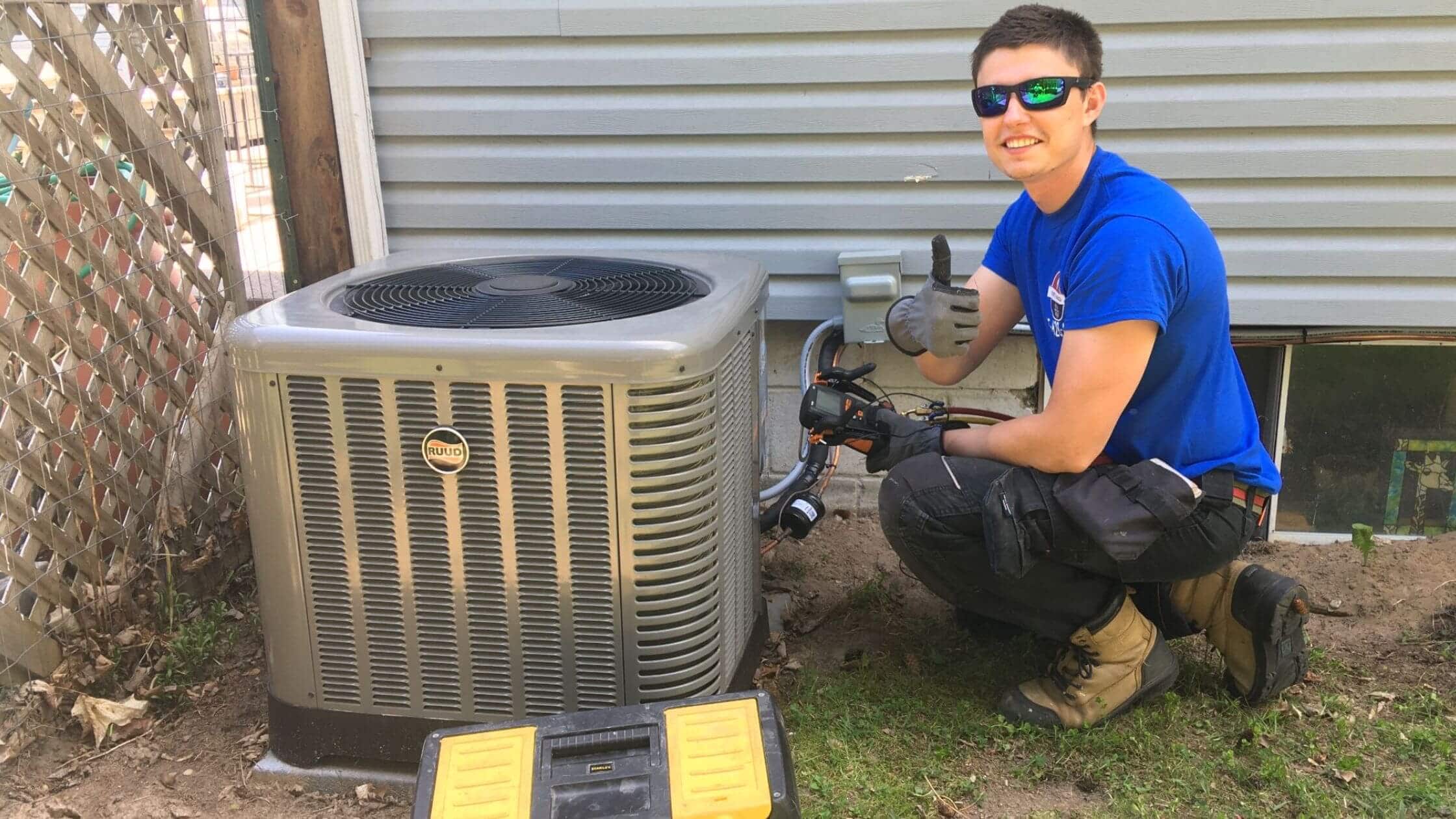
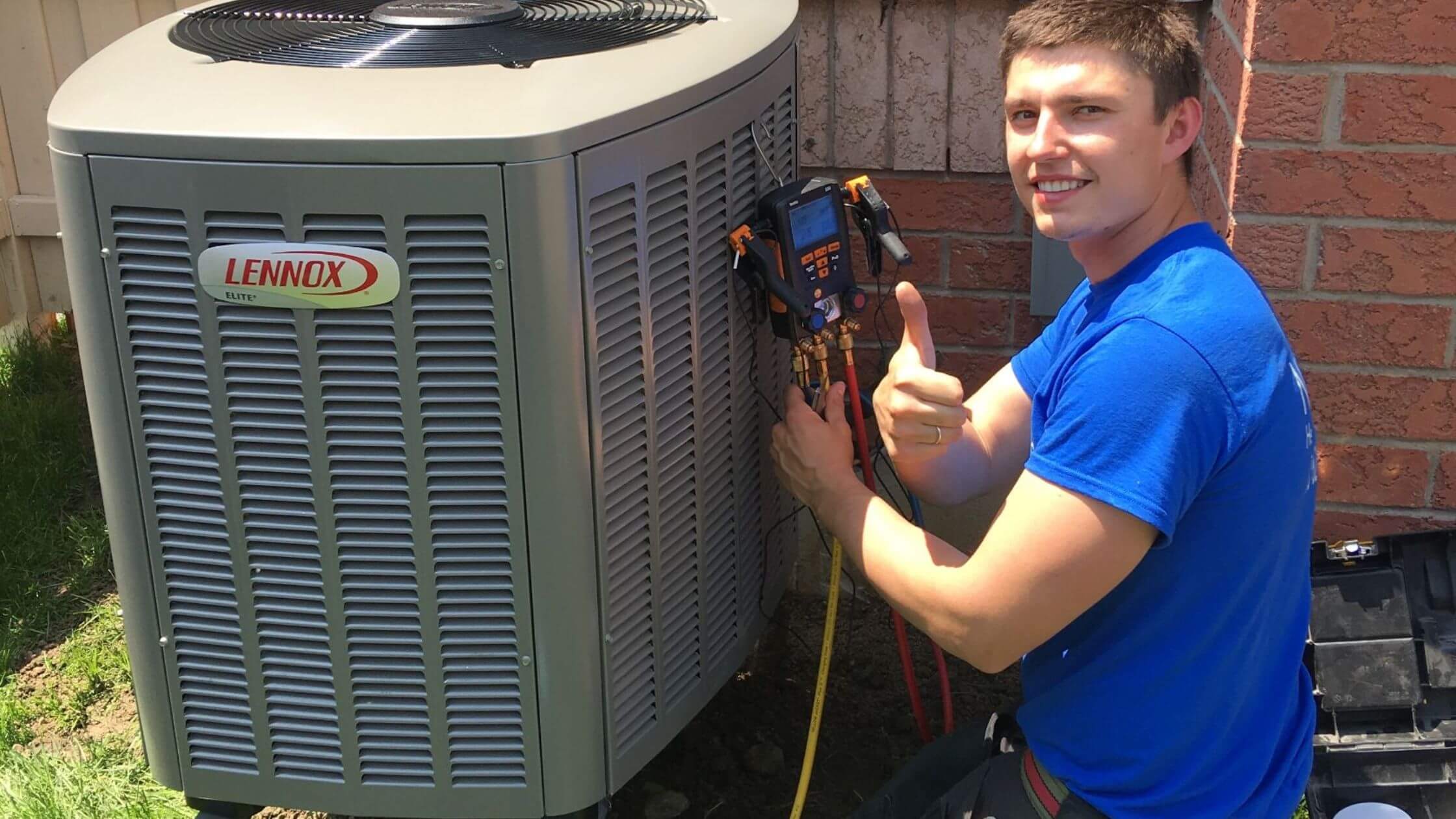
Your condenser unit is an essential part of your air conditioning system, and it’s important to keep it clean and well-maintained. When dirt and debris get into the condenser, it has to work harder to pull in the air and cool it.
Fortunately, cleaning up your outdoor condenser unit is something you can do on your own. Just be sure to turn off the power to the unit before you start cleaning. Then, use soap and water to remove the buildup of dirt. Once you’re finished, be sure to turn the power back on and check that the unit is running smoothly.
Check for Mechanical Issues
Like many other units found in your home, your AC will eventually experience some wear and tear over the years. So it may experience some mechanical issues at some point.
If your AC is not blowing cold air, and you’ve checked your filter and thermostat, calling in a team of experts like the ones at Northwind HVAC is the best course of action.
Look for Refrigerant Leak
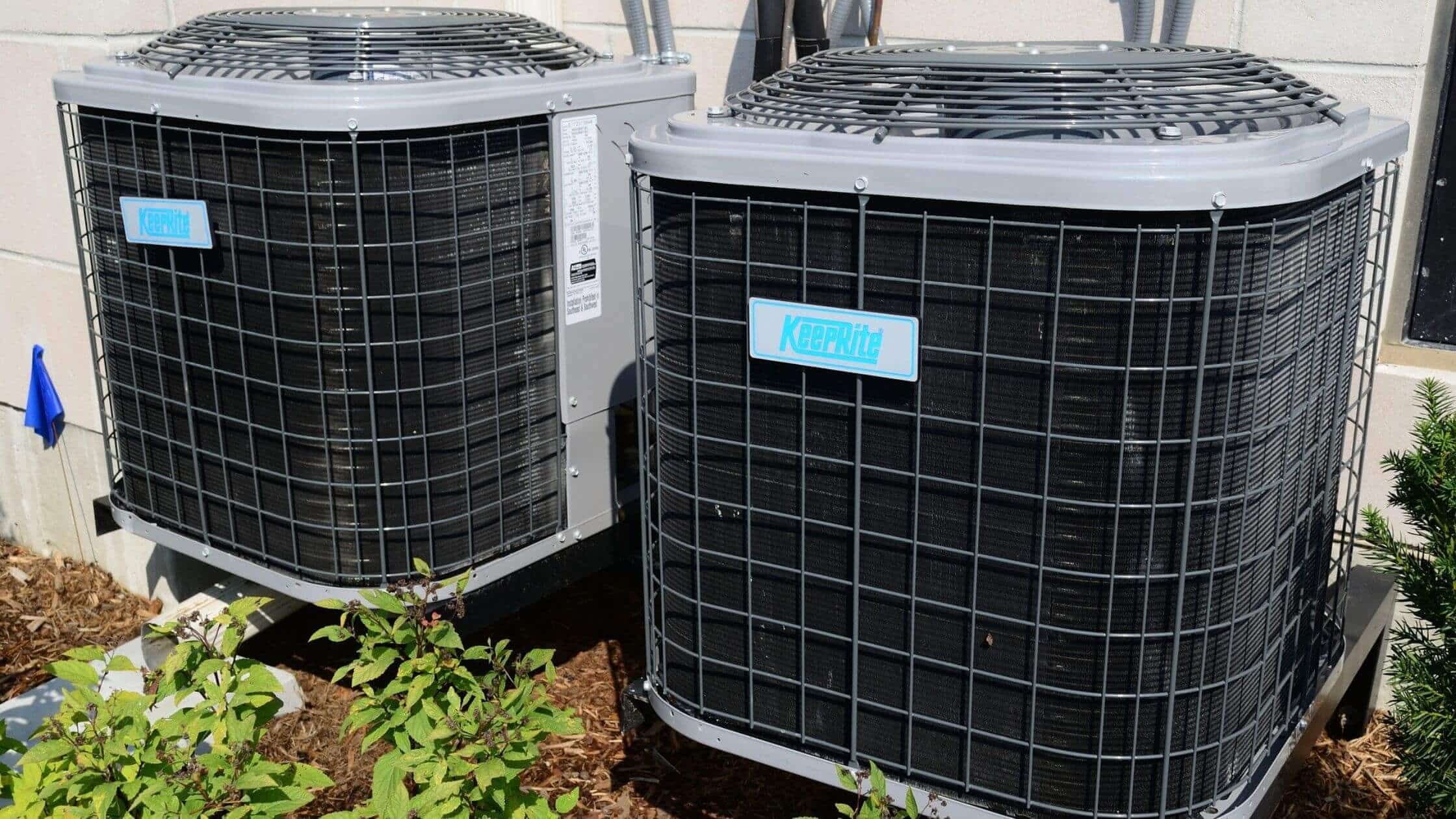
When a refrigerant leak occurs, there’s often not enough of the substance present to effectively absorb heat. As a result, you may notice that your air conditioner is not blowing cold air.
If you think you may have a leak, it’s important to contact a trained AC technician who can safely and properly fix the problem. Don’t take chances with your AC unit – if you think there may be a problem, give us a call right away.
Schedule Annual Maintenance
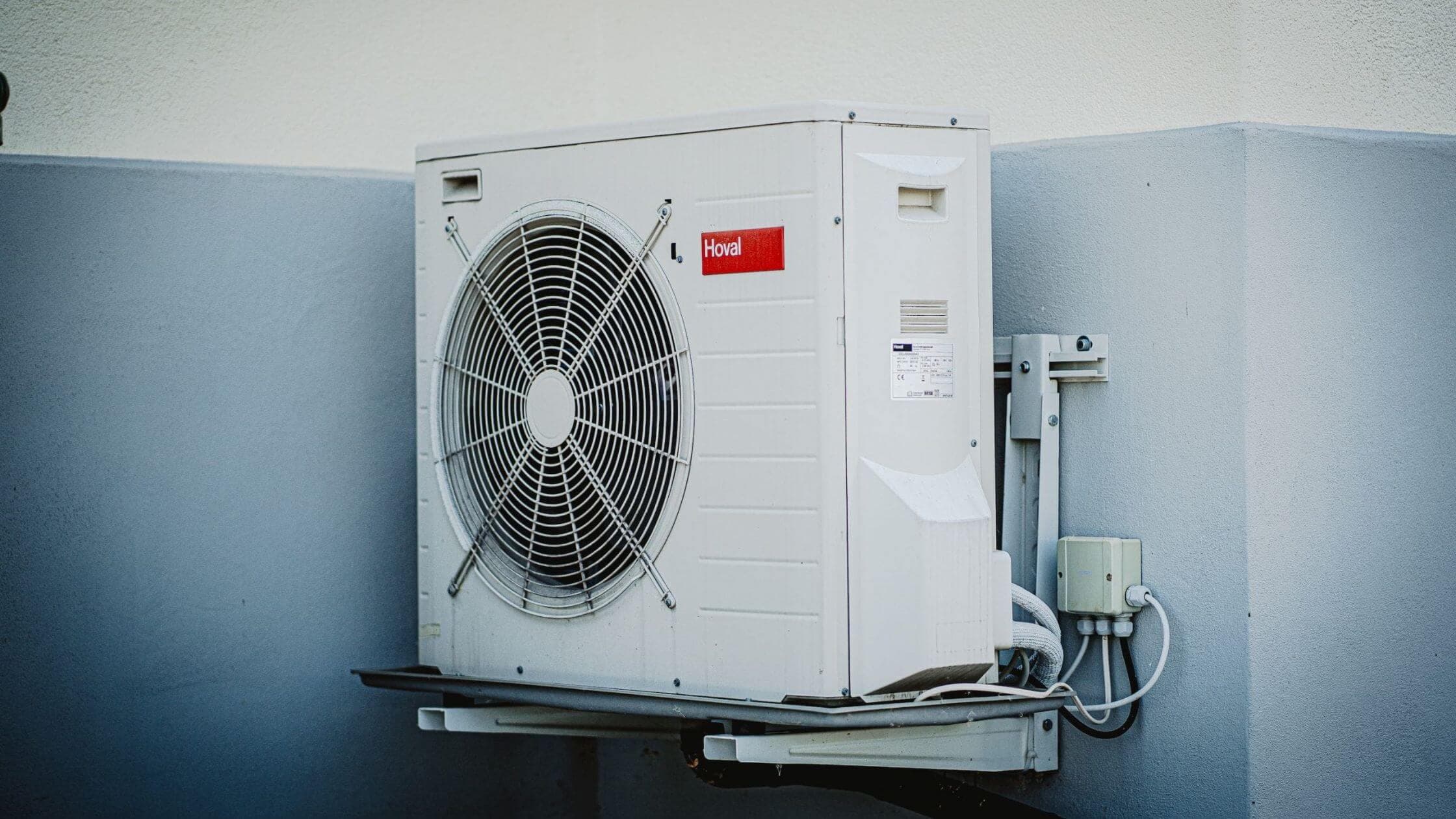
Annual maintenance is essential for keeping your air conditioner running smoothly and efficiently. Without it, you can expect increased breakdowns, costly repairs, and even the total failure of your system during the hottest days of the year.
By scheduling regular maintenance, you can avoid these problems and keep your air conditioner running like new.
Get the Right AC Size
Air conditioners come in a range of sizes, and it’s important to choose the right size for your home. If your air conditioner is too small, it will have to work overtime to cool your home, which will wear it out more quickly.
If your air conditioner is too large, it will cool your home too quickly and then shut off, leading to wasted energy and uneven cooling.
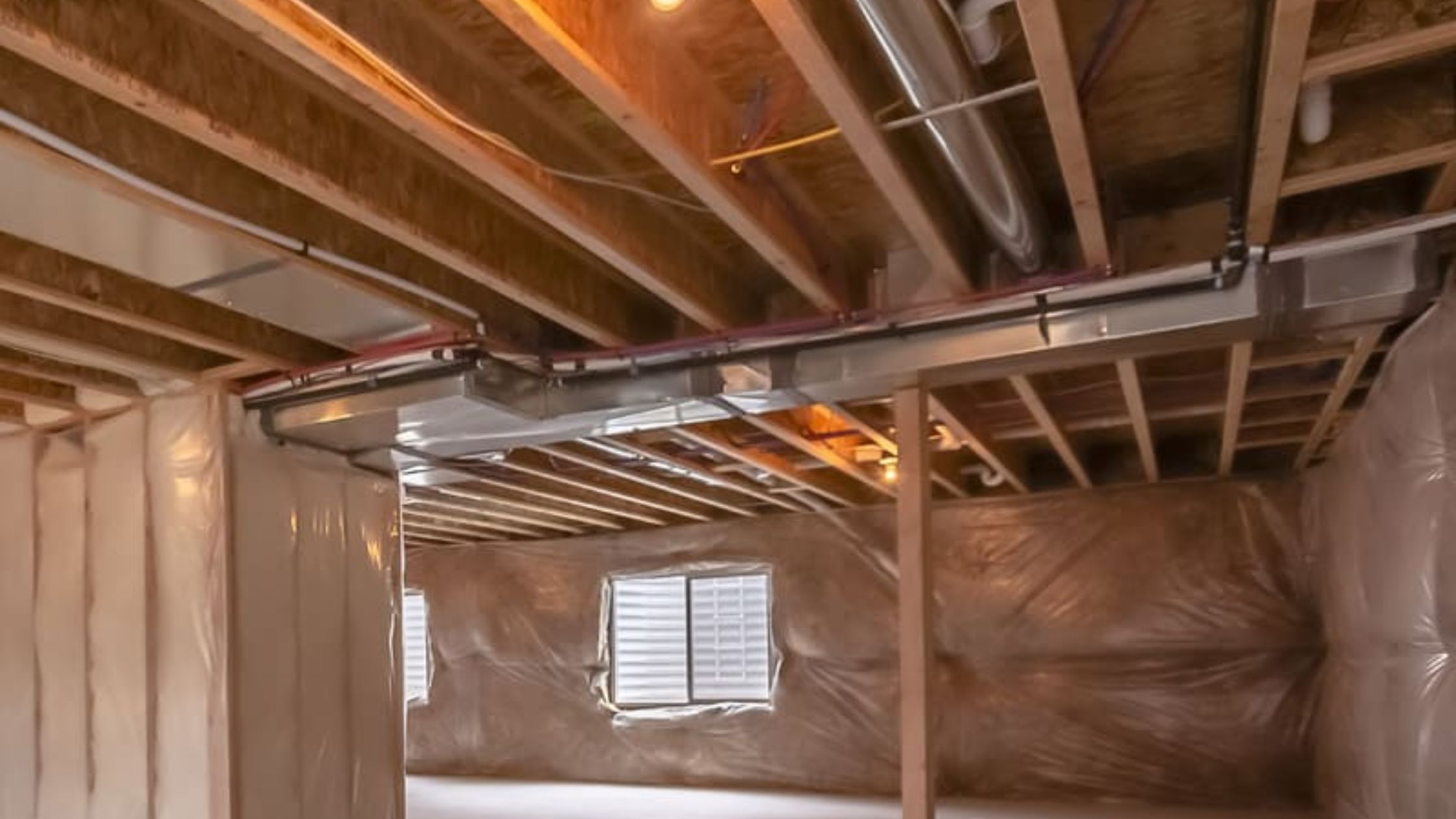
Check for Leak in Ductwork
A leak in the ductwork of your home could be costing you money and ac not blowing cold air. When ductwork leaks, cold air is filtered out into the walls instead of reaching the vents.
This not only means that your home is not being properly cooled, but it also means that you are paying for cooling that is not benefiting you. To ensure that your ductwork is in good condition, have it inspected regularly and repaired as soon as any leaks are detected.
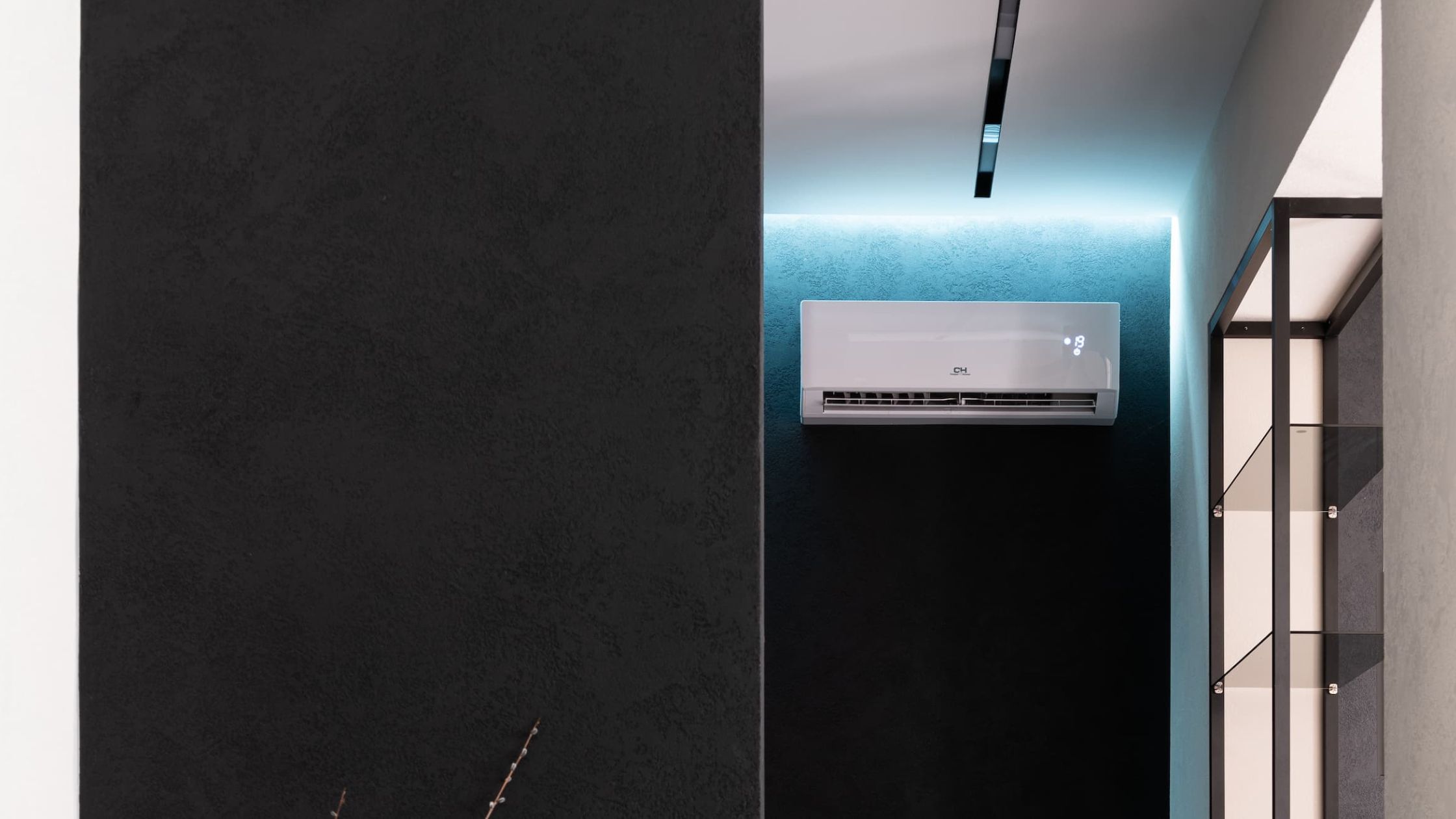
Check for Frost
An air conditioner freezing up is not normal behavior and can indicate a serious problem. If your AC unit freezes up, it may be due to a clogged filter causing a dirty coil. This means the frozen evaporator coil can’t absorb any heat, and the ice will continue to build up.
Another possibility is that the condensate line is blocked, which prevents the excess moisture from draining properly. This can cause the coils to freeze and the ice to build up. Finally, low refrigerant levels can also cause the coils to freeze. If you notice your air conditioner freezing up, be sure to check these potential causes so you can fix the problem as soon as possible.
Contact Us
When your AC isn’t cooling your home like it once used to, be sure to take the above steps to try and troubleshoot the problem. You may be able to solve the issue on your own with quick fixes like changing your filter or cleaning the condenser. But if a more serious problem persists, call the experts at Northwind HVAC for a quick and speedy repair. Give us a call today to learn more about the HVAC repair and installation services we can offer you.
✓ Expert Note — Our NATE-certified and TSSA-licensed technicians have serviced thousands of air conditioning systems across the GTA. The answers below reflect what we actually see and fix in Ontario homes and businesses every summer.
Frequently Asked Questions About Air Conditioner Repair in Ontario
How much does AC repair cost in Ontario in 2025?
AC repairs in Ontario typically range from $150–$700 depending on the issue. Common fixes like replacing a capacitor or contactor cost $150–$300. Refrigerant top-ups run $200–$400 depending on refrigerant type (R-410A vs R-22) and amount needed. Compressor replacement is the most expensive repair at $800–$1,500 – at that cost, replacement often makes more sense. Emergency same-day calls add a service fee of $80–$150.
Why is my air conditioner running but not cooling the house?
The most common reasons: low refrigerant (leak or improper charge), dirty evaporator or condenser coils blocking heat transfer, a failed capacitor preventing the compressor from starting, frozen evaporator coil due to restricted airflow, or a failing compressor. A clogged air filter is often overlooked – replace it first. If that doesn’t fix it, a technician needs to diagnose refrigerant level and component function with proper gauges.
How often should I have my air conditioner serviced?
Once per year is the standard recommendation – ideally in spring before the cooling season starts. An annual AC tune-up typically includes cleaning the condenser coils, checking refrigerant levels and pressure, inspecting electrical connections and capacitors, lubricating moving parts, and testing system performance. Regular maintenance extends equipment life and catches problems before they cause a breakdown in the middle of a summer heat wave.
Is it better to repair or replace a 10-year-old air conditioner?
If the repair is under $500 and the unit is otherwise running well, repair usually makes sense for a 10-year-old unit. If the compressor has failed (a major repair), or if you’re facing repeated breakdowns, replacement is worth considering. Modern units with SEER2 ratings of 16–18 are significantly more efficient than units made before 2015. The energy savings alone can justify the upgrade within 5–7 years in Ontario’s climate.
Can my AC be repaired in the winter in Ontario?
Yes, though most repairs are best done in the shoulder seasons (spring/fall). Refrigerant work typically cannot be done when outdoor temperatures are below 10°C, as system pressures behave differently in the cold. However, electrical component replacements (capacitors, contactors, control boards), coil cleaning, and diagnostics can all be done year-round. Scheduling service in the off-season often means faster booking and no emergency surcharges.
What are the signs my air conditioner needs repair or replacement?
Key warning signs include: the unit is not cooling effectively despite running constantly, you hear unusual noises (grinding, banging, or hissing), the system cycles on and off frequently (short cycling), there is ice forming on the refrigerant lines, you notice a significant increase in electricity bills, or the unit is over 12–15 years old and facing a costly repair. Any refrigerant leak (hissing sound or ice buildup) needs immediate attention.
Do I need a licensed technician to recharge AC refrigerant in Ontario?
Yes. In Canada, only licensed HVAC technicians with an ODP (Ozone Depleting Products) certificate are legally permitted to handle refrigerants. Handling refrigerant without certification is a federal offence under the Environmental Protection Act. Never let an unlicensed person handle your AC refrigerant – it is both illegal and a safety risk. All North Wind HVAC technicians carry the required certification.

Written by
Maria Chen
Home Comfort & Energy Efficiency Specialist | NATE Certified
Maria Chen is a NATE-certified HVAC specialist and home comfort advisor with a decade of experience helping Ontario homeowners choose, install, and optimize energy-efficient heating and cooling systems. Holding a G2 Gas Technician licence and HRAI certification, Maria has deep expertise in heat pump technology, central air conditioning, and government rebate programs including the Canada Greener Homes Grant. She has a background in mechanical engineering and specializes in helping homeowners navigate system upgrades.
